 EN
EN
STEP 1
Full vehicle warranty for 2 years
2026/08/26
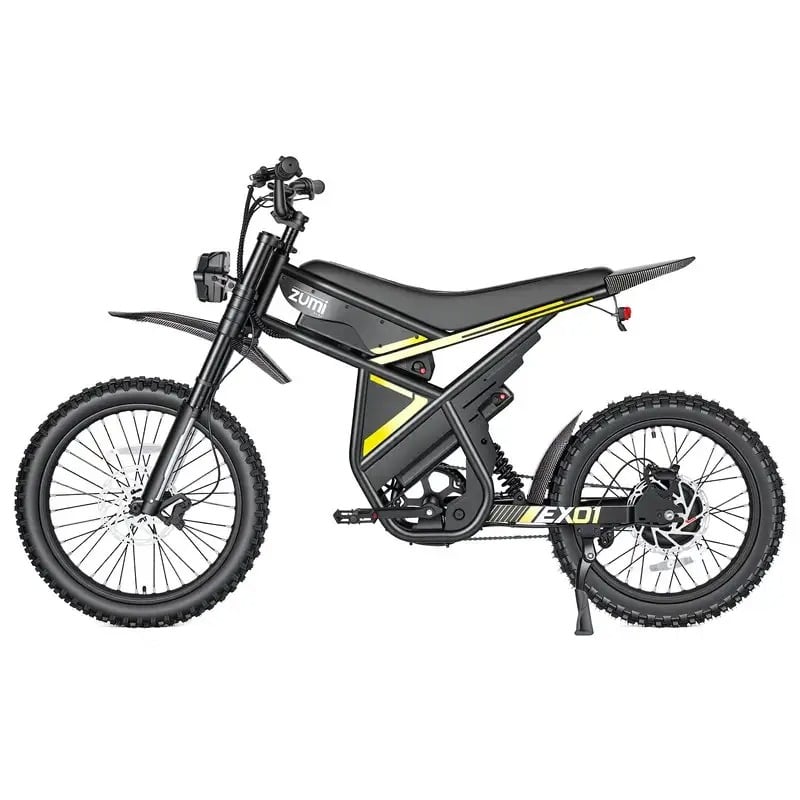
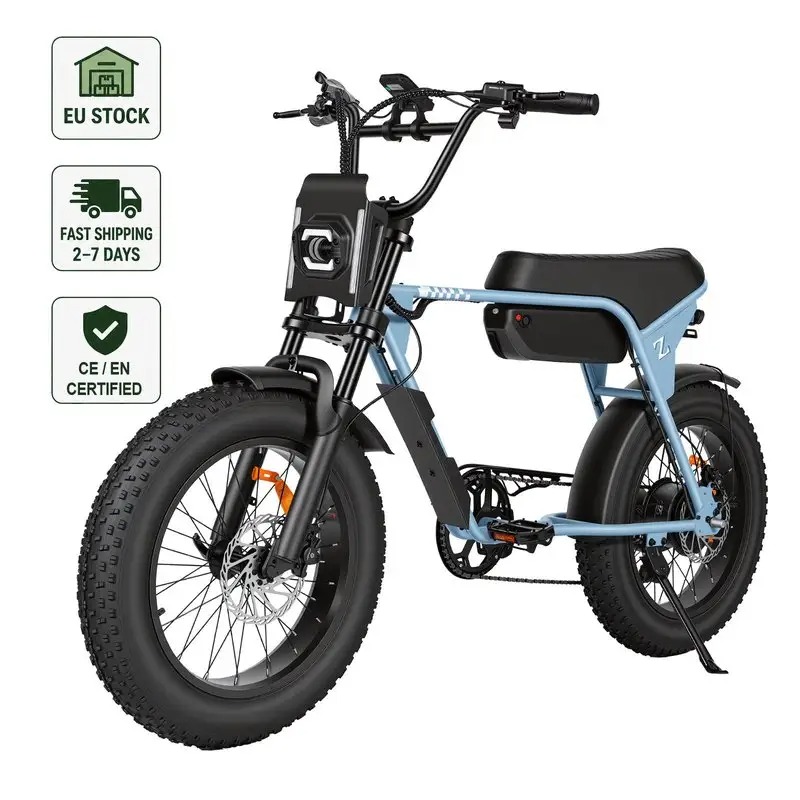
Selecting a suspension fork for your 20 in ebike requires understanding how fork geometry, travel distance, and weight capacity directly affect your daily commute. A compact ebike with a 20-inch wheel demands different suspension considerations than larger models. The right fork choice improves handling, comfort, and energy efficiency while reducing rider fatigue on uneven urban terrain. This guide walks you through the critical factors that determine whether a suspension fork will enhance or compromise your commuting experience.
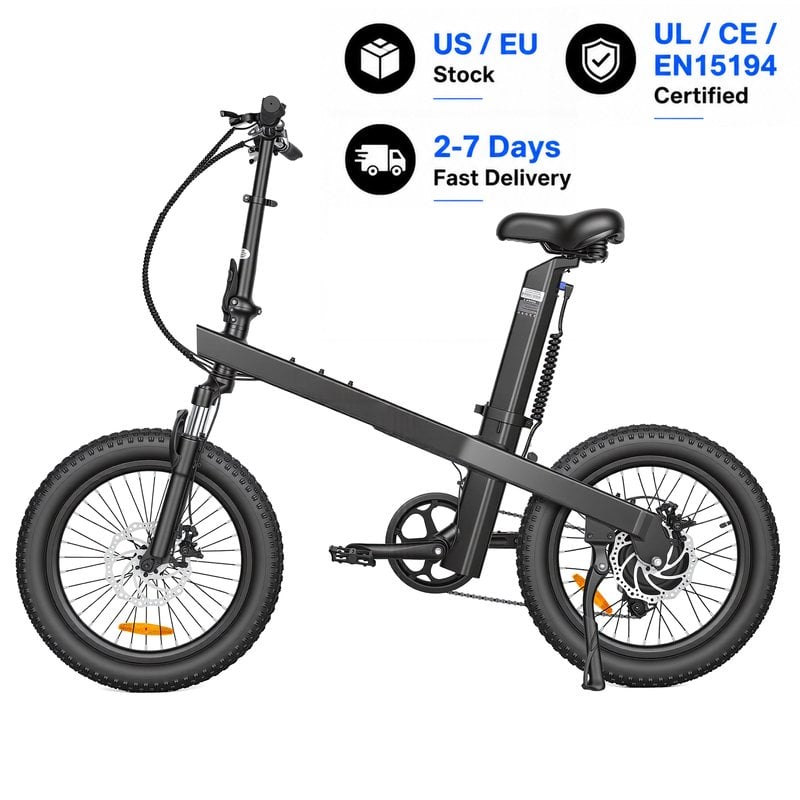
The urban ebike market has grown significantly, and a 20 in ebike offers the portability that commuters need without sacrificing ride quality. Suspension forks on compact ebikes serve a specific purpose: they absorb impacts from potholes, curbs, and rough pavement while maintaining wheel contact for traction. However, not all forks suit all riders or all commute conditions. Understanding the relationship between fork specifications and your specific commute environment ensures you invest in the right component rather than an oversized or undersized system that creates problems.
Travel distance—the vertical distance the fork compresses—must align with your 20 inch ebike's geometry and intended use. Most 20-inch ebikes accommodate forks with 30mm to 80mm of travel. Excessive travel on a compact ebike raises the front end, altering steering geometry and making the bike feel twitchy in corners. Insufficient travel leaves you vulnerable to impacts that transmit directly to your wrists and shoulders. Urban ebike designs typically call for moderate travel around 50mm to 63mm, balancing comfort with responsive handling.
The 20 inch wheel size creates a unique constraint: shorter chainstays and a tighter overall geometry mean fork behavior has amplified effects on the bike's balance and maneuverability. A suspension fork designed for larger wheels often feels mushy or imprecise on a 20-inch frame because the parameters don't match. Always verify that your fork choice lists compatibility with 20-inch wheels explicitly in its specifications. This detail often separates reliable urban ebike forks from general-purpose components that compromise commute quality.
Damping controls how quickly the fork compresses and rebounds after impact. A compact ebike demands precise damping because poor damping causes either harsh kickback or excessive bobbing when pedaling. Coil springs offer simplicity and durability for commuters, while air springs save weight but require periodic pressure adjustments. The urban ebike environment—heavy stop-and-go traffic, variable pavement—benefits from adjustable damping that lets you tune fork behavior for your specific commute conditions.
Maintenance requirements scale with fork complexity. A basic coil fork on a 20 inch ebike needs minimal upkeep, typically just occasional seal cleaning and occasional oil top-offs. More sophisticated damper systems require specialized tools and expertise for service. For commuters, this distinction matters: you want a fork that improves your ride without becoming a maintenance burden. Consider your comfort level with bike maintenance when selecting between entry-level and high-end suspension options.
Daily commuting on city streets, bike lanes, and paved paths creates specific suspension demands. Potholes, expansion joints, and curb cuts are common, but truly rough terrain is rare. A compact ebike cruising smooth asphalt needs minimal suspension benefit; a fork optimized for all-terrain use becomes unnecessary weight and complexity. Instead, seek a fork tuned for low-speed impacts and responsive feedback. Many urban ebike riders actually prefer rigid forks or lightly suspended options that preserve efficiency and handling precision on known, relatively smooth routes.
If your commute includes occasional gravel shoulders, cobblestone neighborhoods, or park paths, moderate suspension becomes valuable. A 20 inch ebike with 50mm to 60mm travel performs well across these mixed conditions. The key is match suspension travel and geometry to your actual terrain mix, not to worst-case scenarios. Most urban commutes benefit more from fat tires and lower tire pressure than from aggressive fork suspension.
An ebike fork must support both your body weight and the additional load from the battery and motor system. A 20-inch ebike typically carries 25 to 55 pounds of electronic components depending on motor placement and battery capacity. When selecting suspension, verify that the fork's rated weight capacity exceeds your body weight plus the complete bike weight. Overspeeding a fork below its load rating degrades damping performance and shortens component lifespan.
Front-motor 20 inch ebikes add rotational mass and load concentration at the fork crown, which demands a stiffer fork with appropriate spring preload. Mid-drive or rear-motor configurations distribute weight more evenly, allowing more flexible fork choices. Understand your bike's motor configuration before finalizing fork selection to ensure compatibility and optimal performance under load.
Fork steerer tube diameter must match your frame's headtube: common sizes are 1-1/8 inch and 1-1/2 inch for bikes in this category. Mismatched steerer dimensions prevent proper installation and create safety risks. Additionally, verify brake compatibility: disc brake forks require mounting bosses and specific rotational centerlines, while rim brake forks use different attachment points. A compact ebike commute often pairs with hydraulic disc brakes, so ensure your fork choice accommodates that system without adapter complications.
Modern compact ebikes frequently use tapered headtubes that accept 1-1/8 inch to 1-1/2 inch steerer tubes with an adapter. This flexibility simplifies fork upgrades, but always double-check your specific frame before purchasing. Installation errors create handling issues and risk injury, so take measurements carefully or consult a professional bike mechanic to verify compatibility.
If possible, test a fork on a similar bike or borrow a component from a local shop before purchasing. Urban ebike riding feels remarkably different across fork designs, and what works excellently for one rider may feel sluggish or harsh for another. After installation, spend time adjusting spring preload and damping settings if your fork offers them. Most commuters take two to three weeks to dial in their preferences as they experience the fork across varied conditions and traffic patterns.
Pay attention to how the fork affects steering feedback, braking stability, and overall confidence through corners and over obstacles. A well-chosen suspension fork on your urban ebike should feel invisible during smooth riding but noticeably improve comfort and control when impacts occur. If a fork feels wrong after a week of commuting, replacement or professional adjustment is worth pursuing rather than adapting to poor performance.
Choose suspension if your commute includes regular rough pavement, gravel sections, or significant impact events that cause wrist or shoulder strain with a rigid fork. For smooth, well-maintained urban routes, a rigid fork often provides better efficiency, lower maintenance, and more responsive handling. A compact ebike's efficiency benefits from weight reduction and energy retention, so add suspension only if the terrain genuinely justifies it. Test both options if possible to determine the trade-off value for your specific situation.
Fifty to sixty millimeters of travel suits most urban ebike commutes. This range balances impact absorption with geometry preservation and pedaling efficiency. Forks under 40mm feel too stiff for rough pavement; forks over 80mm alter steering geometry excessively and add unnecessary weight to a compact ebike. Always check your frame's maximum fork length rating to ensure your travel choice maintains proper fork crowns-to-axle distance and front-end geometry.
Verify steerer tube diameter, brake type, maximum fork length, and wheel size compatibility against your frame's specifications. Check your bike's documentation or contact the manufacturer for exact headtube and brake specifications. Consult a local bike shop if you're uncertain; they can confirm compatibility and assist with proper installation. Incorrect fork selection creates handling and safety issues, so precision during this matching process prevents costly mistakes and disappointment during your commute.
2026/08/03
Fix time zones, language gaps, and unclear protocols—boost speed, cut costs, and scale confidently.
2026/08/03
Avoid liability & import bans: Learn IEC 62619, UN 38.3, and UL 2271—plus how to verify real compliance (not fakes).
2026/08/03
Learn precise air pressure, rebound & compression tuning for optimal suspension performance. Get pro-level setup tips now.
2026/08/03
Discover how voltage drop saps performance—and proven fixes to restore responsiveness, range, and battery life. Read now.
2026/08/03
Discover data-backed protocols, smart infrastructure & operational fixes. Optimize now.
2026/08/03
How payload cuts 48V cargo ebike range by 15–50%+ — backed by real-world degradation curves, motor load science & fleet optimization strategies.
Comprehensive warranty, fast parts shipping, remote diagnostics and local dealer training


