 EN
EN
STEP 1
Full vehicle warranty for 2 years
2026/08/05
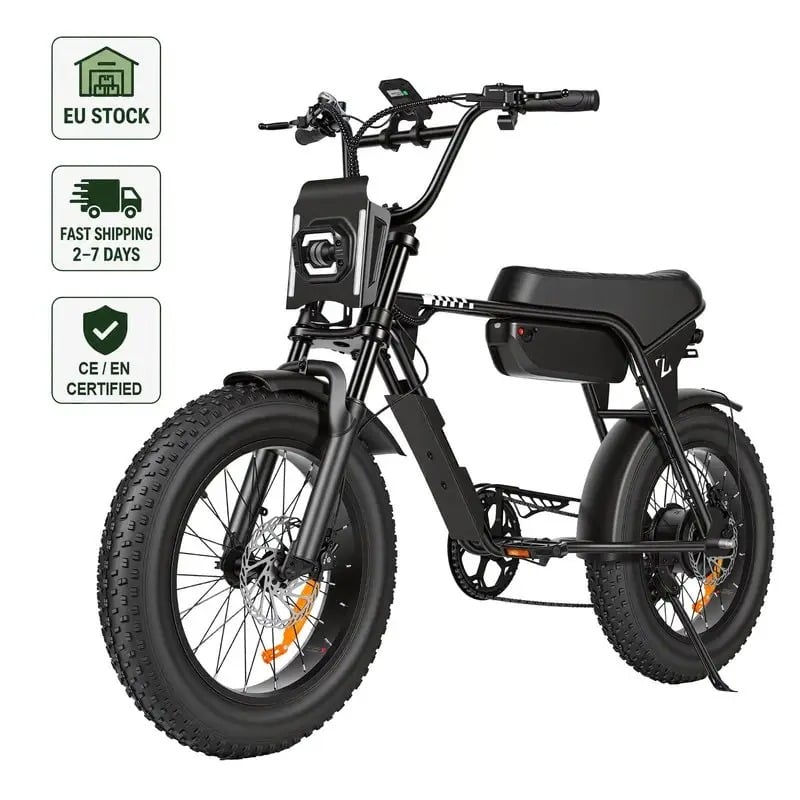
Purchasing electric bikes direct from manufacturer offers significant advantages in cost savings and direct support. However, understanding warranty claim procedures becomes essential when issues arise with your investment. Most buyers assume warranty claims are straightforward, but the process varies considerably depending on whether you purchase from an ebike manufacturer, an ebike factory, or through electric bike wholesale channels. This guide walks you through the complete warranty claim process, helping you navigate timelines, documentation requirements, and recovery options with confidence.
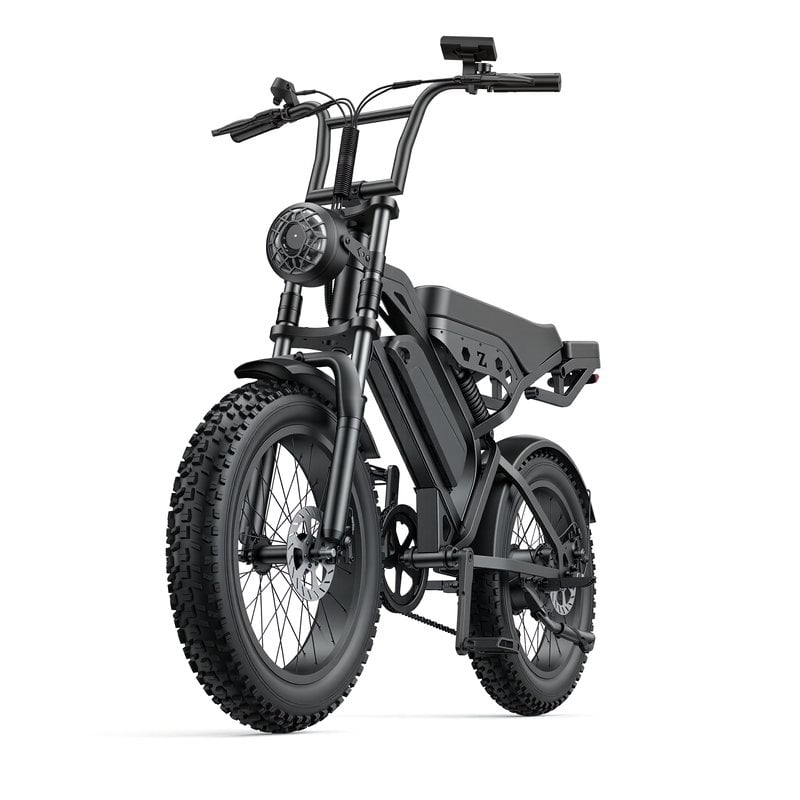
When you buy from an ebike factory rather than a retail distributor, your warranty relationship changes fundamentally. Direct manufacturer relationships mean fewer middlemen, clearer communication chains, and often more personalized support. Understanding this framework helps you prepare accurate documentation, contact the right department, and accelerate claim resolution. Whether you're dealing with battery defects, motor failures, frame issues, or electrical components, knowing the manufacturer's specific procedures protects your rights and ensures timely repairs or replacements.
Every ebike manufacturer defines warranty terms differently, so your first step is reviewing the documentation that came with your electric bike. Standard warranties typically cover manufacturing defects in the motor, battery, frame, and drivetrain components for a specified period, usually between one and three years. The ebike factory warranty usually excludes wear-and-tear items like brake pads and tires, cosmetic damage, and issues resulting from accidents or improper maintenance. When purchasing through electric bike wholesale channels, clarify whether you're receiving the same manufacturer warranty or a reduced coverage tier. This distinction matters significantly because wholesale purchases sometimes carry limited warranties or require direct factory contact rather than distributor support.
Successful warranty claims begin before problems occur. Record your electric bike's serial number, model designation, and purchase date immediately upon receipt. Most ebike manufacturers imprint serial numbers on the frame downtube, battery housing, or motor casing. Take clear photographs of these identifiers and store them digitally alongside your purchase receipt. When the ebike factory reviews your claim, they'll verify authenticity, ownership, and purchase eligibility using this information. Missing or unclear serial numbers frequently delay claims or result in denial. Additionally, keep maintenance records showing scheduled servicing and any repairs performed, as this documentation demonstrates you've cared for the unit properly and strengthens your claim validity.
Contact your ebike manufacturer as soon as you identify a defect or malfunction. Locate the service contact information on the manufacturer's website or in your product documentation. When reaching out, provide clear details about the problem: describe what symptoms you're experiencing, when they started, and how frequently they occur. Take photographs or videos demonstrating the issue if possible, as visual evidence significantly strengthens your claim. The ebike factory representative will likely ask diagnostic questions to determine if the problem falls within warranty coverage. Document their responses and request a reference number for tracking. This initial contact establishes a timeline that manufacturers use to calculate warranty periods.
After approving your claim, the manufacturer typically arranges shipping logistics for your electric bike. Many ebike factory programs cover return shipping costs, though policies vary. Prepare your unit carefully: secure the frame with foam or bubble wrap, protect the battery and motor from physical damage, and include any accessories that came with the purchase. Include a written description of the problem inside the package. Some electric bike wholesale suppliers require you to use specific shipping carriers or prepaid labels, so follow these instructions precisely. During inspection at the ebike manufacturer facility, technicians will verify the defect exists and falls under warranty coverage. This process usually takes five to ten business days. If the problem is confirmed as a manufacturing defect, they'll proceed with repair or replacement.
The ebike manufacturer determines whether your unit receives repair or replacement based on the defect severity and part availability. Minor issues like loose connections, corroded contacts, or firmware updates receive repairs at the factory. Serious defects affecting safety or functionality often result in replacement units instead. When contacting an ebike factory, ask explicitly about their replacement policy. Some manufacturers guarantee replacement if repairs exceed a certain cost threshold, typically thirty percent of the original purchase price. For electric bike wholesale buyers, clarify whether you're entitled to replacement or if repairs only are available. This distinction affects your recovery timeline and ultimate satisfaction with the process.
From initial contact to return receipt, warranty claims typically require four to eight weeks. This timeline includes diagnostic communication with the ebike manufacturer, shipping to the factory, inspection period, repair or replacement work, and return shipping. Expedited services may reduce this to two to three weeks, though most standard claims follow the longer timeframe. The ebike factory communicates status updates sporadically, so establishing a regular follow-up schedule helps you stay informed. Request a tracking number for return shipment so you can monitor when your electric bike leaves their facility. Delays sometimes occur during peak seasons or if additional parts require procurement. Clarify escalation procedures with your manufacturer if processing extends beyond eight weeks without communication.
Protecting your warranty coverage begins with responsible ownership. Follow the ebike manufacturer's maintenance schedule outlined in your user manual. Regular checks include tire pressure, brake pad wear, chain lubrication, and battery health monitoring. Most ebike factory warranties include a maintenance clause that voids coverage if you neglect basic care. Store your electric bike in dry conditions away from extreme temperatures, as moisture and thermal stress damage electronic components. Before long storage periods, charge the battery to fifty percent capacity to preserve cell health. When washing, avoid high-pressure spray near electrical connections. These preventive practices keep your unit functioning optimally while maintaining your warranty standing.
Many ebike manufacturers offer extended warranty plans at reasonable costs, especially for buyers purchasing through electric bike wholesale or direct factory channels. Extension options typically add one to three years of coverage beyond the standard period. Consider extended warranties if your riding conditions are demanding, you use the bike commercially, or you want peace of mind for high-value components like batteries. Some extensions cover accidental damage or wear-and-tear items that standard coverage excludes. When evaluating these options, compare the extension cost against the original purchase price and replacement value. Extended coverage becomes particularly valuable for expensive battery replacements, as lithium cells lose capacity over time regardless of defects.
Gather your original purchase receipt, serial number and model information, photographs of the defect, and a clear description of symptoms and timeline. If you've performed any repairs or maintenance, include those records as well. The ebike factory will use this documentation to verify eligibility and determine coverage. Having organized materials significantly accelerates the review process and strengthens your claim position.
Most electric bike wholesale and retail purchases include manufacturer warranties that remain valid regardless of distribution channel. However, you typically file claims directly with the ebike manufacturer rather than the retailer. Contact the manufacturer's customer service department using information from your documentation. Some retailers offer intermediary support, so check your purchase paperwork for specific warranty claim procedures before contacting the factory directly.
If the ebike factory denies your claim, request a detailed explanation in writing. Common denial reasons include damage from misuse, lack of proper maintenance, or issues that fall outside coverage terms. If you disagree, escalate the claim to the manufacturer's management team with evidence supporting your case. Document all communication and consider consumer protection agency assistance if internal appeals fail. Understanding the specific denial reason helps you pursue appropriate next steps within your available options.
2026/08/03
Fix time zones, language gaps, and unclear protocols—boost speed, cut costs, and scale confidently.
2026/08/03
Avoid liability & import bans: Learn IEC 62619, UN 38.3, and UL 2271—plus how to verify real compliance (not fakes).
2026/08/03
Learn precise air pressure, rebound & compression tuning for optimal suspension performance. Get pro-level setup tips now.
2026/08/03
Discover how voltage drop saps performance—and proven fixes to restore responsiveness, range, and battery life. Read now.
2026/08/03
Discover data-backed protocols, smart infrastructure & operational fixes. Optimize now.
2026/08/03
How payload cuts 48V cargo ebike range by 15–50%+ — backed by real-world degradation curves, motor load science & fleet optimization strategies.
Comprehensive warranty, fast parts shipping, remote diagnostics and local dealer training


