 EN
EN
STEP 1
Full vehicle warranty for 2 years
2026/08/11
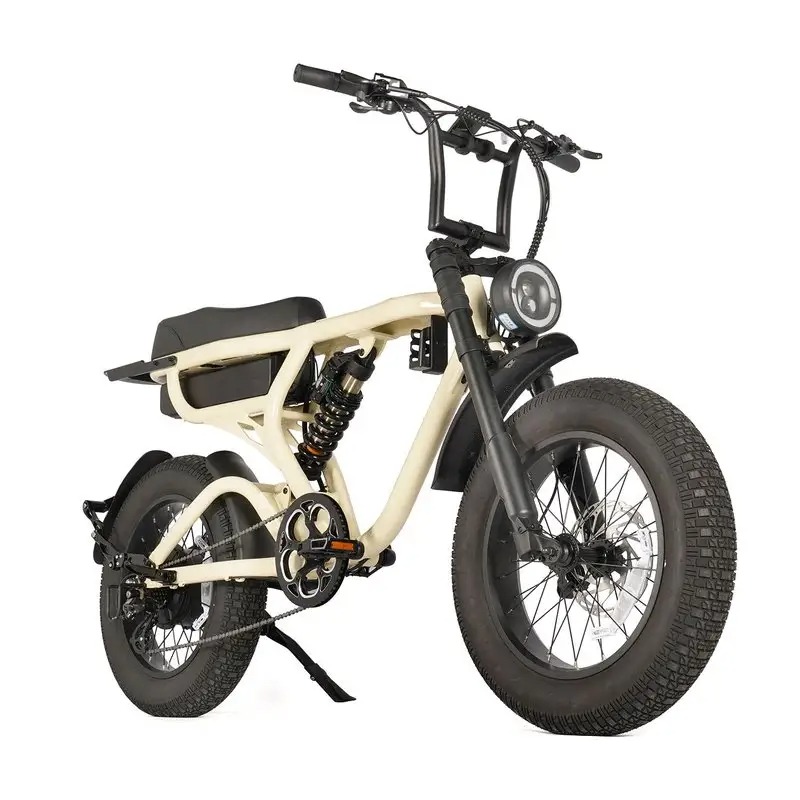
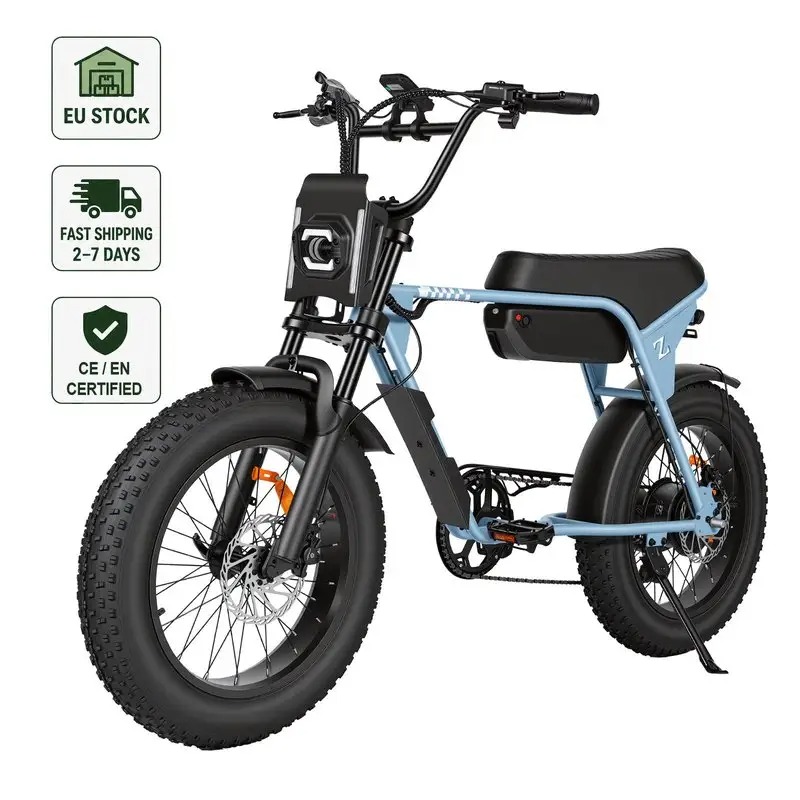
Commercial fleet operators continuously seek cost-effective transportation solutions that balance operational efficiency, environmental responsibility, and worker safety. An electric fat tire bike represents a modern answer to this challenge, offering unprecedented versatility for commercial fleets operating in diverse terrain and urban environments. These robust vehicles deliver exceptional traction, load capacity, and operational range while maintaining lower maintenance costs than traditional fleet vehicles.
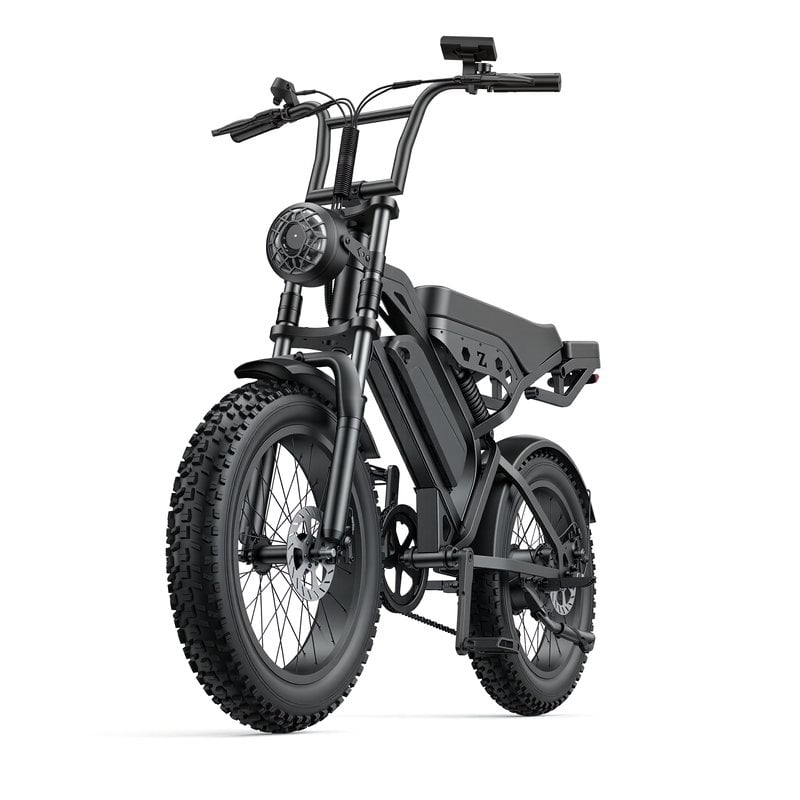
Commercial organizations across logistics, maintenance, security, and delivery sectors increasingly recognize that an adult fat tire electric bike integrates seamlessly into fleet operations. The combination of wide tire technology, electric propulsion, and modern battery systems creates a platform that performs reliably across mud, snow, sand, and pavement without requiring specialized infrastructure. This adaptability has transformed how companies approach last-mile delivery, property inspection, and facility maintenance tasks.
Urban delivery services benefit tremendously from off road fat tire electric bike technology. Delivery personnel navigate congested streets, sidewalks, and pedestrian zones faster than traditional methods while consuming zero emissions. The wide tire design absorbs shocks from curbs and potholes, reducing mechanical stress and extending vehicle lifespan. Companies report significant fuel cost reductions and improved delivery completion rates when integrating electric wide tire bikes into urban logistics operations.
Fleet managers observe that an electric fat tire bike eliminates parking challenges associated with larger vehicles. Riders reach destinations faster in congested areas, and the compact footprint allows deployment of more vehicles within the same operational budget. Insurance costs remain minimal compared to motorized vehicles, and battery charging infrastructure requires only standard electrical outlets at fleet depots.
Property management companies and facility maintenance teams deploy adult fat tire electric bikes for routine inspections and minor repairs across large campuses. The off road fat tire electric bike traverses unpaved service roads, landscaped areas, and rough terrain where regular vehicles cannot operate safely. Maintenance workers carry tools and small equipment while maintaining speed and efficiency across diverse surface conditions.
The fat tyre electric cycle configuration provides exceptional stability when workers navigate slopes, gravel paths, and temporary worksites. Fleet operators report reduced inspection cycle times because riders bypass traffic congestion and access remote locations directly. The electric propulsion system reduces physical fatigue, allowing workers to remain productive throughout longer shifts.
Commercial fleet adoption of electric wide tire bikes dramatically reduces per-unit operational costs. Each electric fat tire bike charges for approximately two dollars per cycle, compared to ten to twenty dollars in fuel costs for comparable vehicles. Battery replacement occurs once every three to five years, and maintenance needs remain minimal because electric drivetrains contain fewer moving components than combustion engines.
Fleet managers calculate return on investment within one to two years when replacing multiple vehicles with an off road fat tire electric bike fleet. Insurance premiums decrease substantially, and tire replacement cycles extend due to reduced overall vehicle weight and stress. The adult fat tire electric bike offers superior cost-per-mile metrics compared to motorcycles, scooters, or small commercial vehicles.
Organizations committed to sustainability targets achieve measurable emissions reductions through fleet electrification. Each fat tyre electric cycle eliminates direct emissions and reduces corporate carbon footprints significantly. Municipalities increasingly offer incentives and grant programs supporting commercial fleet electrification, making electric fat tire bike deployment a strategic investment in long-term operational permits and business licensing advantages.
Regulatory compliance becomes simpler when deploying electric wide tire bikes because these vehicles navigate legally defined bike lanes, pedestrian paths, and multi-use trails without violating traffic ordinances. Companies maintain positive community relationships while meeting municipal emissions targets and air quality improvement initiatives.
Modern adult fat tire electric bike platforms support payloads up to four hundred pounds, accommodating riders plus tools, packages, or equipment. The wide tire configuration distributes weight evenly, maintaining traction and stability across varied terrain. Battery systems deliver operational range between thirty and sixty miles per charge, providing adequate coverage for most commercial shift requirements without mid-day charging interruptions.
Off road fat tire electric bike designs feature reinforced frames and suspension systems engineered for consistent commercial use. Hydraulic disc brakes ensure reliable stopping power in wet or muddy conditions, and all-terrain tire compounds resist punctures and maintain grip on unpredictable surfaces. Fleet operators specify that electric fat tire bike performance remains consistent across seasons and weather variations.
Electric wide tire bikes require minimal maintenance compared to motorized fleet vehicles. Annual inspections include battery health assessments, brake pad evaluation, and tire pressure verification. The absence of oil changes, engine overhauls, and complex fuel systems reduces training requirements for fleet maintenance personnel, allowing existing staff to manage larger fleets efficiently.
Fleet durability testing demonstrates that quality adult fat tire electric bikes withstand five to seven years of intensive commercial use. Component warranties typically cover battery performance and drivetrain reliability for two to three years. Parts availability remains strong because fat tyre electric cycle technology continues gaining commercial adoption across diverse industries and geographic regions.
Successful commercial adoption requires strategic fleet sizing and charging infrastructure planning. Organizations typically deploy mixed fleets combining electric fat tire bikes with traditional vehicles, allocating specific routes to electric units based on distance, terrain, and schedule requirements. An off road fat tire electric bike suits shorter routes with multiple stops, while longer intercity routes retain traditional vehicles until battery technology advances further.
Charging stations at fleet depots require minimal infrastructure investment. Level 2 chargers installed in covered storage areas enable overnight charging for daily operations. Fleet managers optimize scheduling to complete charging during non-operational hours, ensuring maximum vehicle availability during peak business periods.
Companies implementing adult fat tire electric bike fleets establish comprehensive rider training programs addressing safe operation, maintenance awareness, and route planning. Operators learn brake modulation, load balancing, and terrain assessment techniques specific to fat tyre electric cycle performance. Safety equipment requirements include helmets, visibility vests, and secure cargo restraints matching existing corporate safety standards.
Fleet managers establish usage policies defining appropriate routes, weather conditions, and operational limitations for each employee category. Insurance carriers provide guidance on liability coverage and worker compensation considerations specific to commercial electric fat tire bike deployment. Documented training records and safety compliance metrics demonstrate organizational commitment to worker protection.
Modern adult fat tire electric bikes support payloads between three hundred and four hundred pounds, accommodating most delivery packages, tools, and equipment combinations. The wide tire design distributes weight evenly across terrain, maintaining traction and stability during operational use. Fleet operators should verify specific model specifications because payload capacity varies by frame design and battery configuration. Weight distribution practices ensure optimal performance and component longevity.
Electric wide tire bikes maintain reliable performance in rain, snow, and mud because the all-terrain tire compound provides consistent traction across varied surface conditions. Hydraulic disc brakes function effectively when wet, and battery systems remain protected from moisture exposure. Off road fat tire electric bike designs incorporate weatherproof electrical connections and sealed components preventing water infiltration. Fleet operators report consistent winter performance, though battery range decreases slightly during extremely cold weather.
Quality batteries in commercial fat tyre electric cycles maintain eighty percent capacity after one thousand complete charge cycles, typically representing three to five years of intensive commercial use. Environmental factors including ambient temperature and charging practices affect battery longevity. Most manufacturers warrant battery performance for two to three years, and replacement batteries cost between four hundred and eight hundred dollars. Fleet managers incorporate planned battery replacement into multi-year operational budgets.
2026/08/03
Fix time zones, language gaps, and unclear protocols—boost speed, cut costs, and scale confidently.
2026/08/03
Avoid liability & import bans: Learn IEC 62619, UN 38.3, and UL 2271—plus how to verify real compliance (not fakes).
2026/08/03
Learn precise air pressure, rebound & compression tuning for optimal suspension performance. Get pro-level setup tips now.
2026/08/03
Discover how voltage drop saps performance—and proven fixes to restore responsiveness, range, and battery life. Read now.
2026/08/03
Discover data-backed protocols, smart infrastructure & operational fixes. Optimize now.
2026/08/03
How payload cuts 48V cargo ebike range by 15–50%+ — backed by real-world degradation curves, motor load science & fleet optimization strategies.
Comprehensive warranty, fast parts shipping, remote diagnostics and local dealer training


