 EN
EN
STEP 1
Full vehicle warranty for 2 years
2026/08/31
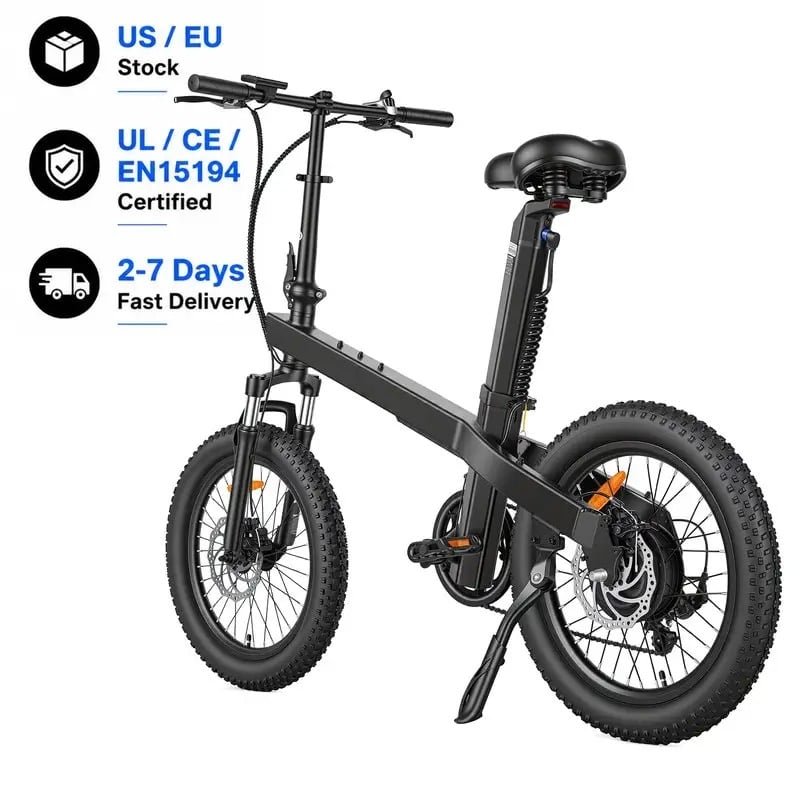
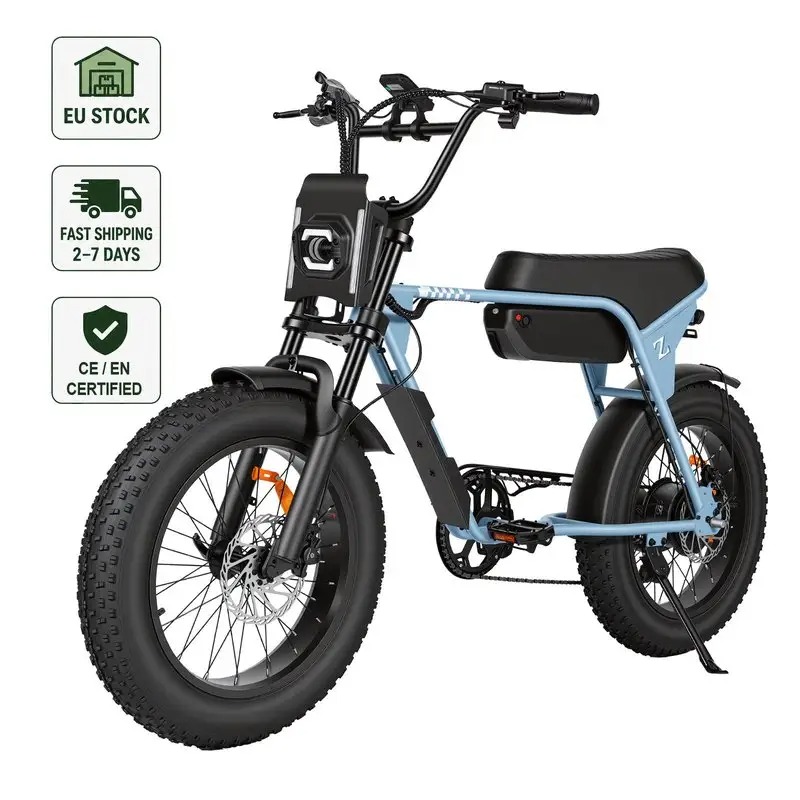
Commercial rental operations require vehicles that combine durability, accessibility, and broad market appeal. A 20 inch fat tire electric bike fleet delivers exactly these attributes, offering operators a compact yet robust solution for urban and mixed-terrain deployments. Unlike larger models, a 20 inch fat tire ebike balances portability with performance, making it ideal for rental businesses seeking to maximize operational efficiency and customer satisfaction across diverse rider demographics.
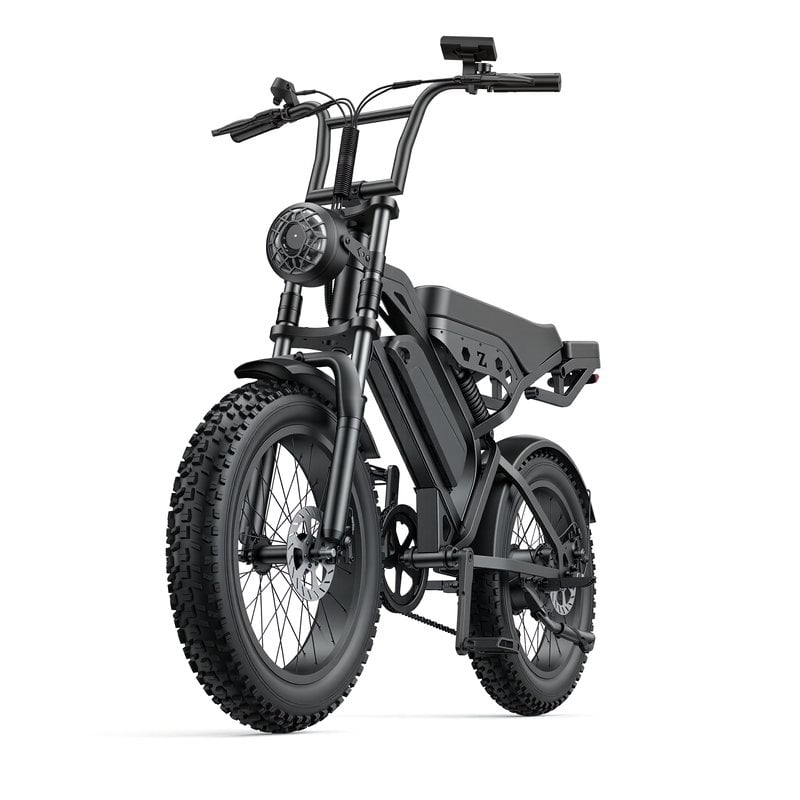
Deploying a commercial rental fleet requires careful selection of equipment that withstands frequent use, minimizes downtime, and appeals to a wide customer base. The 20 inch fat tire electric bike has emerged as a strategic choice for rental operators worldwide, combining the agility of smaller frames with the traction and comfort of fat tires. This format enables businesses to serve diverse customer segments while maintaining predictable maintenance costs and strong unit economics.
The foundation of a successful rental deployment begins with accurately sizing your fleet. A 20 fat tire ebike fleet typically ranges from 10 to 100 units depending on market size, seasonal demand, and geographic service area. Urban rental operators often find that 20 to 50 bikes cover peak-hour demand without excessive capital investment or storage burden. Each additional unit must justify its cost through utilization rates, so starting with demand forecasts and local competitor analysis ensures optimal allocation of rental inventory.
Equipment selection extends beyond the bike model to include charging infrastructure, maintenance stations, and tracking systems. A small fat tire electric bike frame accommodates riders of varied heights and builds, broadening your customer demographic. Battery capacity should align with typical rental trip duration; most rental trips average 30 to 90 minutes, so selecting models with 40 to 60 mile range addresses nearly all use cases. Hydraulic disc brakes, robust frames, and sealed drivetrains reduce maintenance frequency and extend component life under heavy rental cycling.
Standardizing on a single 20 inch fat tire folding electric bike model simplifies spare parts inventory, staff training, and warranty management. When all units share the same frame geometry, motor type, and battery specification, technicians become more efficient, repairs happen faster, and customers experience consistent handling characteristics. Establishing a direct relationship with a single OEM or ODM supplier enables volume discounts, priority support, and custom configurations that align with your rental brand identity and operational constraints.
Negotiating fleet pricing requires transparency about unit volumes, deployment timeline, and long-term growth plans. Suppliers often offer tiered discounts for orders of 25, 50, or 100 units, so presenting a multi-year purchasing roadmap strengthens your negotiating position. Extended warranty coverage, replacement unit agreements, and priority logistics become standard terms for serious fleet operators, reducing risk and ensuring supply continuity during peak seasons.
A 20 inch fat tire ebike fleet requires strategic charging infrastructure to maintain availability during operating hours. Charging stations should be distributed across your service territory, with primary hubs at rental stations and secondary locations at high-traffic destinations. Most rental operators implement staggered charging protocols, rotating bikes off-duty during low-demand periods to top up battery levels. Smart charging systems that monitor individual battery health prevent degradation and extend overall fleet lifespan by 12 to 18 months compared to random charging practices.
Battery longevity directly impacts fleet profitability. Lithium-ion batteries in small fat tire electric bike units typically survive 500 to 800 charge cycles under proper management. Establishing a replacement schedule around 3 to 4 years of service prevents unexpected failures during peak rental season. Tracking battery performance metrics through fleet management software identifies underperforming units early, allowing predictive maintenance that reduces customer complaints and maximizes asset utilization rates.
Daily inspections catch brake wear, tire pressure loss, and chain lubrication issues before they affect customer experience. A 20 inch fat tire folding electric bike configuration demands attention to folding hinge mechanisms, which experience repeated stress during storage and transport. Establishing a maintenance calendar with daily pre-ride checks, weekly deep inspections, and monthly component overhauls keeps downtime predictable and controllable. Trained technicians should log all maintenance activities in your fleet management system, creating a data record that informs spare parts purchasing and equipment replacement decisions.
Tire maintenance represents a significant operational cost for fat tire fleets. Wide tires require periodic pressure checks and occasional replacements, but their durability on rough urban terrain reduces overall tire expenses compared to standard-width alternatives. Lubricating chain and drivetrain components weekly prevents corrosion and extends motor efficiency. Brake inspection every two weeks ensures consistent stopping power, a critical safety and liability consideration for rental operators in mixed-traffic environments.
Pricing a 20 fat tire ebike rental service requires understanding local mobility demand, competitor rates, and trip distance patterns. Urban markets support premium pricing for compact electric bikes, with hourly rates ranging from 12 to 18 dollars depending on market maturity. Daily passes and membership programs reduce per-trip acquisition costs and stabilize revenue streams. Demand forecasting models, updated monthly based on weather patterns and local events, guide seasonal bike redistribution and temporary fleet size adjustments that maximize revenue during peak periods.
A small fat tire electric bike appeals strongly to first-time electric bike users and riders concerned about maneuverability in crowded urban spaces. Marketing messaging should emphasize the accessibility, fun factor, and practical advantages of a compact platform, differentiating your fleet from larger alternatives. Partnerships with hotels, tourism boards, and corporate wellness programs create steady rental demand that smooths seasonal volatility and improves unit utilization rates across the calendar year.
Customer satisfaction directly correlates with fleet reliability and bike condition. A 20 inch fat tire electric bike fleet experiencing mechanical issues or poor maintenance generates negative reviews, reduces repeat customers, and diminishes word-of-mouth referrals. Implementing real-time condition reporting through your mobile app allows customers to reserve bikes in excellent condition and provides operators with targeted maintenance data. Clean bikes, working lights, responsive brakes, and comfortable seating become competitive advantages that justify premium pricing and build customer loyalty over time.
Building a retention program around your fat tire ebike fleet encourages repeat rentals and increases customer lifetime value. Loyalty points, referral bonuses, and exclusive member pricing create emotional investment in your brand. Collecting feedback on bike performance, comfort, and desired features informs decisions about fleet upgrades and helps you stay ahead of competitor innovations. Monthly engagement surveys and seasonal promotions keep your rental service top-of-mind for customers seeking convenient urban mobility solutions.
Initial capital investment depends on fleet size and supporting infrastructure. A starter fleet of 25 bikes typically requires 25,000 to 40,000 dollars for bike units, charging stations, storage facilities, tracking systems, and initial training. Operating costs including maintenance, battery replacement, insurance, and staff average 1,500 to 2,500 dollars per bike annually. Profitability timelines range from 18 to 36 months depending on utilization rates and local pricing power, making careful financial modeling essential before deployment.
Folding capability adds significant value for rental operators who need flexible storage, transportation between service locations, and compatibility with multi-modal mobility networks. A 20 fat tire ebike frame fits standard compact car trunks and van storage systems, reducing facility overhead. Riders value the folding feature for last-mile connectivity and secure transport on public transit. This versatility attracts a broader customer base and justifies pricing premiums compared to non-folding fat tire alternatives while maintaining operational efficiency.
Fat tire fleets experience accelerated drivetrain wear due to higher rolling resistance and heavy customer use. Battery aging becomes the most significant long-term cost driver, requiring planned replacement cycles every 3 to 4 years. Brake wear, tire replacements, and controller repairs cluster into high-cost periods that sophisticated fleet operators anticipate through preventative maintenance tracking. Establishing relationships with trusted technicians and maintaining adequate spare parts inventory prevents extended downtime that undermines profitability and customer satisfaction during peak seasons.
2026/08/03
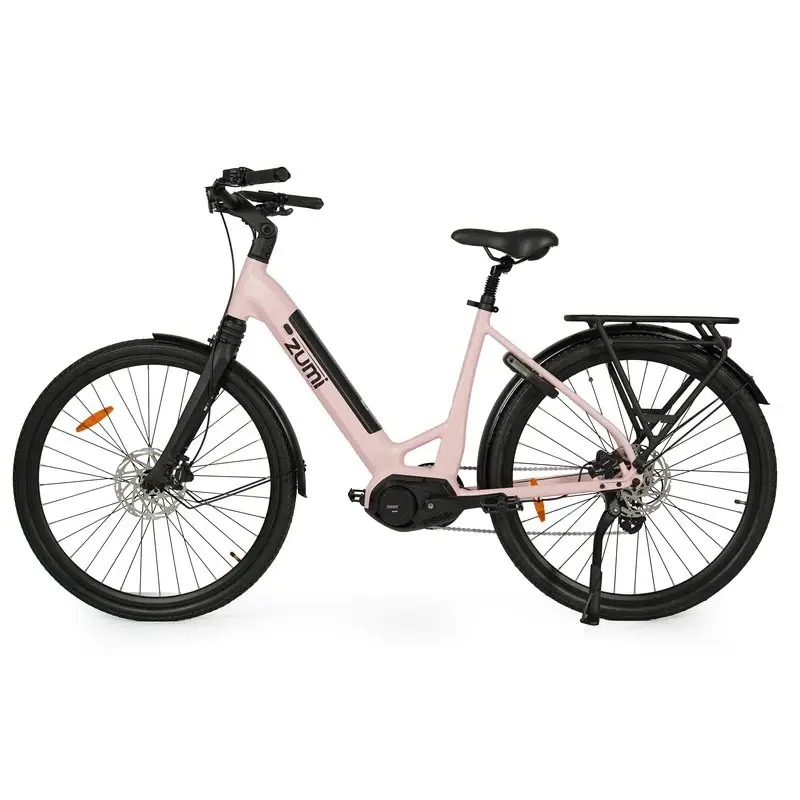
Fix time zones, language gaps, and unclear protocols—boost speed, cut costs, and scale confidently.
2026/08/03
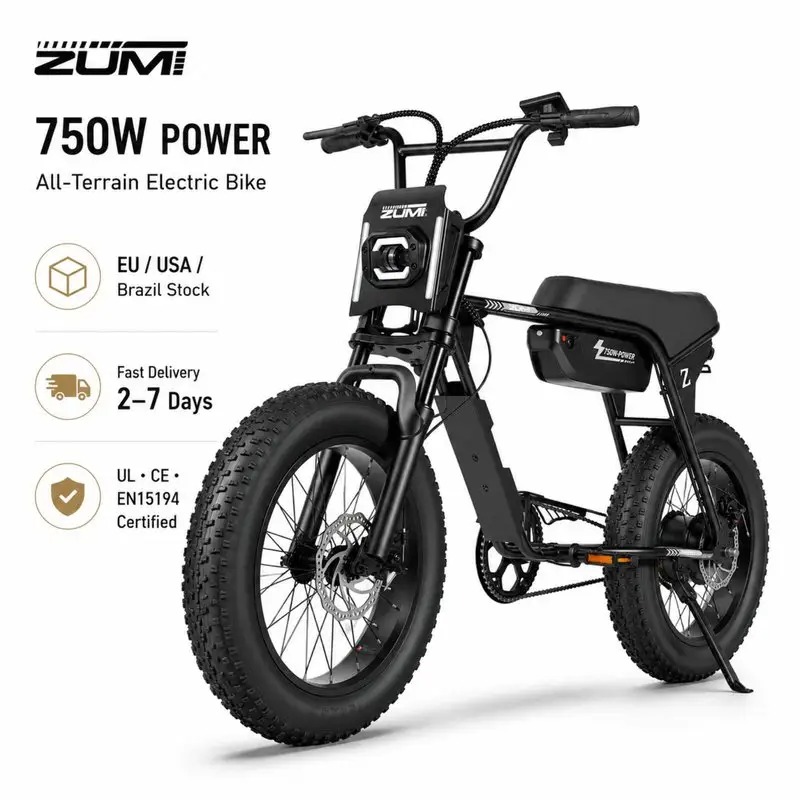
Avoid liability & import bans: Learn IEC 62619, UN 38.3, and UL 2271—plus how to verify real compliance (not fakes).
2026/08/03
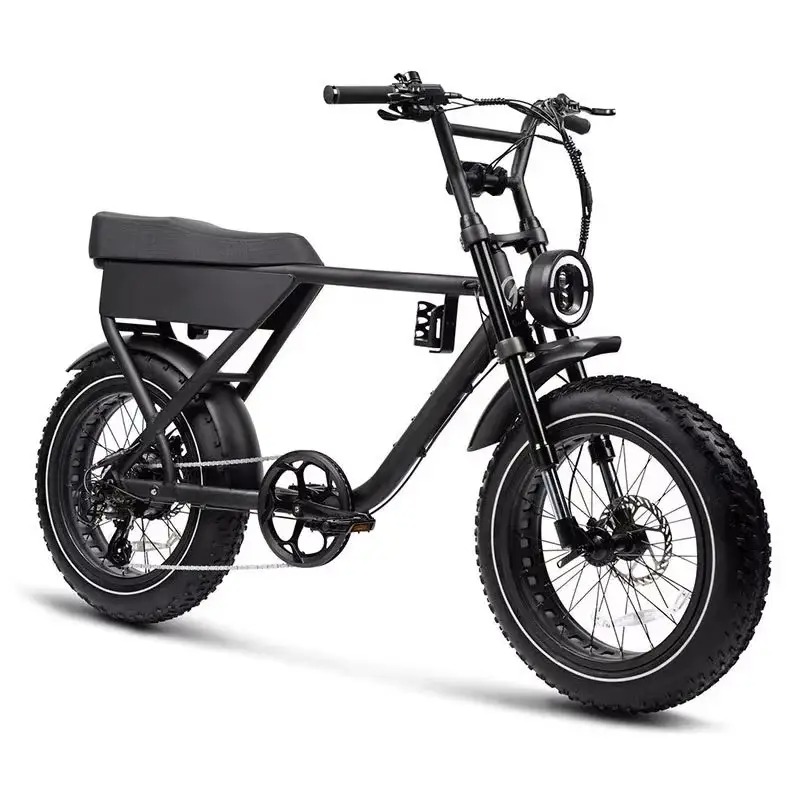
Learn precise air pressure, rebound & compression tuning for optimal suspension performance. Get pro-level setup tips now.
2026/08/03
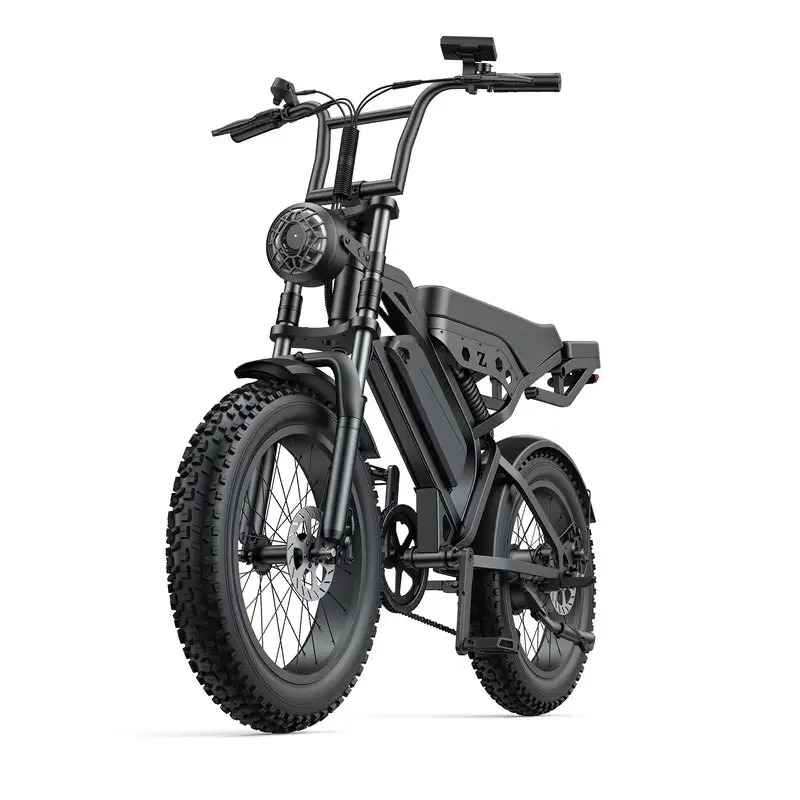
Discover how voltage drop saps performance—and proven fixes to restore responsiveness, range, and battery life. Read now.
2026/08/03
Discover data-backed protocols, smart infrastructure & operational fixes. Optimize now.
2026/08/03
How payload cuts 48V cargo ebike range by 15–50%+ — backed by real-world degradation curves, motor load science & fleet optimization strategies.
Comprehensive warranty, fast parts shipping, remote diagnostics and local dealer training


