 EN
EN

STEP 1
Full vehicle warranty for 2 years
2026/08/19
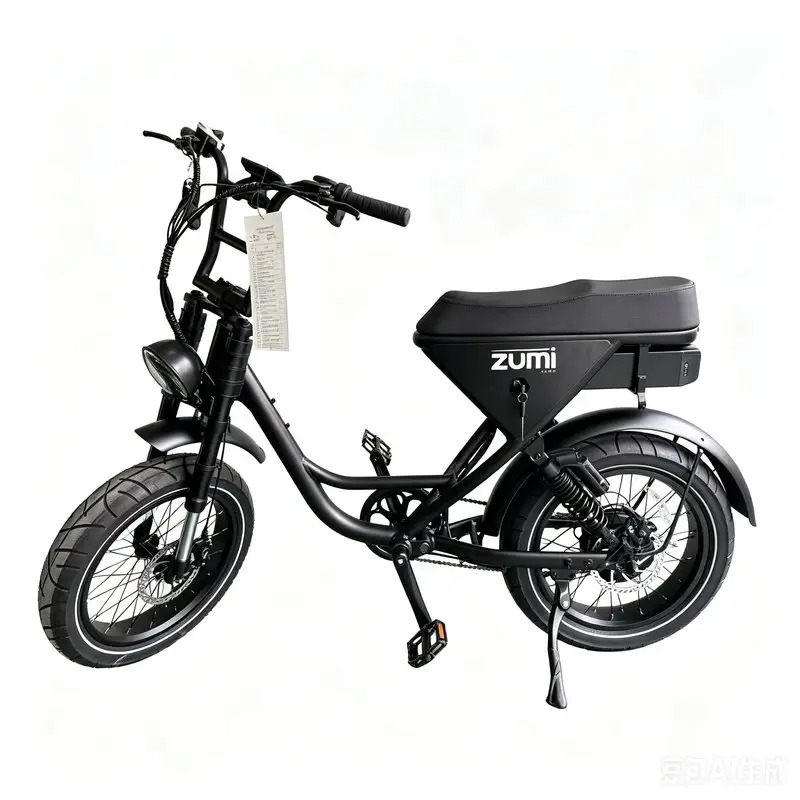
Choosing between a commuter electric bike and an e-scooter for a 10-mile daily journey requires careful evaluation of comfort, distance capability, weather resistance, and overall practicality. Both options have gained traction in urban and suburban commuting, yet they serve different rider preferences and environmental conditions. For professionals covering significant distances each workday, the choice directly impacts arrival time, physical exertion, safety, and long-term satisfaction with your commute solution.
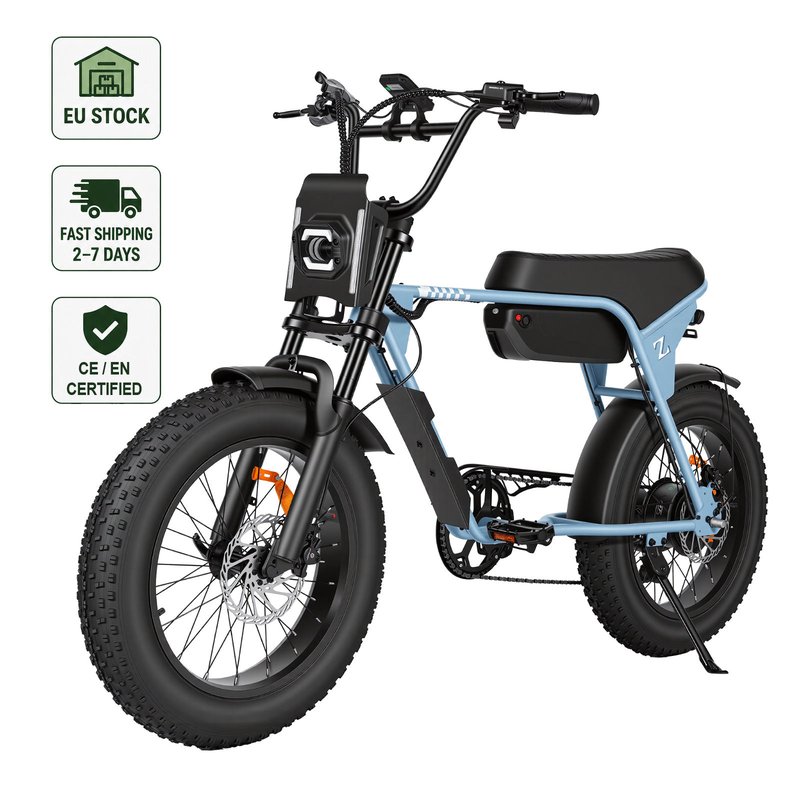
A 10-mile commute sits at the intersection of distance practicality for both technologies. E-scooters excel at nimble navigation and parking convenience in dense urban settings, but sustained speed performance, range reliability, and rider comfort over longer distances favor the electric assist commuter bike. Understanding the strengths and limitations of each option ensures you invest in a solution aligned with your commute terrain, weather patterns, and personal comfort needs.
Most standard e-scooters deliver 15 to 25 miles of range under ideal conditions, meaning a 10-mile commute consumes 40 to 66 percent of the battery. Factors like rider weight, terrain incline, wind resistance, and cold weather significantly reduce real-world range. For a commute requiring the scooter to return or handle unexpected detours, you face genuine risk of insufficient charge. The city commuter electric bike, by contrast, typically offers 30 to 50 miles of range per charge, providing a comfortable safety margin for 10-mile journeys and enabling flexibility for route variations without anxiety about battery depletion.
When shopping for a commuter ebike for sale, higher-capacity batteries and motor systems become accessible at various price points. Premium electric assist commuter bike models frequently feature dual batteries, regenerative braking, or energy-efficient motors that extend range well beyond scooter capability. This expanded range means you travel confidently, handle unexpected delays, and avoid the mental burden of constant battery monitoring. Over 200 working days annually, the psychological comfort of reliable range translates to reduced commute stress and improved work productivity.
A city commuter electric bike keeps you seated with pedaling engagement, distributing physical effort and enabling natural leg movement. Standing on an e-scooter platform for 20 to 30 minutes intensifies vibration transfer to joints, reduces core engagement, and creates fatigue in legs and lower back. For a 10-mile journey, seated comfort becomes measurable and impacts how you arrive at work or meetings. An ebike commuter bike's saddle and pedal configuration reduce impact strain, improve blood circulation, and allow you to modulate effort based on terrain and personal energy levels.
E-scooters transmit road vibration directly through the platform to your feet and spine, especially on uneven pavement. Electric assist commuter bikes use wheels, tires, and suspension systems specifically engineered to absorb shock and smooth ride quality. This advantage becomes critical during rainy commutes, pothole-filled streets, or rough surfaces common in many cities. A quality commuter ebike for sale often includes hydraulic disc brakes, wider tires, and frame geometry designed for daily durability and comfort.
E-scooters present significant safety and mechanical hazards during rain. Wet platforms reduce traction, water damage compromises electrical components, and reduced stopping power makes braking unpredictable. Cold temperatures shrink battery capacity dramatically, sometimes cutting range by 30 to 40 percent. Most scooter manufacturers recommend avoiding heavy rain and warn against cold-weather use, essentially limiting scooter commuting to dry seasons in many climates.
An electric assist commuter bike handles rain through design features like fender coverage, sealed electrical connectors, and water-resistant components. Riders can apply mud guards, use lights with wet-weather brightness, and maintain traction through proper tire selection. Even during cold months, battery performance remains functional, though slightly reduced. The city commuter electric bike transforms seasonal weather from a limitation into a manageable variable, enabling consistent commuting regardless of season.
Most jurisdictions classify an ebike commuter bike as a bicycle when motor power stays under defined thresholds, granting legal access to bike lanes and multi-use paths. E-scooters face inconsistent regulation; many cities restrict them to roads or designated zones, sometimes prohibiting them from bike lanes entirely. This legal ambiguity creates commuting uncertainty and potential fines. A commuter ebike for sale typically aligns with existing cycling infrastructure, offering stable legal footing for daily use.
E-scooter accidents often result in severe falls because riders lack natural grounding reflexes when standing on a small platform. Ebike riders use pedals for balance, can place feet on ground while seated, and benefit from larger wheelbase stability. During a 10-mile commute with traffic interactions, weather variations, and route obstacles, the structural safety of an electric assist commuter bike reduces injury risk substantially.
Yes, a quality city commuter electric bike is purpose-built for 10-mile commutes and typically offers 30 to 50 miles of range per charge. Most riders complete 10-mile journeys using less than 20 percent of battery capacity, allowing frequent commutes on a single charge. Many models support convenient overnight charging, ensuring readiness for daily use.
An electric assist commuter bike delivers superior comfort through seated positioning, better weather resistance, improved stability, legal clarity, and extended battery range. E-scooters excel at short trips and packed portability but struggle with distance comfort and reliability. For 10-mile commutes, the commuter ebike for sale offers better long-term satisfaction and practical performance.
Prioritize battery capacity of at least 400 to 500 watt-hours, motor power between 250 to 750 watts, integrated lights, fenders, and reliable braking systems. Look for models with reviews emphasizing durability, customer support, and real-world range validation. Test ride multiple city commuter electric bike options to confirm comfort and handling match your specific route terrain and personal preferences.
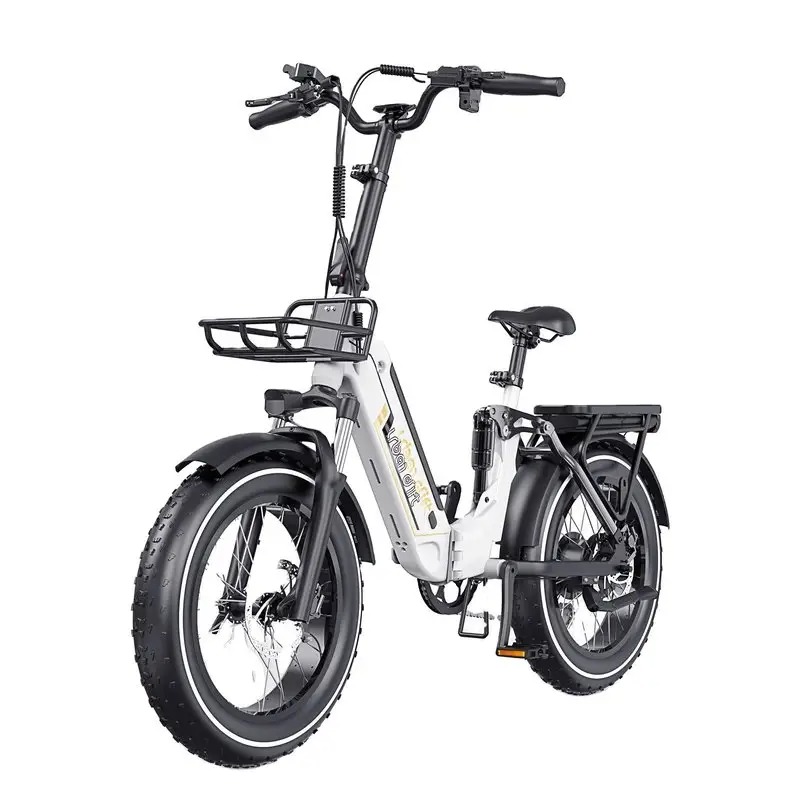
2026/08/03
Fix time zones, language gaps, and unclear protocols—boost speed, cut costs, and scale confidently.
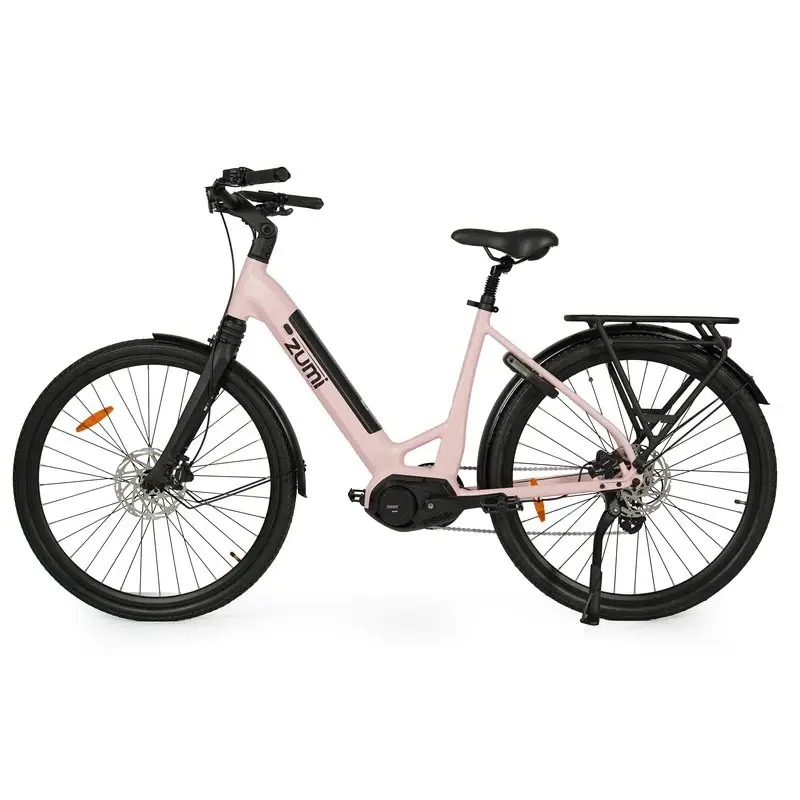
2026/08/03
Avoid liability & import bans: Learn IEC 62619, UN 38.3, and UL 2271—plus how to verify real compliance (not fakes).
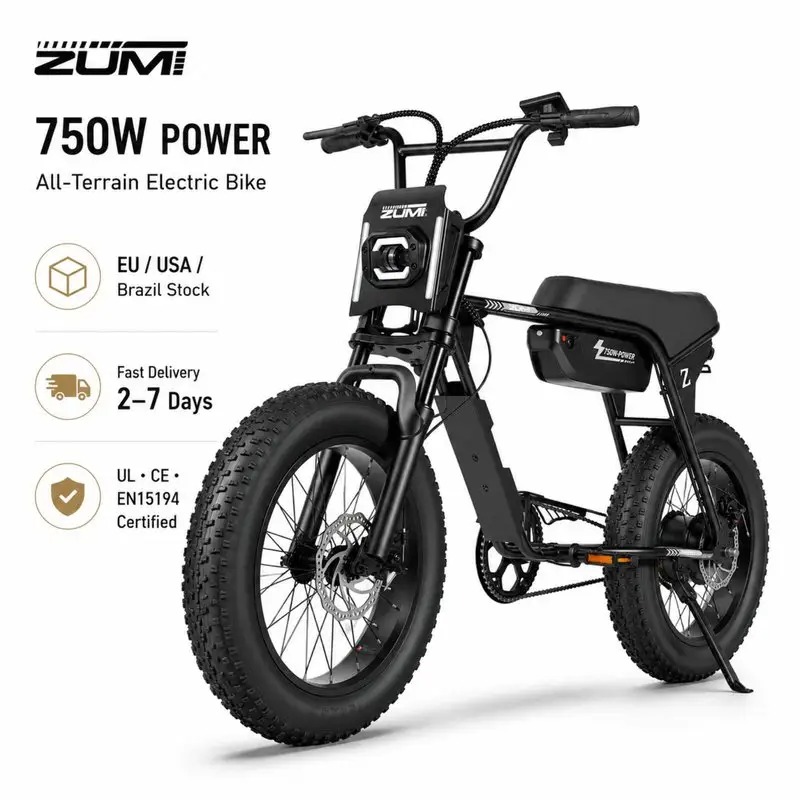
2026/08/03
Learn precise air pressure, rebound & compression tuning for optimal suspension performance. Get pro-level setup tips now.
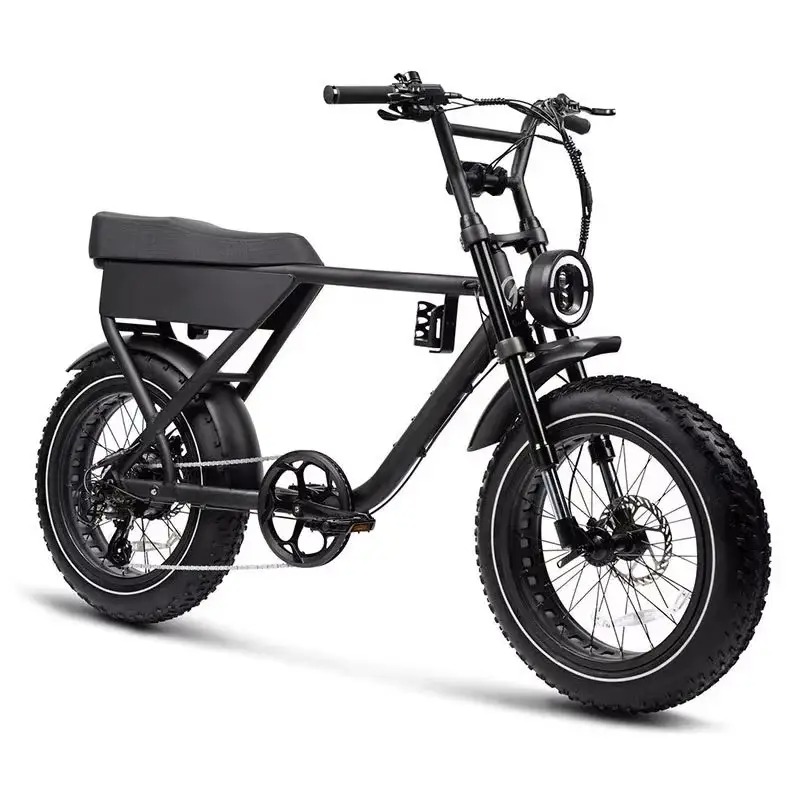
2026/08/03
Discover how voltage drop saps performance—and proven fixes to restore responsiveness, range, and battery life. Read now.
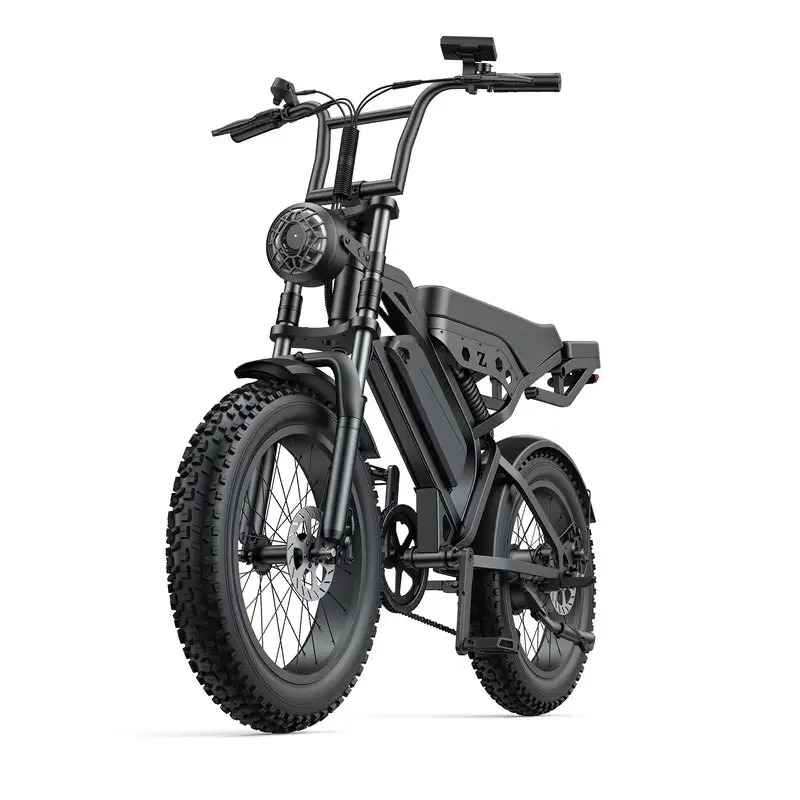
2026/08/03
Discover data-backed protocols, smart infrastructure & operational fixes. Optimize now.
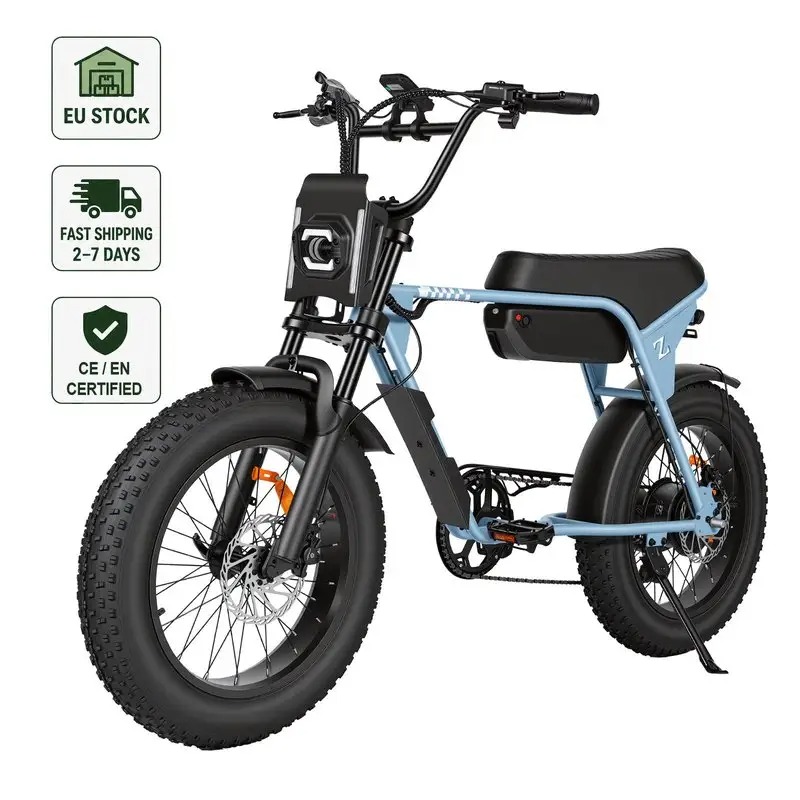
2026/08/03
How payload cuts 48V cargo ebike range by 15–50%+ — backed by real-world degradation curves, motor load science & fleet optimization strategies.
Comprehensive warranty, fast parts shipping, remote diagnostics and local dealer training


