 EN
EN
STEP 1
Full vehicle warranty for 2 years
2026/08/17
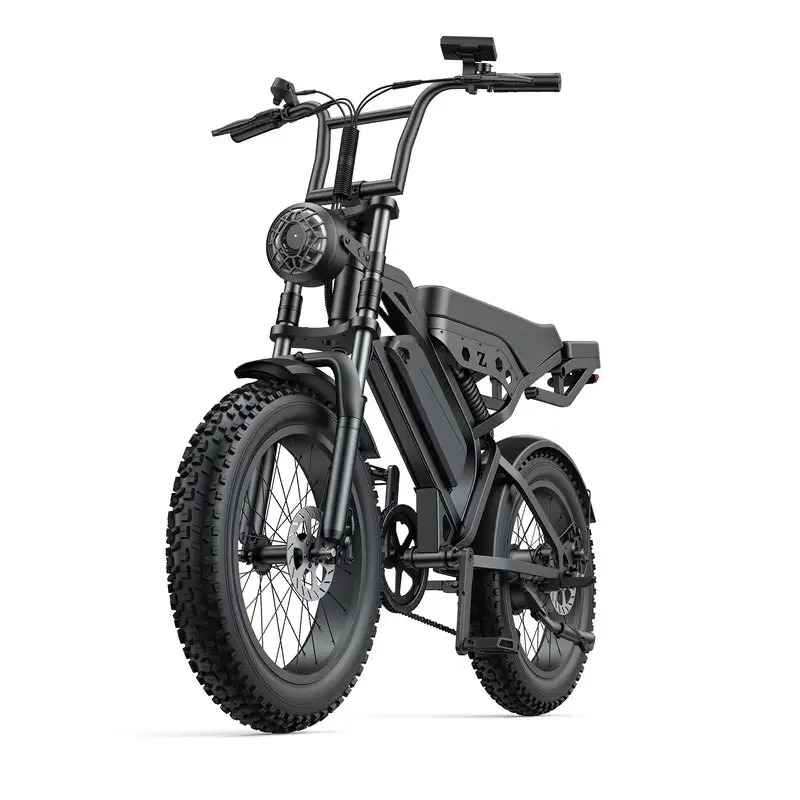
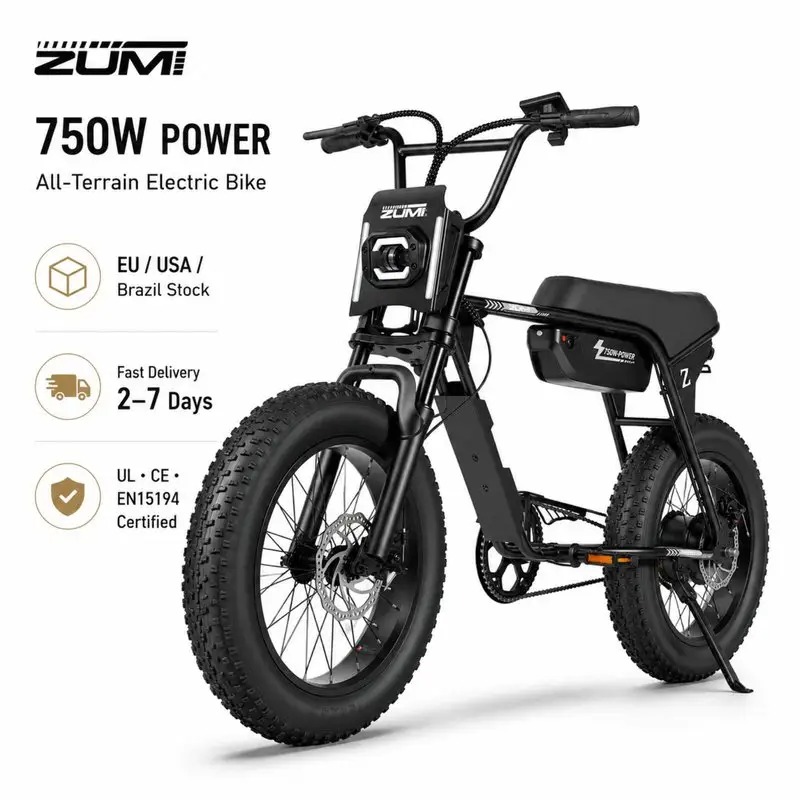
Commuting on a 750w electric bike has transformed urban and suburban transportation. However, simply owning a powerful e-bike is not enough to ensure an efficient, enjoyable daily commute. Strategic route optimization can dramatically improve your battery range, reduce travel time, and enhance overall riding experience. Whether you are commuting five miles or fifty, understanding how to plan your route specifically for your 750 watt electric bikes for sale makes the difference between a rushed journey and a smooth, energy-efficient ride.
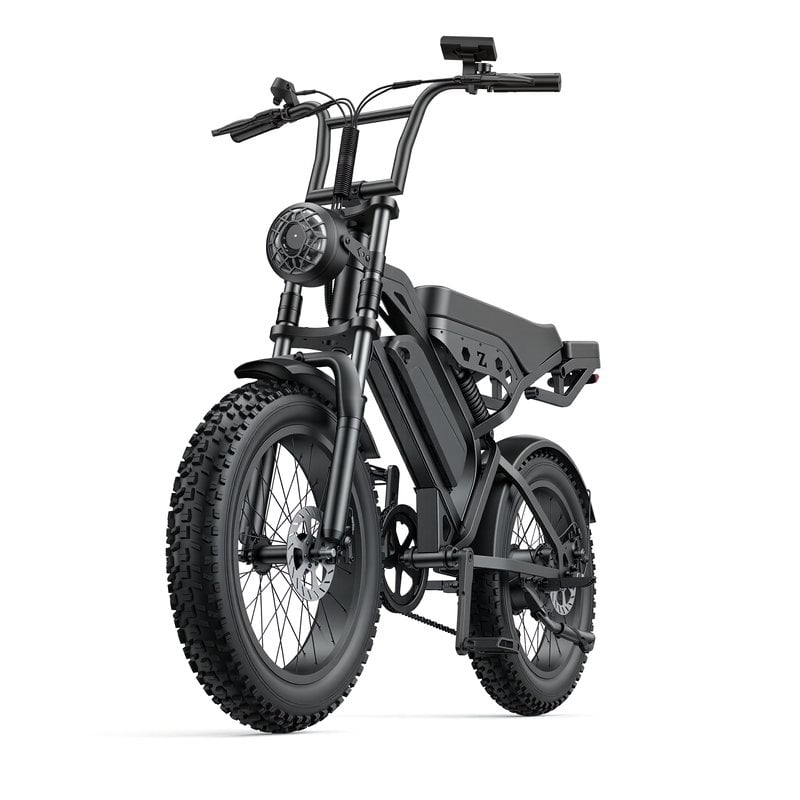
A 750w ebike delivers substantial power, but that power only translates to real commute value when paired with intelligent route selection. Route optimization is not just about finding the shortest path. It encompasses terrain analysis, traffic pattern assessment, infrastructure compatibility, and energy management strategies tailored to your specific 750w fat tire ebike model. This article provides practical guidance on designing commute routes that maximize efficiency, minimize fatigue, and extend battery life for your e bike 750 w journey.
Terrain dramatically affects how efficiently your 750w electric bike consumes battery capacity. Steep uphill sections demand maximum motor assistance, draining your battery much faster than flat ground. Conversely, rolling hills allow your motor to engage selectively, conserving power between ascents. When planning your route, map the elevation profile using online tools or dedicated e-bike apps. Identify unavoidable hills and determine whether alternative roads with gentler gradients exist within reasonable detours. For 750 watt electric bikes for sale, knowing your specific model's torque rating helps predict hill-climbing capability and battery drain rates at different inclines.
Surface quality matters equally. Smooth asphalt allows your 750w ebikes to roll efficiently with minimal resistance, while rough pavement, gravel, or unpaved sections force your motor to work harder. Even subtle textural differences accumulate over longer commutes. A 750w fat tire ebike excels on mixed terrain because its wide tires distribute weight better and grip rough surfaces. However, if your commute primarily uses smooth paths, consider whether fat tires are necessary for your specific route. Analyze whether staying on paved surfaces throughout your journey could reduce total motor demand and extend your e bike 750 w range.
Beyond terrain, infrastructure compatibility shapes commute efficiency. Dedicated bike lanes separate from car traffic reduce the need for constant acceleration and deceleration. Frequent traffic lights at intersections force your motor to constantly restart, consuming power inefficiently. When optimizing routes, prioritize roads with fewer traffic signals, smoother traffic flow, and dedicated cycling infrastructure. Many cities offer bike-commute planning resources that highlight low-traffic corridors. Your 750 watt electric bikes for sale can accelerate quickly from stops, but minimizing stop-and-go patterns preserves battery reserves for the entire commute.
Time-based routing also matters significantly. Commuting during off-peak hours means less congestion, fewer forced stops, and more consistent speeds. A 750w ebike operates most efficiently at steady speeds rather than constant acceleration. Morning commutes might face rush-hour congestion, while evening routes might encounter less traffic. Even shifting your commute time by thirty minutes can reduce total ride duration and motor strain. Document traffic patterns on your potential routes during your typical commute windows. Your 750w fat tire ebike's performance metrics improve substantially when sustained at constant velocity rather than subjected to irregular acceleration patterns.
Understanding how to maximize your e bike 750 w battery capacity requires practical energy management during your commute. Pedal-assist levels directly influence power consumption. Riding at higher assistance levels draws more battery power, while lower levels demand more human pedaling but preserve battery life. Many 750 watt electric bikes for sale feature variable power modes. Rather than riding at maximum assist throughout, use lower modes on flat sections and reserve high power for hills or when fatigue sets in. This balanced approach extends your range and prevents mid-commute power depletion.
Regenerative braking, available on some 750w ebikes, recovers energy during descents and heavy braking. When descending long hills, minimize aggressive braking to allow the motor to slow you gradually, capturing that energy back into your battery. Plan routes that incorporate downhill sections after climbing, leveraging regenerative charging to offset uphill battery drain. Additionally, maintain consistent tire pressure and perform regular maintenance on your 750w fat tire ebike. Under-inflated tires increase rolling resistance dramatically, forcing your motor to work harder and draining battery faster. A well-maintained drivetrain and properly pressurized tires can extend your actual range by ten to fifteen percent compared to neglected equipment.
Weather conditions significantly influence 750w electric bike commuting efficiency. Cold temperatures reduce battery capacity temporarily, sometimes cutting range by twenty percent or more. Winter routes should account for shorter effective range and prioritize roads with better maintenance and snow clearance. Heavy wind exposure on exposed roads increases motor demand; sheltered routes with tree coverage reduce air resistance. Rain requires slower speeds and longer braking distances, so rainy-day routes should avoid steep descents and maintain greater margins for safety.
Seasonal changes warrant route reconsideration. Summer might permit longer detours through scenic areas because heat optimizes battery performance. Winter demands direct routes to conserve limited range. Spring and fall transitions provide moderate conditions ideal for testing new route variations. Your 750w fat tire ebike handles diverse weather well, but intelligent route planning adapts to seasonal realities. Document your actual range performance across seasons on your current commute route, then use that baseline data to evaluate alternative paths during different weather patterns.
Typical 750 watt electric bikes for sale achieve 25 to 50 miles per charge, depending on battery capacity, terrain, assistance levels, and rider weight. Urban commutes with frequent stops generally yield lower range than steady highway speeds. Your specific 750w fat tire ebike range varies based on battery chemistry and capacity. Testing your actual range on your planned commute route under real conditions provides the most accurate prediction. Route optimization extends this range significantly by minimizing energy-waste scenarios like unnecessary acceleration and climbing steep hills.
Forty-mile commutes exceed the single-charge range of most 750w ebikes. However, splitting the commute by charging at a workplace or finding mid-route charging opportunities makes extended commutes feasible. Some riders use dual-battery systems or portable chargers for long distances. Route optimization for such commutes focuses on minimizing elevation gain, avoiding traffic delays, and maintaining steady speeds. If you consistently require forty-mile range, consider whether a higher-capacity battery or electric bike 750 w model with range-extension features better suits your commuting needs.
When evaluating 750 watt electric bikes for sale, prioritize battery capacity, motor efficiency, braking quality, and terrain suitability for your specific commute. A 750w fat tire ebike offers exceptional stability on mixed surfaces but adds weight that reduces overall range. Lighter frame designs with the same power suit smooth urban commutes. Quality hydraulic brakes are essential because motor power requires reliable stopping capability. Weather resistance and maintenance accessibility matter for daily commuting reliability. Your chosen route characteristics should guide feature selection. Test different models on your actual commute path before purchasing to verify performance matches your real-world optimization needs.
2026/08/03
Fix time zones, language gaps, and unclear protocols—boost speed, cut costs, and scale confidently.
2026/08/03
Avoid liability & import bans: Learn IEC 62619, UN 38.3, and UL 2271—plus how to verify real compliance (not fakes).
2026/08/03
Learn precise air pressure, rebound & compression tuning for optimal suspension performance. Get pro-level setup tips now.
2026/08/03
Discover how voltage drop saps performance—and proven fixes to restore responsiveness, range, and battery life. Read now.
2026/08/03
Discover data-backed protocols, smart infrastructure & operational fixes. Optimize now.
2026/08/03
How payload cuts 48V cargo ebike range by 15–50%+ — backed by real-world degradation curves, motor load science & fleet optimization strategies.
Comprehensive warranty, fast parts shipping, remote diagnostics and local dealer training


