 EN
EN

STEP 1
Full vehicle warranty for 2 years
2026/08/11
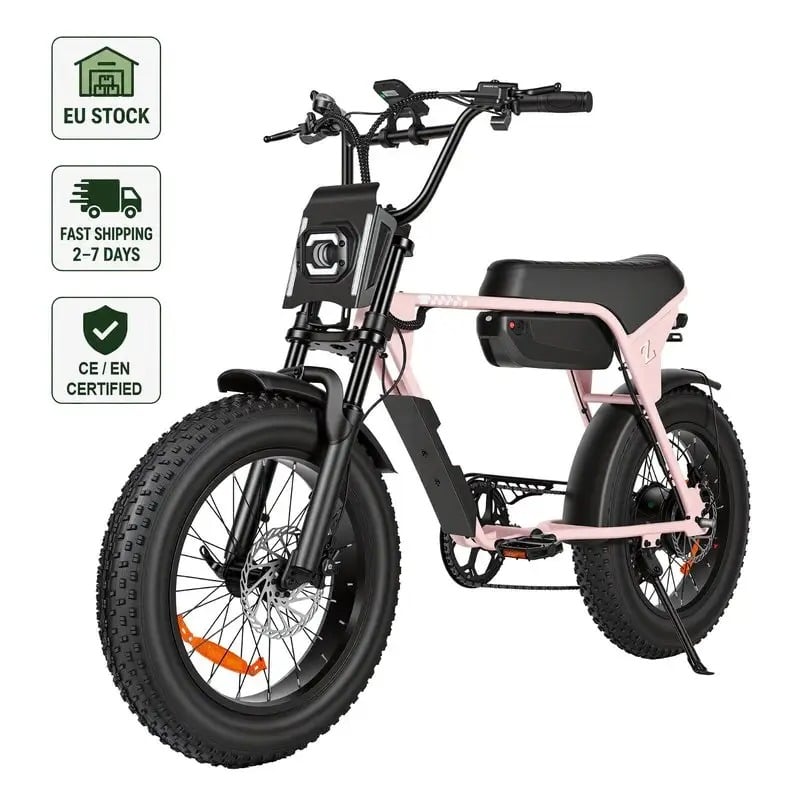
Selecting the right battery geometry for your fat tire electric bike directly shapes your riding experience, range capability, and overall bike handling. Battery placement and form factor are critical design decisions that affect weight distribution, center of gravity, and how the bike performs across different terrain. Understanding the trade-offs between various battery geometries helps riders and buyers make informed choices when investing in a fat bike electric cycle.
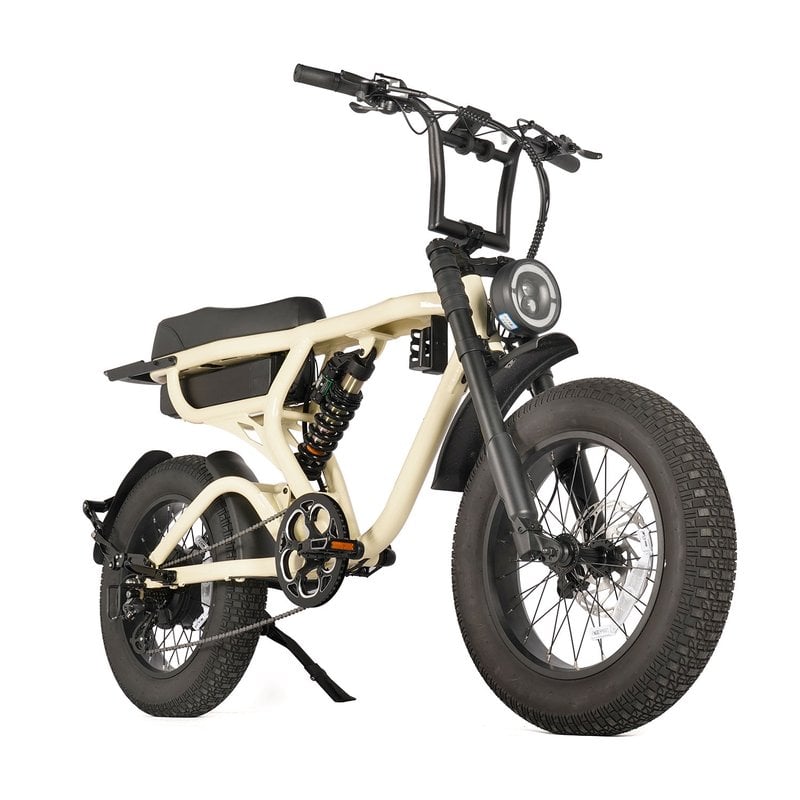
Battery geometry encompasses the physical shape, size, mounting location, and integration method within the bike frame. For a 26 fat tire electric bike or any cruiser fat tire electric bike model, the battery geometry influences everything from frame stress distribution to rider comfort and aerodynamic efficiency. Modern fat tire electric bicycles for sale showcase multiple geometry approaches, each optimized for different use cases and performance priorities.
The downtube battery geometry positions the battery pack vertically along the main frame tube beneath the rider. This classic placement offers several mechanical advantages for fat bike electric cycles. The downtube location creates a low center of gravity, which improves stability and handling characteristics, particularly important when navigating technical terrain on a fat tire electric bike. The vertical orientation maximizes the available space and allows manufacturers to integrate larger capacity batteries without extending the frame dimensions.
Riders of a 26 fat tire electric bike with downtube geometry experience balanced weight distribution that enhances cornering control and reduces the tendency to wheelie under heavy acceleration. The lower battery position means the overall mass stays centered, improving responsiveness during turns and maintaining predictable handling on loose surfaces. A cruiser fat tire electric bike benefits from this geometry through more relaxed, comfortable riding dynamics. However, the downtube battery can be more exposed to water, mud, and rocks during technical off-road use, requiring robust weatherproofing and protective housing.
Rear rack mounted batteries represent a different geometric approach, positioning the battery pack behind the seat on a dedicated mounting plate. This configuration is common in fat tire electric bicycles for sale, especially cargo-oriented and delivery models. The rear rack geometry provides excellent accessibility for servicing and battery replacement without frame disassembly. Many manufacturers choose this arrangement for fat bike electric cycle platforms because it simplifies manufacturing and allows flexible battery capacity scaling without redesigning the frame structure.
Rear-mounted batteries create a different weight bias on a cruiser fat tire electric bike, shifting more mass toward the back wheel. This geometry can enhance traction on the rear tire but may reduce front-end responsiveness during braking and climbing on steep gradients. For a fat tire electric bike used primarily on flat terrain or moderate trails, the rear rack geometry performs well and maintains good overall stability. Riders should expect slightly different handling characteristics compared to downtube designs, with the rear battery creating a longer wheelbase feel that favors stability over agility on technical terrain.
Advanced frame engineering allows manufacturers to integrate batteries within specially designed frame tubes, creating what's known as integrated battery geometry. This approach combines the structural benefits of downtube placement with the accessibility advantages of modular designs. A 26 fat tire electric bike utilizing integrated frame batteries appears cleaner and more compact aesthetically while maintaining excellent protection for the battery pack. The integrated geometry is increasingly popular in premium fat bike electric cycle offerings because it represents the pinnacle of frame and battery integration engineering.
Integrated battery geometry delivers superior center of gravity control and optimal weight distribution across the frame structure. On a fat tire electric bicycle for sale with this design, the battery becomes part of the structural integrity, potentially contributing to frame stiffness and overall rigidity. The cruiser fat tire electric bike with integrated batteries benefits from reduced material weight in the frame, allowing manufacturers to use higher-grade materials or create lighter overall bikes without sacrificing strength. Battery removal typically requires partial frame disassembly, making this geometry less convenient for quick battery swaps but more permanent and stable for long-term ownership.
The geometric form factor of the battery directly impacts maximum capacity that fits within design constraints. Tall, narrow battery packs fit downtube geometry but may sacrifice energy density through elongated packaging. A fat tire electric bike manufacturer choosing rear rack geometry gains flexibility for larger diameter, shorter cylindrical cells that offer better thermal characteristics and consistent performance. The 26 fat tire electric bike category typically accommodates batteries ranging from 750Wh to 1000Wh, with geometry choices determining how efficiently that energy is packaged and protected.
Battery geometry affects how effectively thermal energy disperses during high-demand riding scenarios. Rear rack mounted batteries on a fat bike electric cycle often experience better ambient air circulation, reducing internal cell temperature during sustained acceleration. A cruiser fat tire electric bike using downtube geometry benefits from proximity to the frame, which acts as a heat sink under certain conditions. Integrated frame battery geometry presents thermal management challenges because the battery sits enclosed within the frame structure, requiring careful thermal engineering to prevent degradation during hot weather operation on a fat tire electric bicycle for sale.
Range is primarily determined by battery capacity (watt-hours) and motor efficiency rather than geometry alone. However, downtube geometry generally supports larger capacity batteries due to the elongated space available, potentially offering greater range than rear-mounted alternatives. The best choice depends on your weight, terrain, and riding style on your fat tire electric bicycle.
Yes, significantly. Downtube batteries create a lower center of gravity improving stability, while rear-mounted batteries shift weight toward the back wheel, altering handling characteristics. Integrated geometry balances weight throughout the frame structure. Your preference for a fat bike electric cycle should consider whether you prioritize agility or stability.
Battery geometry is integral to frame design, making upgrades impractical without frame modification. However, you can typically upgrade to a higher-capacity battery of the same geometry type if frame mounting points support it. For a fat tire electric bicycle for sale, check with the manufacturer about compatible battery upgrade options before purchase.
2026/08/03
Fix time zones, language gaps, and unclear protocols—boost speed, cut costs, and scale confidently.
2026/08/03
Avoid liability & import bans: Learn IEC 62619, UN 38.3, and UL 2271—plus how to verify real compliance (not fakes).
2026/08/03
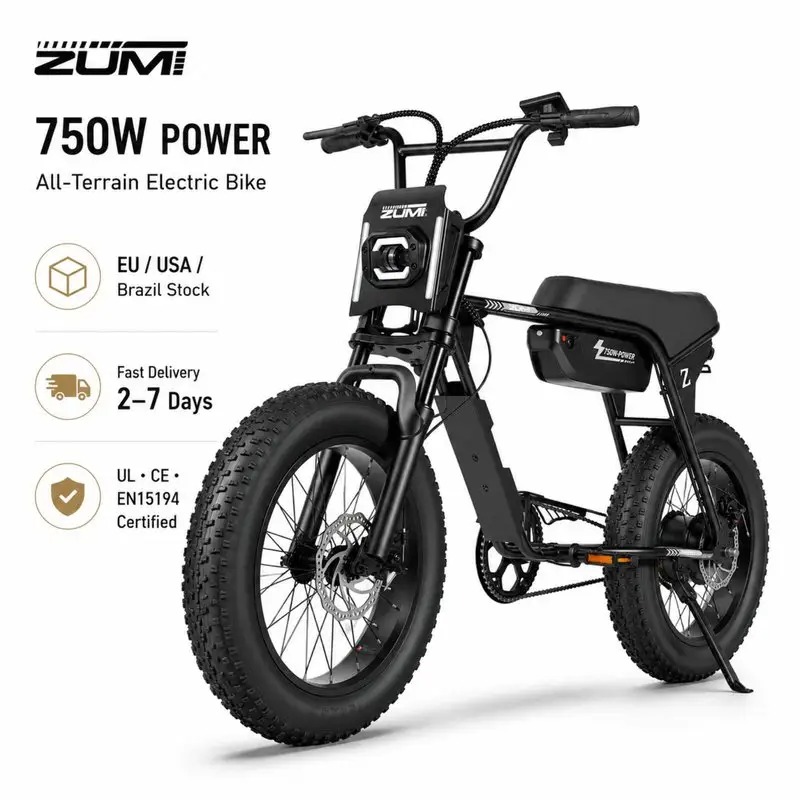
Learn precise air pressure, rebound & compression tuning for optimal suspension performance. Get pro-level setup tips now.
2026/08/03
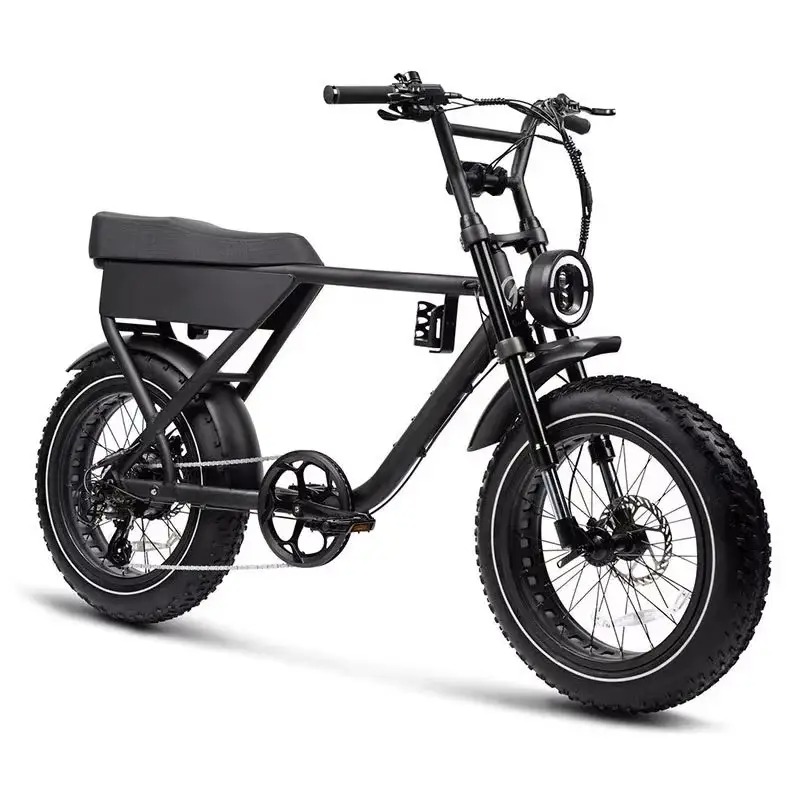
Discover how voltage drop saps performance—and proven fixes to restore responsiveness, range, and battery life. Read now.
2026/08/03
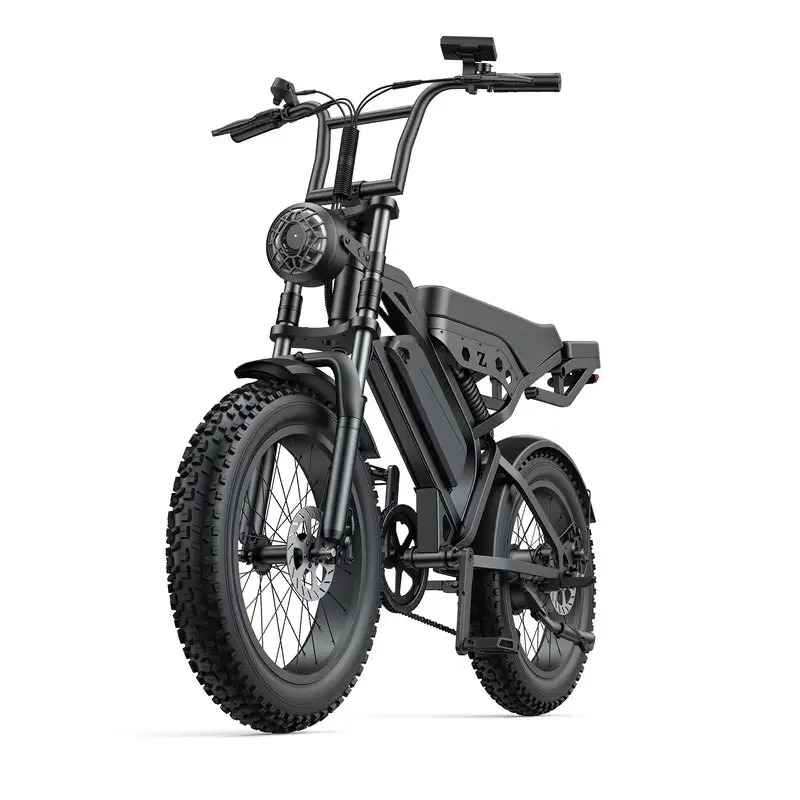
Discover data-backed protocols, smart infrastructure & operational fixes. Optimize now.
2026/08/03
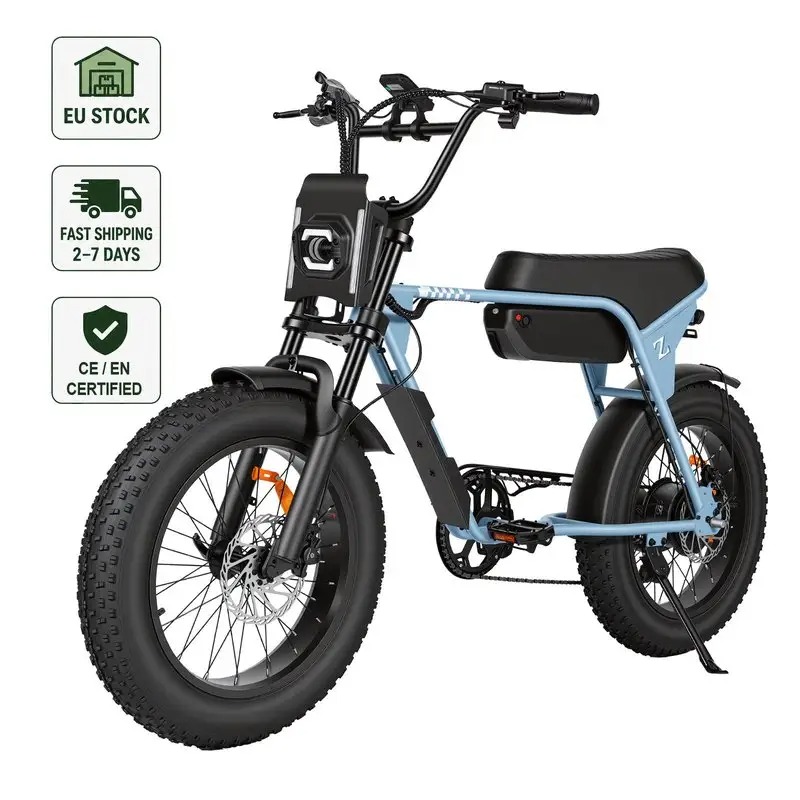
How payload cuts 48V cargo ebike range by 15–50%+ — backed by real-world degradation curves, motor load science & fleet optimization strategies.
Comprehensive warranty, fast parts shipping, remote diagnostics and local dealer training


