 EN
EN

STEP 1
Full vehicle warranty for 2 years
2026/08/14
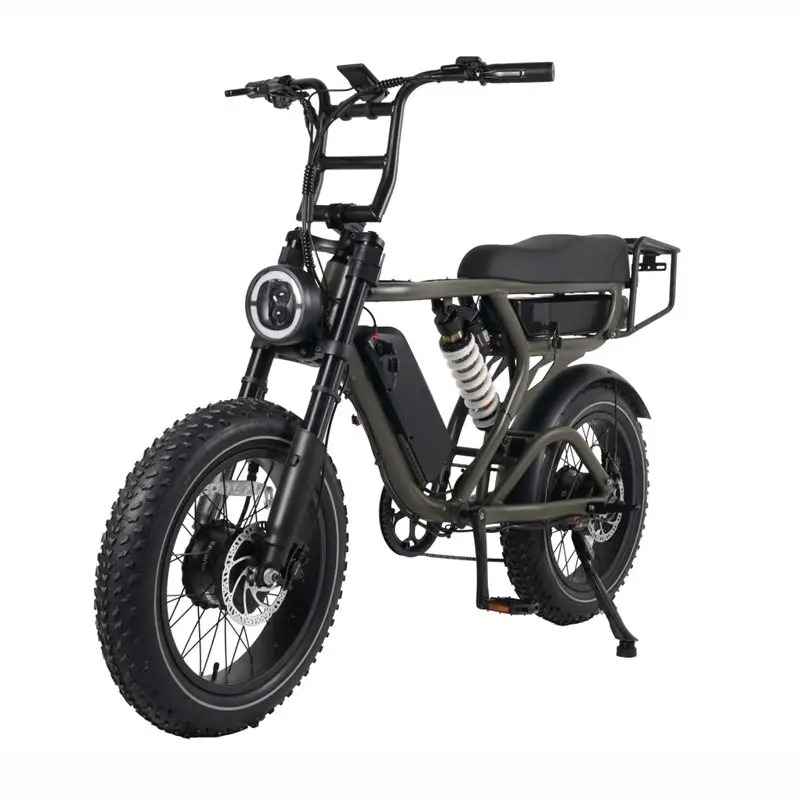
Courier services face mounting pressure to reduce operational costs while meeting customer expectations for faster delivery and sustainable practices. The transition from fuel-powered vehicles to electric alternatives represents a strategic opportunity for fleet managers seeking competitive advantage in urban and suburban logistics. A long range electric bike capable of covering extended distances on a single charge has emerged as a practical solution for courier operations, fundamentally reshaping how organizations approach last-mile delivery.
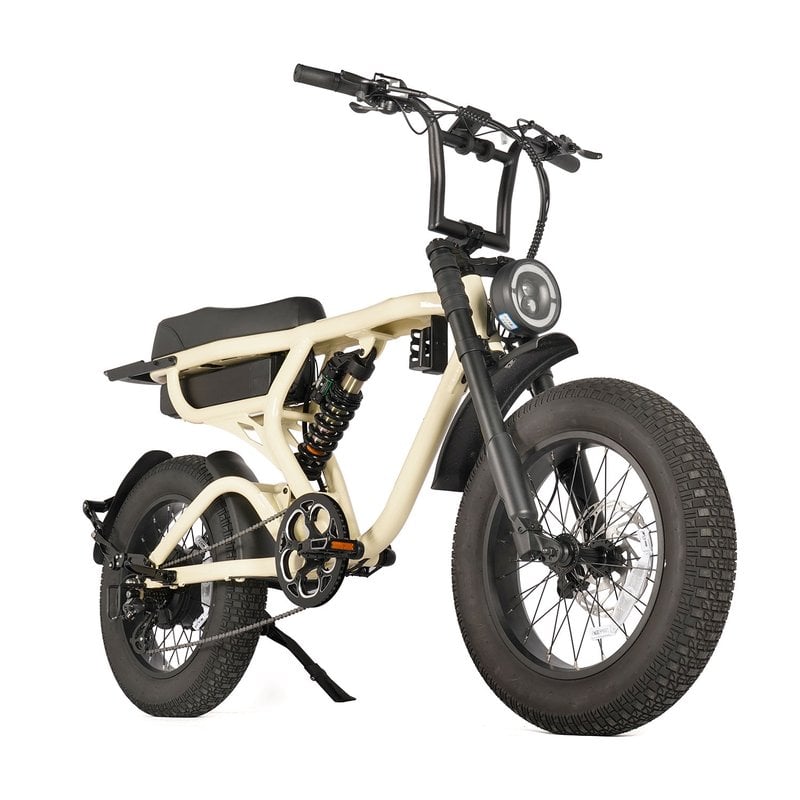
Fleet optimization requires more than simply replacing vehicles. Success depends on selecting equipment that matches operational demands, reduces total cost of ownership, and aligns with infrastructure capabilities. Long distance ebikes equipped with advanced battery systems and robust construction have demonstrated tangible benefits across courier networks, enabling faster route completion, lower maintenance expenses, and improved employee satisfaction. Understanding how to integrate high range electric bikes into existing courier workflows unlocks efficiency gains that directly impact profitability and environmental responsibility.
Courier operations demand reliable transportation across varying geographical territories. Long range electric bikes for adults now offer battery capacity delivering 50 to 80 miles per charge, sufficient for typical urban delivery zones and suburban route segments. This extended capacity eliminates the need for mid-route charging, a critical advantage when managing time-sensitive deliveries. High range electric bikes address the primary constraint that previously limited e-bike adoption in logistics—range anxiety and operational predictability. When fleet managers select electric bike with high range specifications matching their service territory, they gain flexibility comparable to traditional motorcycles while eliminating fuel costs and engine maintenance.
Modern high range electric bikes employ lithium-ion battery systems with capacity ratings between 48V and 52V, paired with amp-hour ratings that determine real-world riding distance. Long distance ebikes designed for commercial use incorporate battery management systems monitoring charge cycles, temperature, and load distribution to ensure consistent performance across seasons and varying terrain. The relationship between payload capacity, speed settings, and battery depletion becomes critical in courier applications where deliveries often involve package weights ranging from five to fifty pounds. Fleet operators must evaluate whether selected long range electric bike models maintain rated range under loaded conditions—a distinction separating consumer-grade equipment from purpose-built commercial solutions.
Implementing long range electric bikes across courier fleets generates immediate expense reductions across multiple cost centers. Electricity expenses for charging represent approximately one-tenth the cost of fuel consumption for equivalent distance in motorcycle or scooter fleets. Long distance ebikes eliminate oil changes, spark plugs, transmission servicing, and engine rebuild requirements that accumulate over years of commercial operation. Tire and brake wear decrease substantially because electric bike with high range models distribute braking forces more efficiently and maintain lower average speeds compared to gasoline-powered alternatives. Fleet maintenance budgets typically decline 40 to 60 percent after transitioning to high range electric bikes, a financial impact that compounds over multi-year deployment cycles.
Long range electric bikes for adults enable courier organizations to complete more deliveries per operating day through reduced fuel-related downtime and faster acceleration characteristics. Electric propulsion delivers instantaneous torque, allowing couriers to rapidly navigate congested urban streets and complete short-interval deliveries more efficiently than traditional vehicles requiring engine warm-up periods. Peak delivery windows during morning and evening commute hours favor electric bikes, which avoid traffic congestion in ways larger vehicles cannot. Organizations deploying long distance ebikes report 15 to 25 percent increases in deliveries per employee per shift, a productivity gain reflecting both vehicle capabilities and route optimization that becomes possible with fleet-wide consistency. Revenue improvement compounds as delivery capacity increases while maintaining the same headcount.
Fleet operators evaluating long range electric bike options must establish clear performance benchmarks aligned with their specific service territory and delivery density patterns. High range electric bikes should provide redundant braking systems, integrated cargo racks rated for commercial payloads, and weatherproof electrical components surviving regular exposure to rain and street conditions. Long range electric bikes for adults carrying commercial loads require frame stiffness and suspension geometry supporting weights exceeding typical consumer use cases. Organizations should field-test candidate models across their actual service routes under realistic package loads before fleet-wide procurement decisions. Specifications matter less than demonstrated real-world performance across the precise conditions couriers encounter daily.
Deploying electric bike with high range capacity requires establishing charging stations at operational hubs, depot facilities, and potentially intermediate service locations depending on route architecture. Fast-charging systems enabling 80 percent battery restoration within 60 to 90 minutes support shift transitions and mid-day vehicle rotation patterns. Long distance ebikes benefit from dedicated charging protocols protecting battery longevity and maintaining consistent performance throughout multi-year deployment cycles. Fleet managers must calculate charging infrastructure costs into total cost of ownership analysis, including electrical infrastructure upgrades, charging station hardware, and employee training on battery care procedures. Organizations operating 24-hour or extended-shift courier services require more sophisticated charging infrastructure than daytime-only operations, a factor significantly affecting implementation feasibility and timeline.
Long range electric bikes eliminate local emissions, directly supporting urban air quality and corporate sustainability commitments that increasingly influence customer purchasing decisions and brand reputation. A single courier operating high range electric bikes instead of motorcycles over one year prevents approximately three tons of carbon dioxide emissions and eliminates localized nitrogen oxide and particulate matter pollution. Organizations transitioning their fleets to long distance ebikes achieve measurable sustainability metrics supporting ESG reporting requirements and customer sustainability scorecards. Long range electric bikes for adults represent tangible environmental action rather than symbolic gestures, creating authentic corporate responsibility narratives that resonate with stakeholders evaluating business partners on sustainability criteria.
Couriers operating electric bike with high range systems report improved job satisfaction driven by reduced physical exertion, quieter working environments, and modern equipment perception. Long range electric bikes eliminate engine vibration and noise pollution experienced during full-shift operations, reducing operator fatigue and hearing damage risk associated with traditional courier vehicles. Employee retention improves when organizations invest in advanced equipment reflecting workplace modernization and employee wellbeing priorities. Long distance ebikes provide competitive recruitment advantages in labor markets where millennial and generation Z workers actively seek employers demonstrating environmental commitment and contemporary working conditions. The human factors of fleet modernization—often overlooked in purely financial analysis—generate substantial indirect returns through improved retention and reduced recruitment costs.
Premium high range electric bikes designed for commercial courier use typically deliver 50 to 80 miles per charge under ideal conditions, with real-world range varying based on rider weight, cargo load, terrain elevation, weather conditions, and selected speed settings. Long distance ebikes rated for 48V and 20Ah systems generally provide higher range capacity than consumer models. Fleet operators should expect approximately 60 percent of manufacturer-rated range during loaded commercial operations in mixed urban and suburban environments, which remains sufficient for most courier delivery zones.
Long range electric bikes for adults typically achieve 50 to 70 percent lower five-year total cost of ownership versus gasoline-powered motorcycles when calculating fuel, maintenance, registration, insurance, and equipment replacement expenses. Electric bike with high range models require minimal maintenance beyond periodic tire and brake service, while motorcycle fleets incur substantial engine servicing, transmission repairs, and component replacements. Initial purchase prices for commercial-grade long range electric bikes have decreased substantially, narrowing the acquisition cost gap and accelerating return on investment timelines.
Most courier organizations successfully operate 100 percent long distance ebike fleets for urban and suburban delivery operations, though mixed fleets may remain optimal for organizations serving rural areas, long-distance intercity routes, or specialized freight requiring vehicle types beyond e-bike capabilities. High range electric bikes provide sufficient capacity for approximately 95 percent of typical courier delivery scenarios. Organizations should evaluate their specific service territory distribution and customer requirements before determining optimal fleet composition, recognizing that long range electric bikes increasingly represent the default choice for modern courier logistics.
2026/08/03
Fix time zones, language gaps, and unclear protocols—boost speed, cut costs, and scale confidently.
2026/08/03
Avoid liability & import bans: Learn IEC 62619, UN 38.3, and UL 2271—plus how to verify real compliance (not fakes).
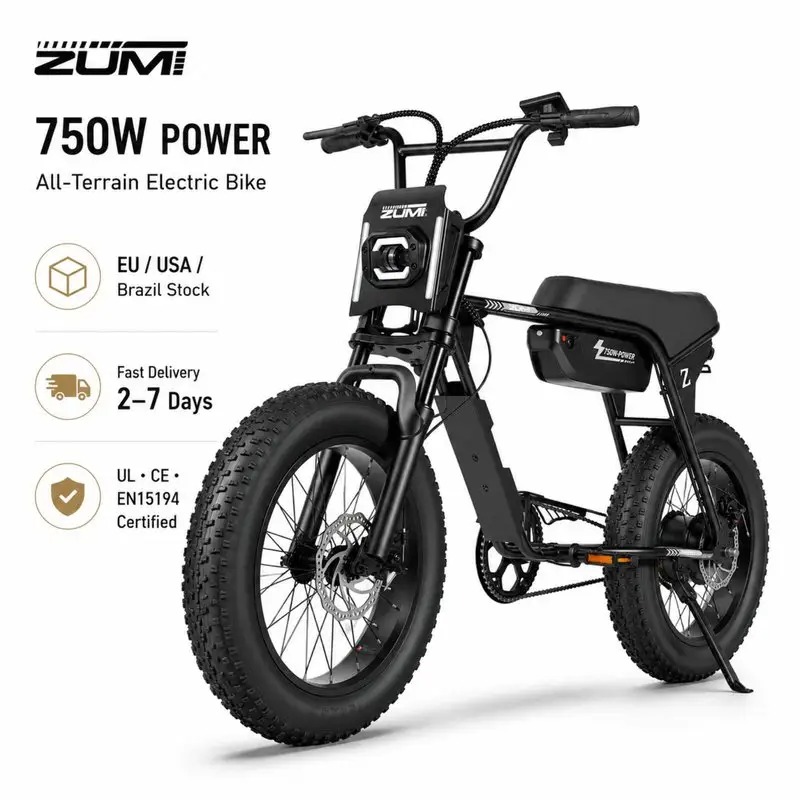
2026/08/03
Learn precise air pressure, rebound & compression tuning for optimal suspension performance. Get pro-level setup tips now.
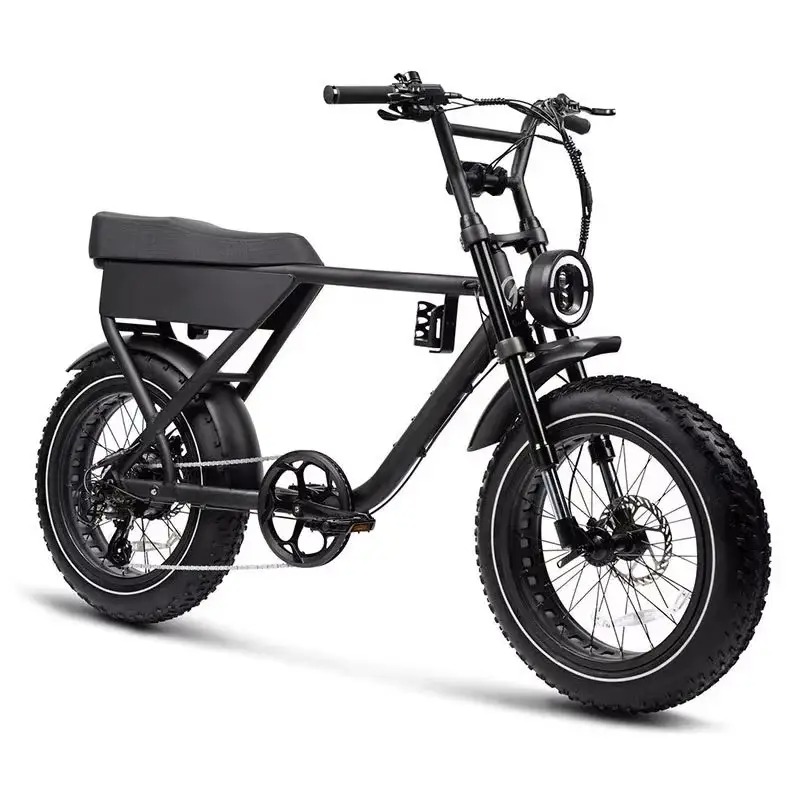
2026/08/03
Discover how voltage drop saps performance—and proven fixes to restore responsiveness, range, and battery life. Read now.
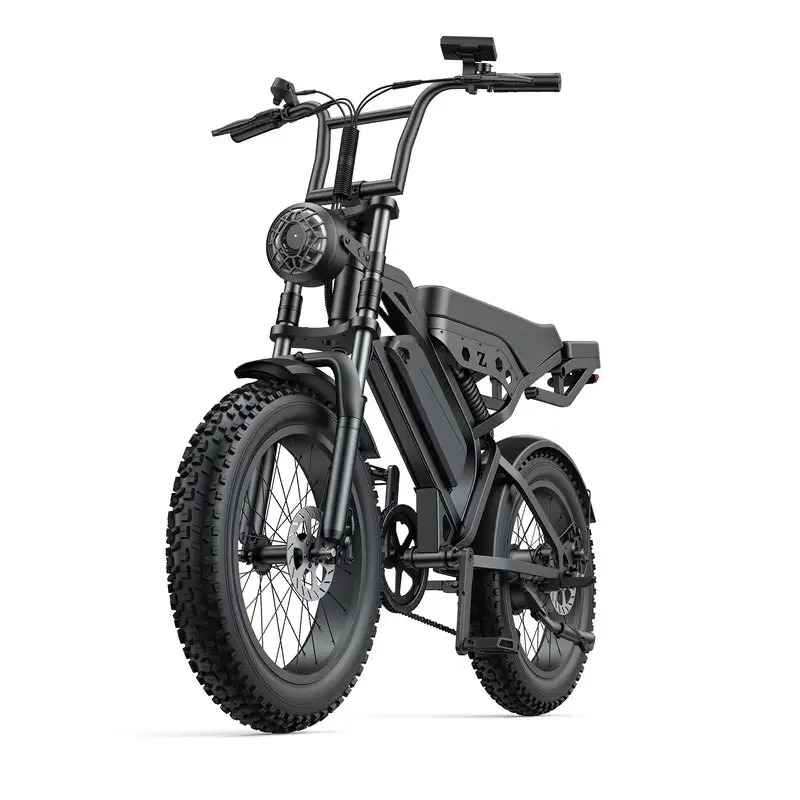
2026/08/03
Discover data-backed protocols, smart infrastructure & operational fixes. Optimize now.
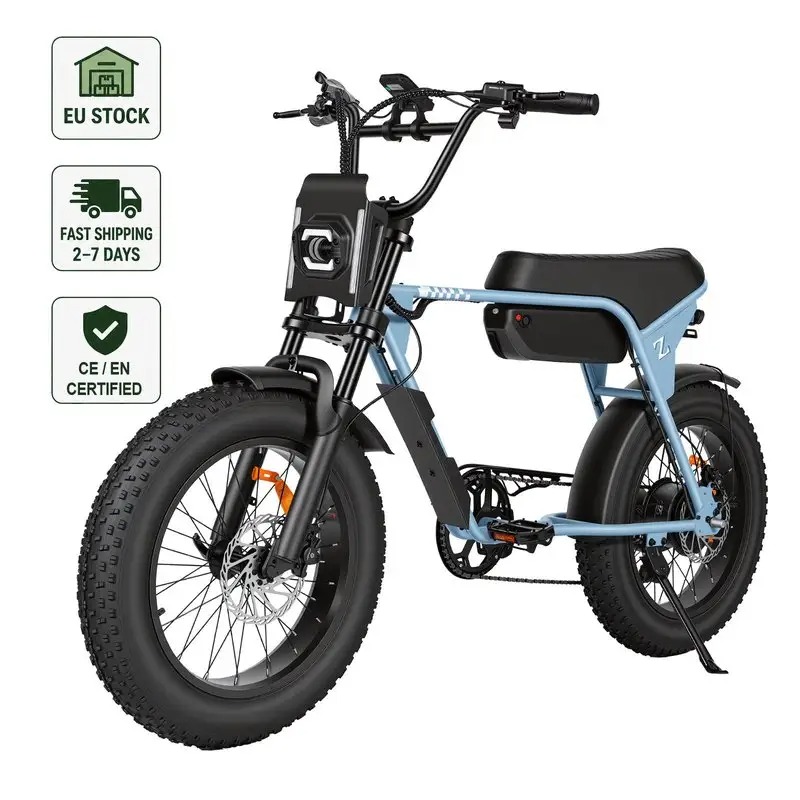
2026/08/03
How payload cuts 48V cargo ebike range by 15–50%+ — backed by real-world degradation curves, motor load science & fleet optimization strategies.
Comprehensive warranty, fast parts shipping, remote diagnostics and local dealer training


