 EN
EN
STEP 1
Full vehicle warranty for 2 years
2026/08/04
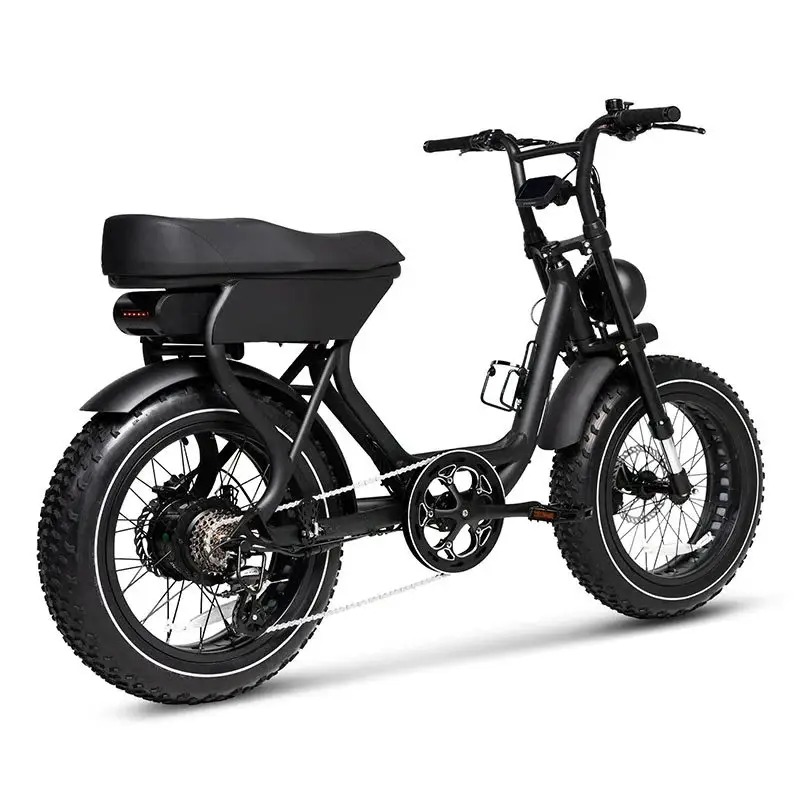
The decision between custom built e bikes and mass produced wholesale models represents a critical choice for buyers seeking electric bicycles that match their specific needs. Custom built e bikes offer tailored engineering, personalized features, and direct control over component selection, while mass produced wholesale models deliver standardized performance at lower price points. Understanding the fundamental differences between these two approaches helps you evaluate which option delivers the best value and performance for your riding style, budget, and long-term satisfaction.
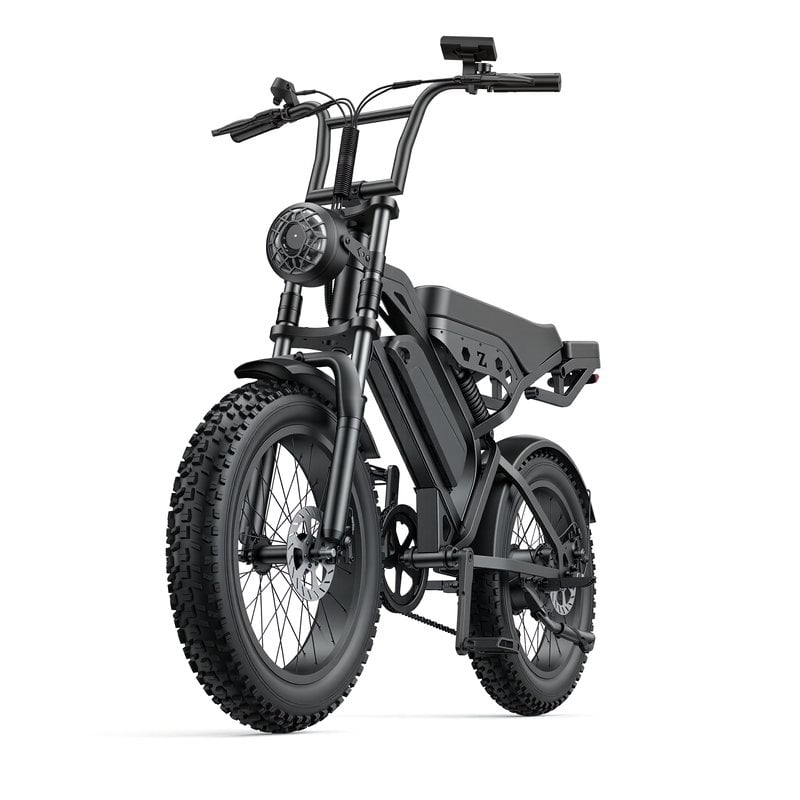
Mass produced wholesale models dominate the retail market because manufacturers achieve economies of scale through standardized designs and bulk component purchasing. However, this efficiency comes with inherent trade-offs in customization, component quality consistency, and alignment with individual rider preferences. A custom ebike, by contrast, allows you to collaborate with an ebike manufacturer or ebike factory to specify motor power, battery capacity, frame geometry, suspension type, and braking systems that match your exact riding conditions.
Custom built e bikes are engineered specifically for your weight, height, terrain type, and riding distance requirements. An ebike manufacturer that specializes in custom configurations can adjust motor torque curves, battery management systems, and mechanical components to optimize performance for steep hills, urban commuting, or off-road trails. Mass produced wholesale models use fixed specifications designed to perform adequately across broad user demographics but rarely excel in any single application.
When working with a custom ebike builder or ebike factory, you choose individual components from verified suppliers, ensuring compatibility and quality consistency across the entire system. You can specify hydraulic disc brakes, premium suspension forks, high-grade aluminum frames, or reinforced cargo racks based on your budget and requirements. Mass produced wholesale models combine components selected primarily for cost efficiency and manufacturing simplicity, which sometimes results in mismatched part quality or suboptimal integration between motor, battery, and drivetrain.
Custom built e bikes typically carry higher upfront costs because each unit requires individual engineering, component sourcing, and assembly labor. However, this transparency means you understand exactly where your money goes and can prioritize spending in areas that matter most to your use case. Mass produced wholesale models offer lower entry prices by spreading fixed manufacturing costs across large production runs, but you pay for features you may not need while compromising on features you do want. An ebike factory producing thousands of identical units achieves per-unit economies that custom builders cannot match, but that cost advantage often translates to standardized specifications rather than savings passed to individual buyers.
Custom built e bikes from reputable ebike manufacturers tend to hold value better because they feature quality components with proven durability and wider repair availability. Premium motors, batteries, and mechanical systems are often backed by manufacturer warranties and supported by qualified service centers. Mass produced wholesale models depreciate faster due to rapid product turnover, component availability challenges after production ends, and perceived quality inconsistency in online reviews. A custom ebike with documented component specifications and manufacturer support typically costs less to maintain and repair over five to ten years of ownership.
A dedicated ebike factory implementing custom building processes invests in quality testing, component verification, and performance validation for each unit. This hands-on approach catches integration issues, component defects, and calibration problems before delivery, reducing warranty claims and owner frustration. Mass produced wholesale operations rely on statistical sampling and automated testing, which can miss edge cases or component incompatibilities that affect individual units. Custom built e bikes built by established ebike manufacturers typically include performance documentation, test results, and detailed assembly notes that document the unit's specific capabilities.
When purchasing custom built e bikes from an ebike manufacturer with a direct relationship to the builder, technical support becomes personalized and detailed. Engineers who designed your specific configuration can troubleshoot issues, recommend adjustments, and provide component replacement guidance backed by complete design documentation. Mass produced wholesale models route support through retail chains or generic call centers with limited technical expertise about specific component combinations. Warranty coverage for wholesale models often excludes damage related to riding conditions or user error, while custom ebike warranties frequently account for the specific use case the bike was designed for.
Custom built e bikes make sense when you have specific performance requirements, planned usage patterns, or budget flexibility to prioritize component quality. Buyers seeking maximum off-road capability, specialized cargo capacity, or performance optimization for particular terrain benefit significantly from custom engineering. Commercial users, serious enthusiasts, and riders with non-standard physical requirements find that custom built e bikes eliminate compromise and frustration with mass produced limitations. The upfront cost investment typically pays dividends through reduced maintenance, higher resale value, and sustained performance satisfaction over extended ownership periods.
Mass produced wholesale models serve buyers with standard riding patterns, limited budgets, and acceptance of moderate performance compromises. Casual urban commuters, recreational riders on flat terrain, and budget-conscious first-time ebike purchasers often find wholesale models adequate for their actual riding demands. These models offer predictable pricing, nationwide warranty support through retail channels, and easy parts replacement through major retailers. If your priority is lowest possible entry cost rather than optimization or component customization, mass produced models deliver functional transportation efficiently.
Custom built e bikes require individual engineering, personalized component sourcing, and dedicated assembly labor, eliminating the economies of scale that mass produced wholesale models achieve through standardization. An ebike manufacturer or ebike factory producing thousands of identical units spreads fixed costs across volume, reducing per-unit expense. Custom configurations also allow you to invest in premium component grades that wholesale models substitute with cost-optimized alternatives, further affecting final pricing.
Mass produced wholesale models can be modified with aftermarket components, but integration challenges often arise because the original engineering did not account for component swaps. An ebike factory designs integrated systems where motor, battery, controller, and drivetrain work as a coordinated unit, while retrofitting aftermarket parts may compromise efficiency, create electrical incompatibilities, or void warranties. Custom built e bikes are engineered from inception with upgrade potential and component flexibility, making post-purchase modifications far simpler and more reliable.
Custom built e bikes from an established ebike manufacturer are superior for commercial, delivery, or intensive daily use because engineers design them to withstand specific operational demands and optimize component lifecycles for high utilization. An ebike factory can reinforce frames, specify premium motors with higher duty cycles, and integrate battery management systems suited to frequent charging and extended riding. Mass produced wholesale models prioritize consumer appeal and price competitiveness over durability engineering, making them less suitable for applications demanding consistent multi-hour daily usage and rapid equipment cycling.
2026/08/03
Fix time zones, language gaps, and unclear protocols—boost speed, cut costs, and scale confidently.
2026/08/03
Avoid liability & import bans: Learn IEC 62619, UN 38.3, and UL 2271—plus how to verify real compliance (not fakes).
2026/08/03
Learn precise air pressure, rebound & compression tuning for optimal suspension performance. Get pro-level setup tips now.
2026/08/03
Discover how voltage drop saps performance—and proven fixes to restore responsiveness, range, and battery life. Read now.
2026/08/03
Discover data-backed protocols, smart infrastructure & operational fixes. Optimize now.
2026/08/03
How payload cuts 48V cargo ebike range by 15–50%+ — backed by real-world degradation curves, motor load science & fleet optimization strategies.
Comprehensive warranty, fast parts shipping, remote diagnostics and local dealer training


