 EN
EN
STEP 1
Full vehicle warranty for 2 years
2026/09/04
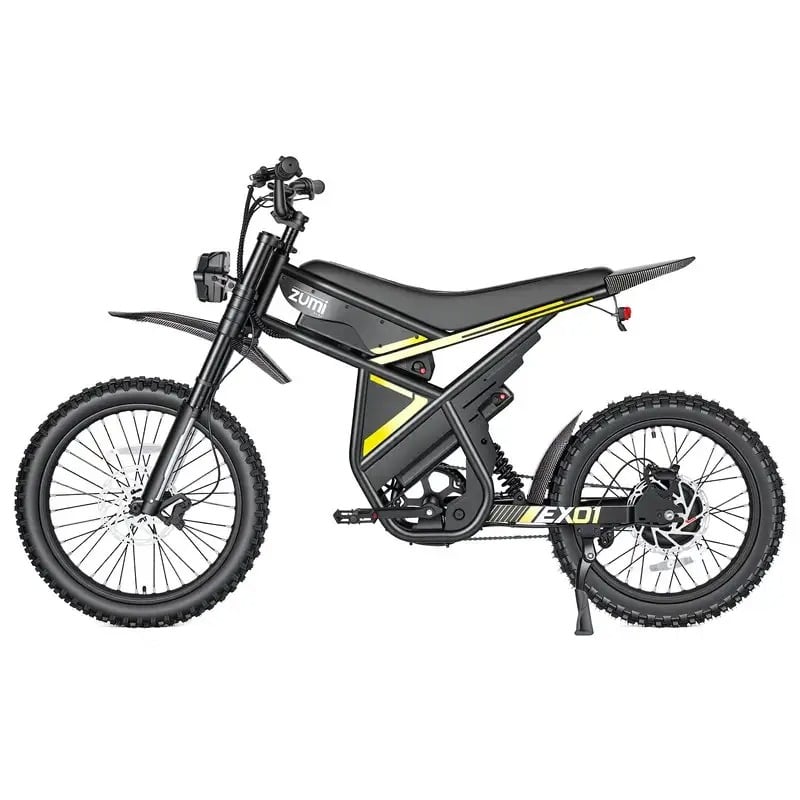
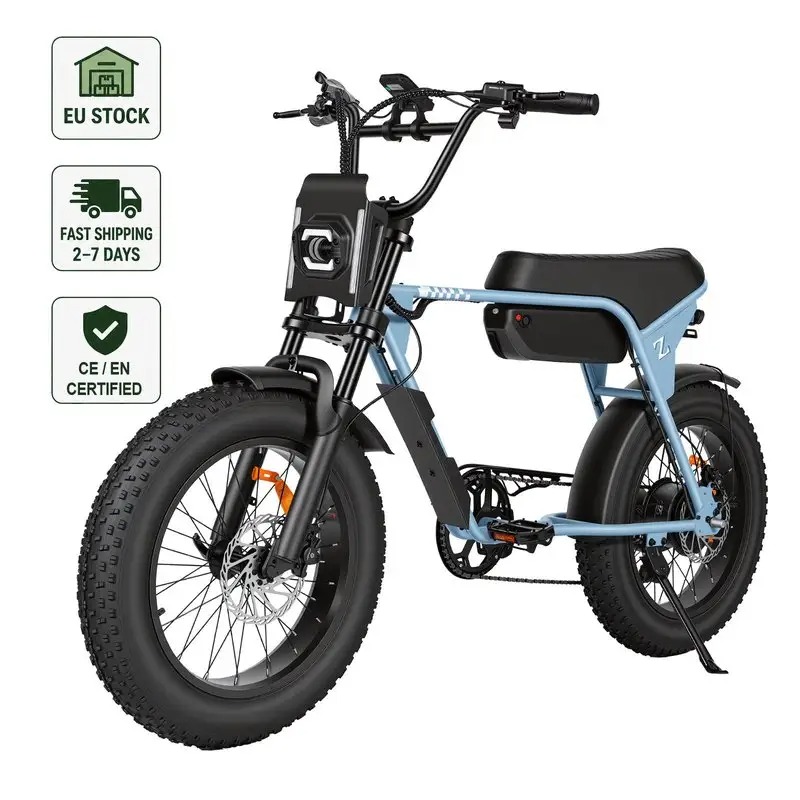
The distinction between custom electric bike manufacturing and mass production tolerances represents a fundamental divergence in how e-bikes are engineered and delivered to riders. While mass production prioritizes volume and cost efficiency through standardized processes, a custom electric bike approach emphasizes precision, rider-specific requirements, and performance optimization at the component level.
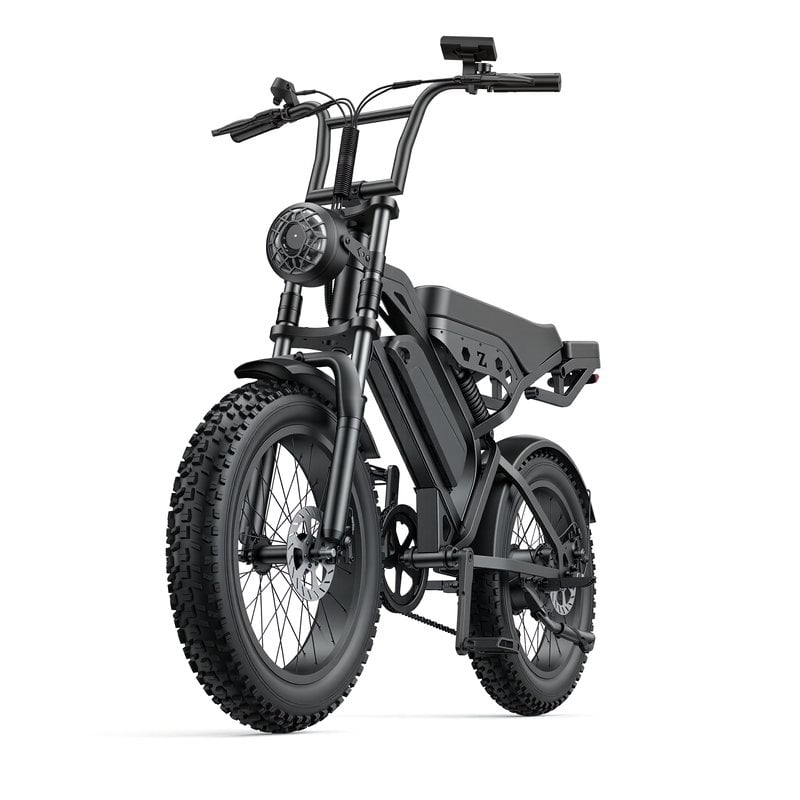
Understanding these differences is critical for manufacturers, fleet operators, and riders evaluating whether mass-market solutions or custom-built options align with their performance expectations and operational requirements. The manufacturing approach directly impacts component compatibility, assembly accuracy, troubleshooting efficiency, and long-term reliability in demanding applications.
Mass production systems operate within predetermined tolerance bands designed to balance cost reduction with acceptable quality thresholds. These tolerances typically accommodate ±2-5mm variance in frame geometry, motor mounting, and drivetrain alignment. Custom built e bikes employ stricter tolerances, often maintaining ±0.5-1mm precision for critical interfaces. The difference becomes apparent when integrating third-party components such as specialized battery packs, gearboxes, or sensor systems that demand exact specifications.
Mass-market manufacturers establish tolerance windows broad enough to work with multiple component suppliers simultaneously, which reduces procurement costs but introduces cumulative assembly inconsistencies. When five different assembly stations each maintain ±3mm tolerance on frame alignment, the aggregate effect compounds throughout the production run. Custom made electric bikes eliminate this compounding effect through dedicated assembly lines where each unit receives individual verification against design specifications.
Custom electric mountain bike configurations require precision matching between frame geometry, suspension characteristics, motor power delivery, and brake response. A custom e bikes for sale offering might integrate a 750W direct-drive motor with hydraulic disc brakes calibrated to specific stopping distances, which demands tolerance control that mass production systems cannot reliably achieve across thousands of units. The custom approach allows manufacturers to verify each motor-to-frame interface, test brake pressure curves per unit, and adjust controller algorithms to match individual component characteristics.
This precision integration directly impacts ride quality and safety metrics. A misaligned motor mounting by 2mm in a mass-produced unit can create vibration that diminishes over the operational life, whereas a custom-built system eliminates this degradation factor entirely through verified assembly protocols and individual testing verification before shipment.
Mass production quality control relies on statistical sampling and automated testing checkpoints where a subset of units undergoes inspection at various production stages. Custom made electric bikes employ 100 percent unit-level validation where every assembly receives comprehensive performance testing including motor efficiency verification, battery charge cycles, braking distance confirmation, and structural load testing. This distinction fundamentally changes how manufacturing defects are detected and corrected before customer delivery.
When a custom electric bike manufacturer identifies a component variance during testing, they can immediately halt that production sequence, investigate root causes, and implement corrective actions before proceeding. Mass production systems must balance this responsiveness against the cost of production interruptions affecting thousands of units simultaneously, creating pressure to accept wider tolerance windows and statistical defect rates.
Custom built e bikes can be tuned for specific application contexts such as steep terrain, long-distance range optimization, or rapid acceleration scenarios. A custom electric mountain bike designed for alpine trails might receive controller programming that prioritizes torque delivery in low-speed climbing conditions, whereas a custom e bikes for sale model intended for urban commuting receives optimized efficiency settings that maximize range at moderate speeds. Mass production systems standardize control algorithms across entire product lines, sacrificing performance in specific use cases to maintain compatibility across diverse applications.
This tuning capability extends to battery management systems, motor thermal characteristics, and regenerative braking effectiveness. Custom electric bike manufacturers can adjust these parameters based on real-world testing data and rider feedback, whereas mass production designs become locked once tooling is finalized and production begins at scale.
Mass production achieves per-unit cost reduction through high-volume component purchasing, automated assembly processes, and distributed manufacturing across multiple facilities. A custom electric bike manufacturer competing on quality rather than volume faces higher per-unit production costs because precision assembly labor, individual testing protocols, and smaller component batch sizes carry premium pricing. However, custom built e bikes command higher selling prices that reflect superior tolerance control and performance validation, creating sustainable business models even at lower production volumes.
The economic trade-off becomes relevant when evaluating fleet acquisitions or bulk orders. Mass production solutions deliver lower acquisition costs per unit but may require higher maintenance budgets due to tolerancing-related issues, component compatibility failures, and accelerated wear patterns. Custom made electric bikes typically involve higher upfront investment offset by reduced lifecycle costs and extended operational reliability.
Custom electric mountain bike production operates effectively at 50-500 units monthly because precision assembly processes don't benefit from extreme scale and actually degrade if volume-based pressure compromises quality standards. Mass production systems require minimum volumes of 5,000-10,000 units monthly to justify tooling investments and achieve targeted per-unit economics. This constraint limits mass production's responsiveness to emerging market preferences, new component technologies, or custom specifications from large customers.
Conversely, custom e bikes for sale approaches can accommodate configuration variations, material substitutions, and design modifications without retooling, enabling manufacturers to serve diverse customer requirements within the same production facility. This flexibility proves valuable for industrial applications, geographic market adaptation, and performance-driven customer segments willing to pay premiums for tailored solutions.
Mass production e-bike solutions work effectively for casual recreational riding, short-distance commuting under 20 miles daily, and applications where standardized component configurations address typical user needs. Consumer markets where price sensitivity dominates purchasing decisions favor mass production approaches because tolerance trade-offs don't materially impact perceived value for moderate-duty use cases. A custom electric bike isn't necessary when users prioritize affordability over performance precision.
Rental fleet operations, municipal e-bike programs, and education institutions often select mass production systems because standardization simplifies spare parts management, technician training, and cost predictability across large unit counts. The tolerance compromises remain acceptable when usage patterns are relatively uniform and maintenance budgets accommodate component replacement cycles driven by tolerancing-related wear acceleration.
Custom built e bikes become strategically essential when operational reliability directly impacts customer satisfaction or business continuity. Delivery fleet operators, professional touring companies, and industrial applications (mining, warehouse material handling) require custom electric mountain bike configurations engineered for specific terrain, payload, and duty-cycle demands. A custom e bikes for sale offering designed for these contexts justifies premium pricing because failure risk carries severe operational and reputational costs.
Performance-oriented enthusiasts and professionals pursuing distance records or competitive events similarly prefer custom made electric bikes where precision component integration and validated performance curves provide competitive advantages. Emergency response organizations and specialized transportation services also favor custom electric bike solutions because standardized mass production designs cannot reliably accommodate the operational parameters required for safety-critical applications.
Custom electric bike manufacturing typically maintains ±0.5-1mm tolerances on frame geometry and critical interfaces, while mass production systems operate at ±2-5mm ranges. This difference compounds across assemblies; a custom built e bikes manufacturer verifies each motor-to-frame interface individually, whereas mass production relies on statistical sampling. For performance-sensitive components like suspension mounting or brake calibration, custom tolerance control prevents vibration, misalignment, and inconsistent braking response that emerge from cumulative mass production variance.
Custom e bikes for sale typically command 20-40 percent higher pricing than equivalent mass production models due to precision assembly labor, individual component testing, and smaller batch procurement. However, lifecycle costs often favor custom made electric bikes because superior tolerance control reduces maintenance requirements, extends component lifespan, and prevents premature wear from misalignment or integration issues. Fleet operators and industrial users frequently find that higher upfront investment yields lower total cost of ownership over 5-7 year operational periods.
Retrofitting mass production units to custom electric bike specifications is expensive and unreliable because underlying frame geometry, component compatibility, and electrical system architecture already reflect mass production tolerance assumptions. Modifying a mass-produced unit typically costs 50-60 percent of purchasing a purpose-built custom model, while results remain suboptimal. Strategic procurement of custom built e bikes from inception proves more cost-effective and delivers superior performance compared to attempting post-production modifications to mass market platforms.
2026/08/03
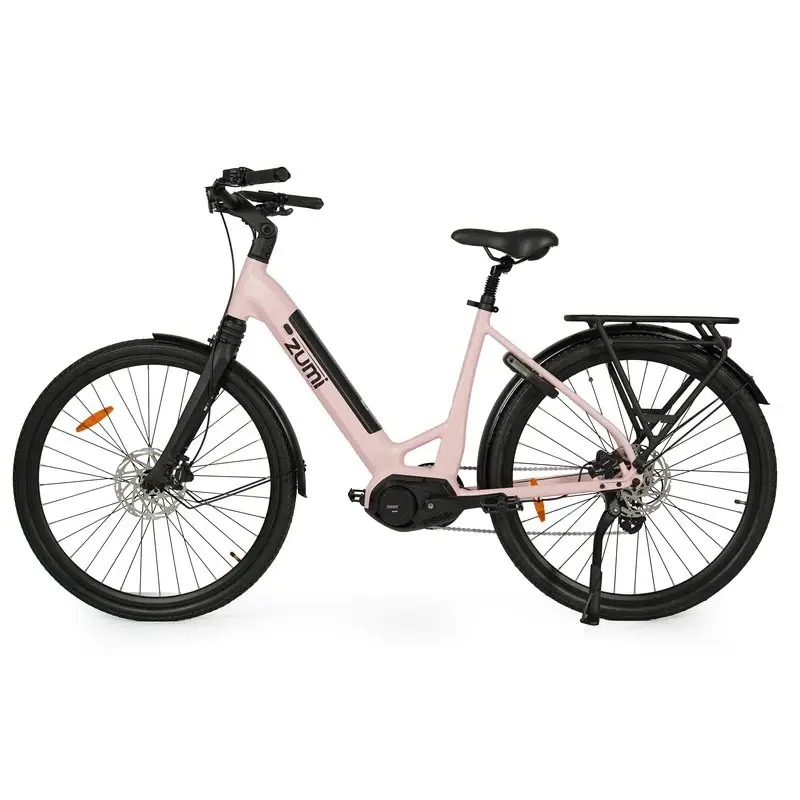
Fix time zones, language gaps, and unclear protocols—boost speed, cut costs, and scale confidently.
2026/08/03
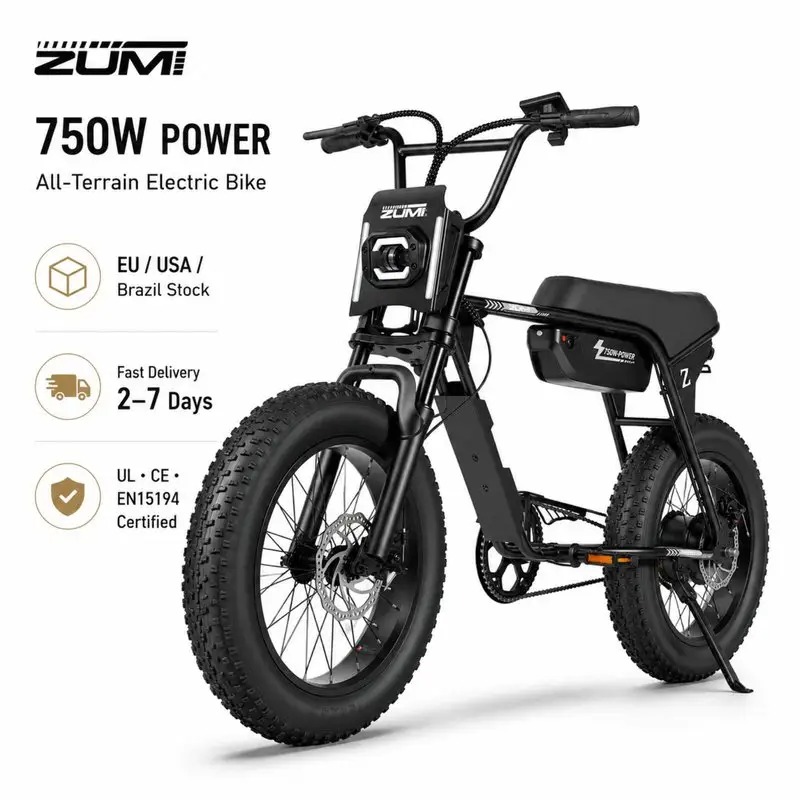
Avoid liability & import bans: Learn IEC 62619, UN 38.3, and UL 2271—plus how to verify real compliance (not fakes).
2026/08/03
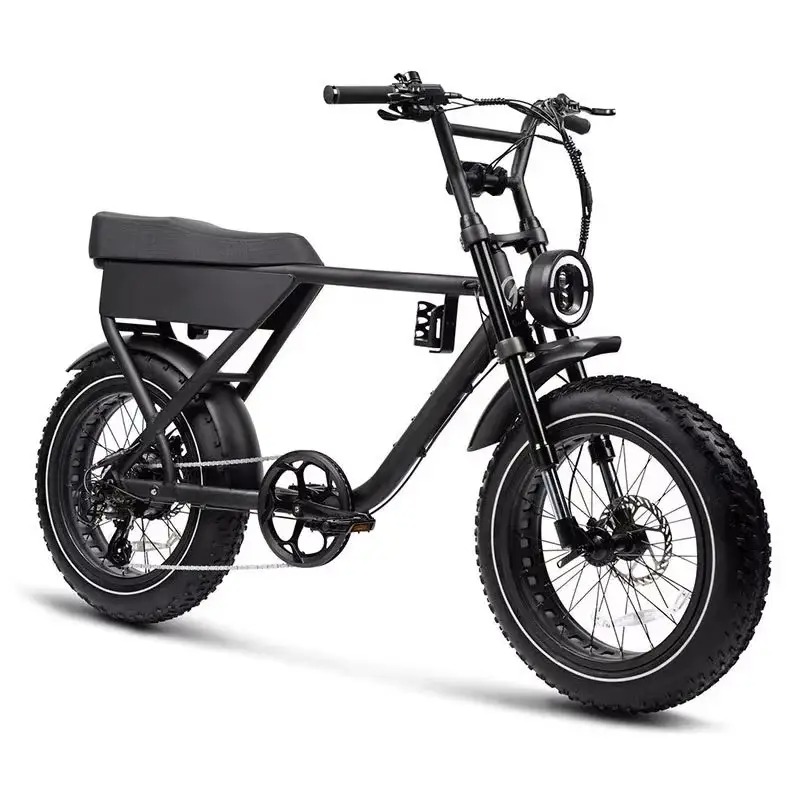
Learn precise air pressure, rebound & compression tuning for optimal suspension performance. Get pro-level setup tips now.
2026/08/03
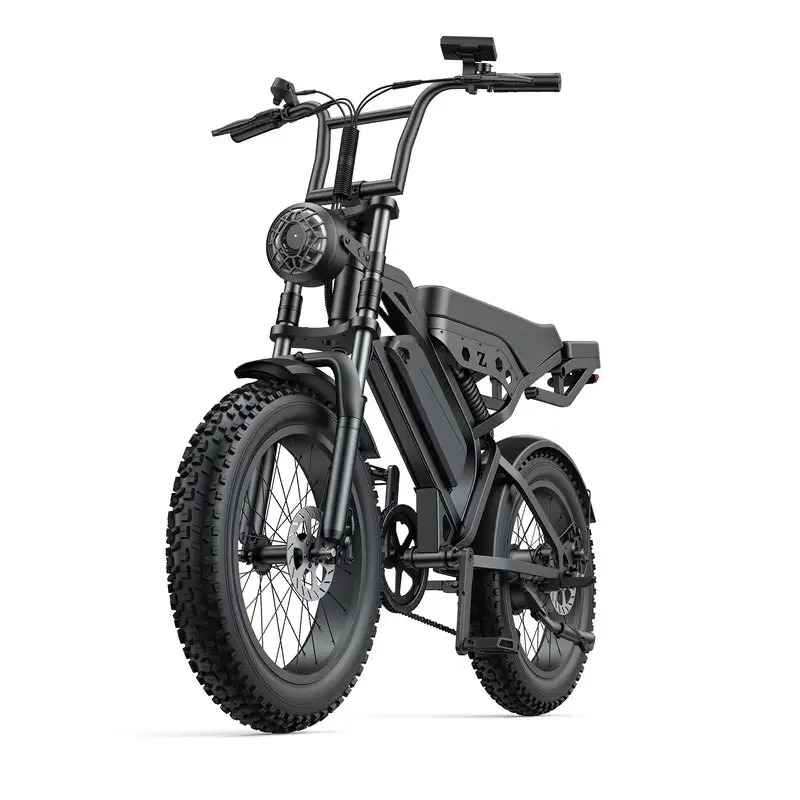
Discover how voltage drop saps performance—and proven fixes to restore responsiveness, range, and battery life. Read now.
2026/08/03
Discover data-backed protocols, smart infrastructure & operational fixes. Optimize now.
2026/08/03
How payload cuts 48V cargo ebike range by 15–50%+ — backed by real-world degradation curves, motor load science & fleet optimization strategies.
Comprehensive warranty, fast parts shipping, remote diagnostics and local dealer training


