 EN
EN
STEP 1
Full vehicle warranty for 2 years
2026/08/31
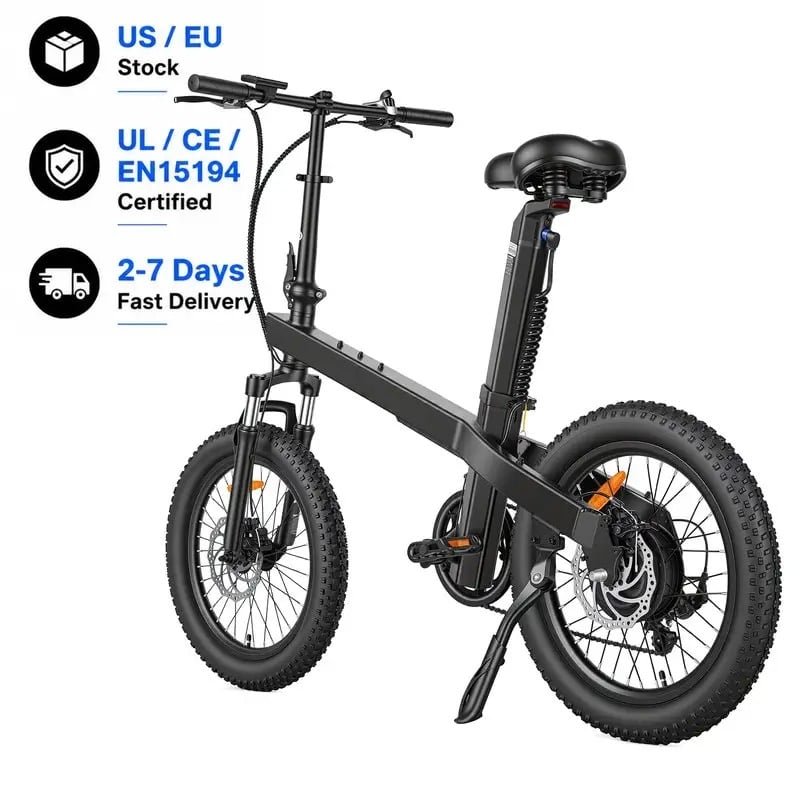
Frame geometry is the foundation of any bicycle's performance, and when you choose a custom electric mountain bike, you gain the ability to optimize every angle and dimension for your specific riding style and body dimensions. A custom electric mountain bike offers tailored geometry that a stock model simply cannot match, resulting in improved handling, comfort, and control on technical terrain. Unlike mass-produced alternatives, a custom ebike design allows riders to prioritize their individual preferences, whether that means a slacker head tube for aggressive descents or a shorter reach for precise climbing control.
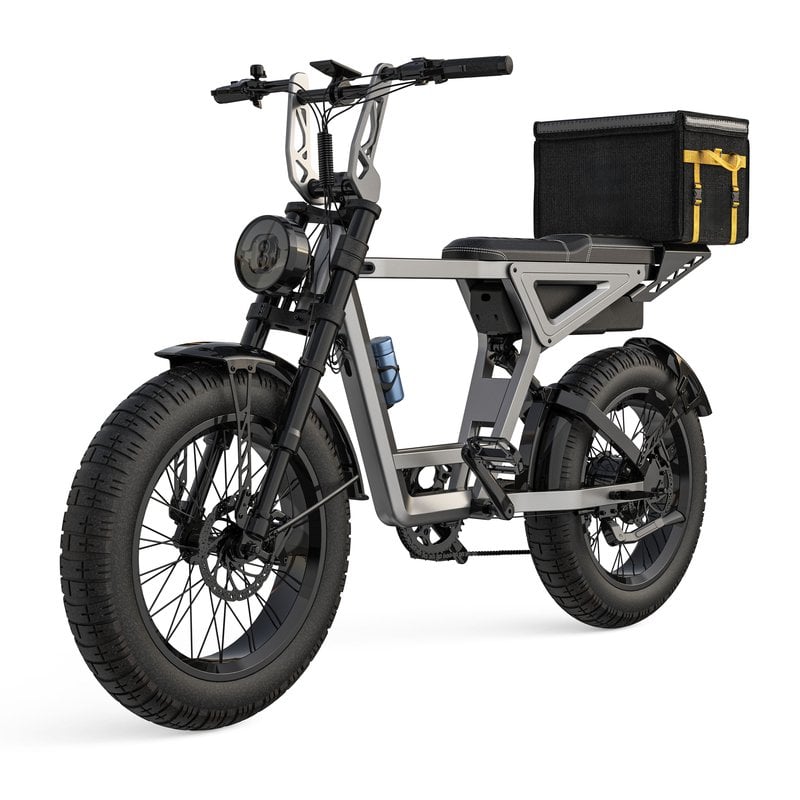
Stock mountain ebike models are engineered around average rider dimensions and generic trail conditions, forcing compromises that rarely suit individual needs perfectly. When comparing a mountain ebike with standard geometry to one designed specifically for you, the differences become apparent immediately. A custom ebike can address constraints that off-the-shelf options ignore, such as arm length, inseam variation, riding skill level, and intended terrain characteristics. This fundamental difference between stock and custom solutions explains why serious riders increasingly invest in geometry customization for their electric mountain bike setups.
Frame geometry involves specific measurements that directly influence how a mountain ebike behaves on the trail. Head tube angle, seat tube angle, chainstay length, wheelbase, and reach are the primary parameters that define handling characteristics. Head tube angle affects how steep or slack the front end is, influencing steering responsiveness and stability on descents. A steeper angle (72–74 degrees) provides quick steering for tight technical terrain, while a slacker angle (65–69 degrees) improves stability at high speeds and on steep downhills.
Reach—the horizontal distance from the bottom bracket to the top of the head tube—determines how stretched out you'll feel on your custom electric mountain bike. A shorter reach keeps you more upright and centered, beneficial for climbing and technical rock gardens. A longer reach pushes you forward, distributing weight toward the front wheel for better front-end grip during descents. Stock mountain ebike models compress these measurements into standardized size charts, assuming that riders of the same height share identical proportions and preferences.
Manufacturers of stock electric mountain bike options must balance production costs, inventory diversity, and appeal to the broadest possible market. This forces them to select geometry that satisfies no single rider perfectly but offends no one dramatically. The result is predictable: stock geometry rarely aligns with individual arm-to-leg ratios, torso length, riding aggression, or terrain specialization. A custom ebike eliminates this compromise by scaling and adjusting every dimension according to your actual body measurements and riding intentions.
The most immediate benefit of a custom electric mountain bike is precision fit tailored to your body. When frame geometry matches your proportions, you experience less arm strain, better weight distribution, and reduced fatigue during long rides. An ill-fitting stock mountain ebike forces you into compromised positions that place stress on your shoulders, lower back, and wrists. A custom ebike designed around your measurements eliminates these stress points, allowing you to focus on technique rather than discomfort.
Comfort compounds over time, and the difference between stock and custom geometry becomes especially noticeable during multi-hour trail sessions. When you ride a mountain ebike with proper geometry alignment, your energy expenditure decreases, your control improves, and your confidence grows. This is not a subtle advantage—riders frequently report feeling 10–15% less fatigued after switching from a stock model to a custom electric mountain bike with optimized geometry.
How a custom ebike handles during critical moments defines trail safety and performance. Stock mountain ebike geometry is often tuned as a compromise between stability and responsiveness, achieving neither exceptionally well. A custom electric mountain bike allows you to prioritize handling characteristics that match your terrain and skill level. Riders who prefer playful, responsive handling can choose geometry with quicker steering and shorter chainstays. Those seeking stability and predictability can opt for slacker angles and extended wheelbase designs.
Technical terrain demands precise control, and this is where custom geometry shines. When your mountain ebike frame is proportioned for your body and riding style, steering inputs translate directly into intended movements without delay or uncertainty. A stock model's generic geometry often introduces subtle lag or unpredictability, particularly in steep technical sections where millisecond reactions matter.
Different terrain demands different geometry approaches. Enduro and downhill specialists benefit from slack geometries and longer wheelbases that stock mountain ebike manufacturers often reserve for specific categories. Cross-country and climbing-focused riders need steeper geometries and shorter reaches, yet stock electric mountain bike options rarely separate these extremes clearly. A custom ebike can be engineered specifically for your primary terrain—whether that means rocky alpine trails, flowing berms, steep technical descents, or rolling cross-country routes.
Your riding style should heavily influence custom geometry decisions. Aggressive riders who brake late into turns and ride with confidence benefit from geometry that feels responsive and playful. Conservative riders seeking stability and forgiveness prefer geometry that resists surprises and maintains composure. Stock mountain ebike models cannot serve both preferences equally, but a custom electric mountain bike can be calibrated to your personal riding philosophy.
Not all riders of the same height possess identical proportions. A 5'10" cyclist with relatively short arms but long legs requires different geometry than another 5'10" rider with long arms and shorter legs. Stock mountain ebike sizing charts ignore these individual variations, forcing compromises. A custom ebike solves this through careful measurement and custom geometry scaling, ensuring that a person of any build can achieve perfect fit.
Inseam, arm length, torso length, and shoulder width all influence how a custom electric mountain bike should be proportioned. When you commission a custom ebike, these measurements guide the designer toward reach, stack, head tube angle, and seat tube angle values that create harmony between rider and machine. Stock options cannot accommodate this degree of personalization, which is why serious riders consistently choose custom geometry.
Typical differences range from 1–3 centimeters in reach and stack, plus 2–5 degree variations in key angles. These seemingly small numbers translate into substantial changes in how the custom ebike feels and handles. A custom electric mountain bike customized around your body and preferences can feel dramatically different from a stock mountain ebike of the same size category, even though the measurable differences appear modest on paper.
Pricing varies widely depending on customization depth and builder expertise. A basic custom ebike might cost 10–20% more than comparable stock models, while fully custom geometry builds can cost 30–50% more. The question is whether improved fit, handling, and performance justify the premium. For riders who spend significant time on trails and view their mountain ebike as a long-term investment, custom geometry typically delivers returns through reduced fatigue, improved confidence, and extended component lifespan.
Retrofitting geometry is not practical because the frame itself defines those measurements. However, you can adjust reach and stack to some degree through stem length and headset spacer manipulation. For meaningful geometry changes, purchasing a custom electric mountain bike with proper frame geometry from the start is the only effective solution. This is why many riders planning to keep their mountain ebike long-term choose custom geometry rather than attempting adjustments to existing stock frames.
2026/08/03
Fix time zones, language gaps, and unclear protocols—boost speed, cut costs, and scale confidently.
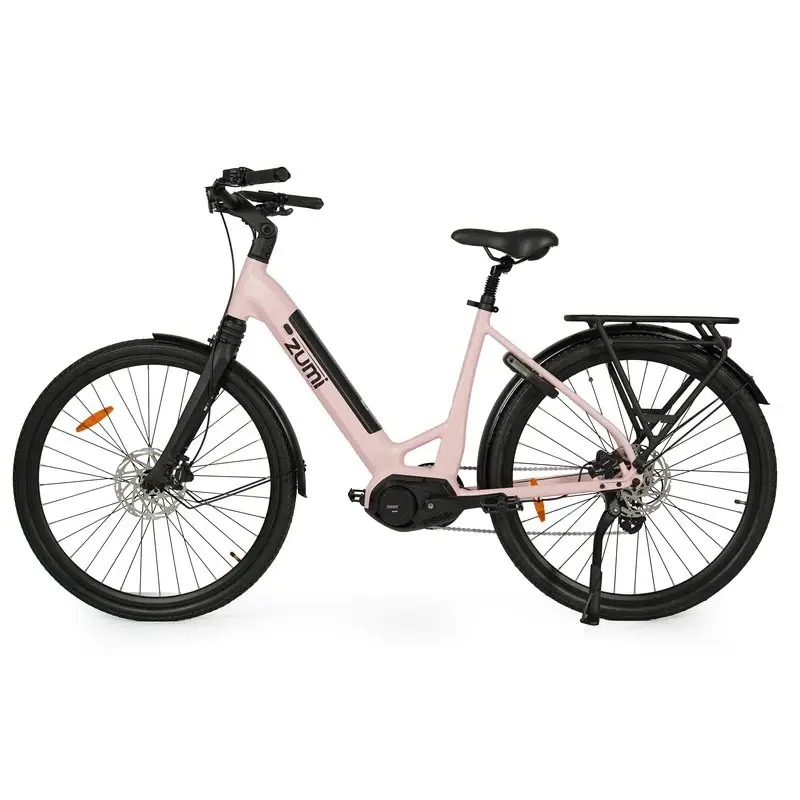
2026/08/03
Avoid liability & import bans: Learn IEC 62619, UN 38.3, and UL 2271—plus how to verify real compliance (not fakes).
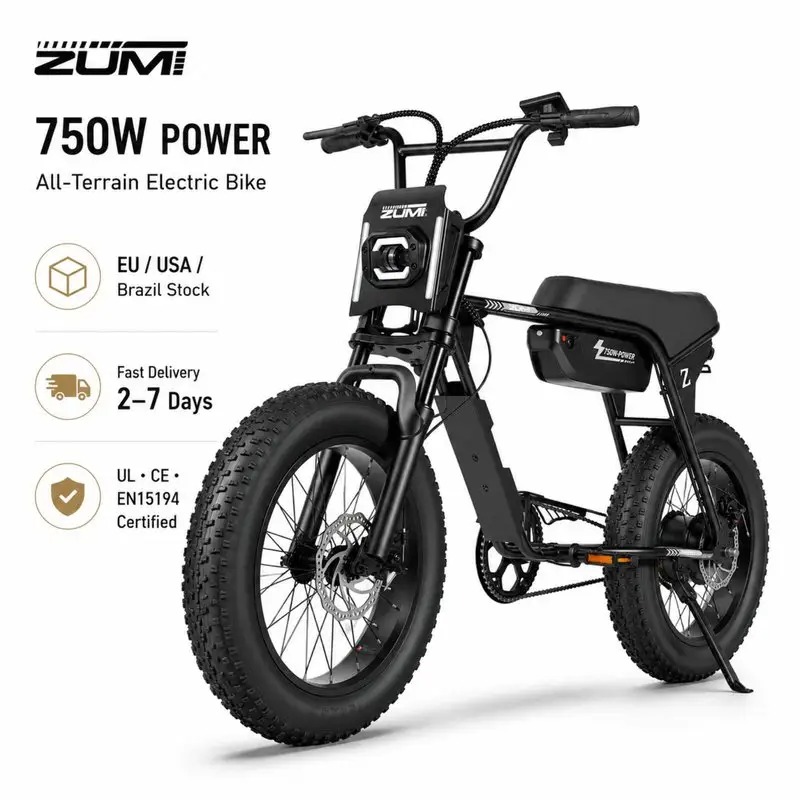
2026/08/03
Learn precise air pressure, rebound & compression tuning for optimal suspension performance. Get pro-level setup tips now.
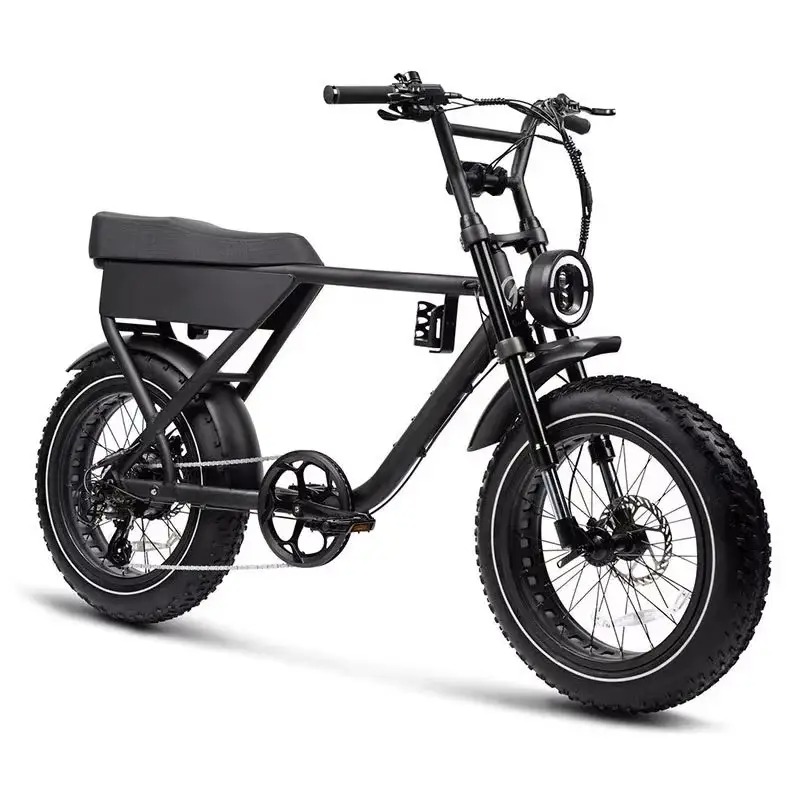
2026/08/03
Discover how voltage drop saps performance—and proven fixes to restore responsiveness, range, and battery life. Read now.
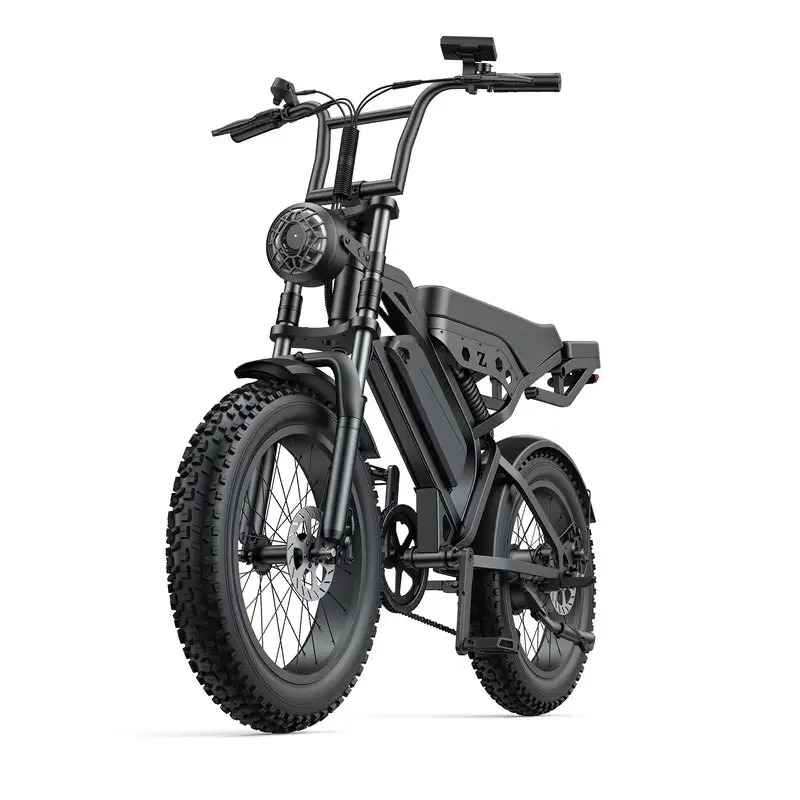
2026/08/03
Discover data-backed protocols, smart infrastructure & operational fixes. Optimize now.
2026/08/03
How payload cuts 48V cargo ebike range by 15–50%+ — backed by real-world degradation curves, motor load science & fleet optimization strategies.
Comprehensive warranty, fast parts shipping, remote diagnostics and local dealer training


