 EN
EN
STEP 1
Full vehicle warranty for 2 years
2026/09/02
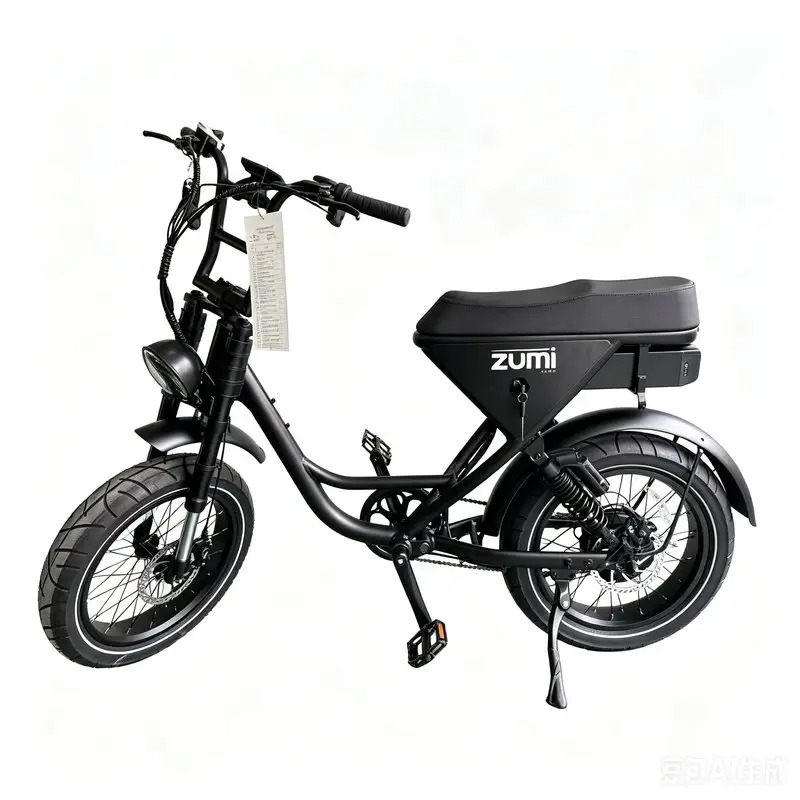
Dealership restocking represents one of the most critical operational decisions for retailers entering the electric bike market. Managing inventory of wholesale electric bikes USA requires careful planning, demand forecasting, and supplier coordination. Dealerships that master restocking processes gain competitive advantages through improved cash flow, reduced stockouts, and stronger customer satisfaction. This strategic approach transforms inventory management from a reactive burden into a proactive revenue driver that aligns with market dynamics and seasonal demand patterns.
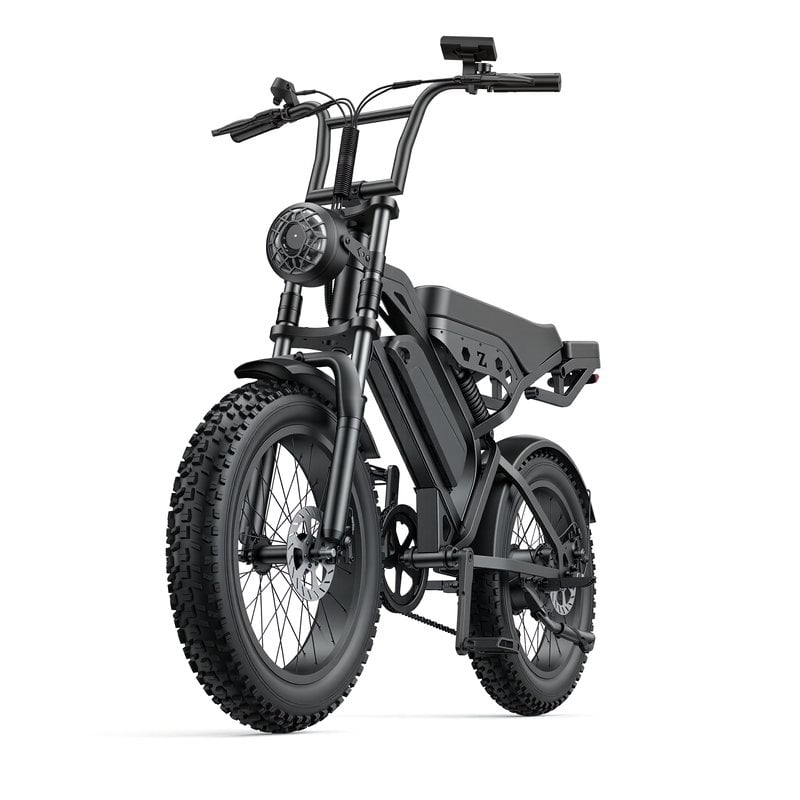
The ebike wholesale usa market has experienced substantial growth over recent years, creating both opportunities and complexities for dealership operations. Successful dealers understand that restocking strategies must balance stock levels with capital efficiency, supplier lead times with customer demand, and product variety with warehouse constraints. By implementing systematic restocking approaches, dealerships can maximize profitability while maintaining the product availability that drives customer loyalty and repeat business. The following sections outline proven strategies that dealerships use to optimize their wholesale electric bikes suppliers relationships and inventory management systems.
Electric bike demand fluctuates significantly across seasons and regional markets. Spring and summer months typically drive higher sales volumes as consumers prioritize outdoor activities and commuting solutions. Dealerships must analyze historical sales data, regional weather patterns, local events, and competitor activity to anticipate demand shifts. This analysis forms the foundation for calculating optimal restocking quantities and timing. Dealers who track these patterns can position inventory ahead of peak demand periods, preventing stockouts during crucial selling windows.
Modern restocking relies on data-driven forecasting that extends beyond simple trend observation. Dealerships should implement point-of-sale systems that capture detailed transaction data, customer demographics, and product preferences. By analyzing this information alongside external market indicators, dealers develop more accurate demand predictions. Advanced dealers use moving averages, seasonal adjustment factors, and even machine learning models to refine their forecasts. Electric bike wholesale in USA markets benefits from this analytical approach because the market exhibits distinct seasonal patterns and growing consumer interest in specific bike categories like fat-tire and cargo models.
Strong supplier relationships directly impact restocking effectiveness and cost efficiency. Dealerships should establish regular communication channels with their wholesale electric bikes suppliers, sharing sales forecasts and market feedback. These partnerships enable suppliers to reserve inventory capacity, offer volume discounts, and provide priority support during peak demand periods. Dealers who demonstrate consistent ordering patterns and reliable payment practices often receive preferential treatment, faster shipping, and access to exclusive products. This collaborative approach transforms suppliers from transactional vendors into strategic partners invested in dealership success.
Lead time represents the duration between order placement and inventory arrival. Dealerships must understand their suppliers' lead times to calculate appropriate reorder points and safety stock quantities. Safety stock serves as a buffer against unexpected demand surges or supplier delays. For ebike wholesale usa suppliers, typical lead times range from two to six weeks depending on warehouse location and shipping methods. Dealers should maintain safety stock sufficient to cover demand during the maximum expected lead time, preventing stockouts while avoiding excessive inventory holding costs that strain cash flow and storage capacity.
Dealerships must carefully curate their product assortment within capacity constraints. Rather than stocking every available model from wholesale electric bikes suppliers, dealers should focus on products that align with local market preferences, customer profiles, and price points. Analyzing sales velocity by product category helps dealers identify top performers and slow movers. This segmentation guides restocking decisions, ensuring adequate stock of high-velocity items while limiting overstock of niche products. Dealers who optimize their product mix reduce tied-up capital, improve inventory turnover ratios, and enhance overall profitability across their electric bike portfolio.
Just-in-time restocking minimizes inventory holding costs by ordering products closer to actual sales periods. However, pure just-in-time approaches create vulnerability to demand spikes and supply chain disruptions. Most successful dealerships adopt hybrid models that combine just-in-time principles for slow-moving inventory with higher safety stock for popular items. This balanced approach requires clear visibility into supply chain operations and reliable supplier performance. Dealers using hybrid models achieve better cash flow management while maintaining service levels that prevent customer disappointment. The strategy works particularly well for electric bike wholesale in USA where market preferences are increasingly predictable and supplier networks have matured.
Restocking frequency depends on demand velocity, available capital, and supplier lead times. High-volume dealerships typically restock every two to four weeks, while lower-volume operations may restock monthly or quarterly. Seasonal adjustments are critical—peak season may require weekly or bi-weekly restocking to capture sales opportunities, while off-season periods allow extended intervals. Dealerships should establish restocking schedules based on their specific demand patterns and supplier capabilities rather than adopting one-size-fits-all approaches. Regular analysis of sales velocity and inventory turnover helps dealers refine their restocking cadence for optimal results.
Key performance indicators include on-time delivery rates, order accuracy, lead time consistency, and price competitiveness. Dealerships should also monitor supplier responsiveness to quality issues and willingness to accommodate special requests. Tracking these metrics provides objective data for performance discussions with wholesale electric bikes suppliers and informs decisions about continued partnerships. Dealers who maintain detailed supplier scorecards can identify improvement opportunities and negotiate better terms based on performance history. Strong metrics build the foundation for mutually beneficial relationships that benefit both parties through improved efficiency and market responsiveness.
Dealerships can negotiate extended payment terms with suppliers to improve cash flow timing. Implementing consignment arrangements for slow-moving products reduces upfront capital requirements while maintaining customer choice. Regular inventory audits help identify and liquidate obsolete or excess stock through promotional pricing before value deteriorates further. Forecasting accuracy reduces the need for excessive safety stock, freeing capital for other business purposes. Some dealers establish relationships with multiple ebikes wholesale suppliers to compare terms and access more favorable payment conditions. These strategies combine to create cash flow efficiency without compromising inventory availability or customer service quality.
2026/08/03
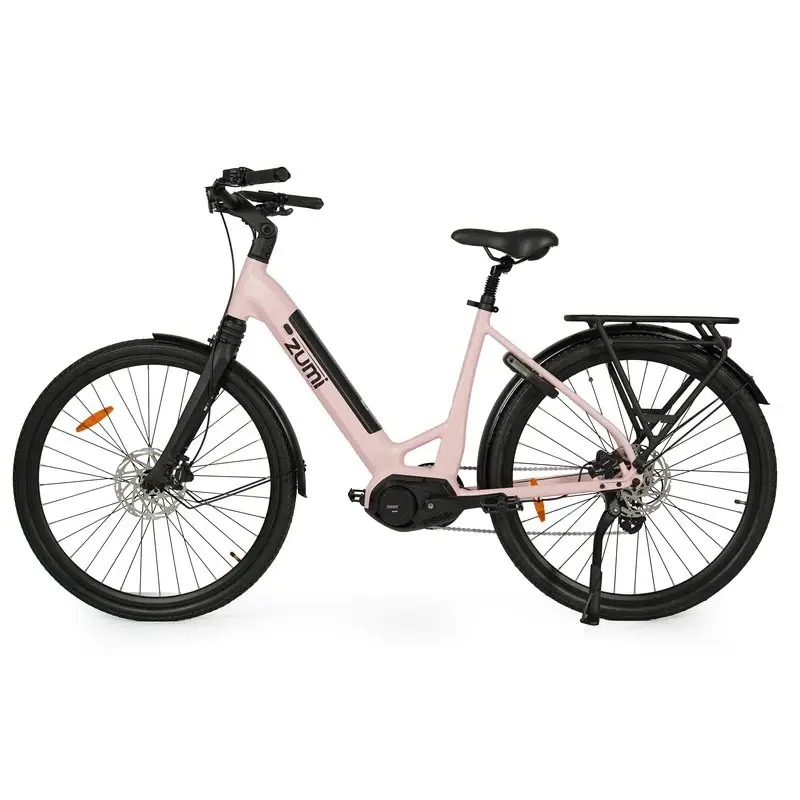
Fix time zones, language gaps, and unclear protocols—boost speed, cut costs, and scale confidently.
2026/08/03
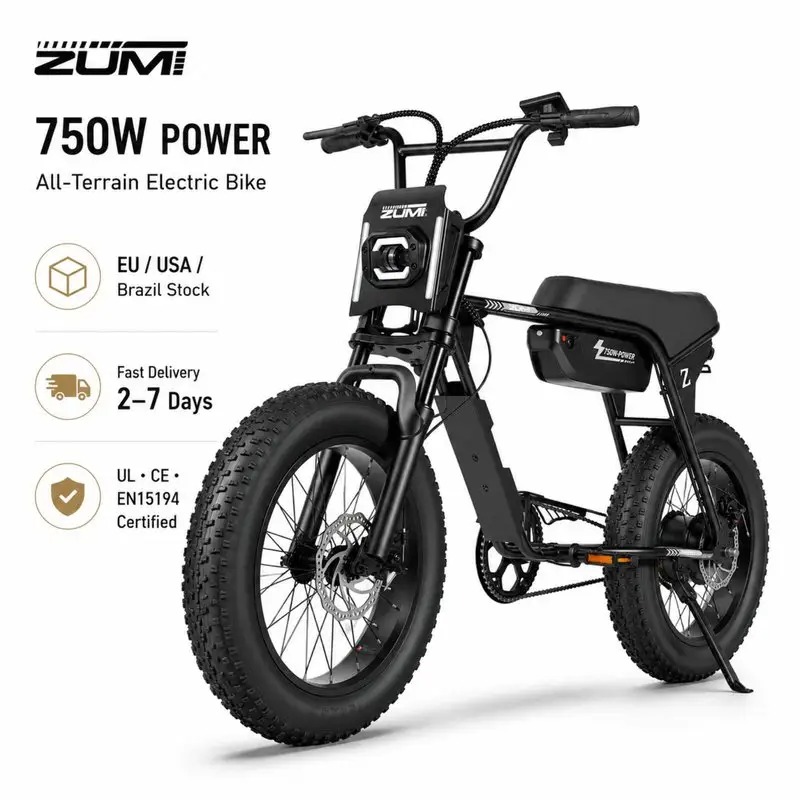
Avoid liability & import bans: Learn IEC 62619, UN 38.3, and UL 2271—plus how to verify real compliance (not fakes).
2026/08/03
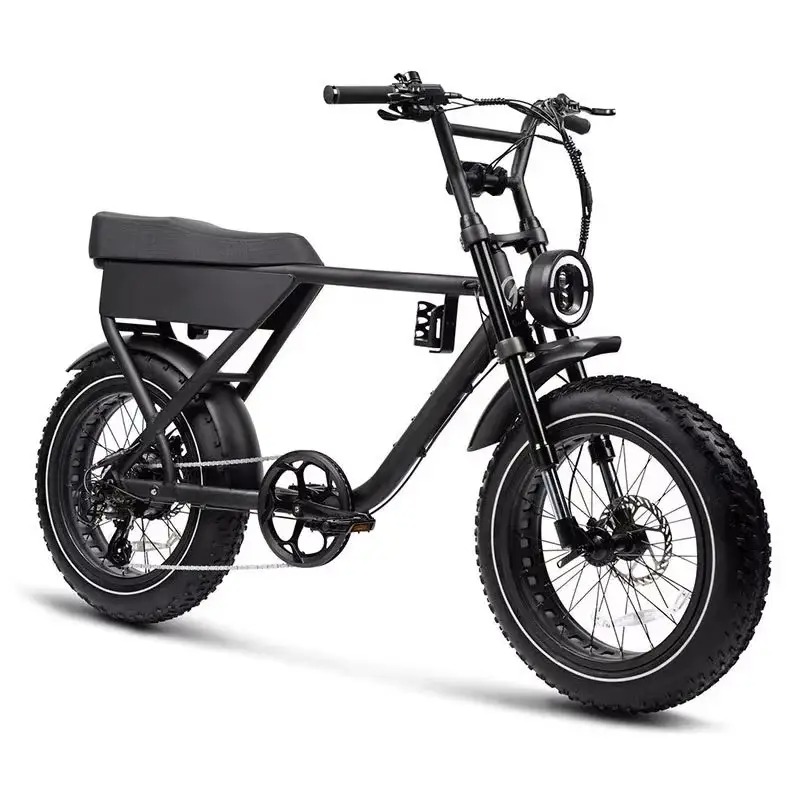
Learn precise air pressure, rebound & compression tuning for optimal suspension performance. Get pro-level setup tips now.
2026/08/03
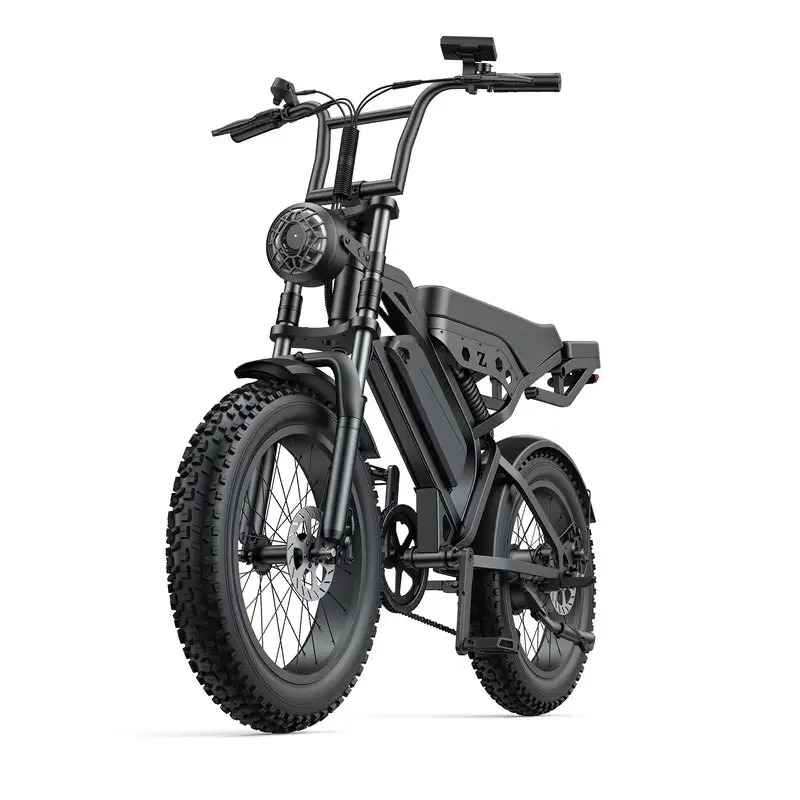
Discover how voltage drop saps performance—and proven fixes to restore responsiveness, range, and battery life. Read now.
2026/08/03
Discover data-backed protocols, smart infrastructure & operational fixes. Optimize now.
2026/08/03
How payload cuts 48V cargo ebike range by 15–50%+ — backed by real-world degradation curves, motor load science & fleet optimization strategies.
Comprehensive warranty, fast parts shipping, remote diagnostics and local dealer training


