 EN
EN
STEP 1
Full vehicle warranty for 2 years
2026/09/03
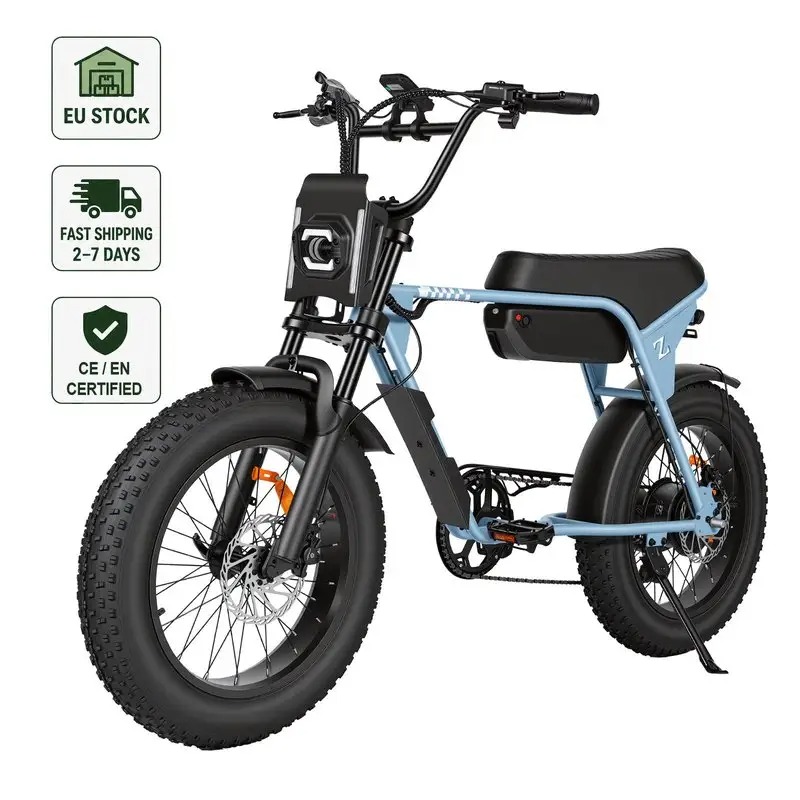
Battery swapping has emerged as a critical operational strategy for delivery fleets utilizing 48v electric bikes. Rather than waiting for hours while batteries charge, fleet managers can implement systematic swapping protocols to keep their 48v ebikes operational throughout the day. This approach maximizes vehicle availability and significantly improves the efficiency of last-mile delivery operations. Understanding and adopting proper battery swapping practices ensures your delivery fleet maintains consistent performance and reduces downtime.
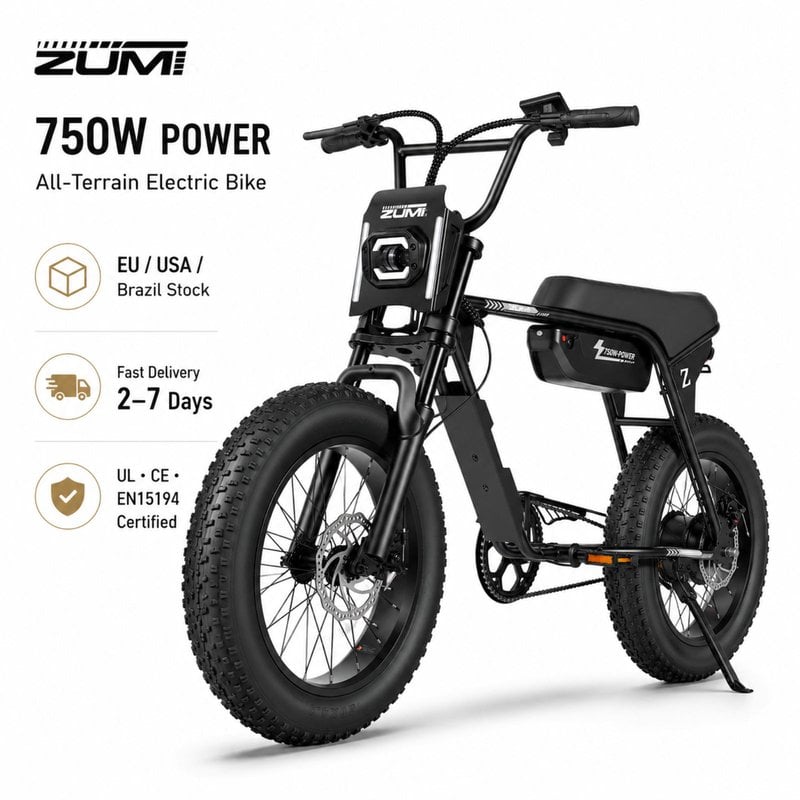
For fleet operators managing multiple 48v ebikes, battery swapping represents more than a convenience. It directly impacts revenue generation, customer satisfaction, and operational costs. When delivery personnel can swap depleted batteries for fully charged ones in minutes, routes remain on schedule and service reliability improves. The 48v electric mountain bike and similar fleet models require standardized swapping procedures to prevent equipment damage and ensure safe operations.
Establishing dedicated charging stations forms the foundation of effective battery swapping practices. For a 48v electric bike fleet, stations should be positioned at distribution hubs, centralized depots, or strategically located throughout service areas. Each station needs sufficient capacity to charge multiple batteries simultaneously, with infrastructure that includes weatherproof enclosures, surge protection, and organized battery racks. Proper placement reduces travel time for operators and maximizes the number of charged batteries available during peak delivery periods.
The charging infrastructure must account for the specific voltage requirements of 48v ebikes. Dedicated chargers rated for 48-volt systems ensure optimal battery health and prevent damage from incorrect voltage supply. Your 48v electric mountain bike batteries and lighter-duty ebike 48v 250w models may require different charging protocols, so stations should accommodate multiple charger types. Weather protection becomes essential since outdoor conditions can compromise charging equipment and battery performance.
Organizing battery storage maintains safety and streamlines the swapping process. Batteries should be stored in fireproof containers on stable, level surfaces away from extreme temperatures. For fleets managing dozens of 48v ebikes, labeling systems and inventory tracking prevent mix-ups and ensure operators grab fully charged units. Battery management systems that monitor charge levels electronically help dispatchers route riders to appropriate batteries and plan charging schedules efficiently.
Swapping batteries on a 48v electric bike requires following manufacturer guidelines to prevent electrical hazards and equipment damage. Operators should power down the bike completely before disconnecting batteries, then verify that power is eliminated before proceeding. For ebike 48v 250w models and high-power electric bike 48v 1500w variants, the disconnection sequence matters because loose connections or improper handling can create short circuits. Training all fleet personnel on correct installation procedures minimizes safety incidents and extends battery lifespan.
Battery terminals must be inspected for corrosion or damage before each installation. Clean connections ensure proper electrical contact and prevent voltage drops that compromise bike performance. When installing a replacement battery into your 48v electric mountain bike or similar fleet vehicle, confirm that the connector aligns correctly and seats fully. Forcing a connection or allowing partial contact creates fire risks and reduces the battery's ability to deliver full power to the motor.
Implementing routine maintenance inspections keeps swapped batteries performing at rated specifications. Check battery casings for cracks, swelling, or physical damage that indicates internal faults. Monitor voltage readings regularly to identify batteries degrading faster than expected and remove underperforming units from the rotation. For ebikes with 48v 250w motors compared to electric bike 48v 1500w systems, different power demands create varying battery stress levels, so tracking performance helps optimize battery allocation.
Battery cycles should be documented to anticipate replacement needs and budget accordingly. A typical 48v electric bike battery undergoes hundreds or thousands of charge cycles before capacity diminishes below usable thresholds. By tracking cycle counts and replacement patterns across your fleet, you develop predictive maintenance schedules that prevent unexpected battery failures during deliveries. This proactive approach reduces emergency downtime and maintains consistent route execution.
Streamlined swapping procedures integrate seamlessly into delivery workflows without disrupting operations. Establish a consistent routine where riders complete their current route before returning for battery replacement. Upon arrival at charging hubs, staff should immediately swap the depleted battery with a fully charged alternative while riders take brief breaks. This systematic approach keeps 48v ebikes moving throughout the day and ensures minimal idle time between delivery runs.
For mixed fleets operating both 48v electric mountain bike units and lighter ebike 48v 250w models, create separate charging and swapping zones to prevent confusion. Label batteries and bike ports clearly so operators quickly identify compatible batteries. Develop staff training programs that cover identification, swapping procedures, and troubleshooting common issues. When your team understands the underlying mechanics of 48v electric bike systems, they make informed decisions that protect equipment and maximize operational efficiency.
Maintaining adequate battery inventory ensures swapping availability throughout operational hours. Calculate your inventory needs by multiplying the number of 48v ebikes in use simultaneously by the average time between full battery depletion. For an electric bike 48v 1500w that consumes power quickly during intense delivery routes, you may need more spare batteries than fleets using lighter-duty ebike 48v 250w models. Tracking demand patterns helps you size your battery reserve appropriately without over-investing in inventory.
Charging schedules should begin well before peak demand periods so batteries reach full capacity when needed most. If your fleet typically peaks between 9 AM and 4 PM, pre-charge batteries throughout the morning hours. During slower periods, prioritize charging deeply depleted batteries and rotating the full inventory to ensure even wear across all units. This balanced approach extends overall battery lifespan and maintains consistent performance across your 48v electric bike fleet operations.
The ideal battery inventory depends on your fleet size and usage patterns. A common starting point is two to three spare batteries for every active 48v ebike, with additional reserves for fleets using high-power electric bike 48v 1500w models. Monitor your actual swap frequency over several weeks and adjust inventory based on observed demand. Tracking which battery types deplete fastest helps you allocate resources efficiently and prevent shortages during peak periods.
Safety begins with proper training and designated swapping procedures. All operators must understand the correct disconnection sequence and learn to inspect batteries for physical damage before installation. Store batteries in fireproof containers away from moisture and extreme temperatures, and implement electrical safety protocols that include power-down verification before each swap. Regular maintenance inspections catch degrading batteries before they become hazards. Fire extinguishers and first aid supplies should be stationed near charging and swapping areas.
Battery compatibility depends on connector type and voltage specifications rather than frame design alone. While a 48v electric mountain bike and an ebike 48v 250w may both operate at 48 volts, their connectors and charging specifications might differ. Consult manufacturer documentation for each vehicle model to confirm compatibility. Creating a compatibility matrix and clearly labeling batteries with their compatible vehicle models prevents installation errors that damage equipment or degrade performance on high-demand electric bike 48v 1500w units.
2026/08/03
Fix time zones, language gaps, and unclear protocols—boost speed, cut costs, and scale confidently.
2026/08/03
Avoid liability & import bans: Learn IEC 62619, UN 38.3, and UL 2271—plus how to verify real compliance (not fakes).
2026/08/03
Learn precise air pressure, rebound & compression tuning for optimal suspension performance. Get pro-level setup tips now.
2026/08/03
Discover how voltage drop saps performance—and proven fixes to restore responsiveness, range, and battery life. Read now.
2026/08/03
Discover data-backed protocols, smart infrastructure & operational fixes. Optimize now.
2026/08/03
How payload cuts 48V cargo ebike range by 15–50%+ — backed by real-world degradation curves, motor load science & fleet optimization strategies.
Comprehensive warranty, fast parts shipping, remote diagnostics and local dealer training


