 EN
EN
STEP 1
Full vehicle warranty for 2 years
2026/08/20
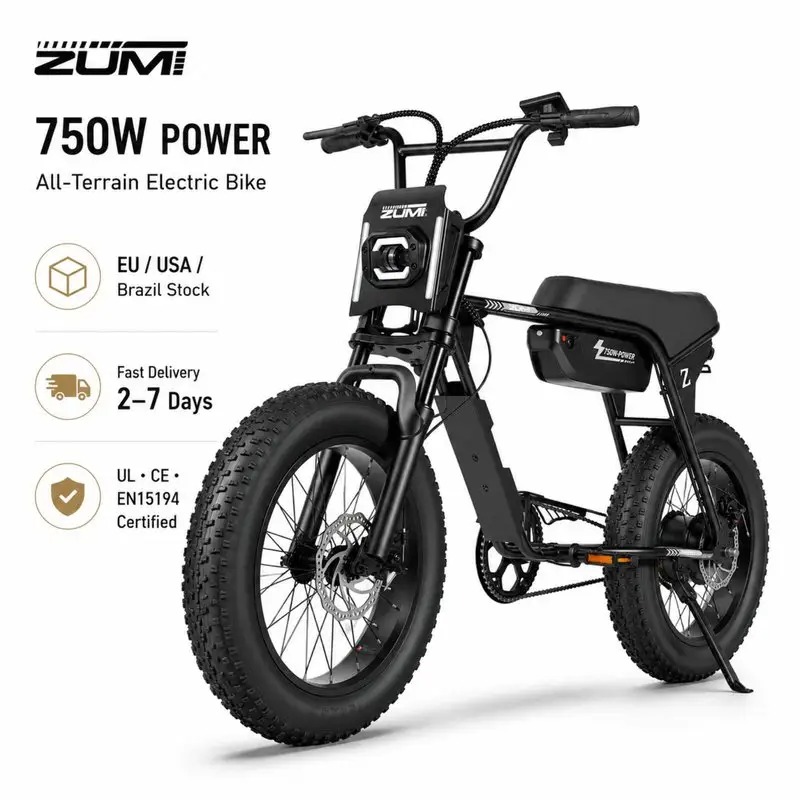
Launching a successful electric city bike sharing program requires careful planning, strategic infrastructure investment, and a deep understanding of urban commuter needs. Cities worldwide are increasingly recognizing the value of implementing electric city bike sharing systems to reduce congestion, lower emissions, and improve public transportation connectivity. Effective deployment strategies go far beyond simply purchasing vehicles and installing dock stations. Success depends on aligning program design with community demographics, travel patterns, infrastructure readiness, and funding mechanisms that ensure long-term viability.
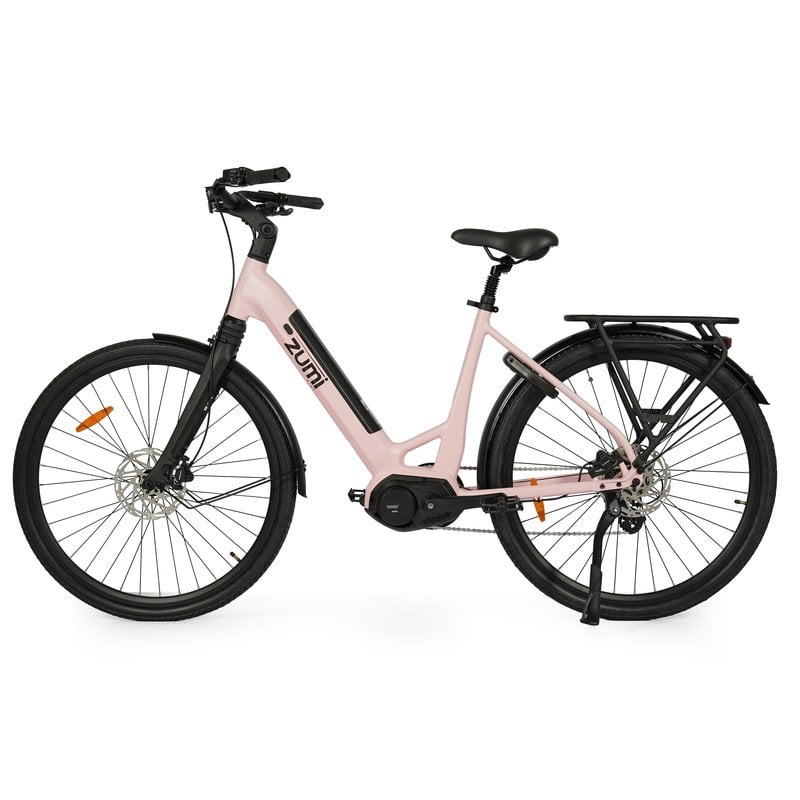
The transition from traditional bike sharing to electric bikes for city riding fundamentally changes program economics and operational complexity. Electric bikes offer extended range, reduced rider physical effort, and appeal to a broader demographic including older adults and those with mobility constraints. However, they introduce battery management, charging infrastructure, maintenance protocols, and higher capital costs that demand sophisticated operational planning. Understanding these unique requirements is essential before committing resources to a full-scale deployment.
Successful city cruiser electric bike programs begin with comprehensive site analysis that examines topography, existing transportation networks, population density, and commute patterns. Cities with hilly terrain or distributed employment centers benefit especially from electric bikes for city riding because they reduce physical barriers to adoption. Traffic data, transit ridership information, and demographic studies reveal where demand concentrates and which neighborhoods remain underserved by existing transportation options. This analysis informs optimal dock locations, fleet size requirements, and whether different neighborhoods need different electric bikes for city riding vehicle types.
An ebike city bike program's success hinges on reliable charging infrastructure that keeps vehicles available throughout operating hours. Planning must account for electrical capacity at dock sites, backup power systems for grid interruptions, and weather-resistant charging equipment designed for outdoor urban environments. Strategic dock placement near major employment centers, transit hubs, residential areas, and retail districts ensures riders can charge vehicles between trips. Partnerships with municipal utilities, property owners, and private businesses expand access to power infrastructure and reduce deployment costs. Advanced battery management systems track charge levels across the fleet and optimize rotation schedules to maximize vehicle availability.
Selecting appropriate urban commuting e bike models requires balancing payload capacity, motor power, battery range, durability, and serviceability. Heavier, more robust city cruiser electric bike designs withstand frequent user cycling, weather exposure, and vandalism better than lighter recreational models. Motor performance should accelerate riders from stopped positions and climb typical urban grades without excessive battery drain. Battery capacity must support typical trip distances in the deployment area, generally 20 to 40 miles per charge for urban environments. Standardizing on one or two proven electric bikes for city riding models simplifies spare parts inventory, technician training, and maintenance scheduling.
Urban commuting e bike platforms benefit from integrated locks, weatherproof electrical connectors, puncture-resistant tires, and corrosion-resistant frames suited to city environments. Ergonomic design that accommodates diverse rider heights, weights, and abilities encourages broader demographic participation. Step-through frame geometry enables easy mounting while wearing work clothes or carrying bags. Cargo racks and integrated storage support commuters carrying laptops, documents, or personal items. These urban-specific features distinguish effective city cruiser electric bike programs from generic bike share systems adapted from traditional bicycles.
Deployment strategy must address pricing models that balance revenue sustainability with equitable access across income levels. Many successful ebike city bike programs offer tiered memberships, subsidized passes for low-income riders, student discounts, and integration with existing transit payment systems. Dynamic pricing during peak commute hours encourages off-peak usage and manages demand at popular locations. Corporate partnerships funding employee passes increase adoption among working-age riders during commute periods. Community surveys and pilot programs in diverse neighborhoods reveal pricing sensitivity and usage patterns before full-scale rollout of the electric city bike infrastructure.
Successful electric bikes for city riding adoption requires educating riders about motor assistance, braking distances, weight handling, and urban cycling safety. Launching user awareness campaigns through digital channels, community centers, transit agencies, and schools builds familiarity before riders encounter city cruiser electric bike systems. Clear in-app guidance, helmet availability programs, and partnerships with local cycling organizations reduce safety incidents and liability exposure. Training emphasizing speed awareness, traffic rule compliance, and weather-appropriate practices ensures that electric bikes for city riding improve rather than compromise urban transportation safety. Incident tracking and community feedback loops continuously improve safety protocols and rider experiences.
Initial infrastructure typically includes dock stations with charging capability, backup power systems, network connectivity for real-time fleet monitoring, security cameras, and maintenance facilities. Costs vary significantly based on city size, geography, and whether existing bike infrastructure can be adapted. Most programs budget $3,000 to $5,000 per vehicle dock including electrical installation, structural reinforcement, and technology integration. Additional spending on central maintenance facilities, staff training, and customer service operations often equals or exceeds hardware costs. Phased deployment in high-demand neighborhoods reduces upfront risk before expanding to citywide coverage.
Sustainable revenue models combine user pass fees, advertising on stations and vehicles, corporate sponsorships, municipal funding, and partnerships with employers and universities. Membership flexibility including monthly subscriptions, day passes, and prepaid packages accommodates diverse user preferences. Premium pricing for electric bikes for city riding versus traditional bicycles captures willingness-to-pay from commuters seeking speed and convenience. Data from ride analytics reveals underutilized locations where dynamic pricing adjustments or station relocation can improve efficiency. Integration with regional transit systems through unified payment platforms increases adoption and generates cross-subsidy benefits.
Electric bikes for city riding systems require daily battery management, routine maintenance intervals, and rapid response to mechanical failures. Weather extremes, theft, and vandalism necessitate durable hardware and comprehensive insurance coverage. Staff scheduling must ensure adequate technicians and equipment to repair or replace vehicles within hours to maintain service availability. Redistribution logistics become more complex with heavier city cruiser electric bike vehicles requiring specialized vehicles rather than staff cycling units. Integration with weather services, traffic data, and demand forecasting systems optimizes vehicle positioning and maintenance scheduling to maximize availability during peak commuting periods.
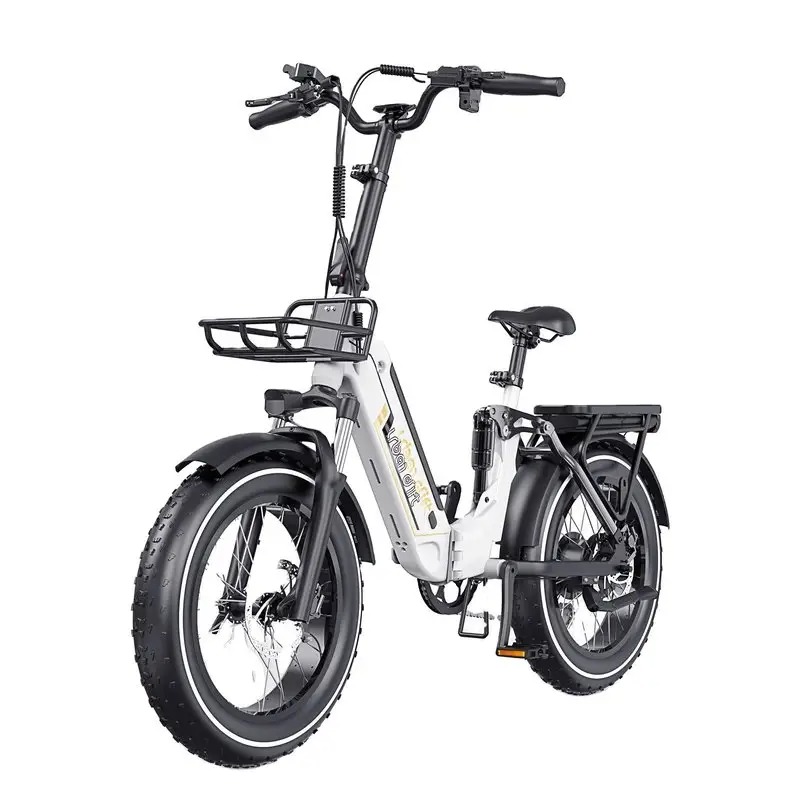
2026/08/03
Fix time zones, language gaps, and unclear protocols—boost speed, cut costs, and scale confidently.
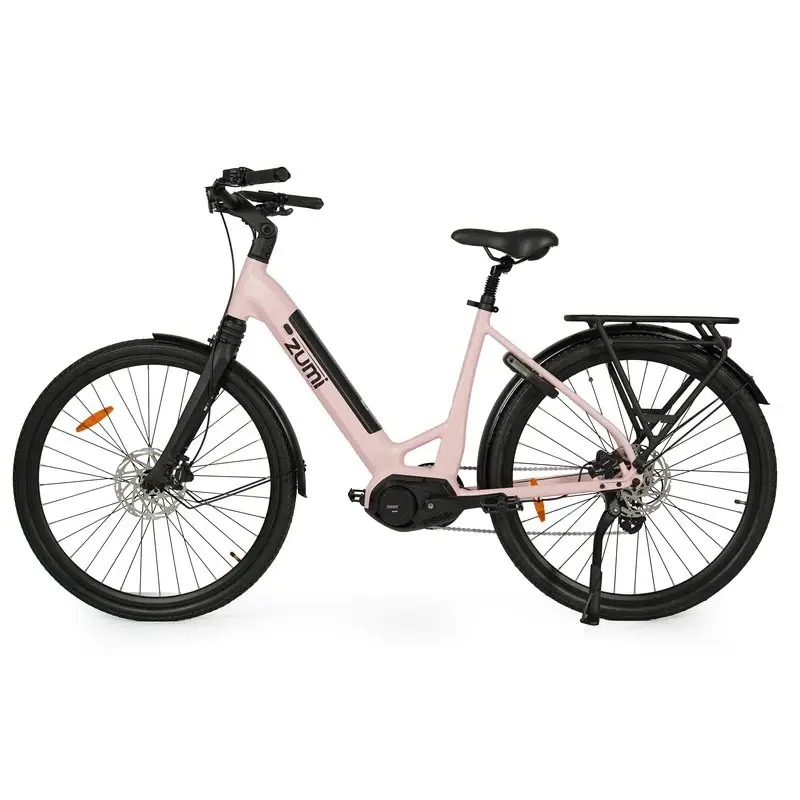
2026/08/03
Avoid liability & import bans: Learn IEC 62619, UN 38.3, and UL 2271—plus how to verify real compliance (not fakes).
2026/08/03
Learn precise air pressure, rebound & compression tuning for optimal suspension performance. Get pro-level setup tips now.
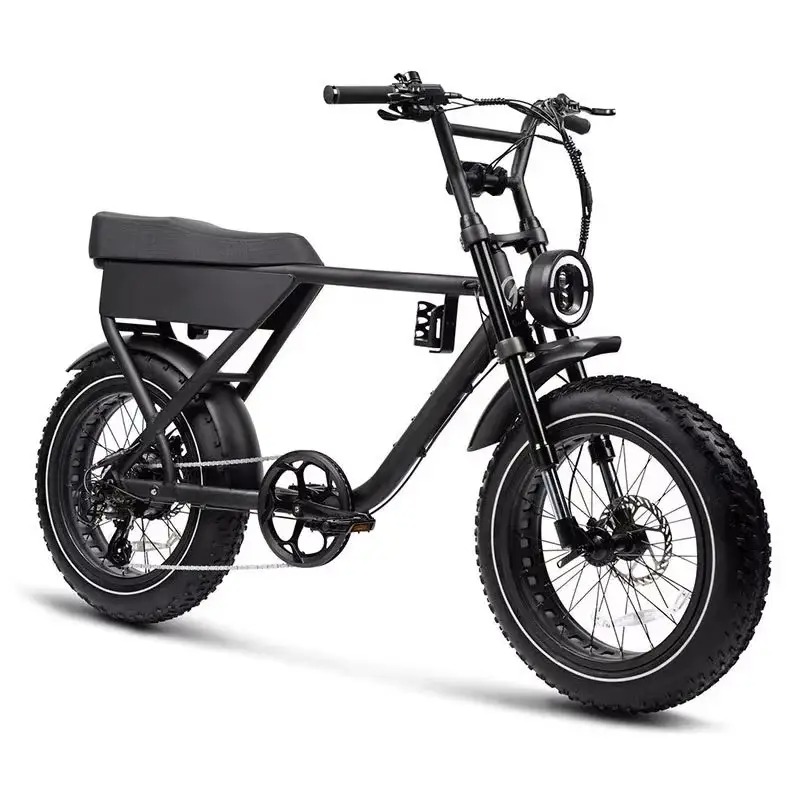
2026/08/03
Discover how voltage drop saps performance—and proven fixes to restore responsiveness, range, and battery life. Read now.
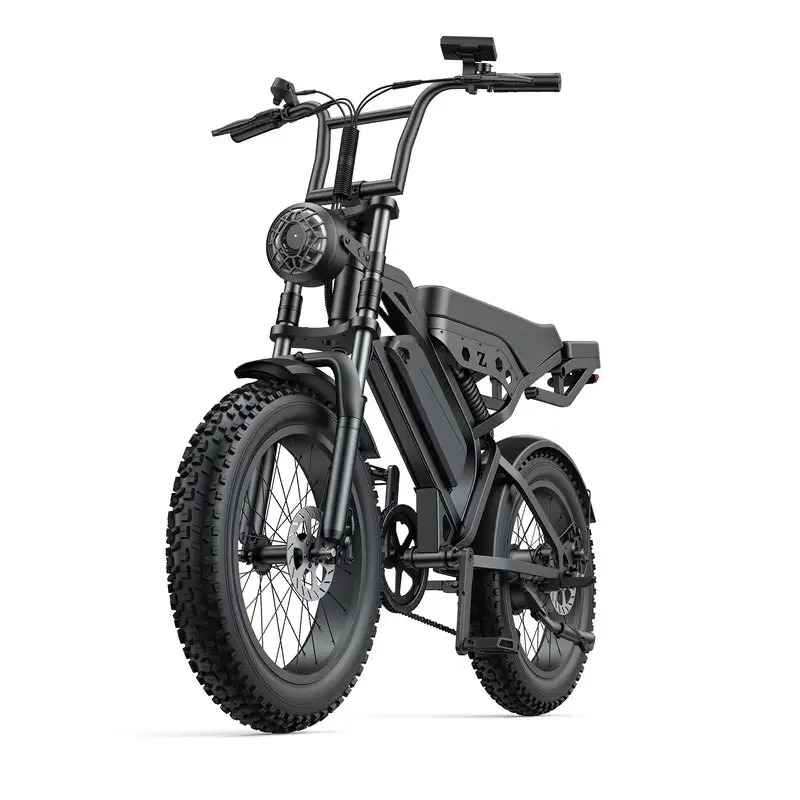
2026/08/03
Discover data-backed protocols, smart infrastructure & operational fixes. Optimize now.
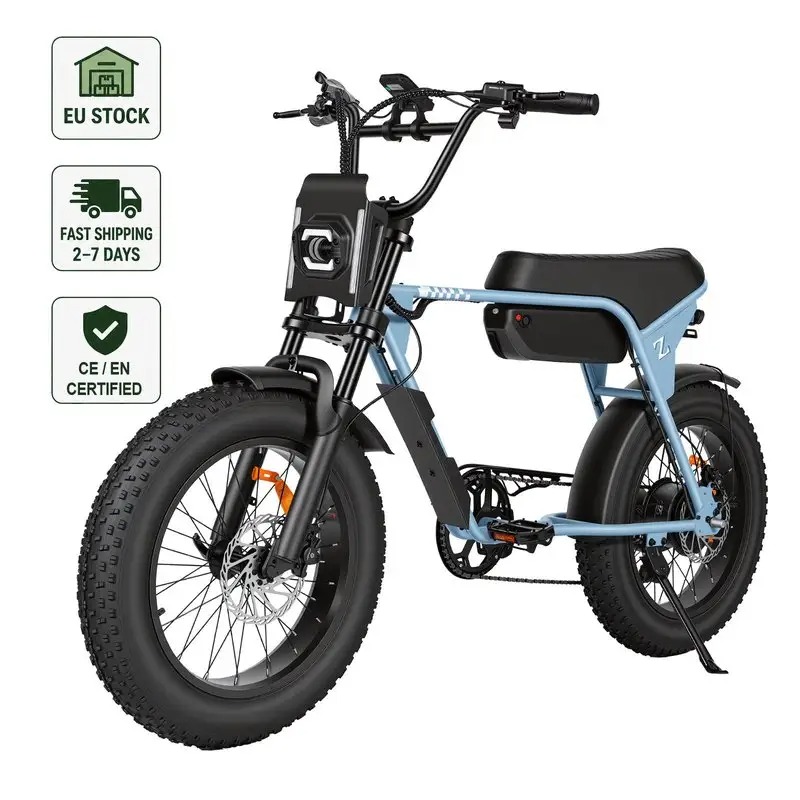
2026/08/03
How payload cuts 48V cargo ebike range by 15–50%+ — backed by real-world degradation curves, motor load science & fleet optimization strategies.
Comprehensive warranty, fast parts shipping, remote diagnostics and local dealer training


