 EN
EN
STEP 1
Full vehicle warranty for 2 years
2026/09/03
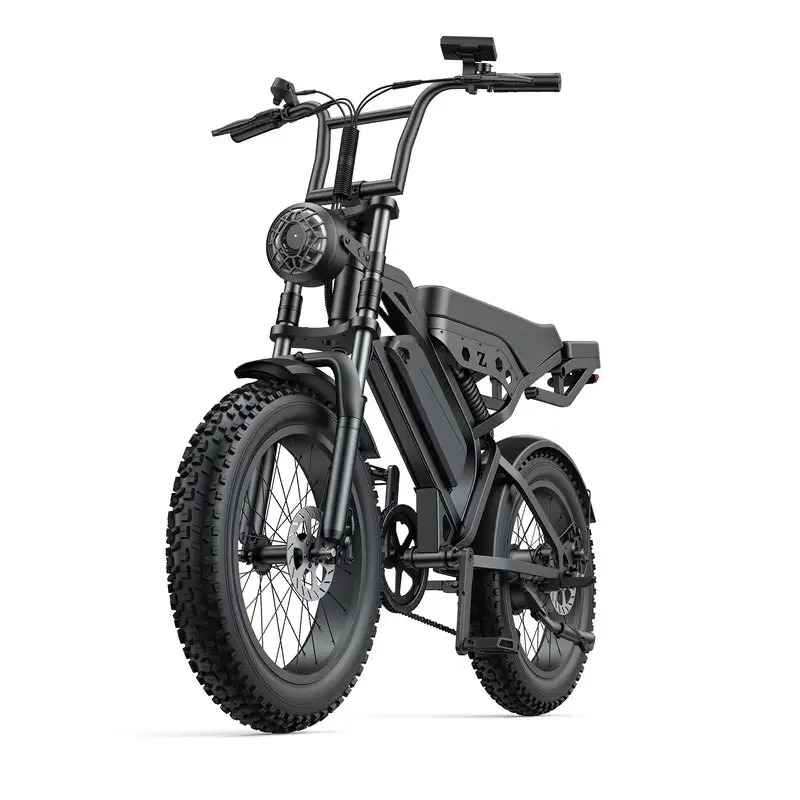
Choosing between direct sourcing from an ebike manufacturer and working through trading companies is one of the most critical decisions B2B buyers face in the electric bicycle industry. This choice directly impacts your supply chain costs, product quality, lead times, and long-term business viability. Many importers and retailers assume that trading companies offer convenience and risk mitigation, but the reality is far more nuanced. Direct relationships with an ebike manufacturer often unlock significant advantages that trading companies obscure through markup layers and reduced transparency.
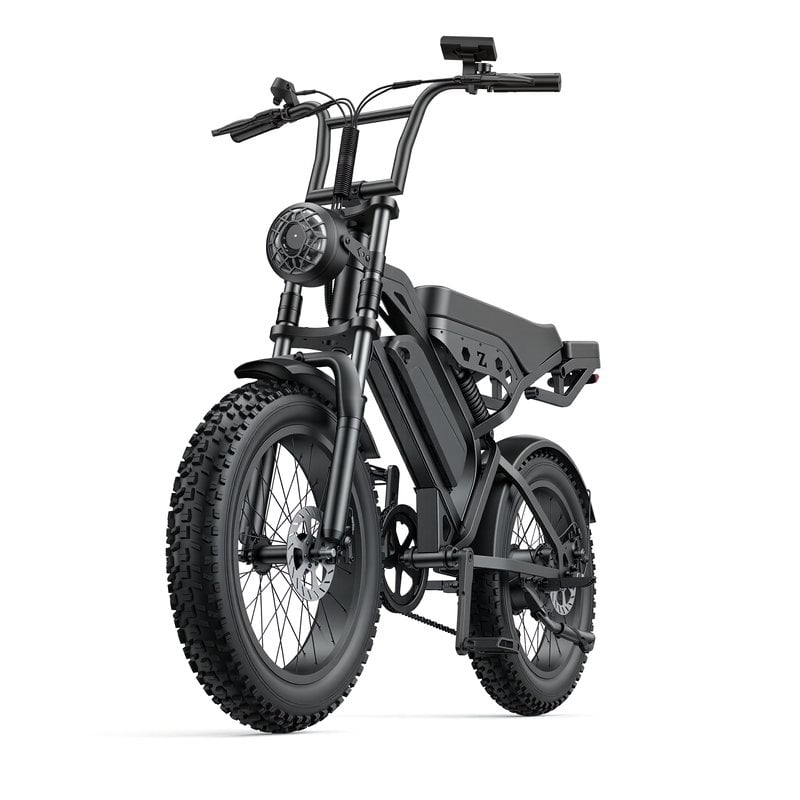
The electric bicycle market has grown rapidly over the past five years, attracting numerous sourcing intermediaries who position themselves as risk buffers between buyers and manufacturers. However, this intermediation comes at a cost that often outweighs the perceived benefits. When you work with a ebike manufacturer directly, you gain control over specifications, pricing, intellectual property, and quality standards. This article explores the strategic, financial, and operational differences between these two sourcing approaches, helping you make an informed decision aligned with your business scale and objectives.
Working directly with an ebikes manufacturers eliminates the intermediary markup, which typically ranges from 15% to 30% depending on the trading company's position and negotiating power. An e bike maker offering direct sales passes volume discounts, tooling cost reductions, and bulk pricing incentives directly to you rather than to a middleman. Your per-unit cost decreases significantly as order volumes increase, and you avoid paying for the trading company's overhead, storage, and profit margin. Additionally, direct relationships with e bicycle manufacturers allow for flexible pricing structures, such as FOB pricing, CIF arrangements, or consignment terms tailored to your cash flow needs. The transparency in costing also reveals exactly where your money goes, enabling better margin management and competitive positioning in your market.
Trading companies typically add 20% to 35% markup on products sourced from chinese electric bicycle manufacturers, citing quality control, logistics coordination, and buyer protection as justification. However, these services often include hidden fees for documentation, inspection, expedited shipping, or product modifications that emerge during the transaction. Many trading companies also charge minimum order quantities that are higher than what the manufacturer would impose, forcing buyers to carry excess inventory or accept products they didn't originally need. Warehousing costs, handling charges, and currency conversion spreads further inflate the final landed cost. When you calculate the true cost of trading company involvement, the convenience often proves illusory and financially unjustifiable for businesses with established logistics capabilities.
Direct engagement with an ebikes manufacturers grants you unmediated access to product design, material specifications, and manufacturing processes. You can visit the factory, inspect production runs, and enforce quality standards without interpretation by an intermediary. Customization becomes faster and more cost-effective because design changes flow directly between your engineering team and the manufacturer's production department. An e bike maker responding directly to your requests can adjust frame geometry, battery configurations, motor specifications, or aesthetic details without translation delays or miscommunication through a trading company. Your quality control team can establish inspection protocols, sampling rates, and defect tolerance levels that reflect your brand standards rather than generic trading company benchmarks. This direct control is especially critical for e bicycle manufacturers seeking differentiation through unique product features or performance specifications.
Trading companies impose a quality filter that may not align with your specific market expectations or customer demographics. Their quality checks reflect generic industry minimums rather than your brand's requirements, potentially resulting in products that meet trading company standards but disappoint your end customers. When defects or specification mismatches occur, the remediation process becomes bureaucratic and slow, involving back-and-forth communication between your company, the trading company, and the chinese electric bicycle manufacturers. Liability becomes ambiguous: is the trading company responsible, or does the manufacturer bear the cost? This uncertainty often leaves buyers absorbing losses. Additionally, trading companies may rotate between multiple manufacturers to optimize their margins, meaning your products lack the consistency and relationship depth that long-term direct partnerships provide.
An e bike maker prioritizing your account moves faster on urgent requests, design iterations, and expedited shipments than trading companies constrained by multiple customer queues. Direct communication eliminates communication layers that typically add two to four weeks to project timelines. If you need a batch with modified specifications, a direct relationship with ebikes manufacturers allows you to negotiate lead times and start dates without waiting for a trading company to present your request to the producer. Seasonal demand fluctuations, market opportunities, and competitive threats require agility that trading companies cannot reliably provide because their incentive structure discourages rapid pivots. E bicycle manufacturers accustomed to direct business relationships invest in production flexibility and have systems in place to accommodate custom runs, short lead times, and design variations that align with your business rhythm.
Trading companies operate on standardized order schedules and batch processes designed to aggregate demand across multiple customers. This approach optimizes their logistics costs but creates inflexibility for individual buyers. A request that takes one week to resolve directly may take six weeks through a trading company because it must be queued, prioritized against other client demands, and processed through formal change-order procedures. Many chinese electric bicycle manufacturers prioritize direct customers over trading company orders because direct buyers offer higher margins and loyalty incentives. Trading companies have limited authority to negotiate rush production or expedited shipping without adding significant premiums. For growing businesses or those serving time-sensitive markets, this inflexibility compounds over time, causing missed opportunities and frustration with missed commitments.
Building a direct relationship with an ebike manufacturer positions your company as a valued partner rather than a transactional customer. Manufacturers invest in partners with long-term potential, offering insights into upcoming component innovations, manufacturing improvements, and market trends. An e bike maker that knows your market and brand aspirations can proactively suggest design enhancements, material substitutions, or cost-saving strategies that strengthen your competitive position. Direct partnerships also facilitate intellectual property protection, joint product development, and exclusive specifications that differentiate your brand. Over time, your account receives priority in production scheduling, access to new production capacity, and consideration for volume-based innovations. This relationship depth creates switching costs that protect your supply chain stability and provide negotiating leverage for better terms.
Trading companies view each transaction as an isolated deal, not a long-term partnership. They have no incentive to invest in understanding your market, your customers, or your strategic goals because their revenue model depends on transaction volume and markup, not partnership success. An e bicycle manufacturers working through trading companies has no direct feedback on how their products perform in your market or how customers perceive quality. This information gap prevents collaborative innovation and continuous improvement. Trading companies often rotate between suppliers or shift priorities based on short-term margin opportunities, meaning your supply chain lacks stable continuity. If a trading company loses competitive advantage or faces financial difficulty, your supply chain disrupts immediately because you have no fallback relationship with the actual ebikes manufacturers.
Trading companies make sense for first-time importers with very small order volumes, companies lacking import expertise or logistics infrastructure, or buyers needing rapid one-off purchases without ongoing supplier relationships. If you are testing a new market, cannot commit to minimum container quantities, or lack international business experience, a trading company reduces operational risk and learning curve. However, once your business scales beyond pilot volumes or you develop internal import capabilities, the financial and operational case for trading companies deteriorates significantly.
Most e bicycle manufacturers set minimum orders of 50 to 200 units per SKU depending on product complexity, customization level, and the manufacturer's production capacity. This is typically lower than trading company minimums, which often enforce 500+ unit requirements to justify their overhead. Direct communication with an e bike maker allows negotiation on these thresholds, especially if you offer volume commitments or regular repeat orders. Smaller minimums are achievable for established partnerships or for orders combining multiple product variations.
Direct risk mitigation includes establishing clear written specifications and contracts, conducting factory audits and production inspections, implementing staged payment terms tied to milestones, and maintaining quality control checkpoints at production, packing, and shipping stages. Diversifying across multiple e bicycle manufacturers or reserving capacity with backup suppliers also protects against single-point failures. Third-party inspection services provide independent verification, and trade credit insurance protects against payment defaults or delivery failures by the ebike manufacturer.
2026/08/03
Fix time zones, language gaps, and unclear protocols—boost speed, cut costs, and scale confidently.
2026/08/03
Avoid liability & import bans: Learn IEC 62619, UN 38.3, and UL 2271—plus how to verify real compliance (not fakes).
2026/08/03
Learn precise air pressure, rebound & compression tuning for optimal suspension performance. Get pro-level setup tips now.
2026/08/03
Discover how voltage drop saps performance—and proven fixes to restore responsiveness, range, and battery life. Read now.
2026/08/03
Discover data-backed protocols, smart infrastructure & operational fixes. Optimize now.
2026/08/03
How payload cuts 48V cargo ebike range by 15–50%+ — backed by real-world degradation curves, motor load science & fleet optimization strategies.
Comprehensive warranty, fast parts shipping, remote diagnostics and local dealer training


