 EN
EN
STEP 1
Full vehicle warranty for 2 years
2026/08/21
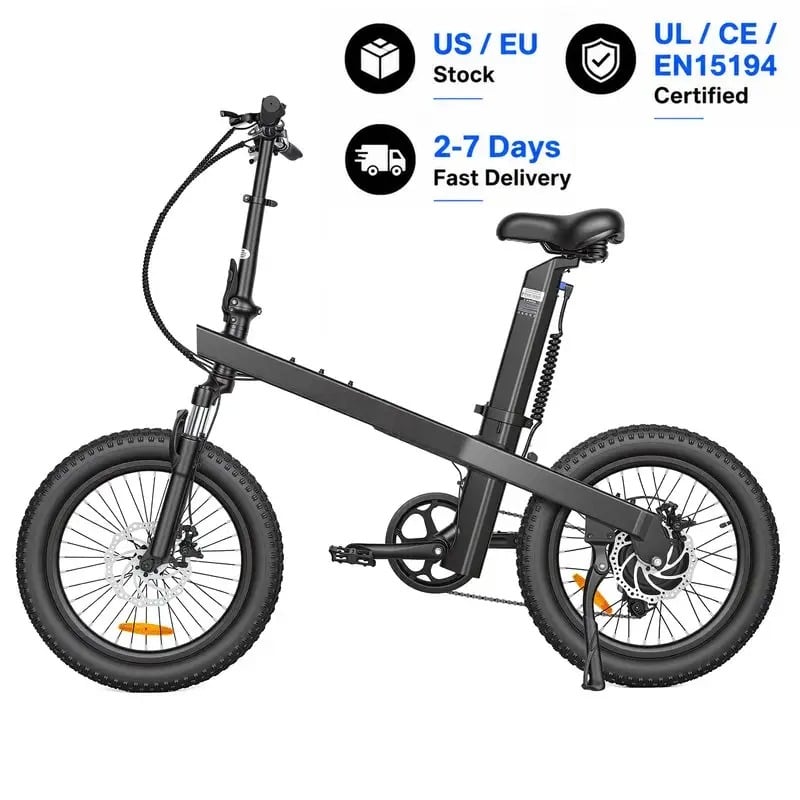
Direct sourcing has become a critical competitive advantage for electric fat bike manufacturers seeking to optimize production costs and maintain supply chain resilience. Rather than relying solely on distributors or intermediaries, electric fat bike manufacturers can establish direct relationships with component suppliers, raw material vendors, and specialized manufacturers to gain greater control over quality, pricing, and delivery timelines. This strategic approach is particularly valuable in the rapidly evolving ebike industry, where innovation cycles are short and market demand fluctuates significantly. Understanding how to execute effective direct sourcing strategies enables electric fat bike manufacturers to reduce overhead, accelerate time-to-market, and build stronger partnerships across their supply ecosystem.
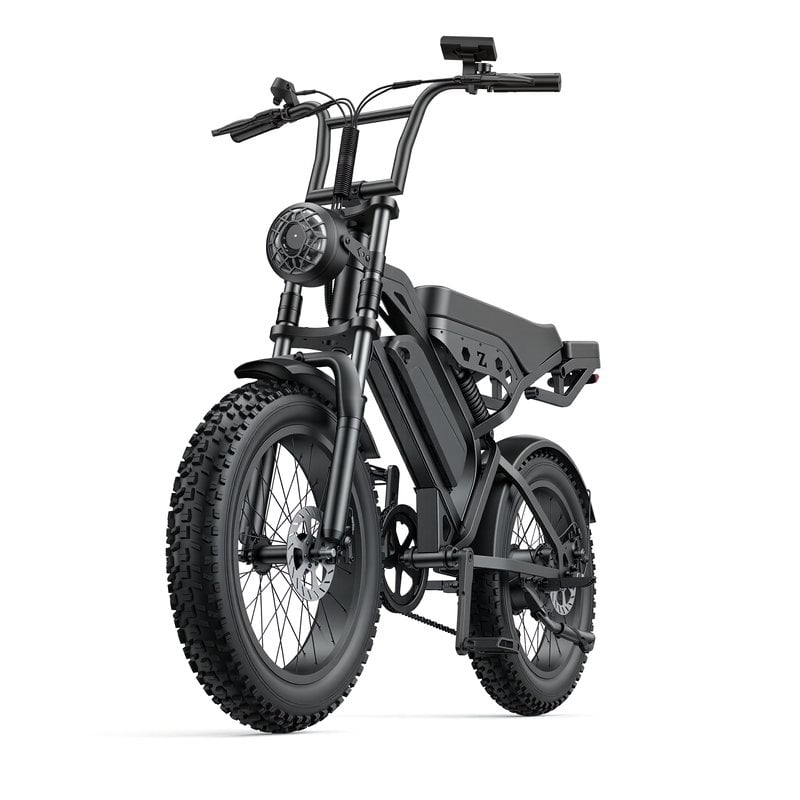
The complexity of sourcing for an ebike manufacturer extends beyond simple procurement. A fat tire ebike integrates sophisticated components including motor systems, battery packs, frame materials, suspension systems, and electronic controllers. Direct sourcing strategies must account for minimum order quantities, lead times, regulatory compliance, and quality assurance protocols. By developing a structured approach to direct sourcing, ebike manufacturers can unlock operational efficiencies that translate into competitive pricing, faster product iterations, and improved customer satisfaction across their entire product line.
When an ebike manufacturer evaluates its supply chain, it must identify distinct categories of suppliers that directly impact product performance and cost structure. Motor suppliers form the technical foundation of any fat tire ebike, with hub motors and mid-drive systems offering different integration pathways. Battery suppliers must meet stringent energy density, safety, and cycle-life specifications. Frame fabricators and suspension specialists require deep expertise in materials engineering. Brake system providers, tire specialists, and electronics manufacturers each serve critical roles. Direct sourcing means establishing relationships with ebike factory partners who can demonstrate consistent quality, scalability, and innovation commitment. An ebike manufacturer benefits from consolidating suppliers while maintaining competitive redundancy for critical components.
Qualifying suppliers as a fat tire ebike manufacturer requires systematic evaluation of certifications, production capacity, quality management systems, and technical expertise. Experienced ebike factories typically maintain ISO 9001 certification, CE compliance documentation, and third-party testing credentials. Site visits and sample production runs help verify manufacturing capabilities and cultural fit. An ebike factory's ability to support R&D collaboration, accommodate design iterations, and scale production quickly distinguishes true strategic partners from transactional vendors. Direct sourcing relationships thrive when both parties are aligned on long-term growth and continuous improvement.
Direct sourcing enables electric fat bike manufacturers to leverage volume commitments in exchange for favorable pricing and priority allocation. Rather than purchasing through distributors with markup layers, manufacturers can negotiate directly with component makers and material suppliers. Tiered pricing structures reward scale while providing flexibility for smaller initial orders during product launches. An ebike manufacturer that commits to quarterly volume forecasts often receives 15–25% cost reductions compared to spot-market purchases. Establishing multi-year framework agreements with key fat tire ebike component suppliers creates predictability and strengthens negotiating leverage for both parties.
Beyond unit pricing, direct sourcing negotiations should address payment terms, delivery schedules, and inventory management protocols. An ebike factory partner willing to offer extended payment terms—60, 90, or 120 days—improves cash flow for growing manufacturers. Consignment arrangements, vendor-managed inventory programs, and blanket purchase order structures provide supply security while reducing working capital requirements. Successful ebike manufacturer partnerships often include performance clauses that define quality rejections, on-time delivery expectations, and collaborative problem-solving processes. These terms create accountability and align supplier incentives with manufacturer success.
Direct sourcing transcends transactional procurement when electric fat bike manufacturers engage suppliers as innovation partners. Sharing product roadmaps, performance targets, and market insights allows ebike factory partners to develop components and systems that anticipate future needs. Joint design sessions, prototype testing collaborations, and field trial partnerships accelerate product development cycles. An ebike manufacturer that invests in supplier relationships through regular communication, joint training programs, and recognition initiatives builds resilience into its supply chain. Suppliers who understand the manufacturer's strategic direction become more responsive to changing requirements and more willing to invest in capacity and capability improvements.
While direct sourcing concentrates relationships with fewer ebike factory partners, it requires parallel strategies for supply chain resilience. Identifying secondary sources for critical components, maintaining strategic inventory buffers, and building contingency protocols protects against supplier disruptions. An ebike manufacturer should diversify geographic sourcing to reduce exposure to regional supply shocks or geopolitical risks. Transparent communication about capacity constraints, demand fluctuations, and contingency scenarios strengthens supplier partnerships during challenging periods. Regular audits and capability reviews ensure that fat tire ebike suppliers maintain standards and can scale operations when market demand accelerates unexpectedly.
Direct sourcing reduces costs by eliminating distributor markups, improves quality control through direct oversight, accelerates delivery timelines, and enables closer collaboration on product innovation. An ebike manufacturer gains visibility into production processes and can negotiate favorable pricing based on volume commitments. Additionally, direct relationships allow faster response to market changes and provide opportunities for customization and exclusive component access that differentiate products in competitive markets.
Evaluation should include certifications (ISO 9001, CE compliance), production capacity relative to growth plans, quality management systems, technical expertise, financial stability, and cultural alignment. Site audits, sample production runs, and reference checks from existing customers provide insights into reliability and performance. An ebike factory's willingness to support R&D, accommodate design changes, and provide transparent communication about constraints and capabilities indicates partnership potential and commitment to mutual success.
Challenges include managing minimum order quantities that may exceed initial demand, coordinating complex logistics, handling quality inconsistencies or delays, and building trust across cultural or language differences. An ebike manufacturer must invest time in supplier relationship management, compliance monitoring, and contingency planning. Supplier concentration risk—relying too heavily on single sources for critical components—requires parallel sourcing strategies. Early commitment to clear communication protocols and performance expectations mitigates these risks and strengthens partnership resilience.
2026/08/03
Fix time zones, language gaps, and unclear protocols—boost speed, cut costs, and scale confidently.
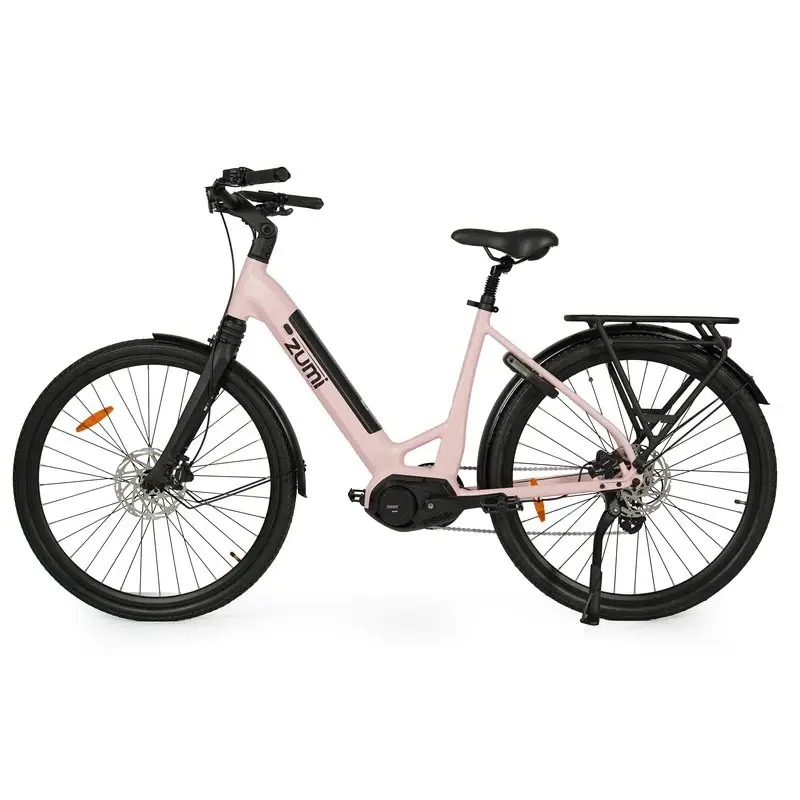
2026/08/03
Avoid liability & import bans: Learn IEC 62619, UN 38.3, and UL 2271—plus how to verify real compliance (not fakes).
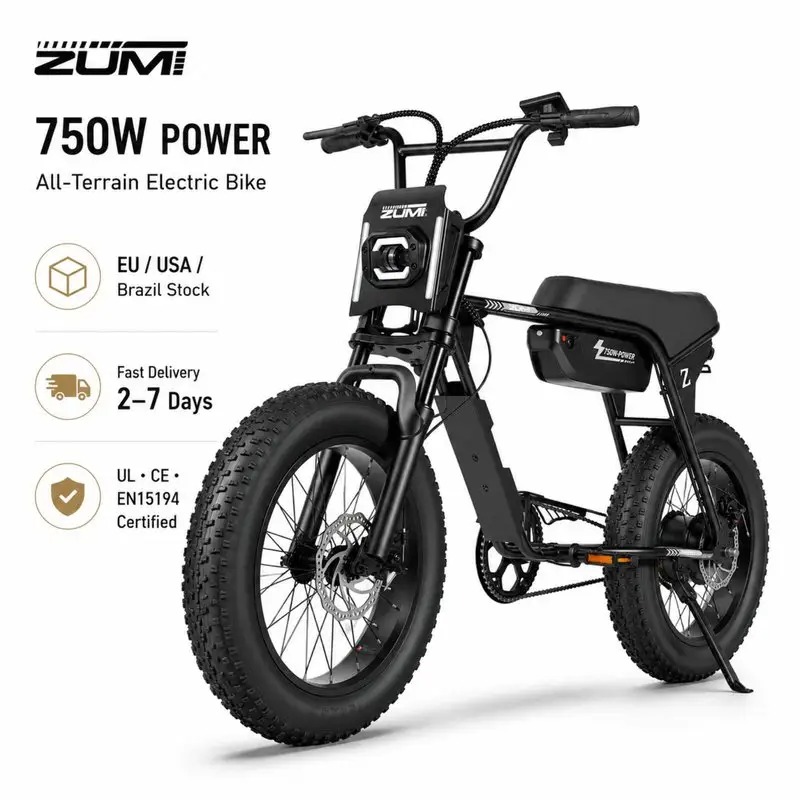
2026/08/03
Learn precise air pressure, rebound & compression tuning for optimal suspension performance. Get pro-level setup tips now.
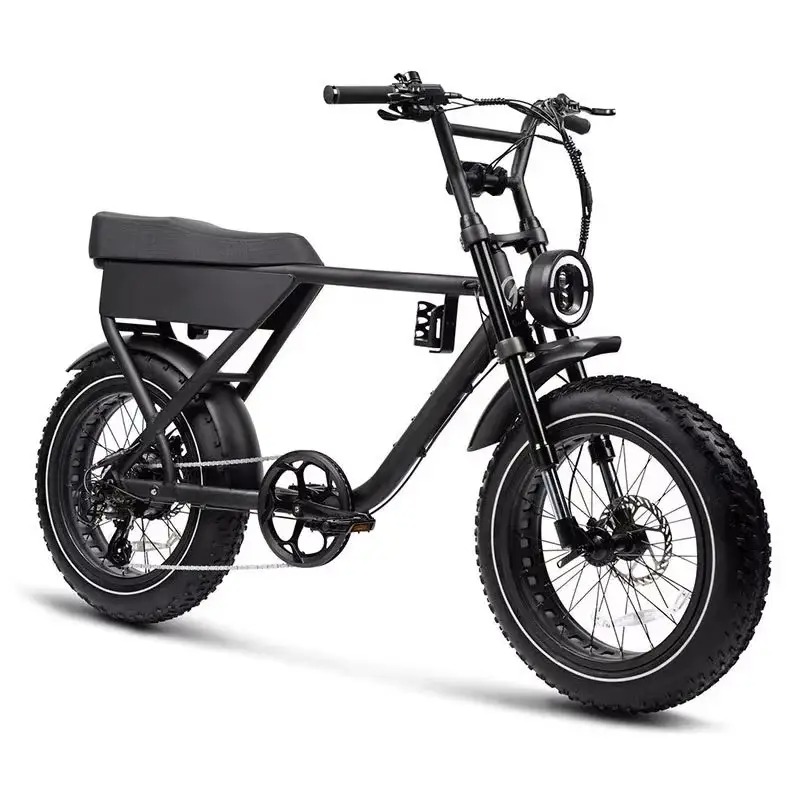
2026/08/03
Discover how voltage drop saps performance—and proven fixes to restore responsiveness, range, and battery life. Read now.
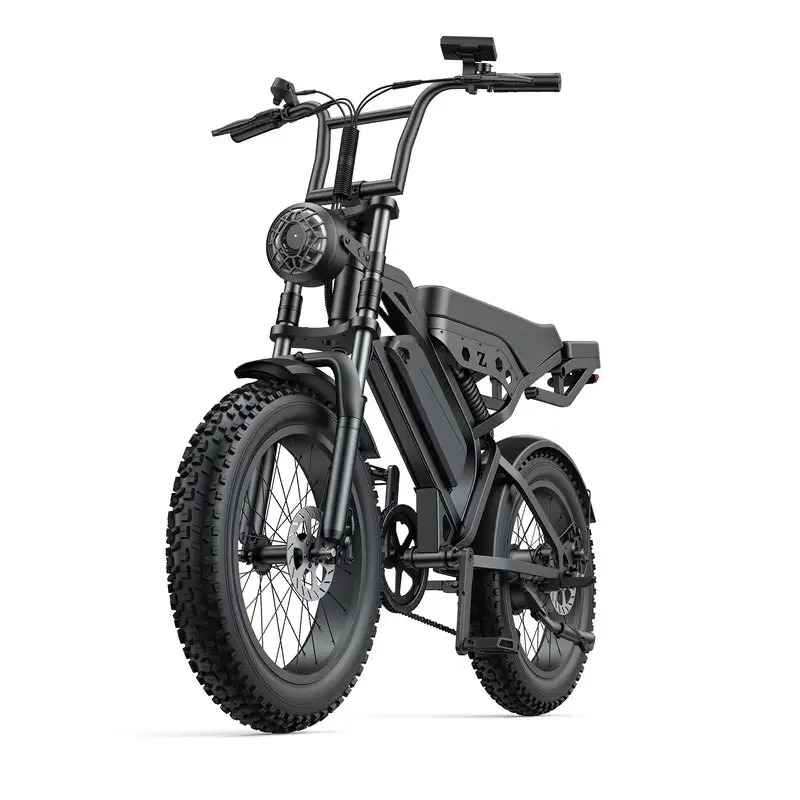
2026/08/03
Discover data-backed protocols, smart infrastructure & operational fixes. Optimize now.
2026/08/03
How payload cuts 48V cargo ebike range by 15–50%+ — backed by real-world degradation curves, motor load science & fleet optimization strategies.
Comprehensive warranty, fast parts shipping, remote diagnostics and local dealer training


