 EN
EN
STEP 1
Full vehicle warranty for 2 years
2026/08/07
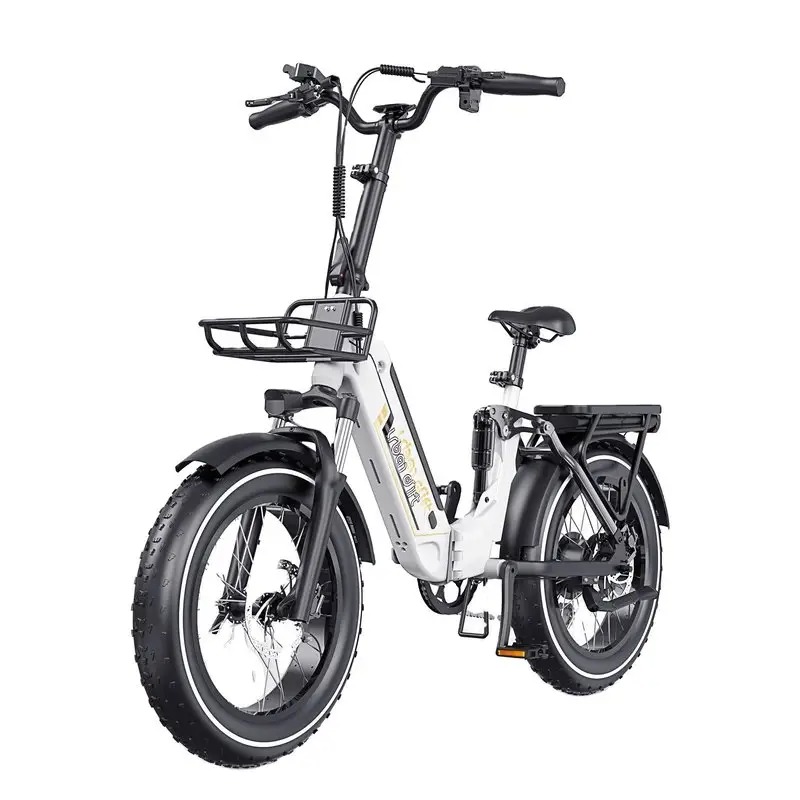
The global electric bike market continues to expand rapidly, and businesses increasingly face a critical decision: sourcing from established e bike manufacturers or investing in local assembly operations. This choice fundamentally affects production timelines, quality control, inventory management, and overall profitability. Understanding the cost structures and efficiency differences between these two approaches is essential for making a decision that aligns with your business objectives and market positioning.
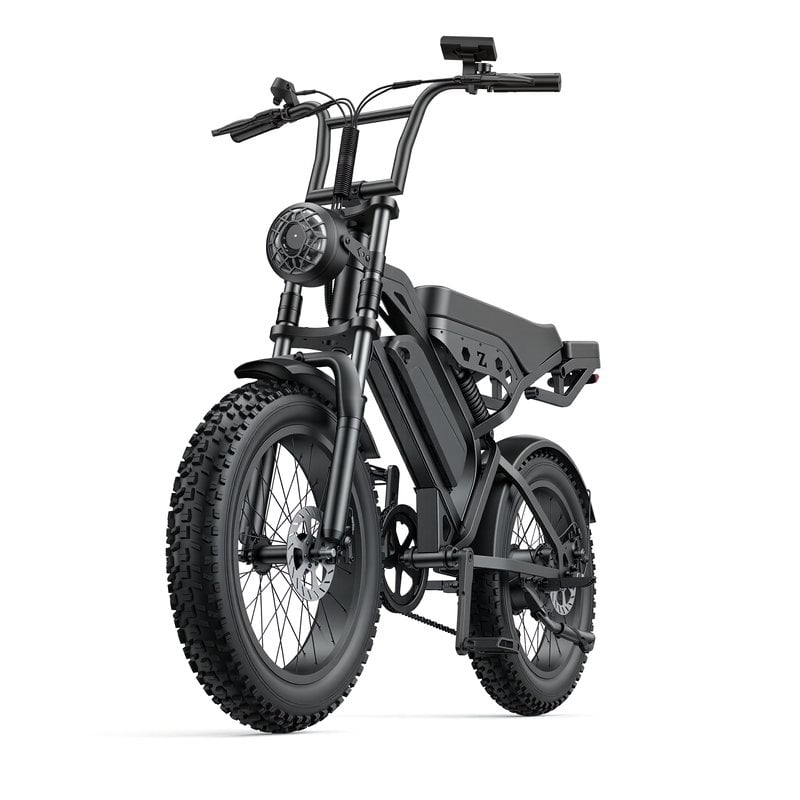
Each approach offers distinct advantages and trade-offs. Established ebike manufacturers bring economies of scale, proven supply chains, and advanced production capabilities. Local assembly, meanwhile, provides flexibility, reduced shipping costs, and potential tariff advantages. The optimal path depends on your production volume, target market, capital availability, and strategic timeline.
Large-scale ebike factory operations achieve significant per-unit cost reductions through volume production. An ebike manufacturer producing hundreds of thousands of units annually spreads fixed costs across a much larger output than a local assembly operation. Component sourcing becomes more competitive when buyers commit to high volumes, securing better pricing on batteries, motors, frames, and electronics from suppliers worldwide. This purchasing power translates directly into lower production costs per unit.
Established ebike manufacturers have invested heavily in specialized equipment, automated production lines, and quality assurance systems. These infrastructure investments become cost-efficient only at high volumes. When you source from an ebike factory that already operates at this scale, you benefit from their infrastructure without bearing the capital expense yourself. The result is typically 20 to 40 percent lower per-unit production costs compared to small-scale local assembly.
An experienced ebike manufacturer maintains established relationships with multiple component suppliers, ensuring supply chain resilience and competitive pricing. These manufacturers have navigated component shortages, supplier changes, and logistics disruptions over many years, developing contingency plans and redundancies. Local assembly operations typically lack these established networks, making them vulnerable to supply chain interruptions and price volatility.
Quality consistency from an electric bike wholesale supplier is generally higher due to standardized processes and years of production experience. The factory has systems in place to manage defect rates, warranty claims, and quality compliance across batches. Switching to local assembly means building these quality management systems from scratch, requiring significant operational expertise and oversight.
Local assembly requires substantial upfront capital for facility space, equipment, tooling, and skilled labor training. You must lease or purchase assembly space, install production stations, purchase component handling equipment, and establish quality control checkpoints. Initial setup costs can range from $100,000 to $500,000 depending on automation level and production volume targets. Additionally, you need working capital to maintain inventory of components before assembly and finished units after completion.
These fixed costs must be absorbed by per-unit production volume. If your local assembly operation targets 5,000 units annually, each unit carries a higher burden of fixed costs compared to an ebike factory producing 500,000 units. The break-even point for local assembly typically requires substantial production volume to become cost-competitive with established manufacturers.
Local assembly labor costs depend heavily on geographic location and wage levels. In developed markets, skilled assembly labor typically costs $20 to $35 per hour plus benefits. An electric bike wholesale operation in a lower-cost region might achieve $5 to $15 per hour, making local assembly more cost-competitive. However, lower wages alone do not guarantee efficiency; you must invest in training, quality systems, and management infrastructure to maintain standards.
Local assembly provides operational flexibility that large manufacturers cannot match. You can adjust production volumes quickly, customize product configurations, and respond to market changes without long lead times or minimum order quantities. This agility is valuable for niche markets or rapidly evolving product lines where demand patterns are uncertain. However, this flexibility comes at a cost: lower production efficiency and higher per-unit labor expenses at lower volumes.
A comprehensive cost comparison must include not just production expenses but also quality control, logistics, inventory carrying costs, and time-to-market. Sourcing from an ebike factory typically involves longer lead times, often 8 to 12 weeks between order and delivery, requiring larger inventory buffers and increased carrying costs. Local assembly allows just-in-time production, reducing inventory investment and aging stock risk. For businesses with seasonal demand or uncertain sales forecasts, this flexibility can offset higher per-unit production costs.
Transportation costs also factor significantly into the total cost equation. Importing complete units from overseas manufacturers includes ocean freight, customs clearance, and inland distribution. Local assembly eliminates import logistics for finished goods, reducing costs by $100 to $300 per unit depending on destination. However, you still must import components, which is generally cheaper than shipping finished units due to higher density and lower dimensional weight.
Established ebike manufacturers have developed quality systems refined over years of production. Warranty claims are typically lower because manufacturing processes are optimized, defect rates are understood, and corrective actions are systematic. Local assembly operations often experience higher defect rates initially, leading to increased warranty costs, returns, and customer dissatisfaction. Building a quality culture and establishing reliable processes requires operational maturity and is often underestimated in cost projections.
The reputational impact of quality issues affects long-term profitability more significantly than short-term cost savings. An ebike factory with proven performance reduces this risk. If local assembly quality falls short, customer satisfaction suffers, repeat purchases decline, and negative reviews damage market position. Factor warranty expenses, return logistics, and reputational value into your total cost analysis.
Established ebike manufacturers are the optimal choice when your production volume exceeds 10,000 units annually, cost leadership is a key competitive advantage, and you lack operational expertise in assembly. Large-scale production volumes justify the manufacturer's standard configurations and minimum order quantities. If you operate globally and need consistent product quality across markets, the standardization from a professional ebike factory supports your brand positioning and customer expectations.
Choose this approach when capital is limited and you want to avoid infrastructure investment. You can focus financial resources on marketing, distribution, and customer acquisition instead of building production capabilities. The risk profile is also lower; if market demand shifts, you can adjust orders rather than managing underutilized assembly facilities.
Local assembly becomes economically viable when you have predictable demand of 5,000 to 15,000 units annually in a cost-effective geographic region, need product customization or rapid market response, and have operational management expertise available. In this volume range, lower labor costs and reduced logistics expenses can offset higher per-unit manufacturing costs. If your market demands frequent model changes, quick customization, or rapid delivery, local assembly flexibility justifies the operational investment.
This approach also suits businesses building a differentiated brand around local production, sustainability credentials, or supply chain transparency. Consumers increasingly value domestically assembled products, potentially supporting premium pricing that offsets higher production costs. Local assembly enables this positioning while maintaining direct quality control and supply chain visibility.
Typically, production volumes of 8,000 to 12,000 units annually in lower-cost regions approach parity with established ebike factory costs when you factor in logistics savings and inventory carrying costs. Below this threshold, per-unit costs generally remain higher for local assembly. However, this threshold varies based on geographic location, labor rates, component sourcing capabilities, and logistics distance. Conduct a detailed financial model for your specific circumstances rather than relying on general benchmarks.
Established ebike manufacturers typically achieve defect rates of 1 to 3 percent due to refined processes and quality systems. Local assembly operations often see 3 to 8 percent defect rates initially, declining as processes improve over time. These differences directly impact warranty costs, customer satisfaction, and long-term profitability. Factor expected warranty expenses into your total cost analysis; the savings from lower production costs can be quickly erased by higher defect-related costs.
Sourcing from established ebike manufacturers creates geographic and import dependency risks if a single factory serves your supply. Component shortages, geopolitical disruptions, or factory capacity constraints can delay shipments significantly. Local assembly mitigates these risks but creates new ones: reliance on local component suppliers who may lack redundancy, limited access to specialized components, and vulnerability to local economic changes. Diversifying suppliers, maintaining safety stock, and building flexibility into your production plans addresses both scenarios.
2026/08/03
Fix time zones, language gaps, and unclear protocols—boost speed, cut costs, and scale confidently.
2026/08/03
Avoid liability & import bans: Learn IEC 62619, UN 38.3, and UL 2271—plus how to verify real compliance (not fakes).
2026/08/03
Learn precise air pressure, rebound & compression tuning for optimal suspension performance. Get pro-level setup tips now.
2026/08/03
Discover how voltage drop saps performance—and proven fixes to restore responsiveness, range, and battery life. Read now.
2026/08/03
Discover data-backed protocols, smart infrastructure & operational fixes. Optimize now.
2026/08/03
How payload cuts 48V cargo ebike range by 15–50%+ — backed by real-world degradation curves, motor load science & fleet optimization strategies.
Comprehensive warranty, fast parts shipping, remote diagnostics and local dealer training


