 EN
EN
STEP 1
Full vehicle warranty for 2 years
2026/08/06
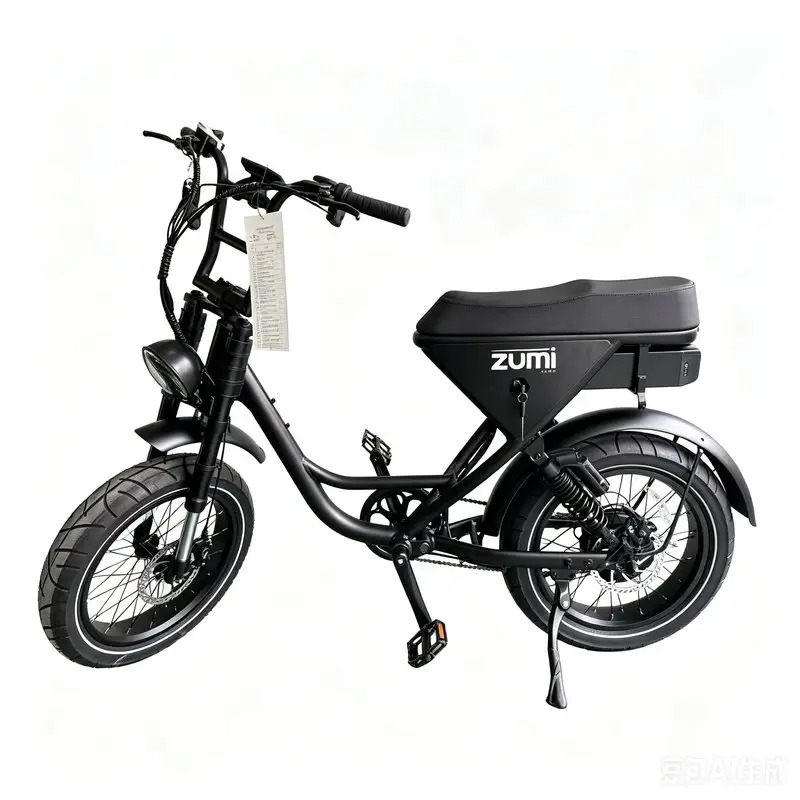
Starting an electric bike business requires careful consideration of your sourcing strategy. Choosing between working with established e bike suppliers and purchasing directly from ebike factory operations represents one of the most critical decisions you will make. This choice directly impacts your capital requirements, operational complexity, time to market, and long-term profitability. Both pathways offer distinct advantages and limitations that align differently with startup circumstances, resources, and growth ambitions.
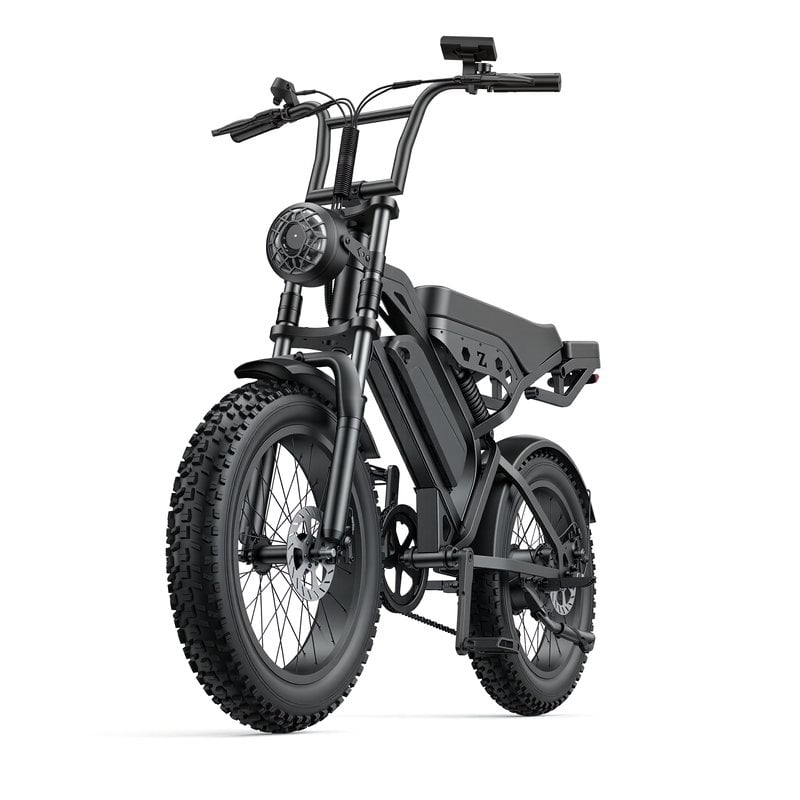
Understanding the nuances between these two sourcing models helps you allocate resources efficiently and avoid costly missteps. Established ebike supplier networks provide proven logistics, quality assurance, and smaller minimum order quantities. Direct factory relationships offer pricing advantages and customization potential but require greater upfront investment, technical knowledge, and operational infrastructure. This guide examines both approaches to help you determine which fits your startup's specific situation, budget, and strategic vision.
E bike suppliers function as intermediaries between manufacturers and businesses seeking finished products or components. These distributors maintain relationships with multiple ebike factory partners, allowing them to aggregate inventory and offer diverse product lines. Suppliers typically provide quality control, warranty management, customer support, and logistics coordination that individual startups would struggle to handle independently. Many ebike supplier networks specialize in specific market segments, such as urban commuting models, mountain bikes, or cargo variants, giving them deep expertise in particular niches.
The supplier model works well for startups because it dramatically reduces financial barriers to entry. Minimum order quantities from established e bike suppliers are typically 5 to 50 units per model, compared to 500 or more units direct from ebike factory manufacturers. This flexibility allows you to test market demand, refine your brand positioning, and generate revenue before committing massive capital. Additionally, suppliers often provide marketing support, technical documentation, and training resources that accelerate your ability to launch and operate effectively.
Cost efficiency represents the primary benefit when selecting an established ebike supplier. While per-unit costs are higher than direct factory pricing, you avoid large inventory risk, storage expenses, and potential obsolescence issues. Suppliers absorb variability in demand and market shifts, which protects your startup capital. Payment terms from reputable e bike suppliers typically allow 30 to 60 days after delivery, providing crucial cash flow flexibility during your launch phase. This payment structure enables you to potentially sell units and collect revenue before paying your supplier invoices.
Quality assurance and risk mitigation are additional compelling advantages. Established ebike supplier channels have built reputations and regulatory compliance processes. They handle warranty claims, product recalls, and defect resolution, reducing your legal and operational exposure. Many suppliers maintain certified test facilities and adhere to international safety standards, providing documentation that protects your business. For startups operating with limited technical resources, this professional oversight prevents expensive compliance failures and customer dissatisfaction.
Direct ebike factory purchasing offers lower unit costs but introduces substantial operational complexity and capital commitment. Most reputable ebike factory manufacturers require minimum orders between 500 and 2000 units per SKU, representing significant financial exposure for new businesses. This bulk requirement forces you to forecast demand accurately, secure adequate working capital, and arrange suitable warehouse space before production begins. The timeline from initial negotiation to product receipt typically spans 60 to 120 days, requiring careful planning and inventory management expertise.
Startups pursuing direct ebike factory relationships must develop competencies that established e bike suppliers handle internally. You become responsible for quality inspection, defect negotiation, warranty management, and logistics coordination. Currency fluctuations, shipping delays, customs clearance, and communication barriers across time zones introduce additional operational risks. Without experience navigating these complexities, first-time manufacturers often face quality disappointments, missed delivery windows, or damaged shipments that disrupt sales momentum. Building these capabilities takes time and experience, consuming founder attention that could focus on market development and customer acquisition.
Direct ebike factory relationships become attractive once your startup has validated market demand and achieved consistent sales velocity. If your analysis shows you need 2000 or more units monthly to support revenue targets, the unit cost savings from factory direct purchasing justify the operational investment. Mature e bike suppliers may offer limited product customization, but established ebike factory partners can modify designs, colors, components, and branding elements to create differentiated products. This customization capability supports brand development and competitive positioning that generic wholesale products cannot provide.
The financial case for direct factory sourcing strengthens as volume grows. If you purchase 1000 units monthly from an electric bike wholesale distributor at $800 per unit, your monthly cost is $800,000. Direct ebike factory sourcing of the same volume at $550 per unit costs $550,000, creating $250,000 monthly savings or $3 million annually. These scale economics enable reinvestment in marketing, customer support, or product innovation that drives sustainable competitive advantage. However, achieving this volume without proven market traction and customer demand requires excessive risk-taking that destroys most startups.
Your startup's development stage should drive the sourcing decision more than any other factor. During the launch phase, when your primary objective is validating product-market fit and generating initial revenue, working with e bike suppliers provides optimal risk-adjusted outcomes. The low minimum quantities and favorable payment terms allow you to test multiple product variants, gather customer feedback, and refine your value proposition without catastrophic financial exposure. This phase typically spans 6 to 18 months and succeeds by accumulating customer data rather than optimizing unit economics.
Once you have established consistent monthly sales exceeding 500 units and achieved predictable demand patterns, direct ebike factory relationships become strategically viable. At this stage, you understand your target market intimately, have proven operational processes, and can accurately forecast needs. The transition to direct factory sourcing should feel like a graduation event, not a desperate pivot. Attempting this transition too early often results in excess inventory, cash flow crises, and business failure. Conversely, remaining with e bike suppliers indefinitely caps your profitability and competitive capability.
Evaluate whether your startup has sufficient working capital to support direct ebike factory purchasing. Beyond the initial bulk order cost, you need capital reserves for shipping delays, defect corrections, and unexpected operational expenses. Most experienced founders recommend maintaining 6 to 12 months of operating expenses in liquid reserves before committing to factory direct relationships. If your startup operates with minimal cash buffers and depends on customer revenue to fund operations, the financial risk of factory direct sourcing is likely unacceptable.
Operational readiness involves having team members or partners with international procurement experience. Suppliers typically provide ongoing support and handle many complications for you. Direct ebike factory relationships demand that your organization manage quality control, logistics coordination, and supplier communication independently. If your leadership team lacks experience in these areas, consider whether you can develop these capabilities internally or hire experienced professionals before attempting direct factory relationships. The cost of learning through expensive mistakes often exceeds the savings from lower factory unit prices.
Most established e bike suppliers accept orders between 5 and 50 units per model, though some accept 1 to 3 units of specific high-demand products. This flexibility reflects the supplier's role as an aggregator serving diverse customers. Larger orders typically receive volume discounts, but the ability to order small quantities without penalty is crucial for startups testing market demand. Your specific minimum will depend on the supplier, the product model, and your total annual purchasing commitment.
Direct ebike factory purchasing typically reduces per-unit costs by 20 to 40 percent compared to established e bike suppliers. A bike priced at $800 through an electric bike wholesale distributor might cost $500 to $640 directly from the ebike factory. However, this savings only becomes meaningful when purchasing in volume. The 5 to 15 percent savings on a 10-unit order generates minimal benefit and does not justify the operational complexity and extended lead times associated with factory direct relationships.
Most successful e bike startups transition to direct ebike factory relationships when achieving consistent monthly sales of 500 to 1000 units and securing committed customer demand for 12 months forward. This transition typically occurs 18 to 36 months after launch. You should also have established operational processes, trained team members, and sufficient working capital reserves to manage bulk orders. Attempting this transition earlier typically introduces unnecessary risk. Waiting too long unnecessarily sacrifices profitability that could fund expansion and innovation.
2026/08/03
Fix time zones, language gaps, and unclear protocols—boost speed, cut costs, and scale confidently.
2026/08/03
Avoid liability & import bans: Learn IEC 62619, UN 38.3, and UL 2271—plus how to verify real compliance (not fakes).
2026/08/03
Learn precise air pressure, rebound & compression tuning for optimal suspension performance. Get pro-level setup tips now.
2026/08/03
Discover how voltage drop saps performance—and proven fixes to restore responsiveness, range, and battery life. Read now.
2026/08/03
Discover data-backed protocols, smart infrastructure & operational fixes. Optimize now.
2026/08/03
How payload cuts 48V cargo ebike range by 15–50%+ — backed by real-world degradation curves, motor load science & fleet optimization strategies.
Comprehensive warranty, fast parts shipping, remote diagnostics and local dealer training


