 EN
EN
STEP 1
Full vehicle warranty for 2 years
2026/08/24
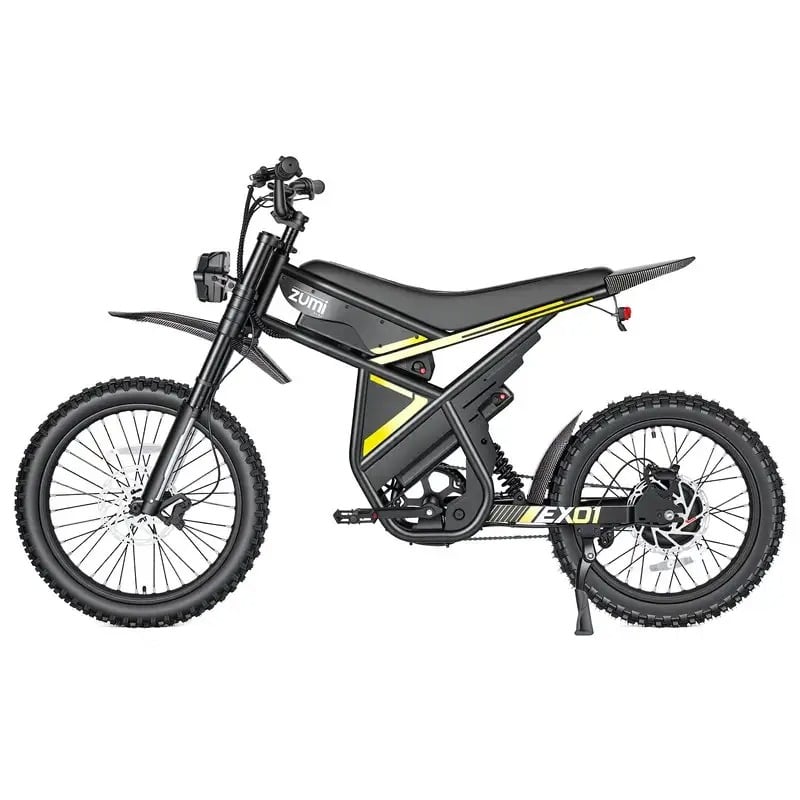
Choosing between a 48-volt and 52-volt system for your ebike 1000w 48v setup versus a higher-voltage alternative requires understanding how electrical systems translate to real-world riding performance. Both voltage configurations power high-performance 1000-watt motors, but the voltage you select directly influences sustained top speed, torque delivery, efficiency, and long-term component longevity. For riders pursuing consistent top-speed performance on technical terrain or lengthy commutes, this distinction matters significantly.
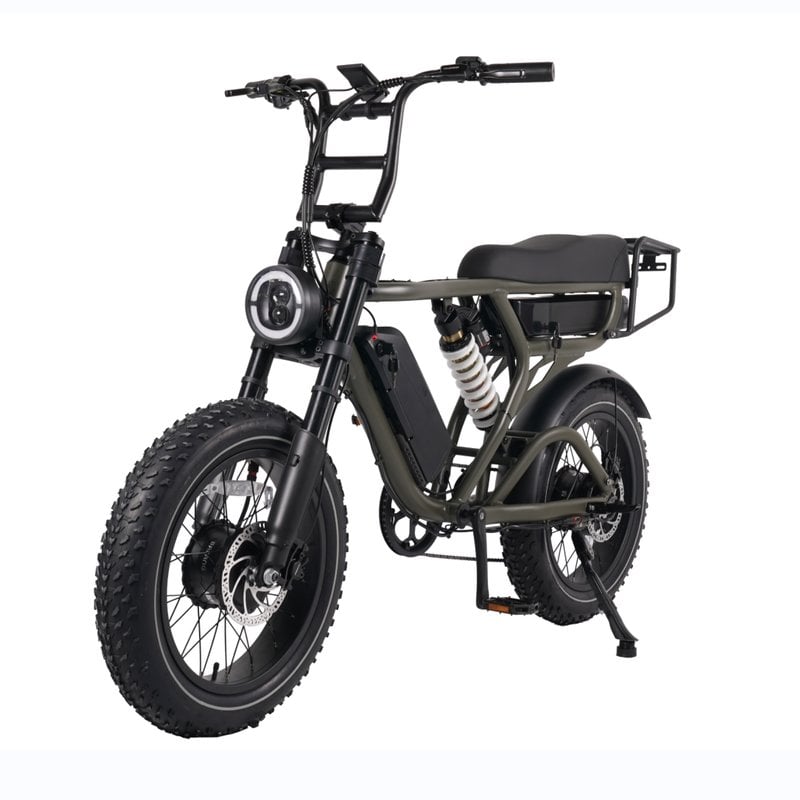
A 1000w ebike operates at maximum efficiency within the voltage range its motor and controller are engineered to handle. The 48-volt specification has dominated the electric mountain bike industry for years, establishing itself as the standard baseline for mid-range performance. However, 52-volt systems have gained traction among riders demanding higher sustained velocity and superior hill-climbing capability. Understanding the electrical principles behind these voltages, plus practical performance implications, enables you to select the configuration that genuinely matches your riding ambitions and terrain demands.
Voltage represents the electrical pressure driving current through your motor's windings. In a 1000w ebike system, the wattage output remains constant at 1000 watts across both 48v and 52v configurations, but the amperage required to deliver that power differs. A 48v ebike drawing 1000 watts requires approximately 20.8 amps of current, while a 52v system delivering the same 1000 watts requires roughly 19.2 amps. This lower amperage demand at higher voltage reduces resistive heating in the motor and battery connections, translating to improved efficiency and more consistent power output during sustained acceleration.
Higher voltage also enables faster peak speed potential. The motor's maximum velocity is determined by back-EMF (electromotive force), which increases proportionally with voltage. A 52-volt motor winding design can achieve higher rotational speeds than a 48-volt equivalent before reaching its electrical limits. For an electric mountain bike pursuing sustained top speed, this voltage advantage means smoother, more responsive acceleration and the ability to maintain peak velocity longer before thermal throttling occurs. The 48v ebike remains capable, but the 52-volt configuration provides a measurable edge in velocity sustainability.
Torque output in a 1000w electric mountain bike depends primarily on motor design rather than voltage alone, but voltage influences how that torque is delivered under sustained load. A 48v system can produce the same peak torque as 52v hardware, but higher voltage reduces the current demand needed to achieve that torque, decreasing motor heating. When climbing steep terrain or navigating technical rocky sections, sustained torque is critical. A 52v configuration maintains cooler operating temperatures under constant climbing load, allowing the motor to sustain peak torque output longer before throttling. This means your 52-volt electric mountain bike continues delivering strong hill-climbing power while a comparable 48v system may begin limiting output to protect thermal limits.
Range dynamics between 48v and 52v ebike systems depend on battery capacity and riding conditions. A 48-volt battery pack and a 52-volt pack with identical watt-hour ratings (for example, both 960 Wh) theoretically store the same total energy. However, a 52v system extracts that energy more efficiently due to lower current draw. When a 1000w ebike motor operates at full power, the higher-voltage system experiences less resistive loss in wiring and connectors. For sustained top-speed riding or continuous mountain biking over extended distances, a 52-volt electric mountain bike achieves greater real-world range than an equally sized 48v ebike pack because it converts a higher percentage of stored energy into motion rather than heat dissipation.
Battery voltage also influences charging dynamics and component stress. A 48v ebike battery system typically uses thirteen lithium cells in series, while 52v systems use fourteen cells. The additional cell in a 52-volt configuration increases total energy storage and flexibility, but it also means slightly longer charge times if using the same charger amperage. For riders planning multiple extended rides without frequent charging access, the efficiency advantage of 52-volt configurations—combined with their potential for larger battery capacities—creates a meaningful range benefit. However, the 1000w ebike market offers both 48v and 52v options with comparable watt-hour capacities, so actual range ultimately depends on the specific battery size you select alongside voltage.
Selecting between a 48v ebike and 52-volt electric mountain bike requires confirming that all components operate within design specifications for your chosen voltage. Motors, controllers, battery management systems, and charging hardware must be engineered for your selected voltage. A 1000w motor designed for 48 volts will not safely operate on 52 volts, and attempting to use 52-volt batteries with a 48v controller risks component failure. The lower current demand of higher-voltage systems does reduce thermal stress on connectors, wiring, and battery contacts during extended use. Over thousands of riding hours, this lower-stress operation may extend the lifespan of certain electrical components. Conversely, 48v systems are more established in the market, making replacement parts and support potentially easier to access depending on your location and manufacturer.
The distinction between 48v and 52-volt configurations becomes most apparent during sustained high-speed riding. Both a 1000w ebike and electric mountain bike system can reach similar legal speed limits in most jurisdictions (typically 20–28 mph depending on local regulations), but the voltage choice affects how smoothly and consistently that speed is maintained. A 52-volt system maintains cooler motor and controller temperatures during continuous acceleration, allowing throttle response to remain consistent throughout extended climbs or long straightaways. The 48v ebike performs admirably at high speed but may experience subtle throttle lag or power reduction as thermal management systems engage during prolonged full-power operation. For riders who prioritize uninterrupted top-speed performance over long distances, the 52-volt configuration delivers measurably superior sustainability.
Different riding environments favor different voltage configurations. Technical mountain terrain with repeated climbs and power demands benefits significantly from the thermal efficiency of a 52-volt electric mountain bike system. Sustained torque delivery on challenging descents and rolling terrain becomes more consistent with higher voltage. Conversely, casual urban commuting or lighter terrain often derives sufficient performance from a well-designed 48v ebike system. The efficiency and heat advantages of 52 volts matter most in demanding, sustained-power scenarios. If your typical rides involve flat terrain with moderate power demands, a 48-volt configuration may deliver excellent performance at a lower cost. However, if sustained top speed and aggressive terrain dominate your riding style, a 1000w ebike with 52-volt architecture delivers noticeably superior consistency and responsiveness throughout extended sessions.
A 48v ebike with 1000 watts can achieve high speeds and perform admirably in most riding conditions. However, during prolonged sustained acceleration or repeated aggressive climbing, thermal throttling may reduce power output as the motor and controller heat up. For occasional high-speed riding, 48 volts is entirely adequate. For riders prioritizing consistent peak performance across extended sessions, a 52-volt system offers measurable advantages in thermal management and sustained output.
Range improvement from 52v versus 48v depends primarily on battery watt-hour capacity rather than voltage alone. However, a 52-volt system extracts energy more efficiently due to lower current draw, meaning a similarly-sized 52v battery delivers greater real-world range through reduced resistive losses. If comparing identical watt-hour capacities, a 52-volt electric mountain bike typically achieves 5–10% greater range than its 48v equivalent, particularly during sustained high-speed riding.
Upgrading a 1000w ebike from 48v to 52v is not recommended as a simple swap. The motor, controller, battery management system, and charger are all engineered for specific voltage operation. Installing a 52-volt battery on a 48v system risks damaging the controller and motor. If you require 52-volt performance, purchasing a complete 52-volt electric mountain bike system from a reputable manufacturer ensures all components are properly matched and designed to work safely together.
2026/08/03
Fix time zones, language gaps, and unclear protocols—boost speed, cut costs, and scale confidently.
2026/08/03
Avoid liability & import bans: Learn IEC 62619, UN 38.3, and UL 2271—plus how to verify real compliance (not fakes).
2026/08/03
Learn precise air pressure, rebound & compression tuning for optimal suspension performance. Get pro-level setup tips now.
2026/08/03
Discover how voltage drop saps performance—and proven fixes to restore responsiveness, range, and battery life. Read now.
2026/08/03
Discover data-backed protocols, smart infrastructure & operational fixes. Optimize now.
2026/08/03
How payload cuts 48V cargo ebike range by 15–50%+ — backed by real-world degradation curves, motor load science & fleet optimization strategies.
Comprehensive warranty, fast parts shipping, remote diagnostics and local dealer training


