 EN
EN
STEP 1
Full vehicle warranty for 2 years
2026/08/27
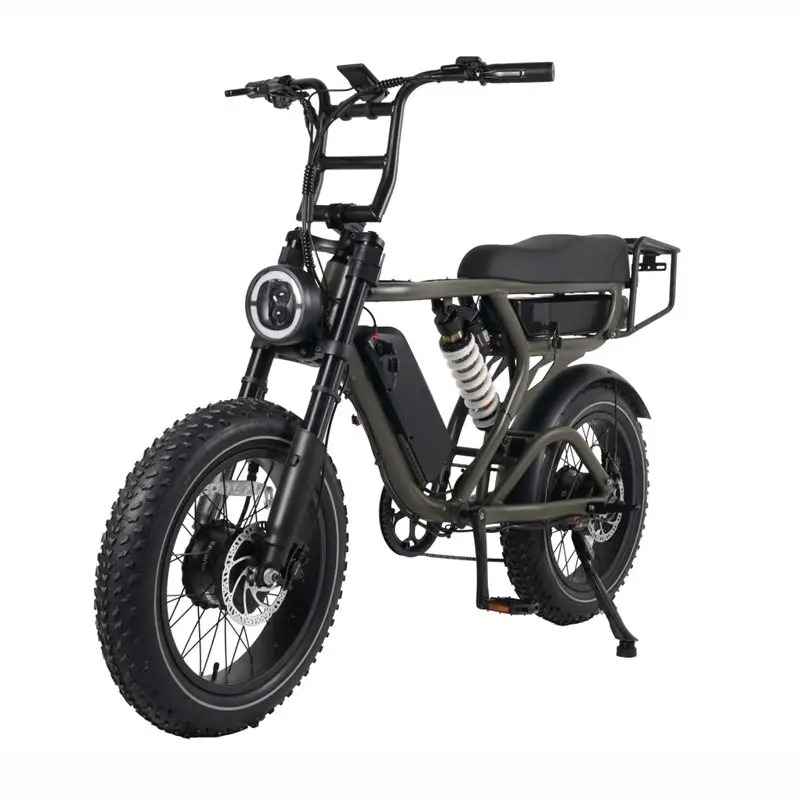
Urban commuters face a critical decision when selecting an electric bike: should you choose a 250 watt or 500 watt model? This question becomes especially relevant for riders navigating flat city terrain, where power requirements differ significantly from hill-climbing scenarios. The ebike 250 watt category offers compelling advantages for urban environments, balancing performance, range, and regulatory compliance in ways that heavier-powered alternatives cannot match.
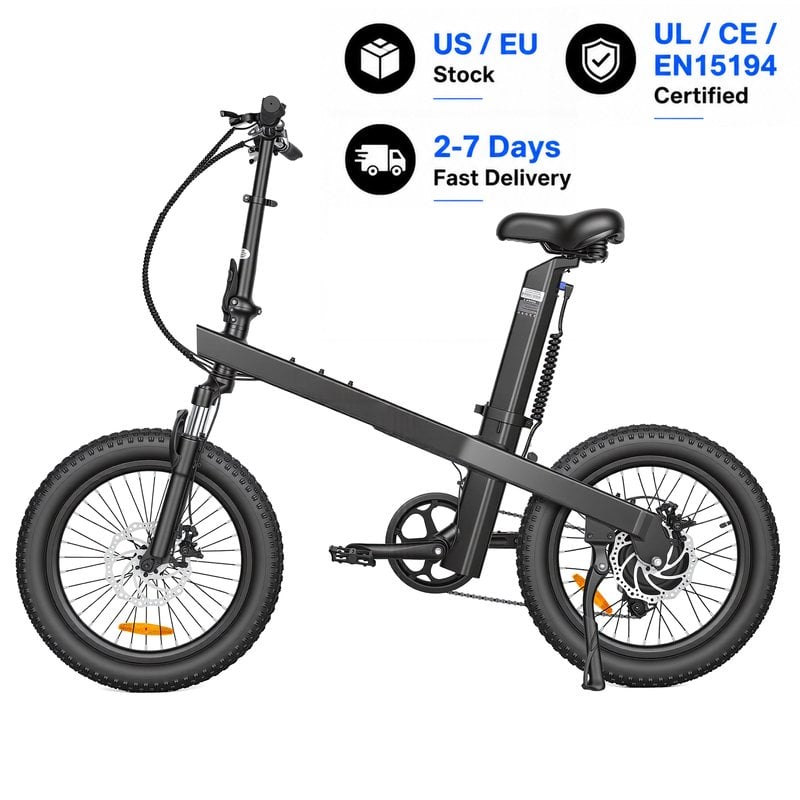
For flat urban commuting, the distinction between power tiers matters more than raw specifications suggest. A commuter ebike operating on flat terrain encounters minimal resistance, meaning that additional wattage beyond 250 watts provides marginal acceleration or speed benefits while consuming battery faster and carrying legal complications in many jurisdictions. This guide examines the practical implications of each power class for city riders, helping you make an informed choice aligned with your commuting reality.
A 250w ebike delivers sufficient torque and speed for flat terrain without the drawbacks of higher-powered systems. On level ground, resistance comes primarily from rolling friction and air drag, not gravity. Electric motors meeting the 250-watt standard accelerate smoothly to assisted speeds of 15 to 20 mph, which aligns perfectly with urban traffic patterns and city speed limits. This power level ensures responsive acceleration when starting from stops and maintaining consistent velocity through congested areas.
The commuter ebike market has standardized around 250 watts precisely because this output balances real-world urban performance with efficiency. Riders report that a city ebike in this power class handles daily commutes without pedal fatigue while remaining nimble enough for frequent acceleration and deceleration in mixed traffic. The motor responds predictably, offering linear power delivery that city riders appreciate when navigating around obstacles and making tactical lane adjustments.
A 500-watt motor provides noticeably faster acceleration and top speed, typically reaching 25 to 28 mph on flat ground. However, this additional power translates into minimal time savings on typical urban commutes. Flat city streets involve frequent stops, turns, and speed regulation by traffic signals. Acceleration advantage evaporates at intersections where vehicle flow, not motor power, determines pace. The extra wattage drains battery reserves more aggressively, reducing range per charge by 15 to 25 percent depending on terrain and rider weight.
Beyond efficiency, regulatory complexity emerges with 500-watt models. Many cities and regions restrict electric bike power to 250 watts, classifying anything higher as a motorized vehicle requiring registration, insurance, and licensing. A commuter ebike exceeding local legal limits may face confiscation or fines. This regulatory friction makes 250-watt systems more practical for most urban environments, eliminating legal uncertainty and parking restrictions that apply to heavier classifications.
Battery capacity and motor efficiency determine real-world range more directly than peak wattage alone. A city ebike with a 250w motor typically achieves 35 to 50 miles per charge, covering most urban commutes two or three times over. This extended range means fewer charging cycles, reducing battery degradation and lowering long-term ownership costs. Daily charging becomes optional rather than mandatory, providing flexibility for riders with inconsistent schedules or limited charging infrastructure at work or home.
The efficiency advantage compounds over time. Urban commuters averaging 10 to 15 miles per day find that a single charge lasts a full week with moderate pedal assistance. This operational simplicity reduces stress about battery depletion during commutes and eliminates the need for portable chargers or workplace charging stations. A commuter ebike built around 250-watt efficiency prioritizes reliability and low-maintenance operation that aligns with urban lifestyle expectations.
Higher-wattage models accelerate battery depletion even on flat terrain where full power rarely sees use. The controller and motor operate less efficiently when oversized for actual riding demands. Riders consistently report that 500-watt city ebikes show 20 to 30 percent shorter real-world range compared to equivalent battery capacity in 250-watt systems. For urban commuting, this difference creates practical problems: riders must charge more frequently, plan around battery availability, or upgrade to larger batteries at significant cost.
Weekend trips, weekend shopping runs, or detours for errands become constrained by range anxiety. A commuter ebike with a 250w motor eliminates this friction, enabling spontaneous routing and lifestyle flexibility that heavier-powered alternatives restrict. Urban riders value this operational simplicity and the reduced infrastructure dependency that accompanies it.
A 250-watt electric bike typically costs $400 to $800 less than comparable 500-watt models, reflecting simpler motor design, smaller controllers, and standard battery sizing. This price differential compounds when considering maintenance and replacement. Lower motor stress translates to extended service intervals and reduced component wear. The city ebike segment has matured around 250-watt specifications, creating competitive pricing and abundant replacement parts availability that drives down maintenance costs significantly.
Battery replacement, the largest long-term expense, aligns with lower-wattage efficiency. A 250w ebike battery lasts longer before requiring replacement because lower power draw reduces charge-cycle stress on individual cells. Urban riders investing in commuter ebikes benefit from this reliability equation, knowing that their transportation tool maintains economic viability throughout its service life. Long-term ownership becomes more predictable and affordable with this power class.
Manufacturers design 250-watt motors with thermal margins suited to continuous urban use. These systems run cooler, experience less stress, and rarely encounter the mechanical failures that plague oversized motors operating below their design capacity. Warranties typically reflect this reliability advantage, with 250-watt systems often backed by 2 to 3-year coverage compared to 1 to 2 years for higher-wattage competitors. This extended coverage reduces financial risk and reflects manufacturer confidence in product durability.
Flat-terrain commuting eliminates the thermal stress cycles that shorten motor lifespan in hilly environments. A commuter ebike optimized for level terrain with appropriate power sizing represents the most durable option available. Urban riders purchasing for 5 to 10-year operational life find 250-watt specifications deliver measurably better reliability metrics than oversized alternatives.
Yes, a 250w ebike provides sufficient speed and acceleration for flat urban terrain. These systems deliver 15 to 20 mph assisted speeds, matching city traffic flow and speed limits. Acceleration is responsive for starting from stops and navigating congested areas, making commuter ebike performance adequate and practical for daily use in urban environments.
For flat urban commuting, 250 watts is better than 500 watts. The extra power provides minimal practical benefit on level terrain while consuming battery faster and creating regulatory complexity in many cities. A 250w ebike balances performance, efficiency, range, and legal compliance more effectively for typical urban commuting scenarios.
A commuter ebike with 250 watts typically achieves 35 to 50 miles per charge, while 500-watt models average 25 to 35 miles with the same battery capacity. Lower-wattage systems operate more efficiently, extending practical range and reducing charging frequency. This range advantage makes 250w ebike ownership simpler and more economical for urban daily commuting.
2026/08/03
Fix time zones, language gaps, and unclear protocols—boost speed, cut costs, and scale confidently.
2026/08/03
Avoid liability & import bans: Learn IEC 62619, UN 38.3, and UL 2271—plus how to verify real compliance (not fakes).
2026/08/03
Learn precise air pressure, rebound & compression tuning for optimal suspension performance. Get pro-level setup tips now.
2026/08/03
Discover how voltage drop saps performance—and proven fixes to restore responsiveness, range, and battery life. Read now.
2026/08/03
Discover data-backed protocols, smart infrastructure & operational fixes. Optimize now.
2026/08/03
How payload cuts 48V cargo ebike range by 15–50%+ — backed by real-world degradation curves, motor load science & fleet optimization strategies.
Comprehensive warranty, fast parts shipping, remote diagnostics and local dealer training


