 EN
EN
STEP 1
Full vehicle warranty for 2 years
2026/08/25
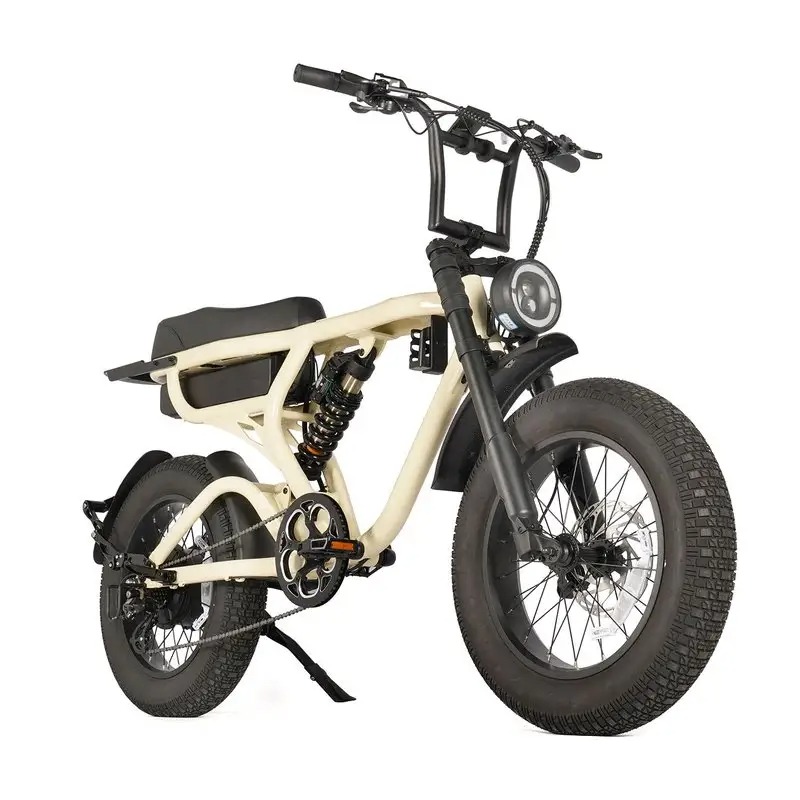
The ebike wholesale market has exploded over the past five years, creating unprecedented opportunities for distributors, retailers, and entrepreneurs seeking to establish their own electric bike brands. Yet many newcomers face a critical decision early on: should they pursue OEM branding or opt for a white label solution? Understanding the fundamental differences between these two models is essential to building a sustainable and profitable business in the rapidly growing ebike wholesale space. Each approach carries distinct advantages, cost structures, and strategic implications that will shape your brand identity, production timeline, and long-term market position.
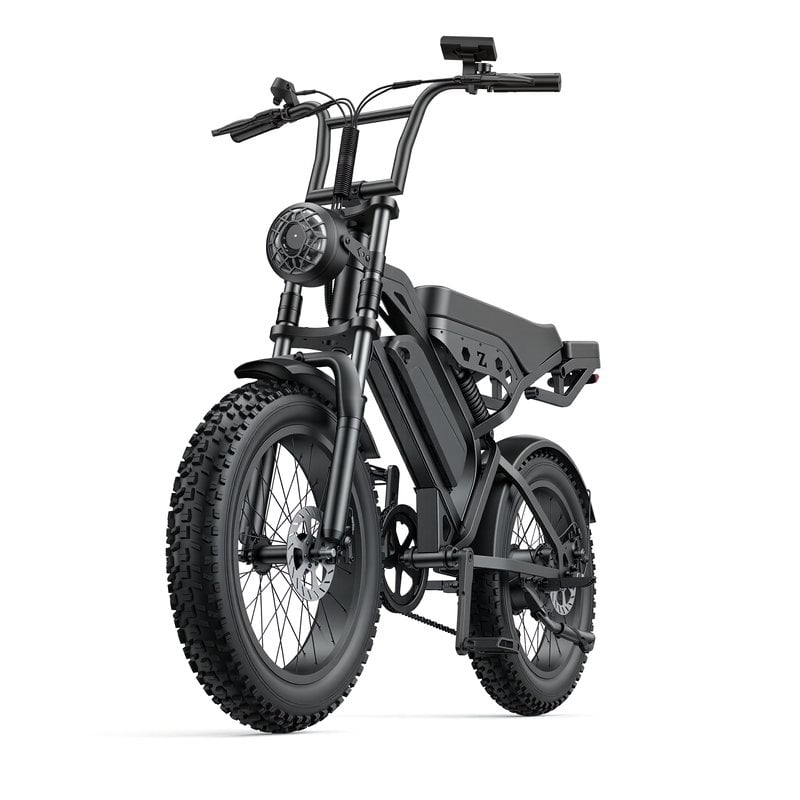
When sourcing ebikes wholesale, your choice between OEM and white label directly impacts your brand control, manufacturing flexibility, pricing power, and competitive differentiation. OEM (Original Equipment Manufacturer) branding allows you to customize products deeply while maintaining manufacturer relationships and leveraging their expertise. White label solutions, by contrast, provide faster market entry with minimal upfront investment, though they offer less product differentiation. For entrepreneurs navigating the electric bicycle distributors landscape, recognizing these trade-offs early prevents costly pivots and ensures alignment with your growth strategy, budget constraints, and brand vision.
OEM branding establishes a direct partnership between your business and the ebike wholesale manufacturer. You work closely with engineers and production teams to design custom frame geometries, battery configurations, motor specifications, and aesthetic details that reflect your brand identity. This level of collaboration means your products become genuinely proprietary, differentiated from competitors' offerings through unique design features, performance parameters, and quality standards tailored to your target market. Ebike wholesale manufacturers working under OEM arrangements typically invest in your tooling, mold design, and component sourcing, creating technical barriers that protect your market position long-term.
The development timeline for OEM models spans 6–12 months from concept to first production run, involving prototyping, testing, regulatory compliance, and iterative refinement. This extended period allows you to validate market demand, refine specifications based on customer feedback, and ensure your products meet regional safety standards before mass production. While longer upfront, this process establishes genuine product superiority, enabling you to command premium positioning and defend market share against cheaper alternatives in the ebikes wholesale category.
OEM arrangements require significant upfront capital investment, typically ranging from $50,000 to $150,000 USD for initial tooling, mold design, and first-batch production setup. Unit costs per ebike generally range from $400 to $700 depending on specifications, materials, and order volume. Minimum order quantities often exceed 500–1,000 units per model, demanding substantial working capital and inventory management discipline. Despite higher initial costs, unit economics improve dramatically at volume, and the proprietary nature of custom designs protects your margin structure from commoditization pressures affecting generic wholesale ebikes.
These investments position you as a serious market player within the electric bicycle distributors ecosystem. Retailers and business partners view OEM-branded products as more legitimate and differentiated, enabling stronger wholesale pricing and brand partnerships that elevate your position beyond transactional distributor status.
White label ebike wholesale models offer pre-engineered, already-produced electric bicycles that you rebrand and resell under your own name. Manufacturers maintain existing inventory of standard models, enabling you to launch your brand within 2–4 weeks through simple branding, packaging customization, and logistics arrangement. This approach eliminates development risk, accelerates revenue generation, and requires minimal upfront capital beyond first-purchase inventory. Ebikes wholesale through white label channels appeal strongly to retailers and entrepreneurs with limited budgets who prioritize market entry speed over product differentiation.
The simplified supply chain means you avoid engaging directly with complex manufacturing processes, regulatory certifications, and technical problem-solving. Your role focuses on sales, marketing, customer service, and brand management rather than product engineering, freeing you to concentrate on business development and market penetration within the ebike wholesale usa and international segments.
White label solutions typically allow only cosmetic customization: logos, paint colors, decals, and packaging design. Fundamental specifications like frame geometry, motor power, battery capacity, and component brands remain fixed, limiting your ability to differentiate from competitors purchasing the identical base model from the same manufacturer. Multiple retailers often rebrand and sell the same underlying product under different brand names, collapsing product differentiation and intensifying price-based competition within the wholesale ebikes market.
Unit costs for white label ebikes wholesale typically range from $350 to $550, but dozens of competitors offer identical products at similar price points. This commoditization erodes margin potential and shifts competitive emphasis toward marketing spend, customer service excellence, and brand awareness rather than genuine product superiority. Your wholesale ebikes pricing power remains constrained by the availability of equivalent products from competitors operating under identical manufacturing arrangements.
Choose OEM branding if your strategy emphasizes product innovation, premium positioning, and long-term brand equity building. OEM models suit entrepreneurs targeting specific niches within the electric bicycle distributors channel—such as cargo ebikes, off-road fat-tire models, or commuter-focused designs—where custom engineering creates defensible competitive advantages. This approach requires patient capital, market research, and confidence in your product vision, but generates sustainable profitability and barriers against commoditization.
Pursue white label solutions if your priority is rapid market validation, cash flow generation, and minimized financial risk during launch phases. White label approaches work well for testing market demand, building initial customer relationships, and generating revenue before committing to proprietary OEM development. Many successful ebike wholesale businesses start with white label models to establish market presence, then transition to OEM branding once market traction justifies the investment and validates product direction within the ebikes wholesale category.
OEM branding demands substantial operational resources: dedicated supply chain management, quality assurance expertise, regulatory compliance knowledge, and technical troubleshooting capability. Your team must interface regularly with manufacturers, manage design iterations, coordinate testing, and resolve production issues. This model suits established companies or well-funded startups with experienced management teams and operational infrastructure. Conversely, white label wholesale ebikes require lighter operational overhead, freeing limited resources for sales, customer acquisition, and brand marketing where capital constraints often create the greatest bottlenecks for new entrants into the electric bicycle distributors space.
OEM branding typically requires 6–12 months from initial design through production launch, encompassing engineering, prototyping, testing, and regulatory compliance phases. White label solutions launch in 2–4 weeks since products already exist in manufacturer inventory. This timeline difference makes white label approaches attractive for entrepreneurs seeking immediate market entry, while OEM models suit businesses willing to invest in development cycles for custom product positioning within the ebikes wholesale marketplace.
OEM branding involves higher per-unit costs ($400–$700) but offers economies of scale as volumes grow, plus proprietary design value justifying premium pricing. Minimum order quantities often exceed 500–1,000 units. White label ebike wholesale typically costs $350–$550 per unit with lower minimums (100–250 units), enabling smaller initial investments but offering less margin protection from competitor undercutting. OEM economics favor long-term profitability if you sustain volume, while white label suits cash-constrained startups testing market demand.
Yes, many successful electric bicycle distributors follow this progression strategy. Starting with white label solutions generates initial revenue, builds customer relationships, and validates market demand without requiring substantial upfront capital. Once your brand gains traction and you understand customer preferences deeply, transitioning to OEM branding allows you to develop proprietary products reflecting that market knowledge. This staged approach reduces business risk, preserves cash for growth, and ensures your OEM investment aligns with proven market opportunities within the ebike wholesale usa and international segments.
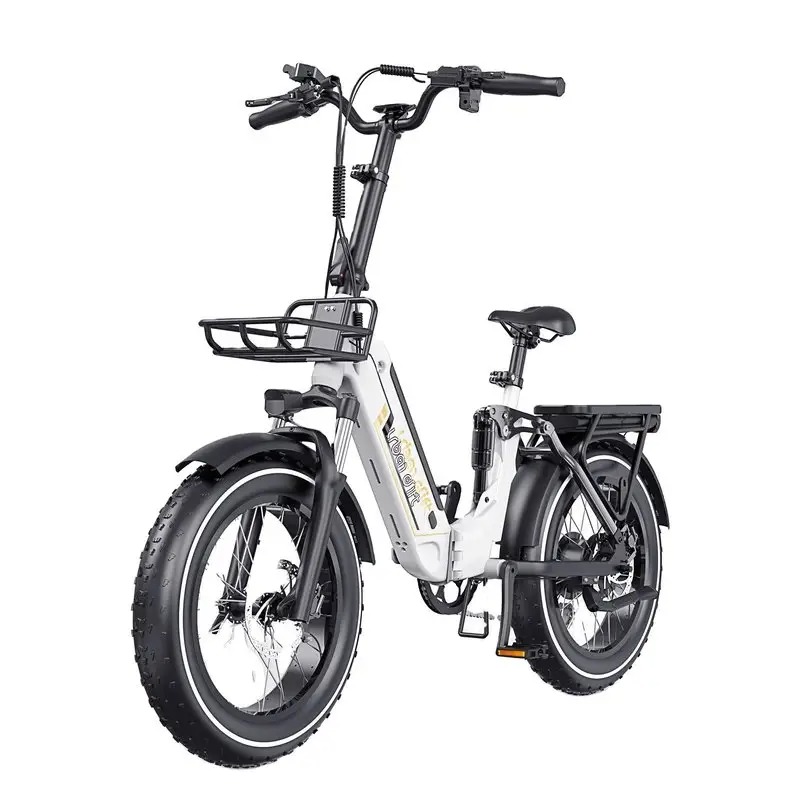
2026/08/03
Fix time zones, language gaps, and unclear protocols—boost speed, cut costs, and scale confidently.
2026/08/03
Avoid liability & import bans: Learn IEC 62619, UN 38.3, and UL 2271—plus how to verify real compliance (not fakes).
2026/08/03
Learn precise air pressure, rebound & compression tuning for optimal suspension performance. Get pro-level setup tips now.
2026/08/03
Discover how voltage drop saps performance—and proven fixes to restore responsiveness, range, and battery life. Read now.
2026/08/03
Discover data-backed protocols, smart infrastructure & operational fixes. Optimize now.
2026/08/03
How payload cuts 48V cargo ebike range by 15–50%+ — backed by real-world degradation curves, motor load science & fleet optimization strategies.
Comprehensive warranty, fast parts shipping, remote diagnostics and local dealer training


