 EN
EN
STEP 1
Full vehicle warranty for 2 years
2026/08/04
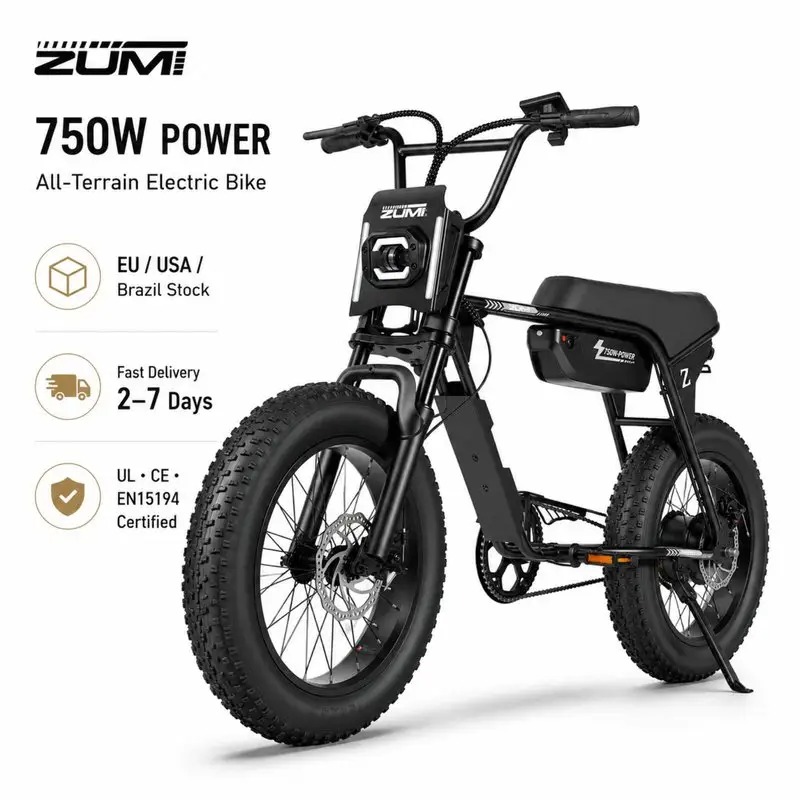
When sourcing electric bikes for large orders, the choice between working directly with ebikes manufacturers and trading companies fundamentally shapes your supply chain outcomes. This distinction goes far beyond simple cost differences; it determines product quality, customization capability, delivery reliability, and long-term partnership potential. For large-scale buyers, distributors, and fleet operators, understanding these differences is critical to making an informed sourcing decision that aligns with business objectives.
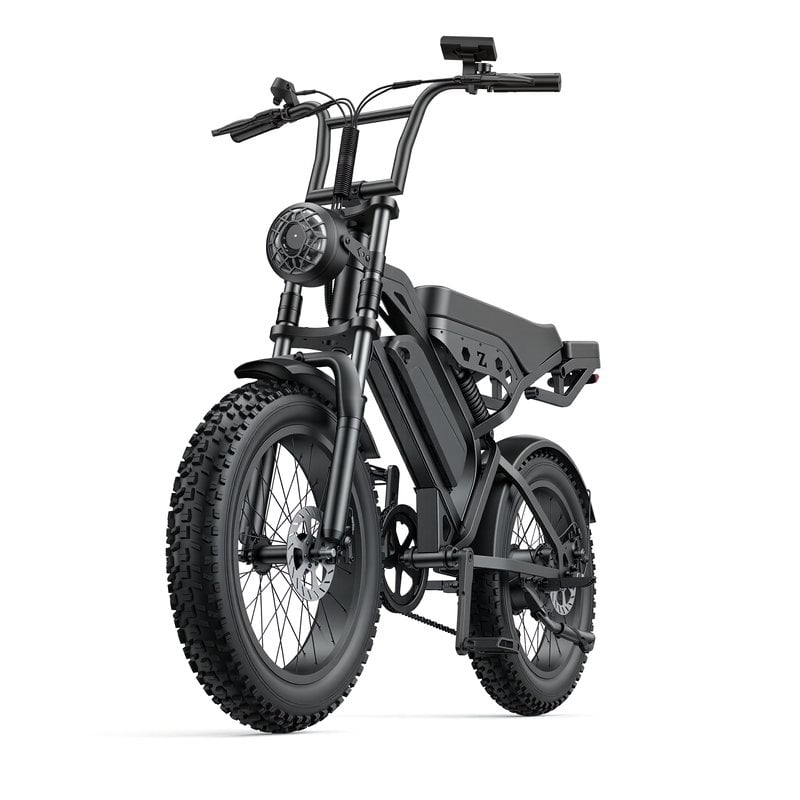
The market for electric bike wholesale has grown exponentially, attracting both direct producers and intermediaries seeking to profit from rising demand. However, these two channel types operate with fundamentally different business models, cost structures, and service capabilities. Choosing the right partner requires clarity on what each offers, where risks exist, and which model best serves your volume and margin requirements.
Direct ebike factory partnerships provide unparalleled visibility into production processes, material sourcing, and quality assurance protocols. When you work with an ebike manufacturer directly, you gain access to engineering teams, production schedules, and the ability to inspect facilities before committing to large orders. This transparency reduces defect rates and ensures that every unit meets your specifications. An ebike factory typically maintains stricter internal standards because its brand reputation depends directly on product performance and customer satisfaction.
For large orders, this control translates into measurable advantages. You can request pre-production samples, conduct batch testing, and negotiate quality thresholds contractually. Direct manufacturers often employ dedicated quality control personnel and maintain comprehensive documentation of each production run. This accountability is harder to enforce with intermediaries who may prioritize volume over consistency.
An ebike manufacturer with OEM and ODM experience can adapt designs to your specific requirements without excessive minimum order quantities. Whether you need custom paint schemes, modified battery capacities, altered frame geometries, or branded packaging, direct relationships with ebike factory facilities enable these modifications at reasonable scale. Trading companies often cannot accommodate such requests because they lack manufacturing infrastructure and must work within existing product catalogs.
For retailers and distributors aiming to differentiate their offerings, this flexibility is invaluable. An ebike manufacturer can help you develop exclusive models that competitors cannot easily replicate, strengthening your market position and customer loyalty.
Trading companies aggregate inventory from multiple ebike factory sources, allowing buyers to access diverse product ranges and stock levels without establishing direct international relationships. When you source electric bike wholesale through a trading company, procurement becomes faster in terms of paperwork, negotiations, and order processing. These intermediaries handle import logistics, customs clearance, and regulatory compliance documentation, which can significantly reduce administrative burden for buyers unfamiliar with direct sourcing.
Trading companies also offer shorter lead times for standard products because they maintain warehoused inventory. If your order deadline is tight or you need product variety quickly, this advantage can outweigh the cost premium associated with intermediary markup.
Larger trading companies work with multiple ebike manufacturers, spreading supply chain risk across several producers. If one factory encounters production delays or quality issues, the trading company can source alternatives from its network. This buffer protects your business from sudden supply disruptions. Additionally, trading companies often assume warranty and return responsibility, creating a single point of accountability rather than requiring direct communication with an ebike factory thousands of miles away.
Direct ebike manufacturers offer lower per-unit costs at high volumes because there is no intermediary markup. For orders exceeding 500 to 1000 units, direct relationships with an ebike factory typically yield 10–25% cost savings compared to trading company pricing. This advantage compounds significantly for ongoing large orders. However, an ebike manufacturer often requires longer lead times, higher minimum orders, and more extensive upfront coordination to achieve these savings.
Trading companies add margins ranging from 15–40% above factory costs, depending on product category and market positioning. While this increases unit cost, the elimination of logistical complexity, inventory holding, and direct relationship management can justify the premium for smaller buyers or those prioritizing simplicity over absolute margin.
The business case for working directly with an ebike manufacturer strengthens as order volumes increase and sourcing becomes a regular operational function. If your business forecasts consistent quarterly or monthly large orders, investing in direct relationships with an ebike factory pays dividends. Conversely, sporadic or unpredictable demand favors trading companies, which absorb inventory risk and handle variable volumes without contractual penalty.
Most professional ebike factory operations require minimum orders of 100–500 units depending on model complexity and customization requests. Standard models may have lower minimums, while custom configurations demand higher volume commitments. An ebike manufacturer uses these thresholds to justify setup costs and tooling investment. Trading companies, conversely, usually accept smaller minimums because they aggregate multiple buyer orders.
Quality depends primarily on the underlying ebike factory, not the distribution channel. However, direct relationships with an ebike manufacturer provide better quality assurance because you control specifications and inspection. Trading companies may source from multiple ebike factory suppliers of varying quality standards, making consistency harder to guarantee. Reputable trading companies maintain strict supplier vetting and quality audits, but accountability and transparency are still superior with direct ebike factory partnerships.
New entrants typically benefit from starting with a trading company to reduce complexity, learn product dynamics, and understand market demand without heavy upfront commitments. As your electric bike wholesale business matures and order volumes stabilize, transitioning to direct ebike manufacturer relationships becomes advantageous for cost optimization and differentiation. This hybrid approach—using trading companies initially and ebike factory partnerships later—balances learning with scalability.
2026/08/03
Fix time zones, language gaps, and unclear protocols—boost speed, cut costs, and scale confidently.
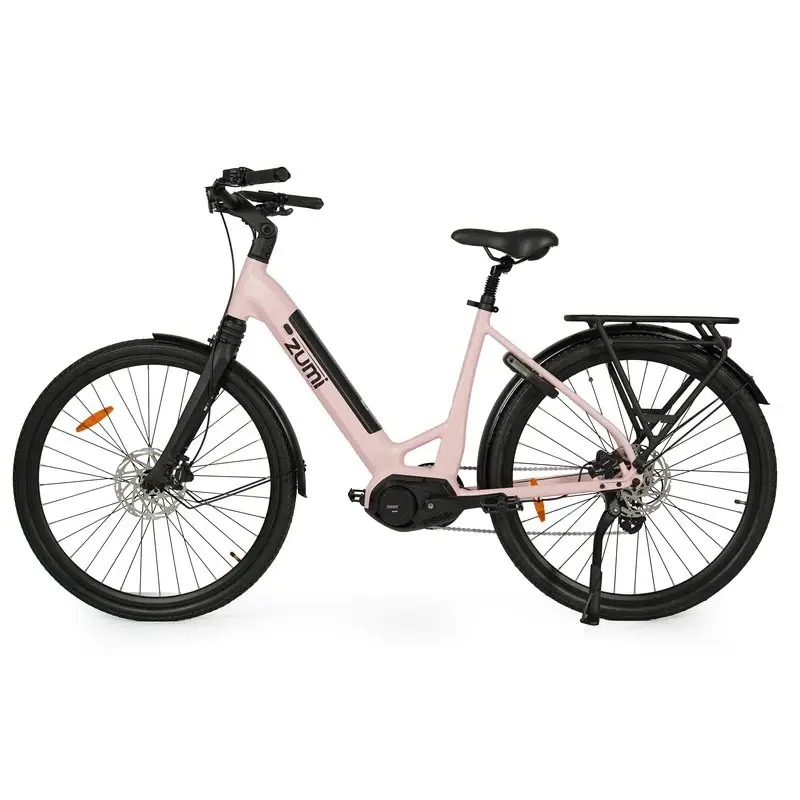
2026/08/03
Avoid liability & import bans: Learn IEC 62619, UN 38.3, and UL 2271—plus how to verify real compliance (not fakes).
2026/08/03
Learn precise air pressure, rebound & compression tuning for optimal suspension performance. Get pro-level setup tips now.
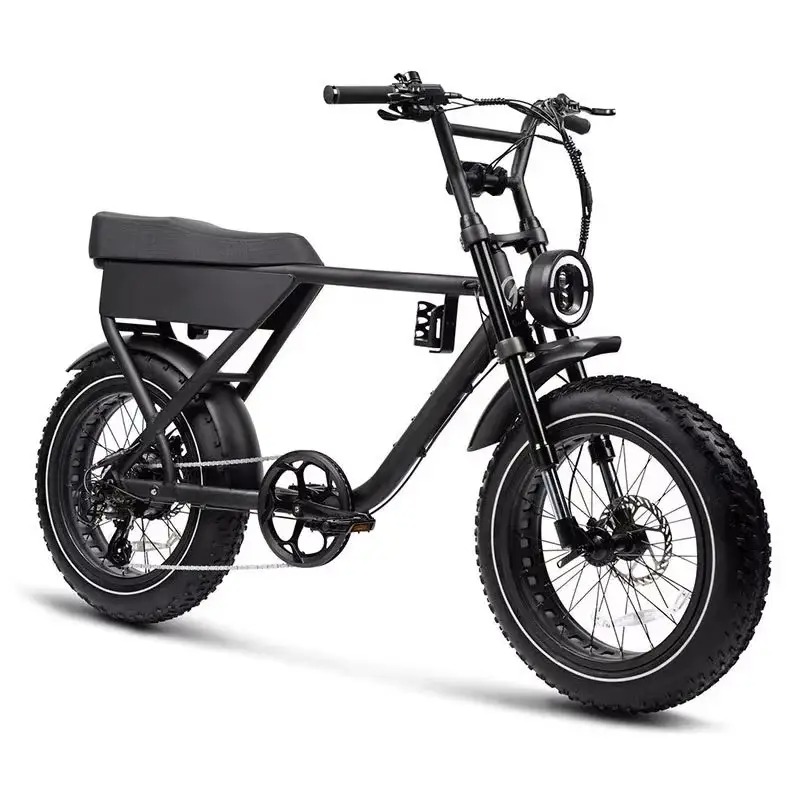
2026/08/03
Discover how voltage drop saps performance—and proven fixes to restore responsiveness, range, and battery life. Read now.
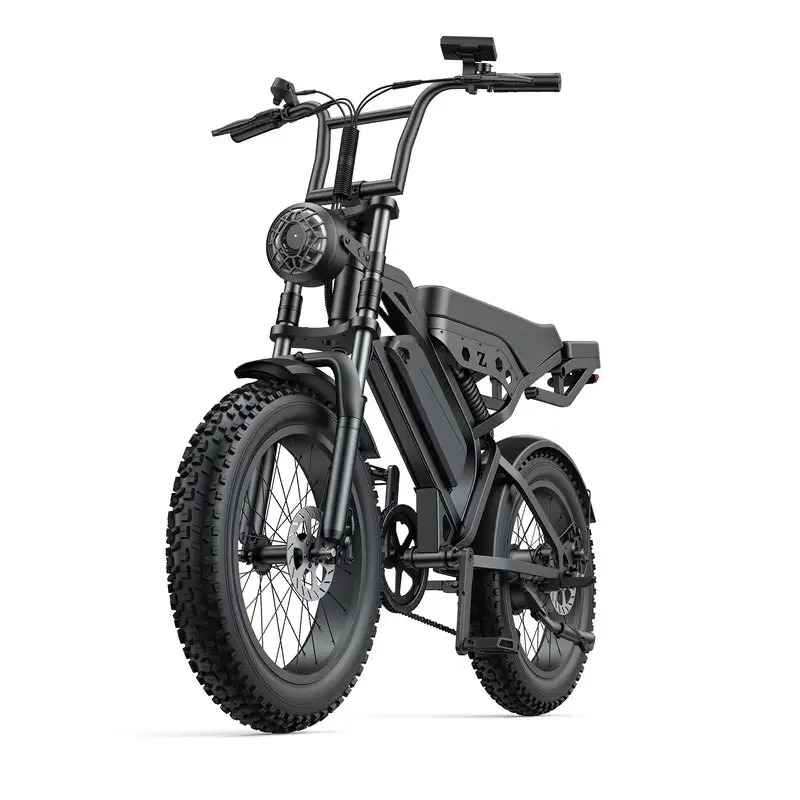
2026/08/03
Discover data-backed protocols, smart infrastructure & operational fixes. Optimize now.
2026/08/03
How payload cuts 48V cargo ebike range by 15–50%+ — backed by real-world degradation curves, motor load science & fleet optimization strategies.
Comprehensive warranty, fast parts shipping, remote diagnostics and local dealer training


