 EN
EN

STEP 1
Full vehicle warranty for 2 years
2026/08/17
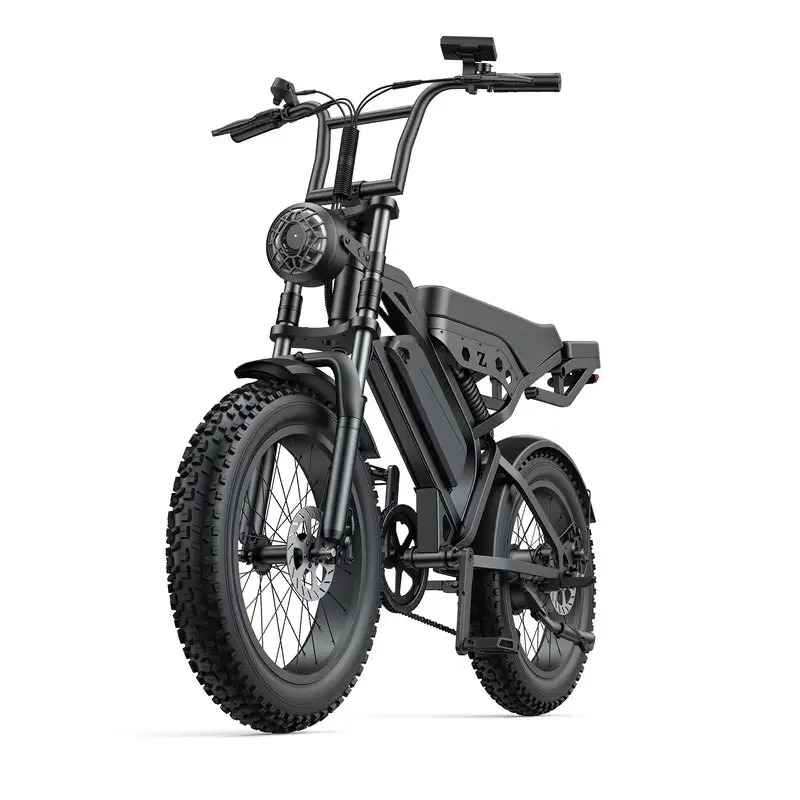
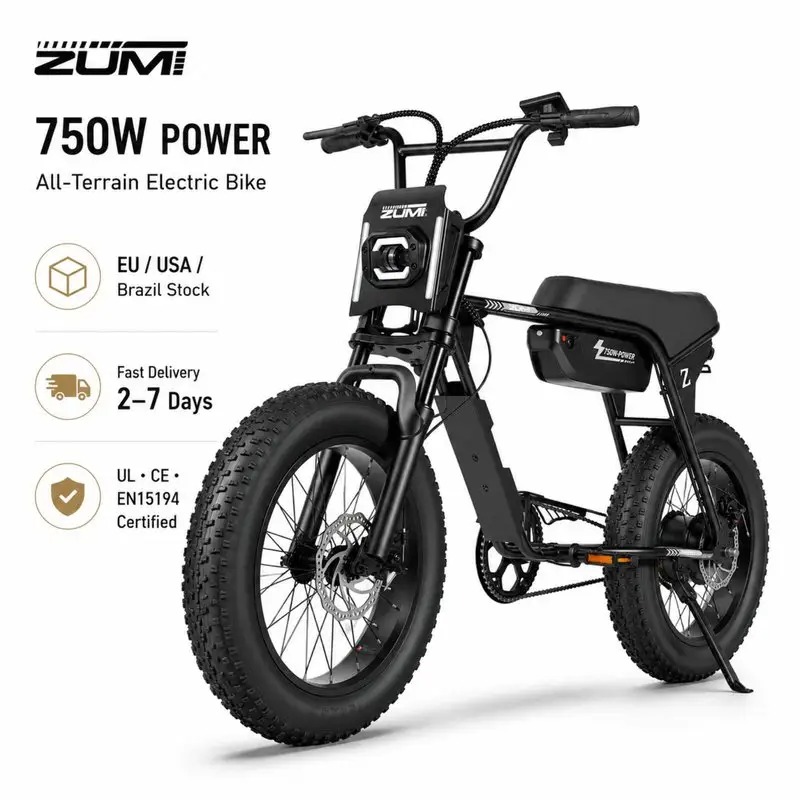
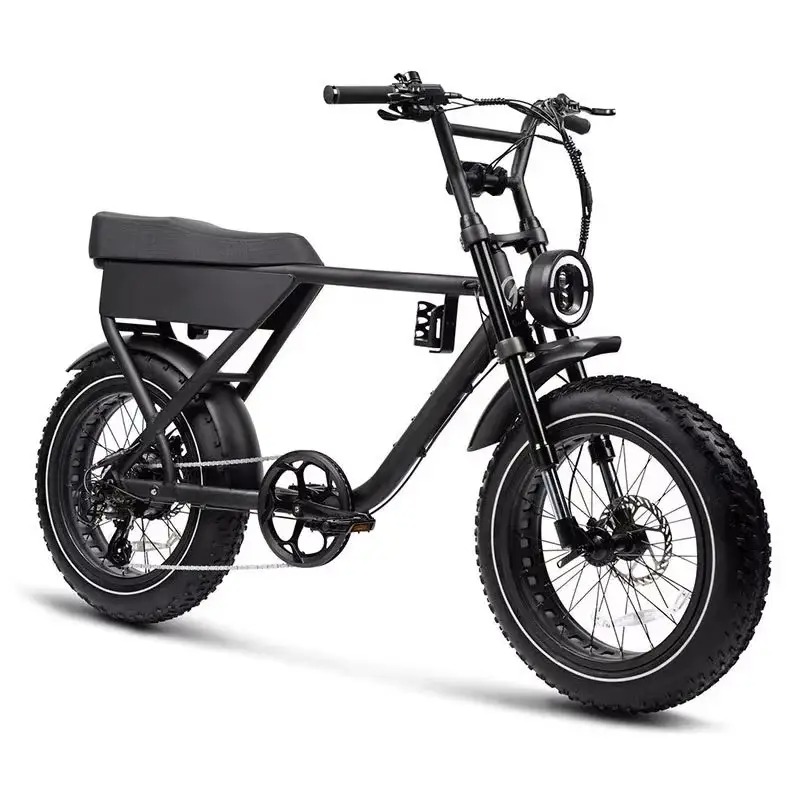
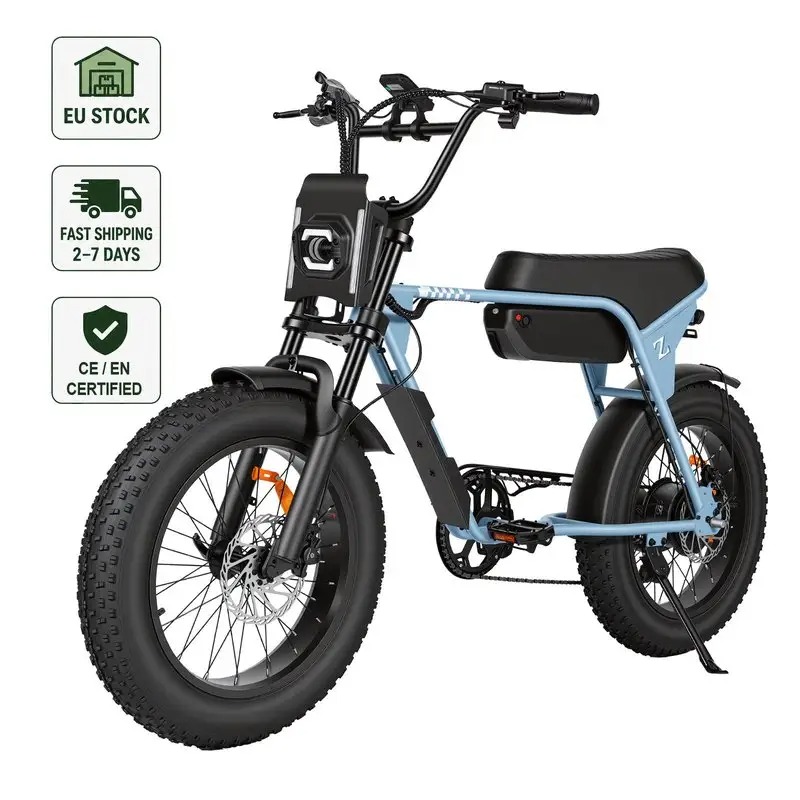
Eco-tourism represents one of the fastest-growing segments in sustainable travel, and route planning has become critical to delivering authentic experiences while protecting natural environments. The emergence of all terrain electric bikes has fundamentally transformed how operators design and execute eco-tourism offerings across diverse landscapes. By integrating all terrain ebikes into fleet operations, tour companies can access remote trails, challenging terrain, and scenic destinations previously difficult to reach sustainably. These vehicles provide the perfect balance between zero-emission mobility and genuine adventure accessibility, enabling guides and guests to explore wilderness areas without traditional vehicle noise or pollution.
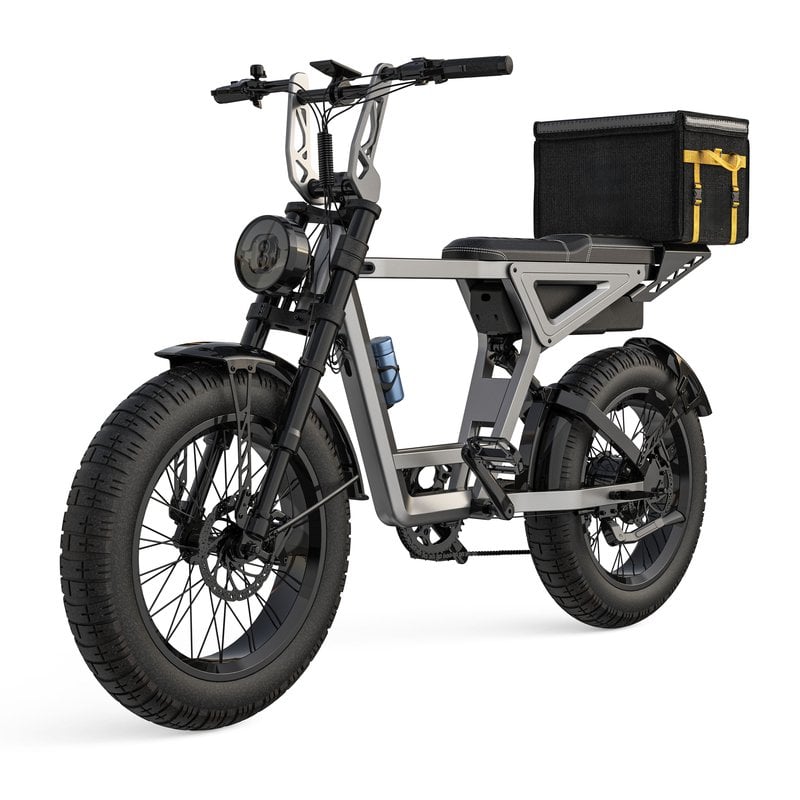
Successful eco-tourism route planning with all terrain fat tire electric bikes requires understanding both the technical capabilities of electric mountain bikes and the specific environmental constraints of your destination. A well-designed fleet strategy ensures operational efficiency, guest satisfaction, and genuine environmental stewardship. This approach aligns with modern traveler expectations and regulatory requirements for sustainable tourism practices.
The technical specifications of your all terrain electric mountain bike fleet directly influence which routes become viable. Modern all terrain ebikes feature suspension systems, aggressive tread patterns, and powerful motors designed for rocky trails, sandy washes, steep climbs, and wet conditions. Before finalizing routes, operators must evaluate motor power output, battery range, tire specifications, and weight capacity against actual trail difficulty. An all terrain electric bike with dual suspension and fat tires handles technical descents, mud, and loose gravel far better than standard models, enabling access to premium scenic corridors.
Fleet sizing for eco-tourism operations must balance guest demand with sustainable trail preservation. Routes should never exceed soil and vegetation recovery capacity, which environmental managers measure through visitor impact assessment protocols. All terrain ebikes reduce physical exertion compared to conventional mountain bikes, allowing wider age and fitness demographics to participate. This expanded access creates revenue opportunities while requiring thoughtful group sizing to maintain environmental integrity and authentic wilderness experiences on your chosen routes.
Eco-tourism routes planned around all terrain fat tire electric bike capabilities must integrate charging stations, water resupply points, and emergency access corridors. Single-day loop routes work well for beginner to intermediate riders, while multi-day expeditions demand careful logistical planning. Battery technology determines realistic daily range; most modern all terrain ebikes achieve forty to eighty kilometers depending on terrain difficulty and rider power settings. Route designers must position support vehicles strategically without compromising the wilderness experience, balancing guest safety with environmental protection objectives.
Sustainable eco-tourism operations rotate routes seasonally to allow trail recovery and ecosystem restoration. All terrain electric mountain bikes enable operators to maintain and monitor multiple routes efficiently throughout the year. Spring routes might emphasize wildflower corridors and wildlife viewing zones, while autumn itineraries showcase forest canopy transitions and migration patterns. This rotation strategy also prevents concentrated impact on single trails, maximizing long-term destination viability and guest satisfaction across changing seasonal conditions.
Marketing eco-tourism experiences featuring all terrain ebikes appeals to affluent, environmentally conscious travelers seeking authentic adventures without carbon guilt. Messaging should emphasize the combination of zero-emission mobility, reduced physical barriers to wilderness access, and genuine environmental stewardship. All terrain fat tire electric bikes represent cutting-edge sustainable technology that attracts adventure enthusiasts, families, and older travelers equally. Digital content showcasing the technical capabilities and scenic beauty accessed through your all terrain electric mountain bike routes builds brand differentiation in competitive eco-tourism markets.
Professional route planning demands comprehensive guide training on all terrain ebike handling, trail navigation, emergency protocols, and environmental interpretation. Staff must understand each bike's motor response, battery monitoring, weight distribution on technical terrain, and maintenance requirements. Standardized safety briefings ensure consistent guest experiences across your all terrain electric bike fleet while protecting participant wellbeing. Regular maintenance schedules and performance monitoring keep bikes safe and reliable, supporting positive guest reviews and repeat visitation.
All terrain electric bikes produce zero direct emissions, eliminate noise pollution, and require minimal trail widening compared to ATVs or small vehicles. Their lightweight construction reduces soil compaction, and slower speeds allow guests to observe wildlife and ecosystems without disturbance. Battery charging from renewable sources further minimizes environmental footprint, making all terrain ebikes the most ecologically compatible option for wilderness route access.
Most quality all terrain fat tire electric bikes deliver thirty to seventy kilometers of range depending on rider weight, terrain difficulty, assistance level, and weather conditions. Steep climbs and technical trails consume battery faster than smooth terrain. Operators should design single-day routes conservatively to ensure guests complete journeys safely, typically planning sixty to seventy percent utilization to maintain safety margins and guest confidence.
Yes, all terrain electric mountain bikes with robust suspension, aggressive tread patterns, and powerful motors handle rocky ridgelines, technical descents, stream crossings, and muddy terrain that would challenge standard bicycles. This capability enables eco-tourism operators to develop premium routes accessing otherwise inaccessible scenic areas, creating unique experiences and justifying higher pricing than conventional bike tours while maintaining environmental protection standards.
2026/08/03
Fix time zones, language gaps, and unclear protocols—boost speed, cut costs, and scale confidently.
2026/08/03
Avoid liability & import bans: Learn IEC 62619, UN 38.3, and UL 2271—plus how to verify real compliance (not fakes).
2026/08/03
Learn precise air pressure, rebound & compression tuning for optimal suspension performance. Get pro-level setup tips now.
2026/08/03
Discover how voltage drop saps performance—and proven fixes to restore responsiveness, range, and battery life. Read now.
2026/08/03
Discover data-backed protocols, smart infrastructure & operational fixes. Optimize now.
2026/08/03
How payload cuts 48V cargo ebike range by 15–50%+ — backed by real-world degradation curves, motor load science & fleet optimization strategies.
Comprehensive warranty, fast parts shipping, remote diagnostics and local dealer training


