 EN
EN
STEP 1
Full vehicle warranty for 2 years
2026/08/14
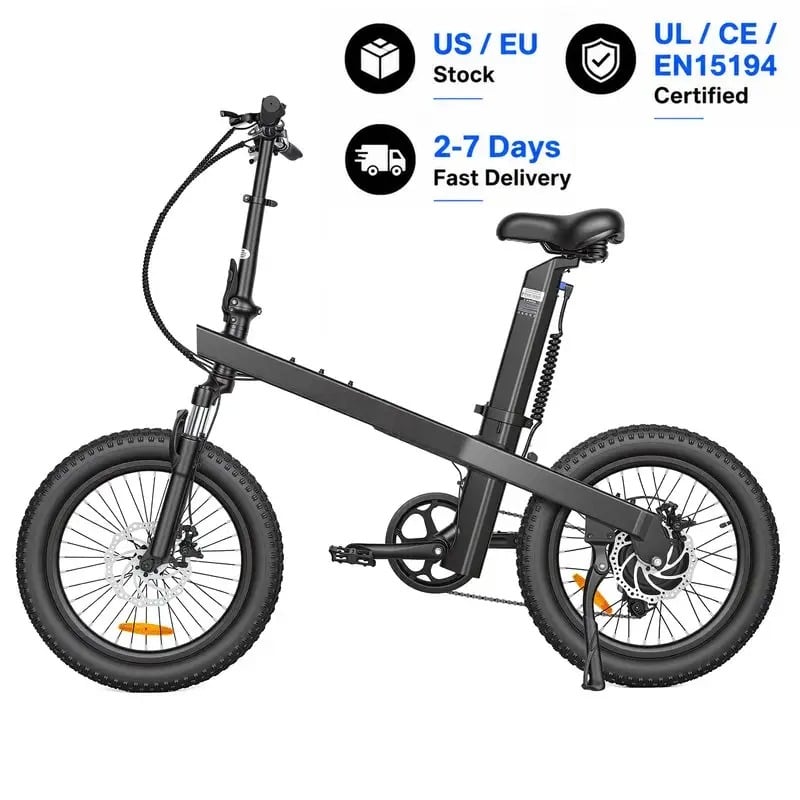
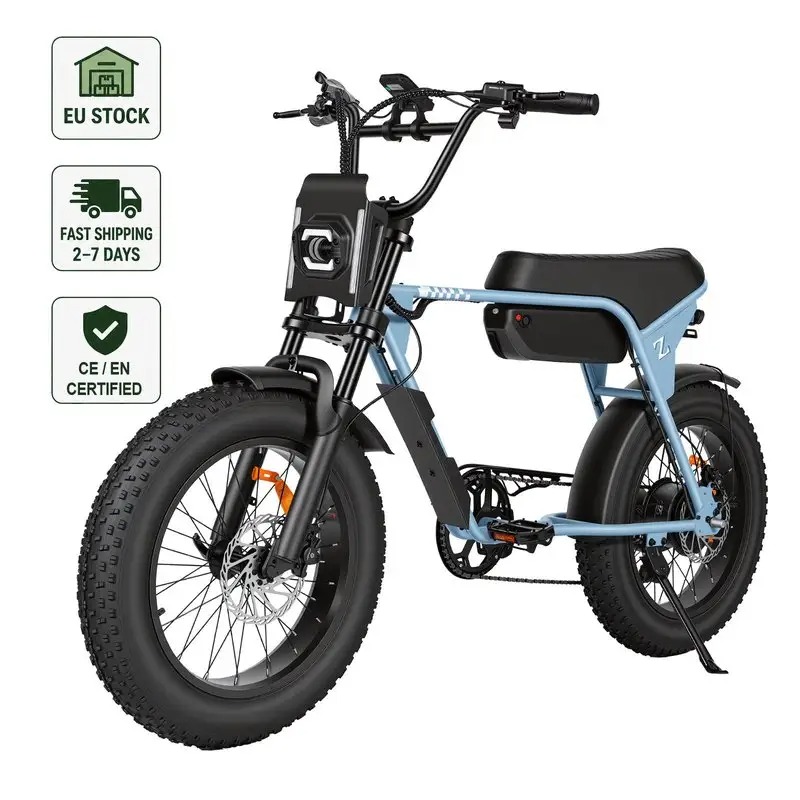
Hub motors represent a fundamental component in modern long range electric bike design, directly influencing how far riders can travel on a single charge. These integrated motor systems, mounted within the wheel hub, offer distinct efficiency advantages that make them particularly suitable for extended-distance riding scenarios. Understanding hub motor efficiency is essential for anyone considering a long distance ebike purchase or evaluating performance capabilities across different electric bike platforms.
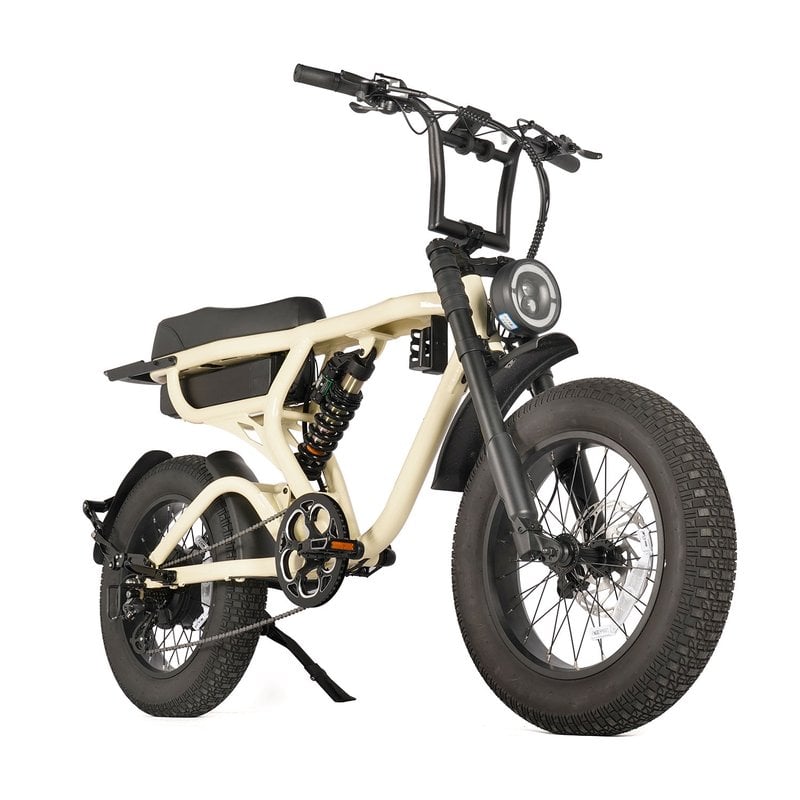
The efficiency of hub motors directly correlates with the overall range capabilities of an electric bike with high range specifications. By minimizing mechanical energy loss through direct wheel integration, hub motors enable longer rides while consuming less battery power. This efficiency gain becomes increasingly important for riders who depend on high range electric bikes for commuting, touring, or recreational cycling across challenging terrains and extended distances.
Direct drive hub motors eliminate intermediate mechanical components like chains or belt systems, creating a more efficient power transmission pathway. In a long range electric bikes for adults setup, this direct connection means virtually no energy dissipates through friction losses between motor and wheel. The motor windings sit within the wheel hub itself, converting electrical energy into rotational force with minimal wasted heat. This configuration proves particularly valuable for high range electric bike models designed to maximize battery utilization over longer distances.
The efficiency advantage of direct drive systems translates into extended riding duration on the same battery capacity. When comparing long distance ebikes, models utilizing direct drive hub motors consistently demonstrate superior range metrics compared to chain-driven alternatives. The absence of drivetrain friction losses means more battery energy converts into actual wheel rotation and forward motion, directly improving the practical range available to riders on extended journeys.
Hub motors uniquely enable regenerative braking systems that recover energy during deceleration events. This capability becomes invaluable in urban cycling scenarios where frequent braking occurs, helping extend the overall range of an electric bike with high range capabilities. During downhill riding or stop-and-go traffic, the hub motor reverses its function, converting kinetic energy back into electrical charge that returns to the battery. For long range electric bikes operating in mixed-terrain environments, this energy recovery mechanism can extend total range by five to fifteen percent depending on riding conditions and brake application frequency.
Regenerative braking particularly benefits riders of high range electric bike models in metropolitan areas or hilly regions. Each time the rider brakes, the system captures energy that would otherwise dissipate as heat in traditional friction brake systems. Over an extended commute or long distance ebike journey, these cumulative energy recovery events significantly reduce overall battery drain. The efficiency gain compounds over numerous braking cycles, making hub motors with regenerative capability exceptionally well-suited for long range electric bikes for adults that encounter varied terrain and frequent speed adjustments.
Hub motor placement within the wheel hub creates balanced load distribution that improves overall bike dynamics and efficiency. Unlike mid-drive motors that concentrate force on the bottom bracket and chainring, hub motors spread motor mass across the wheel's rotational structure. This mass distribution reduces unsprung weight while maintaining structural integrity, critical for long range electric bikes designed to carry additional battery capacity. The balanced wheel configuration enables smoother power delivery and reduces vibration, factors that directly influence motor efficiency and energy consumption rates.
For long distance ebikes, the balanced wheel structure enabled by hub motors reduces resistance forces during extended travel. Smoother wheel rotation with lower vibration results in less friction through bearing assemblies and aerodynamic disturbances. When riders consider purchasing an electric bike with high range characteristics, the fundamental wheel dynamics created by hub motor integration become increasingly important for optimizing efficiency. High range electric bike models benefit from this smoother power delivery pattern, which extends effective range through reduced parasitic energy losses across all riding conditions.
Direct drive hub motors in long range electric bikes deliver maximum torque across all speed ranges, eliminating the need for mechanical gearing adjustments that introduce losses. This constant high torque availability proves particularly valuable when riders encounter steep inclines or obstacles that might otherwise require gear shifting on traditional bike systems. For adults riding high range electric bikes across challenging terrain, the consistent torque curve ensures predictable acceleration and climbing ability without efficiency losses associated with transmission gear changes. Long range electric bikes for adults benefit from this simplified powertrain architecture that reduces mechanical complexity and friction losses.
The torque delivery pattern of hub motors contributes directly to the extended range capabilities of electric bike with high range specifications. Riders maintain steady power output even at varying speeds, avoiding the efficiency dips that occur during gear transitions in multi-speed systems. This consistency allows long distance ebikes to maintain optimal energy conversion across diverse riding scenarios, from smooth urban paths to challenging off-road terrain. The simplified drivetrain also requires minimal maintenance, helping preserve hub motor efficiency throughout the bike's operational lifetime.
Hub motors generate heat during operation, with thermal efficiency directly impacting sustained performance on long range electric bikes. Most high-quality hub motor implementations include integrated cooling fins or passive heat dissipation features that maintain optimal operating temperatures. When riders use long distance ebikes for extended periods, consistent thermal management becomes essential for preserving motor efficiency and preventing power reduction from thermal throttling. Design features in high range electric bike models prioritize airflow around motor housings, ensuring heat dissipates effectively even during continuous riding sessions.
Thermal efficiency directly influences the practical range achievable on an electric bike with high range ratings. Motors operating at elevated temperatures lose efficiency, consuming more battery energy for equivalent power output. For long range electric bikes for adults used in warm climates or for extended duration rides, efficient thermal management through well-designed hub motor housings becomes crucial for maintaining consistent range performance. Leading high range electric bike manufacturers integrate sophisticated cooling strategies that prevent efficiency degradation across extended journeys, ensuring riders achieve advertised range metrics under real-world conditions.
The efficiency of hub motors directly impacts overall battery discharge rates in long distance ebikes, making motor efficiency a primary factor in achieving extended range. When hub motors operate at peak efficiency, battery depletion slows, extending the distance a long range electric bike can travel before requiring recharge. For riders evaluating electric bike with high range capabilities, understanding hub motor efficiency becomes essential context for predicting actual performance. High range electric bike models pair efficient hub motors with optimized battery management systems, creating synergistic efficiency that maximizes total distance capacity. A long range electric bike for adults combining efficient hub motors with appropriately sized battery capacity can achieve range specifications exceeding two hundred kilometers under favorable conditions.
Hub motor efficiency can extend range by fifteen to thirty percent compared to chain-driven alternatives, depending on terrain and riding style. The direct power transmission eliminates friction losses throughout the drivetrain, allowing more battery energy to convert into forward motion. For long range electric bikes, this efficiency advantage becomes particularly significant during extended rides where cumulative energy savings compound into substantial range increases.
Direct drive hub motors eliminate intermediate mechanical components and enable regenerative braking capability, both key features for maximizing range in high range electric bikes. Without gearboxes or belt systems, energy losses decrease significantly. The regenerative braking feature in long range electric bikes for adults recovers energy during deceleration, further extending total range capacity. These combined advantages make direct drive hub motors the preferred choice for long distance ebikes prioritizing extended range performance.
Yes, thermal efficiency significantly affects sustained performance on long range electric bikes. Motors operating at elevated temperatures lose efficiency and consume more battery energy for equivalent power output. Well-designed high range electric bike models incorporate cooling features that maintain optimal motor temperatures during extended rides. Proper thermal management ensures an electric bike with high range maintains consistent efficiency throughout journeys, allowing riders on long range electric bikes to achieve optimal range performance under real-world conditions.
2026/08/03
Fix time zones, language gaps, and unclear protocols—boost speed, cut costs, and scale confidently.
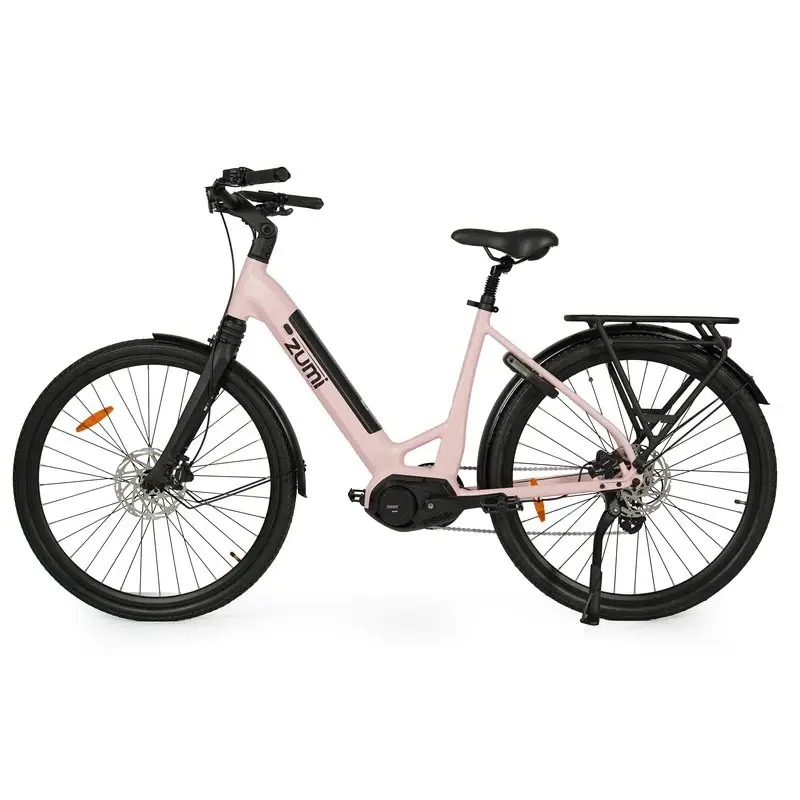
2026/08/03
Avoid liability & import bans: Learn IEC 62619, UN 38.3, and UL 2271—plus how to verify real compliance (not fakes).
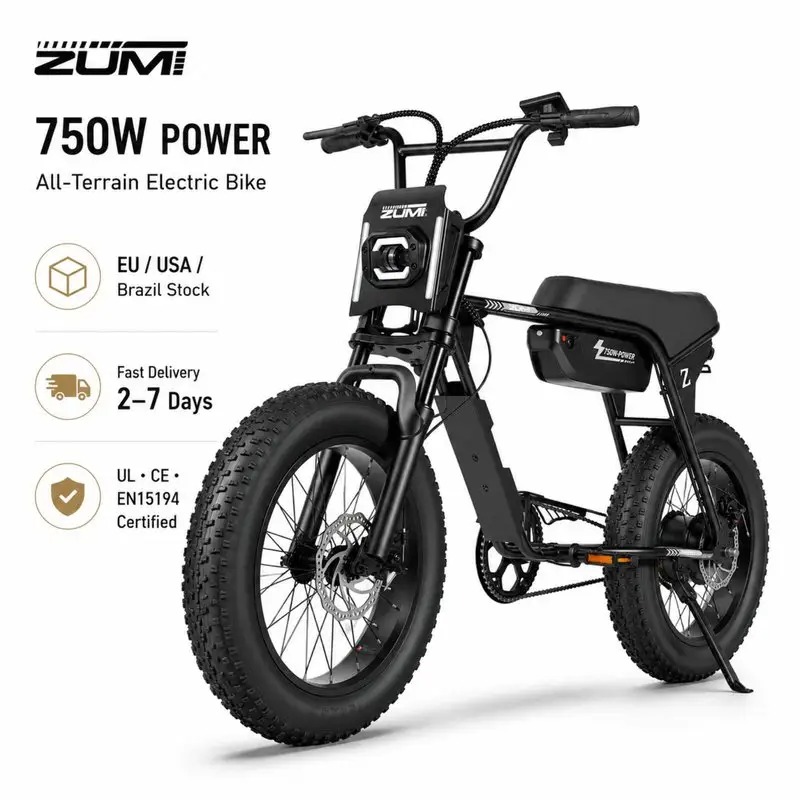
2026/08/03
Learn precise air pressure, rebound & compression tuning for optimal suspension performance. Get pro-level setup tips now.
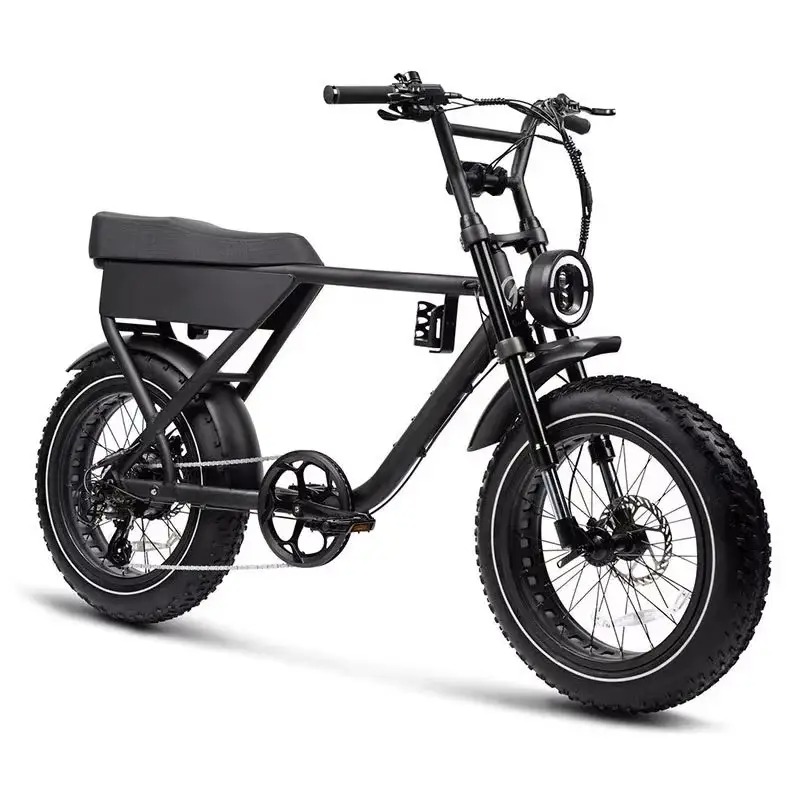
2026/08/03
Discover how voltage drop saps performance—and proven fixes to restore responsiveness, range, and battery life. Read now.
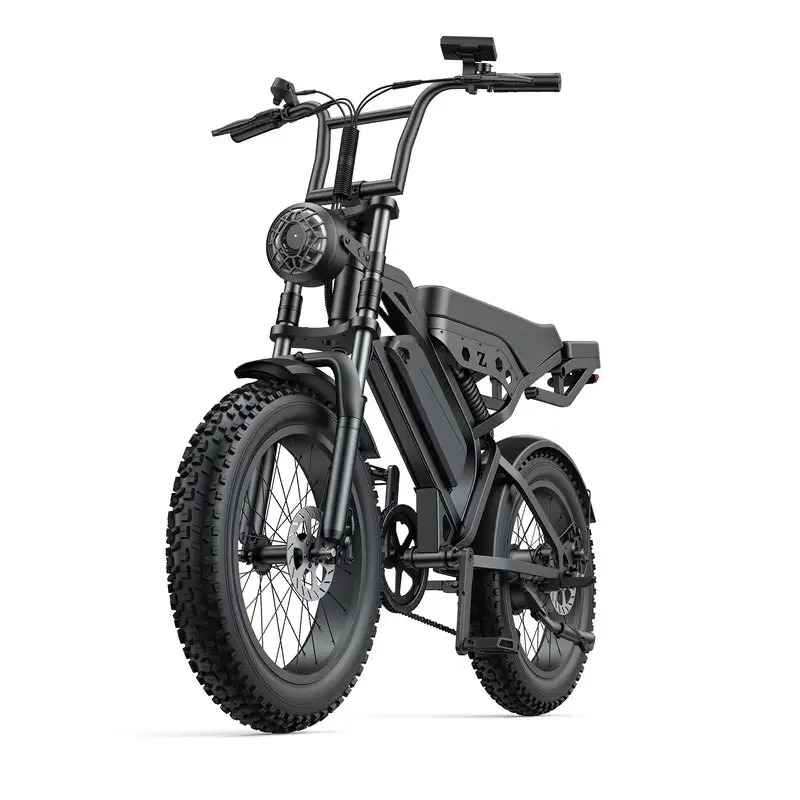
2026/08/03
Discover data-backed protocols, smart infrastructure & operational fixes. Optimize now.
2026/08/03
How payload cuts 48V cargo ebike range by 15–50%+ — backed by real-world degradation curves, motor load science & fleet optimization strategies.
Comprehensive warranty, fast parts shipping, remote diagnostics and local dealer training


