 EN
EN
STEP 1
Full vehicle warranty for 2 years
2026/08/07
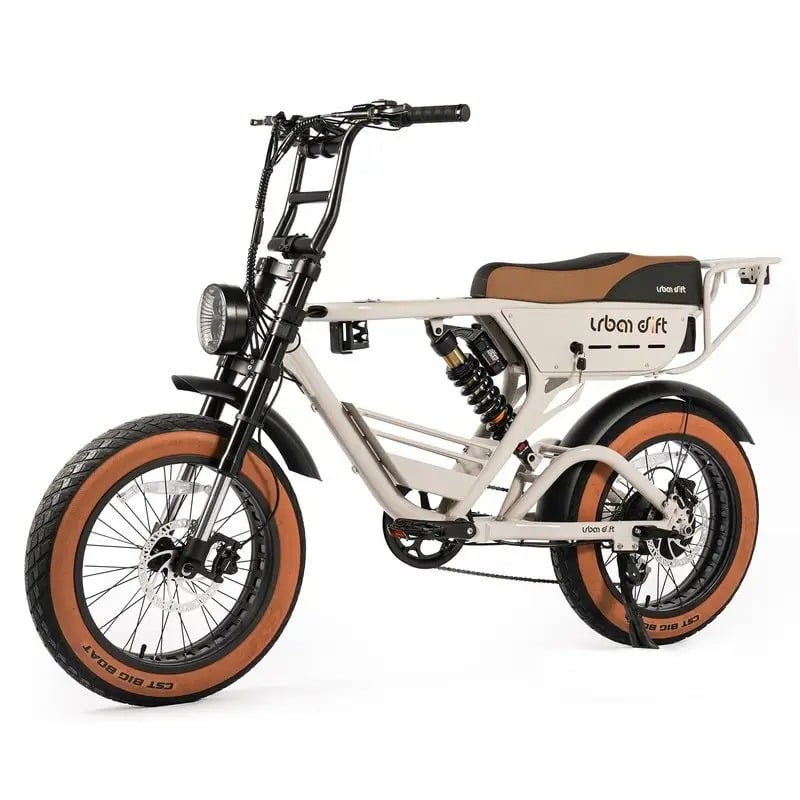
The electric bicycle wholesale market has experienced unprecedented growth over the past five years, driven by shifting consumer preferences toward sustainable transportation and urban mobility solutions. Retailers, distributors, and fleet operators worldwide are actively sourcing ebike wholesale products to meet rising demand from environmentally conscious buyers and urban commuters. The wholesale electric bikes segment now represents a significant portion of the global micromobility market, with manufacturers expanding production capacity and supply chain networks to support retail partners and commercial buyers.
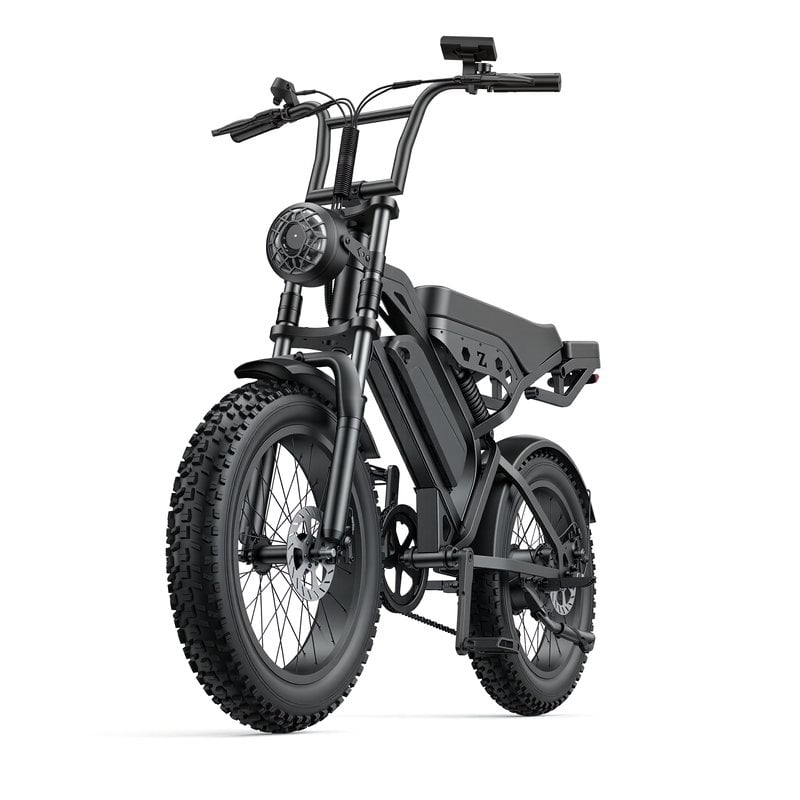
Understanding current market dynamics, consumer behavior changes, and emerging opportunities in the electric bike wholesale space is essential for businesses positioning themselves in this rapidly evolving sector. The wholesale electric bikes industry reflects broader transformations in how people commute, exercise, and interact with urban infrastructure. Today's wholesale buyers face complex decisions about product selection, quality standards, delivery models, and market positioning—all influenced by evolving end-consumer expectations and regulatory environments.
The ebike wholesale market has grown by over 15 percent annually, with projections indicating sustained expansion through 2026 and beyond. Retailers are increasingly recognizing electric bikes as a high-margin product category that attracts diverse customer demographics, from daily commuters to recreational riders. Wholesale electric bikes now span multiple price points and performance tiers, allowing retailers to serve different market segments effectively. Manufacturers have responded by developing modular designs, battery innovations, and motor technologies that improve reliability, range, and affordability—key factors influencing wholesale purchasing decisions.
Consumer demand for ebike wholesale products extends beyond early adopters to mainstream buyers seeking practical alternatives to cars and public transit. Demographic analysis reveals strong growth among commuters aged 25 to 55, professionals working in compact urban areas, and families seeking leisure transportation options. Additionally, government incentive programs in Europe, North America, and parts of Asia have accelerated wholesale electric bike adoption by making purchases more affordable. Environmental consciousness, rising fuel costs, and remote work trends have positioned electric bikes as lifestyle choices rather than niche products, directly benefiting wholesale channels.
Battery advancement stands as the primary driver of wholesale electric bikes innovation and market differentiation. Modern lithium-ion batteries now deliver 50 to 100 miles per charge, significantly improving rider confidence and expanding addressable markets. Wholesale buyers increasingly prioritize batteries offering fast charging, extended lifespan, and integrated battery management systems that reduce maintenance costs and increase customer satisfaction. Motor efficiency has similarly improved, with mid-drive and hub motors optimized for different riding styles and terrains. These technical improvements directly influence wholesale pricing, margin structures, and competitive positioning among retailers.
Regulatory frameworks governing electric bikes vary significantly across regions, affecting wholesale supply chain decisions and product specifications. The European Union, United States, and major Asian markets have established classifications, speed limits, and safety standards that wholesale buyers must navigate when sourcing inventory. Compliance with these standards affects manufacturing costs, product certifications, and market accessibility for wholesale electric bikes. Manufacturers developing robust quality assurance processes gain competitive advantages by simplifying wholesale relationships, reducing certification delays, and enabling faster time-to-market for retail partners.
Successful wholesale electric bike operations require sophisticated logistics networks capable of managing inventory, fulfillment, and returns efficiently. Regional warehousing, dropshipping partnerships, and supply chain integration have become essential competitive elements for wholesale distributors and manufacturers. Direct-to-retail relationships increasingly leverage technology platforms that streamline ordering, inventory tracking, and delivery coordination. Companies investing in transparent, responsive supply chains strengthen wholesale partnerships, reduce stockouts, and improve retail customer satisfaction. Logistics excellence has become a primary differentiator in the ebike wholesale space.
Wholesale buyers now evaluate suppliers based on brand reputation, product reliability, warranty support, and after-sales service. Manufacturers developing strong brand identities and customer loyalty programs enhance their wholesale appeal and enable retail partners to command higher margins. Digital marketing support, consumer education materials, and retail training programs differentiate wholesale partners in competitive markets. Brands emphasizing sustainability, innovation, and customer experience build long-term wholesale relationships that extend beyond transactional purchasing. Market positioning around specific use cases—urban commuting, off-road adventures, cargo transport—enables wholesale partners to target specific retail segments effectively.
Wholesale buyers prioritize battery range, motor performance, durability, compliance certifications, pricing competitiveness, and supplier reliability when evaluating electric bike wholesale options. Warranty terms, spare parts availability, and technical support significantly influence long-term profitability for retail partners. Market reputation and customer reviews increasingly drive wholesale sourcing as retailers seek to minimize returns and maximize satisfaction scores.
Supply chain disruptions impact wholesale electric bikes through extended lead times, component shortages, and increased logistics costs. Manufacturers diversifying supplier networks and maintaining strategic inventory buffers better weather market volatility. Regional manufacturing hubs and localized supply chains have emerged as responses to global disruptions, benefiting wholesale partners with faster delivery and improved predictability. Building resilient wholesale relationships with multiple suppliers reduces risk exposure during industry disruptions.
Government subsidies, tax credits, and rebate programs significantly boost consumer demand for electric bikes, directly benefiting wholesale channels by increasing retail sales volumes and inventory turnover. Incentive programs vary by region and change frequently, requiring wholesale partners to stay informed about regulatory developments. Cities and countries with aggressive sustainability targets continue expanding incentive programs, creating sustained wholesale opportunities. Strategic wholesale buyers monitor incentive announcements to anticipate demand surges and adjust inventory planning accordingly.
2026/08/03
Fix time zones, language gaps, and unclear protocols—boost speed, cut costs, and scale confidently.
2026/08/03
Avoid liability & import bans: Learn IEC 62619, UN 38.3, and UL 2271—plus how to verify real compliance (not fakes).
2026/08/03
Learn precise air pressure, rebound & compression tuning for optimal suspension performance. Get pro-level setup tips now.
2026/08/03
Discover how voltage drop saps performance—and proven fixes to restore responsiveness, range, and battery life. Read now.
2026/08/03
Discover data-backed protocols, smart infrastructure & operational fixes. Optimize now.
2026/08/03
How payload cuts 48V cargo ebike range by 15–50%+ — backed by real-world degradation curves, motor load science & fleet optimization strategies.
Comprehensive warranty, fast parts shipping, remote diagnostics and local dealer training


