 EN
EN
STEP 1
Full vehicle warranty for 2 years
2026/08/27
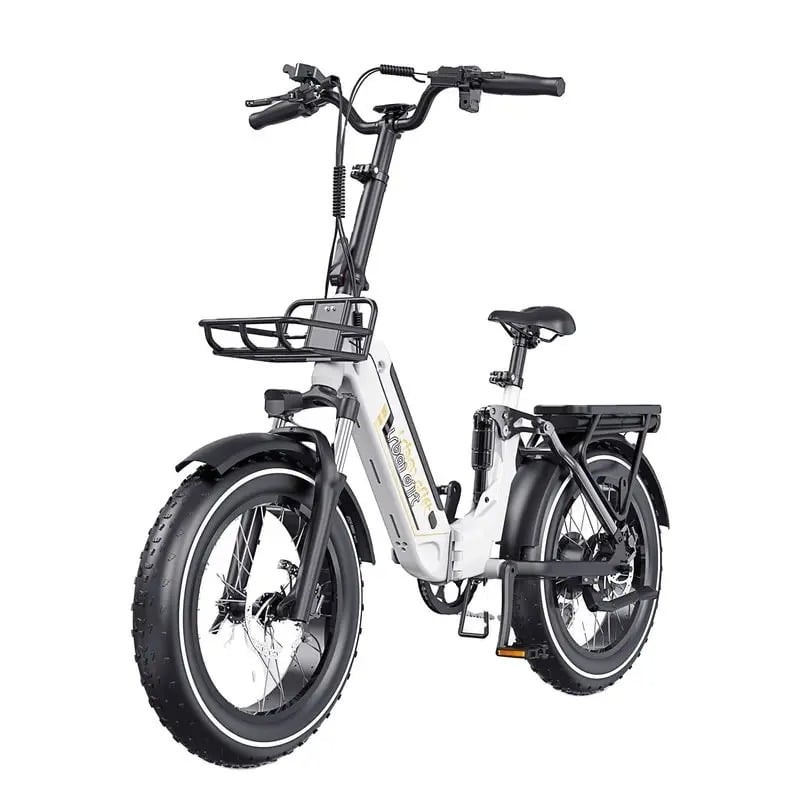
Commuting through busy city streets demands a vehicle that balances speed, comfort, and practicality. Whether you're navigating congested traffic, climbing hills, or covering long distances daily, the choice between an electric bike for city use and a traditional commuter bike significantly impacts your commuting experience. Modern urban riders face unique challenges that neither option solved completely until electric bike technology matured, and understanding how these two approaches differ helps you make an informed decision.
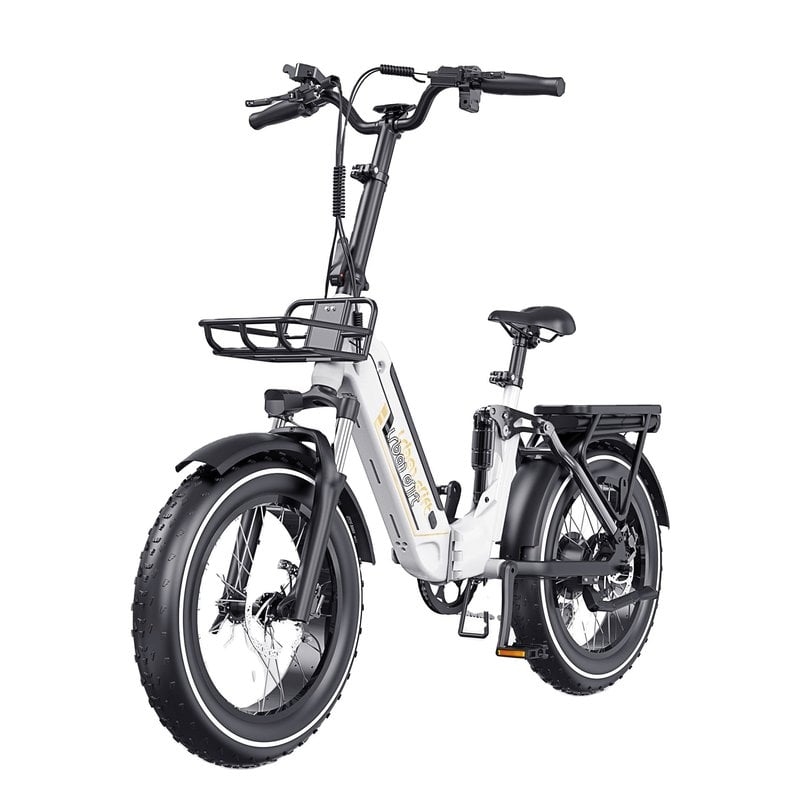
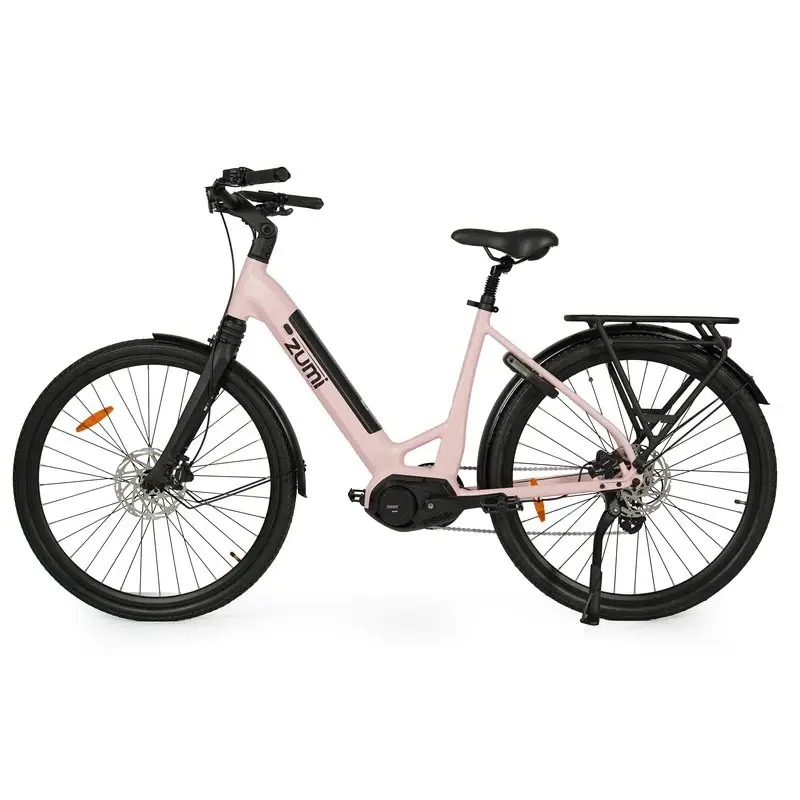
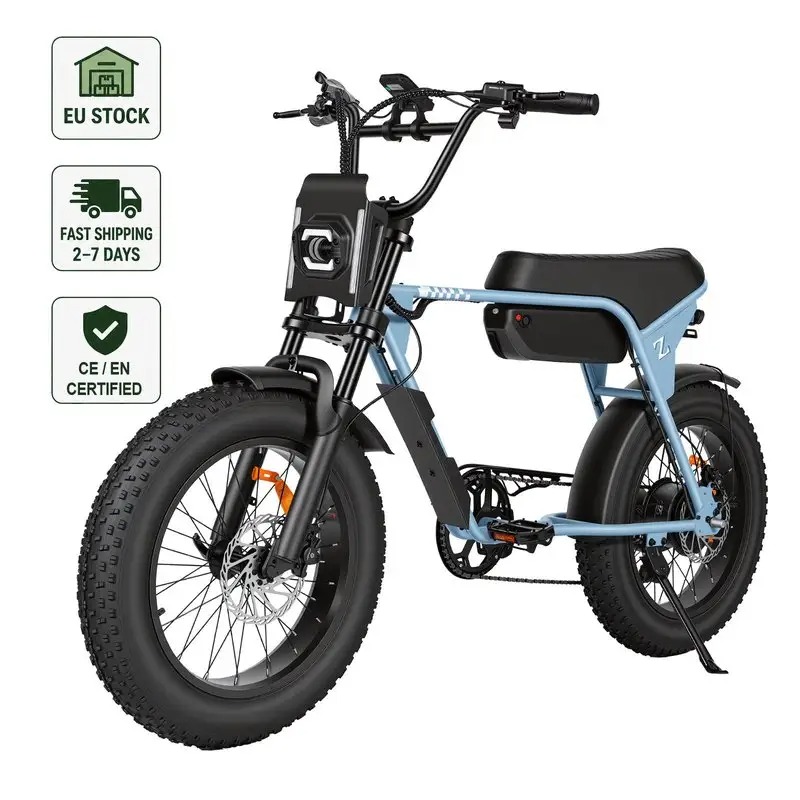
The rise of the city ebike and commuter ebike solutions reflects a fundamental shift in how professionals approach daily transportation. A commuter ebike eliminates many friction points that plague traditional bikes, while still maintaining environmental benefits and cost efficiency. For riders considering an urban electric bike, the comparison reveals distinct advantages in effort, time management, and overall ride quality that reshape the commute from obligation into opportunity.
Traditional commuter bikes demand consistent physical exertion throughout your journey. Climbing inclines, accelerating from traffic lights, and maintaining speed against headwinds drain energy reserves before you even reach the office. A city ebike, by contrast, provides electric motor assistance that reduces physical strain while allowing you to adjust effort levels through pedal-assist modes. This capability transforms difficult terrain from exhausting into manageable, which directly improves arrival comfort and reduces post-ride fatigue.
The urban electric bike advantage becomes particularly clear on days when weather worsens or your energy runs low. Traditional bikes offer no adjustment mechanism, but a commuter ebike lets you increase motor assistance on demanding days. This flexibility means you arrive fresh and composed rather than sweaty and exhausted, maintaining professional appearance and mental clarity for important meetings or interactions.
Headwinds, steep grades, and heavy traffic create compounding stress on traditional commuter bikes. A city ebike neutralizes these environmental obstacles through consistent motor support that maintains your desired speed regardless of conditions. Urban electric bike systems typically offer multiple assistance levels, allowing riders to match effort to circumstances rather than fighting against them throughout the commute.
Rain, snow, and temperature extremes test traditional bike riders more severely because physical exertion intensifies under adverse conditions. The commuter ebike provides a buffer against these challenges, making year-round riding feasible without seasonal equipment changes or fitness fluctuations. This reliability transforms commuting into a consistent, predictable experience that you can count on regardless of seasonal variations.
Traditional commuter bikes average 12 to 16 miles per hour in urban settings, heavily influenced by rider fitness, terrain, and traffic patterns. A city ebike typically reaches 20 to 28 miles per hour with motor assistance, substantially reducing commute time while eliminating arrival variability. This speed consistency means you can reliably predict commute duration and build schedules with confidence that an urban electric bike provides.
Longer commutes amplify this advantage dramatically. A traditional bike commute of five miles might require 20 to 30 minutes, while a commuter ebike covers the same distance in 12 to 18 minutes. This time recapture compounds across a work week, recovering hours previously devoted to commuting that you can redirect toward productivity, rest, or family time. For city dwellers managing multiple errands or extended commute distances, the city ebike fundamentally reshapes daily time allocation.
Traditional bikes limit distance range based purely on rider stamina, making multi-destination journeys exhausting or impossible within reasonable timeframes. A commuter ebike extends practical range to 30 to 50 miles depending on battery capacity and terrain, opening possibilities for extended deliveries, client visits, or multi-location commutes that traditional bikes cannot realistically support. The urban electric bike transforms your vehicle from single-purpose commuter into flexible business tool.
Battery range also eliminates the mid-journey energy crisis that plagues traditional riders. With adequate charge remaining, you know you can reach your destination without strategic rest stops or contingency planning. This certainty reduces commute anxiety and enables you to make spontaneous route changes or extend your journey without mechanical limitation.
Traditional commuter bikes typically cost 400 to 1500 dollars, with minimal ongoing expenses beyond routine maintenance. A quality city ebike ranges from 1200 to 3500 dollars, representing higher upfront investment but delivering substantially different operational economics. When you factor electricity costs of roughly 0.50 to 1.00 dollar per 100 miles, the commuter ebike cost per mile compares favorably to car transportation while remaining significantly cheaper than public transit for regular commuters.
The urban electric bike initial cost premium recovers through time savings, health benefits, and eliminated parking fees. A commuter who previously paid 150 to 300 dollars monthly for parking or transit recoups bike investment within 12 to 24 months. Beyond cost recovery, every additional month of riding generates positive financial return compared to traditional transportation methods.
Traditional bikes demand regular maintenance including brake adjustments, chain lubrication, and tire replacements, with skilled mechanic visits costing 50 to 150 dollars per service. A city ebike requires identical drivetrain maintenance plus battery monitoring and occasional electric system checks. However, because motor assistance reduces mechanical stress on brakes and drivetrain, urban electric bikes often experience lower overall wear rates that offset increased system complexity.
Battery replacement represents the primary long-term cost consideration for commuter ebike owners. Quality batteries typically last 500 to 1000 charge cycles, translating to 3 to 5 years of regular use before replacement becomes necessary. At 300 to 800 dollars per battery, this cost remains manageable across the bike's lifespan and acceptable relative to parking, gas, or transit expenses for the same period.
Both traditional and electric bikes eliminate direct emissions during operation, offering environmental advantages over cars and motorcycles. However, a city ebike generates grid-dependent electricity consumption during charging. Modern utility grids increasingly feature renewable energy sources, meaning urban electric bike charging produces significantly lower lifetime emissions than gasoline vehicles. Even in regions with coal-heavy power generation, a commuter ebike produces roughly 80 percent fewer emissions than comparable car commutes over its operational lifespan.
The environmental case for the city ebike strengthens when comparing total journey impact. While traditional bikes produce zero emissions, many riders resort to car transportation during inclement weather or when reaching important meetings requiring professional appearance. An urban electric bike maintains consistent usability year-round, ensuring higher bike-to-car transportation ratio that delivers measurable emissions reduction across your annual commuting pattern.
Cities benefit substantially when commuters adopt electric bike solutions. A commuter ebike removes individual car trips from congested streets, reducing traffic pressure and improving flow for remaining vehicles and transit systems. Multiplied across thousands of riders, widespread city ebike adoption meaningfully reduces urban congestion, pollution, and infrastructure strain that municipalities otherwise address through expensive road expansion or new transit construction.
Yes, modern urban electric bikes feature weather-resistant components and sealed bearings that handle rain, snow, and temperature extremes reliably. A commuter ebike provides consistent performance regardless of conditions, though you should use appropriate tires and components rated for your local climate. Many riders use their city ebike year-round without seasonal equipment changes, making it a genuinely reliable commuting solution.
An electric bike for city use allows riders to adjust assistance levels, letting you choose active pedaling on some days and relaxed riding on others. A city ebike delivers fitness benefits comparable to traditional bikes at lower intensity levels, making cycling sustainable over longer distances and across varying fitness conditions. You maintain cardiovascular benefits while reducing joint strain that prevents traditional bike commuting for many riders.
Most commuters recoup their commuter ebike investment within 18 to 36 months through eliminated parking fees, reduced transportation costs, and time savings. The exact payback depends on your previous transportation method, commute distance, and local parking costs. Beyond the payback period, every additional month of urban electric bike use generates pure financial benefit compared to car transportation, public transit, or ride-sharing services.
2026/08/03
Fix time zones, language gaps, and unclear protocols—boost speed, cut costs, and scale confidently.
2026/08/03
Avoid liability & import bans: Learn IEC 62619, UN 38.3, and UL 2271—plus how to verify real compliance (not fakes).
2026/08/03
Learn precise air pressure, rebound & compression tuning for optimal suspension performance. Get pro-level setup tips now.
2026/08/03
Discover how voltage drop saps performance—and proven fixes to restore responsiveness, range, and battery life. Read now.
2026/08/03
Discover data-backed protocols, smart infrastructure & operational fixes. Optimize now.
2026/08/03
How payload cuts 48V cargo ebike range by 15–50%+ — backed by real-world degradation curves, motor load science & fleet optimization strategies.
Comprehensive warranty, fast parts shipping, remote diagnostics and local dealer training


