 EN
EN

STEP 1
Full vehicle warranty for 2 years
2026/09/07
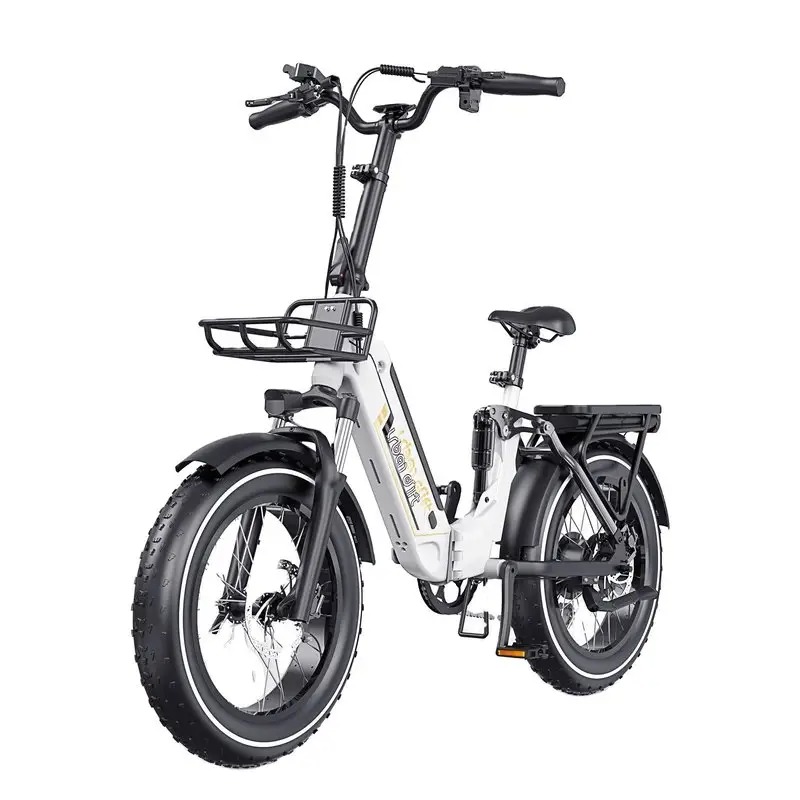
Urban logistics is undergoing a fundamental transformation as cities worldwide prioritize sustainability and operational efficiency. The choice between an electric cargo bike and a traditional commercial delivery van has become a critical decision for businesses navigating congested metropolitan areas. Both solutions serve last-mile delivery, but they differ dramatically in cost structure, environmental impact, and practical maneuverability in dense urban environments.
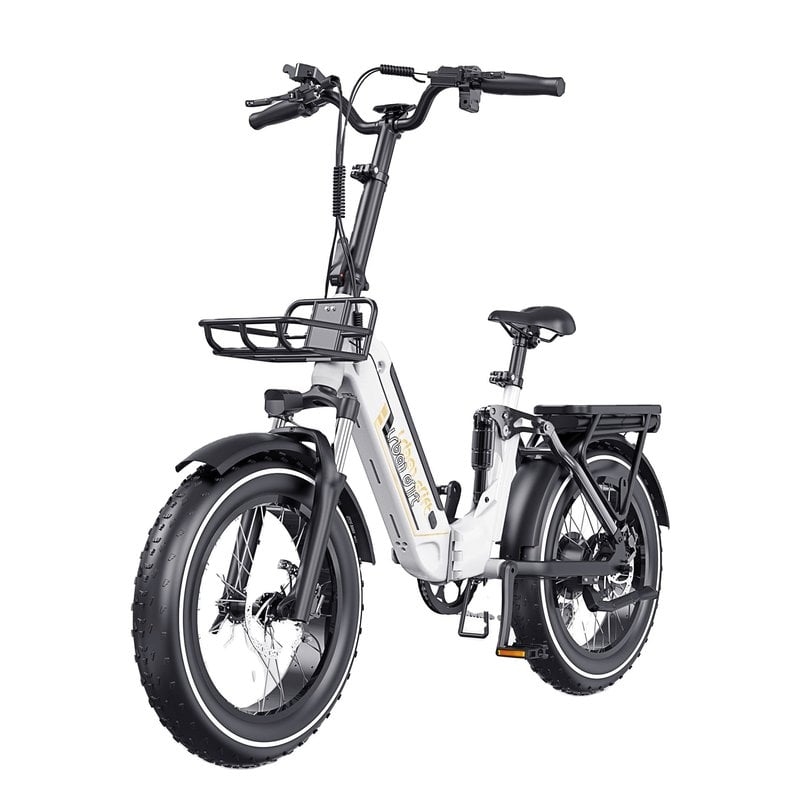
This comparison examines operational efficiency, infrastructure requirements, payload capacity, and return on investment across real urban delivery scenarios. Whether you manage a small e-commerce business, operate a courier service, or coordinate city-wide logistics, understanding the strengths and limitations of each approach is essential for making an informed capital investment decision.
A commercial delivery van typically costs between $25,000 and $60,000 depending on size, engine type, and features. Operating expenses include fuel, maintenance, insurance, licensing, and vehicle registration. Over five years, total cost of ownership often exceeds $80,000 when fuel consumption, regular servicing, tire replacement, and emissions testing are included. A long tail electric cargo bike, by contrast, costs between $2,000 and $8,000 initially. Maintenance involves occasional brake adjustments, tire replacements, and battery servicing, totaling less than $500 annually. Insurance and licensing costs are minimal or nonexistent in most jurisdictions, making the five-year cost dramatically lower.
Commercial vans consume approximately 15 to 25 liters of fuel per 100 kilometers, depending on load, route, and vehicle condition. A compact electric cargo bike uses between 0.5 and 1.5 kilowatt-hours per 100 kilometers, costing roughly $0.10 to $0.30 per charge cycle. Monthly fuel costs for a van delivering in urban areas can reach $800 to $1,500, whereas a fat tire cargo ebike costs $5 to $15 monthly for electricity. This dramatic energy cost differential accumulates to $10,000 to $18,000 annually in operational savings, making the electric cargo bike financially superior for short-range urban deliveries.
Commercial delivery vans face substantial challenges in dense urban environments. Finding legal parking requires circling blocks, consuming time and fuel while drivers wait for spots. Vans cannot navigate narrow alleyways, pedestrian zones, or residential streets with width restrictions. A compact electric cargo bike eliminates these obstacles entirely. It fits through gaps between parked cars, uses bike lanes and dedicated cycling infrastructure, and parks in designated bike racks or compact floor spaces. In cities with congestion charges, delivery vans incur daily fees ranging from $10 to $20, whereas cargo bikes are exempt. This accessibility advantage translates to faster delivery routes, reduced fuel consumption during idle periods, and improved service reliability in constrained urban geographies.
Commercial vans operate in all weather conditions but suffer reduced efficiency in extreme cold, heavy rain, or snow due to increased fuel consumption and mechanical strain. A fat tire cargo ebike offers surprising resilience. Fat tires provide traction in wet conditions, and modern electric cargo bikes feature weather-sealed components, integrated lighting, and cargo covers protecting goods during rain. While extreme winter weather may reduce range by 20 to 30 percent, operational capability remains intact. Riders can modulate assist levels to conserve battery in challenging conditions, whereas vans cannot reduce fuel consumption dynamically once on the road.
Commercial delivery vans produce carbon dioxide, particulate matter, and nitrogen oxides contributing to urban air pollution. Cities increasingly implement low-emission zones, restricting older diesel vans and imposing penalties for non-compliant vehicles. An electric cargo bike produces zero direct emissions throughout its operational lifecycle. Forward-thinking municipalities offer tax incentives, subsidies, and priority access to bike lanes for commercial cargo bikes, effectively lowering acquisition costs and improving service speed. Regulatory momentum strongly favors sustainable alternatives, making cargo bikes future-proof investments compared to traditional vans.
Sustainability considerations increasingly influence consumer purchasing decisions. Businesses using a long tail electric cargo bike for deliveries communicate environmental responsibility directly to customers. This positioning enhances brand perception, differentiates services in competitive markets, and appeals to environmentally conscious consumer segments. A wholesale electric cargo bike operation demonstrates corporate commitment to green logistics, strengthening relationships with sustainability-focused corporate clients. Commercial vans, conversely, project traditional infrastructure dependency and may deter customers concerned about environmental impact of supply chains.
Commercial delivery vans can transport 2,000 to 5,000 kilograms of cargo per trip, accommodating bulk shipments and large items. A fat tire cargo ebike typically carries 50 to 150 kilograms, limiting payload to small parcels, envelopes, and lightweight goods. However, for urban last-mile delivery, most packages weigh less than 25 kilograms. Businesses can strategically deploy a fleet of cargo bikes, where multiple vehicles collectively distribute payloads that a single van would handle. This distributed model often proves more cost-effective than maintaining vans idle between deliveries. Dense urban areas with high delivery density benefit from cargo bike fleets, while suburban or regional logistics requiring large consolidated shipments require van capacity.
Commercial vans achieve 400 to 600 kilometers per fuel tank, enabling extensive geographic coverage per journey. Modern electric cargo bikes offer 40 to 80 kilometers per charge, dependent on terrain, rider weight, assist level, and battery capacity. For consolidated urban delivery zones within metropolitan boundaries, this range proves sufficient. Businesses can establish neighborhood hub-and-spoke networks where vans deposit cargo at strategic points, then cargo bikes distribute to final destinations. This hybrid model combines van efficiency for trunk routes with cargo bike advantages for last-mile urban delivery, optimizing overall system performance and cost.
An electric cargo bike outperforms commercial vans in dense urban environments due to superior maneuverability, parking accessibility, lower operational costs, and exemption from congestion charges. A long tail electric cargo bike or compact electric cargo bike excels when delivery density is high and parcels are relatively lightweight. Vans remain necessary for bulk shipments, regional distribution, or areas where cycling infrastructure is underdeveloped. Many forward-thinking logistics operators now deploy hybrid fleets combining both approaches.
A fat tire cargo ebike saves approximately $10,000 to $18,000 annually compared to a commercial van through reduced energy costs, eliminated fuel expenses, minimal maintenance, and avoided congestion fees. Initial acquisition cost is 80 to 90 percent lower. Break-even occurs within 12 to 24 months for urban delivery operations. The wholesale electric cargo bike market reflects growing cost recognition, with fleet operators increasingly adopting bikes to reduce total logistics expense and improve service speed in city centers.
Modern electric cargo bikes operate reliably year-round in most climates. Fat tire designs provide winter traction, sealed components protect electronics from rain, and integrated lighting ensures visibility. Battery range decreases 20 to 30 percent in extreme cold, but operational capability remains. Riders can adjust assist levels to optimize range. A commercial van faces different challenges including engine strain, reduced fuel efficiency, and maintenance issues in harsh weather. Both require contingency planning for extreme conditions, but cargo bikes prove more adaptable and cost-effective across seasonal variations.
2026/08/03
Fix time zones, language gaps, and unclear protocols—boost speed, cut costs, and scale confidently.
2026/08/03
Avoid liability & import bans: Learn IEC 62619, UN 38.3, and UL 2271—plus how to verify real compliance (not fakes).
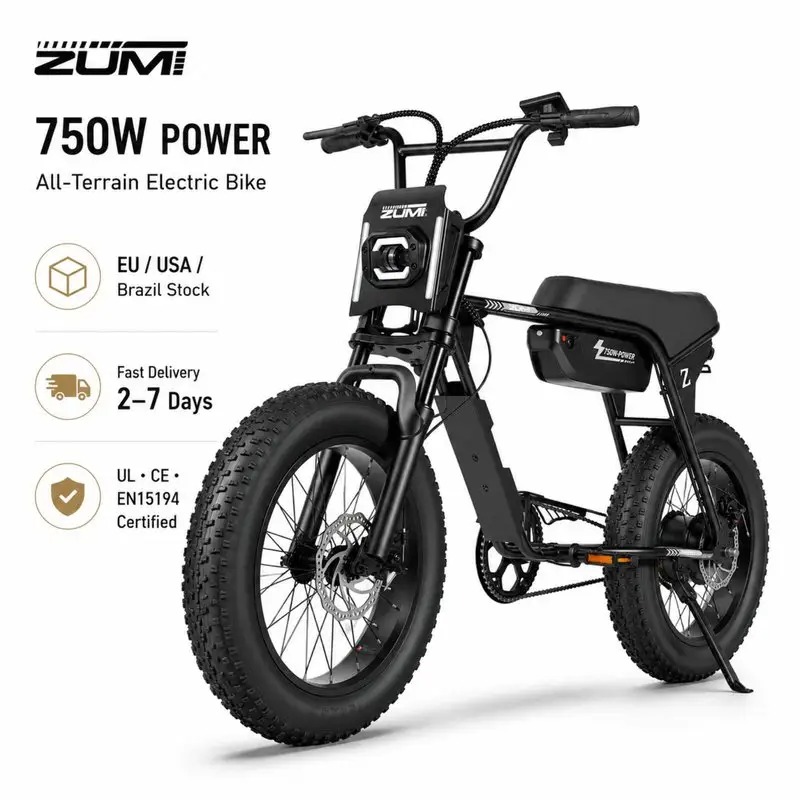
2026/08/03
Learn precise air pressure, rebound & compression tuning for optimal suspension performance. Get pro-level setup tips now.
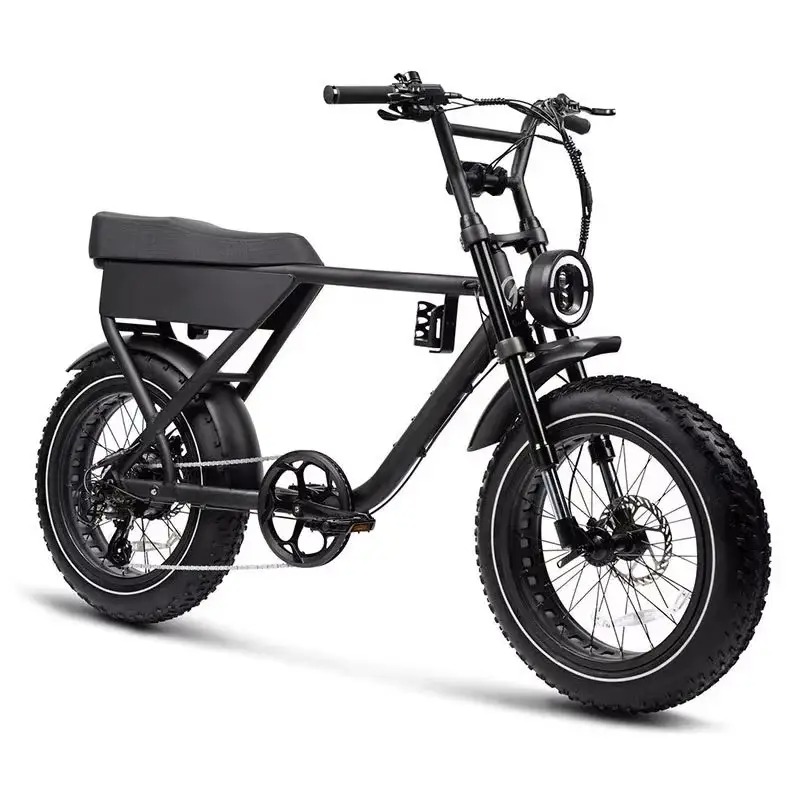
2026/08/03
Discover how voltage drop saps performance—and proven fixes to restore responsiveness, range, and battery life. Read now.
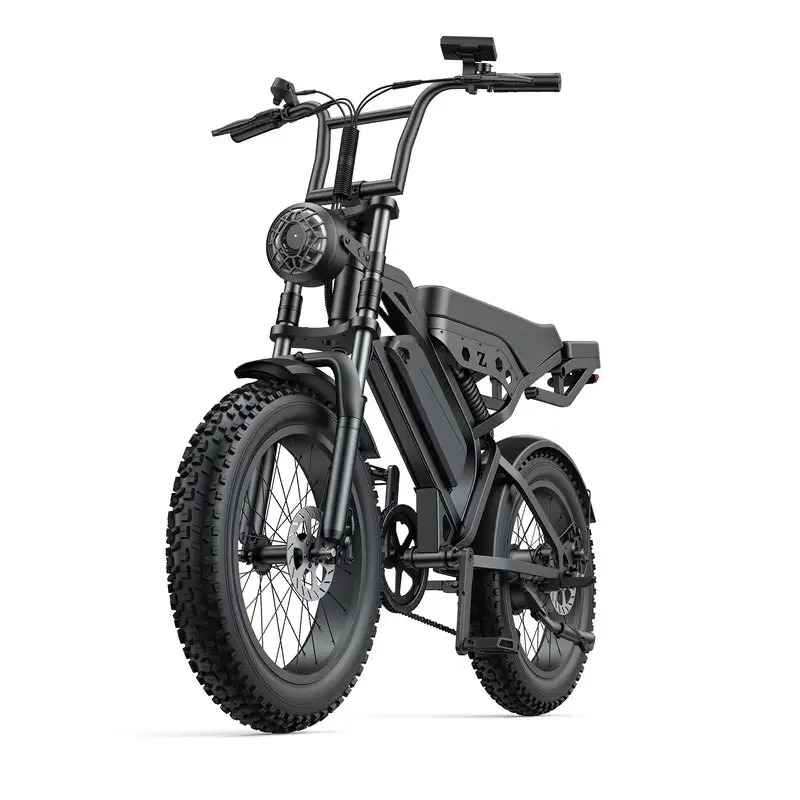
2026/08/03
Discover data-backed protocols, smart infrastructure & operational fixes. Optimize now.
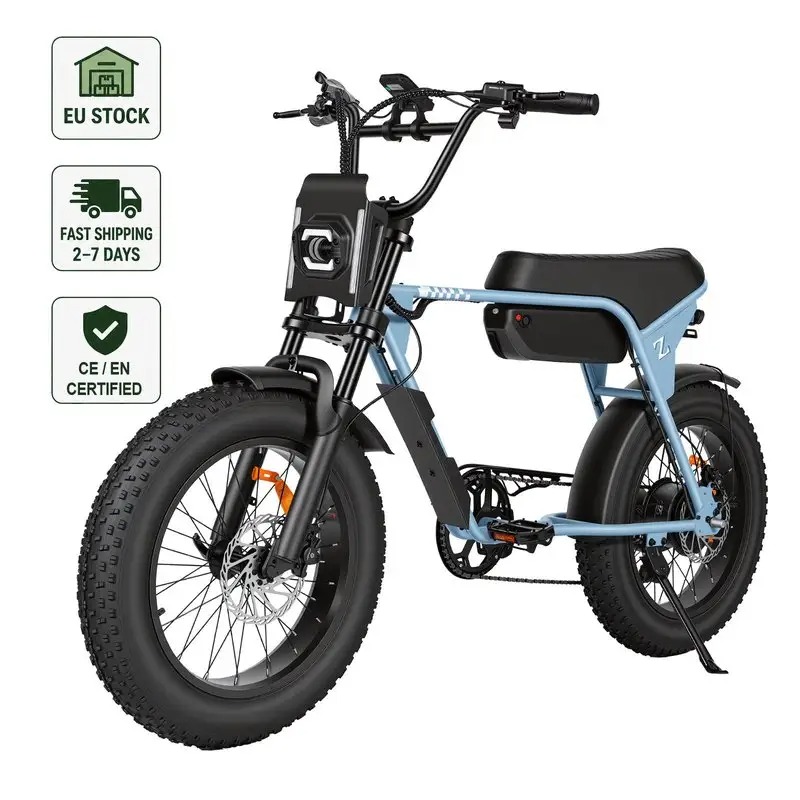
2026/08/03
How payload cuts 48V cargo ebike range by 15–50%+ — backed by real-world degradation curves, motor load science & fleet optimization strategies.
Comprehensive warranty, fast parts shipping, remote diagnostics and local dealer training


