 EN
EN
STEP 1
Full vehicle warranty for 2 years
2026/08/21
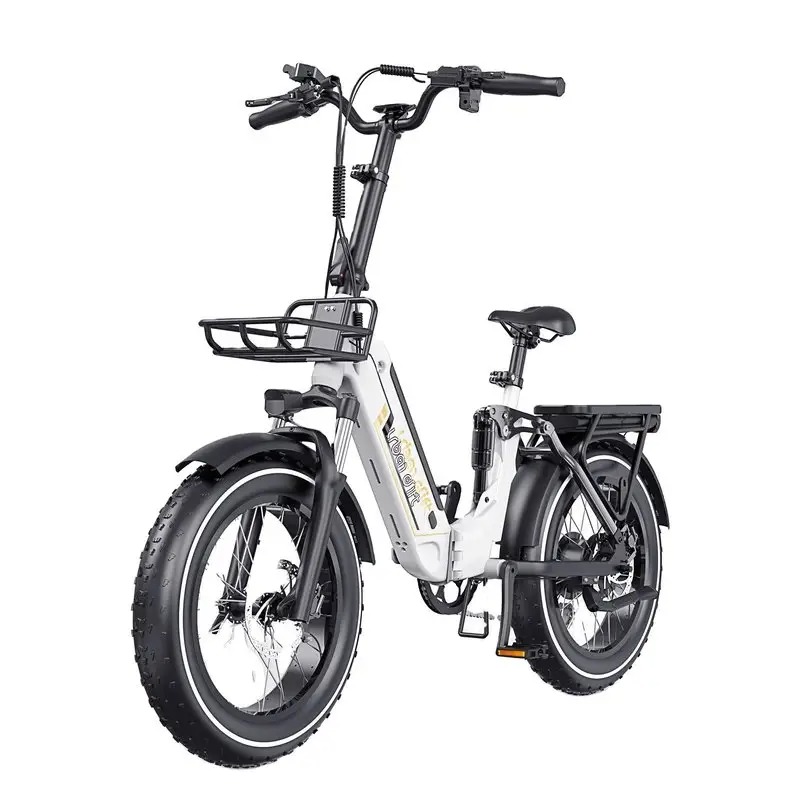
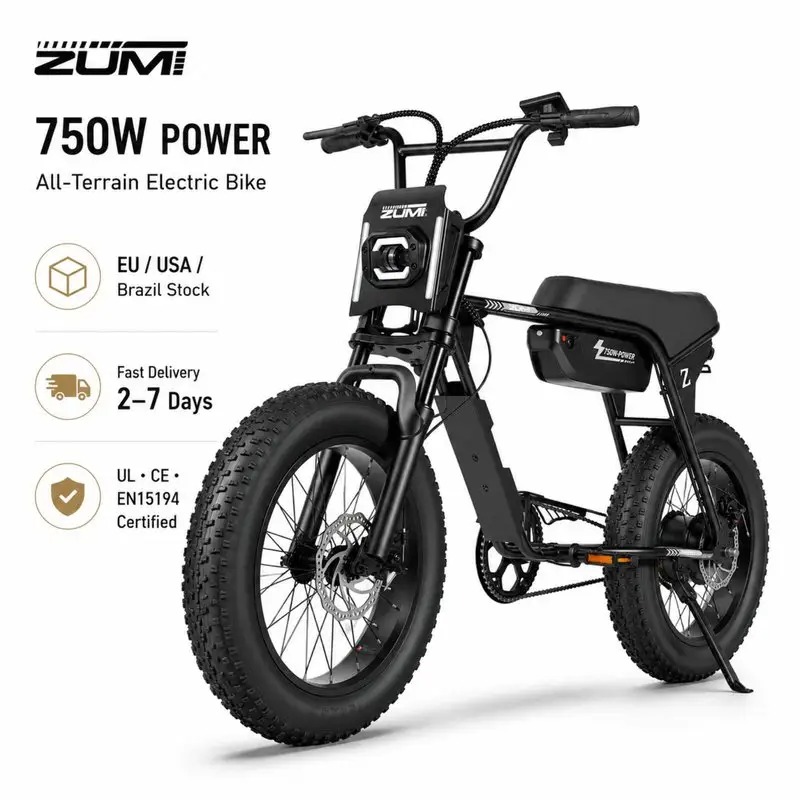
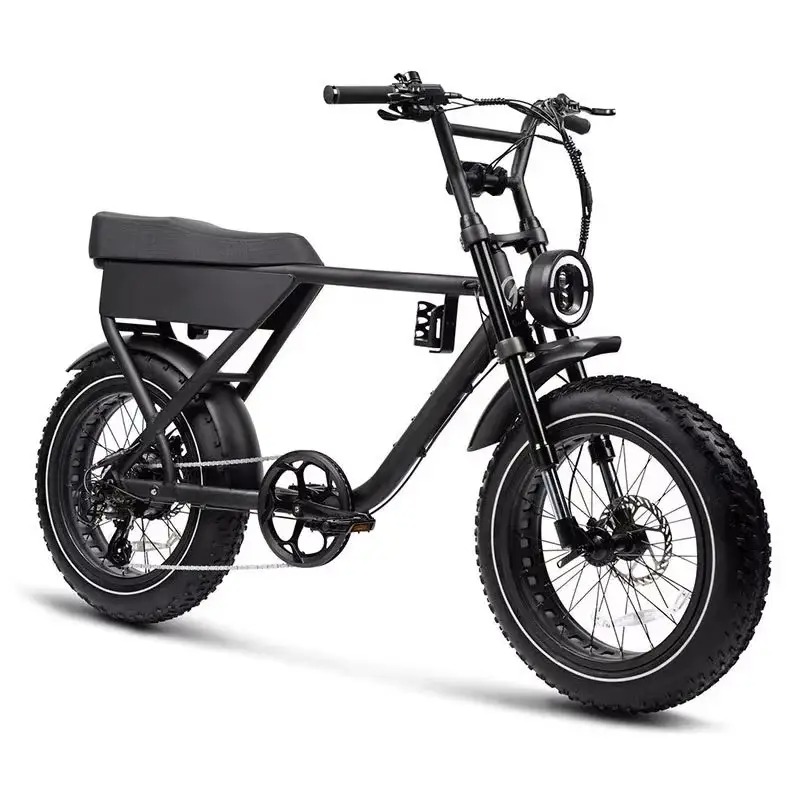
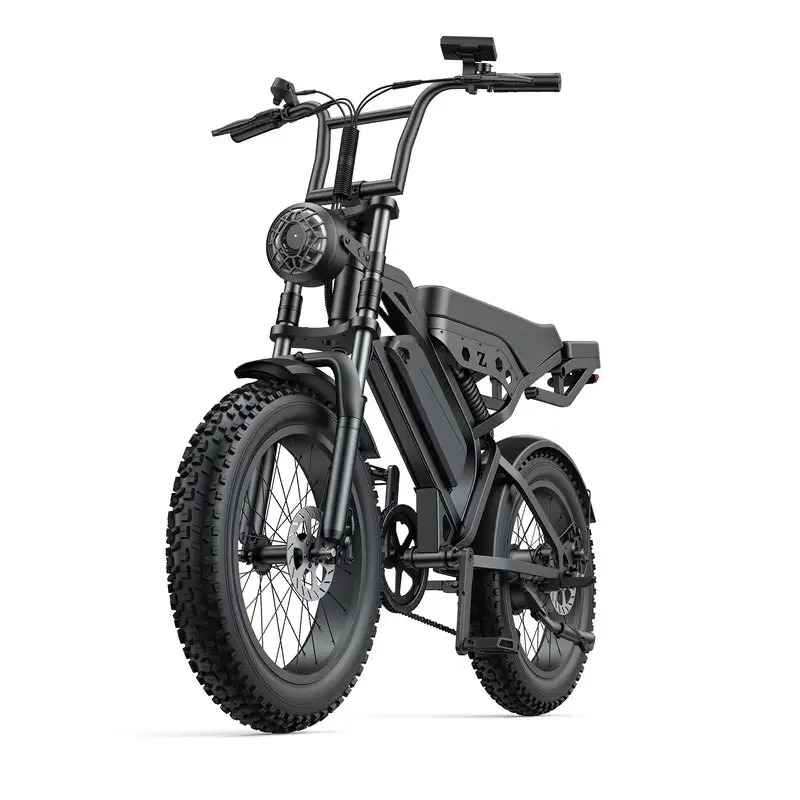
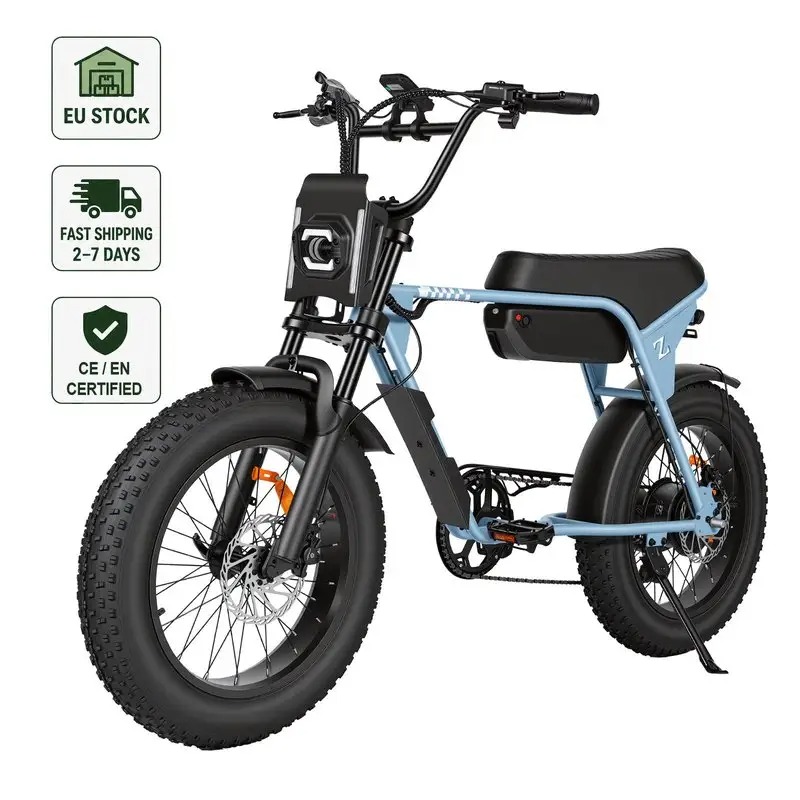
When comparing an electric city bike to a standard commuter bike, speed represents one of the most significant performance differences that urban riders encounter. An electric city bike delivers consistent acceleration and maintains higher average speeds throughout your commute, while standard bikes rely entirely on human power and physical conditioning. Understanding these speed distinctions helps commuters make informed choices about their transportation options and evaluate whether an electric city bike aligns with their daily travel needs.
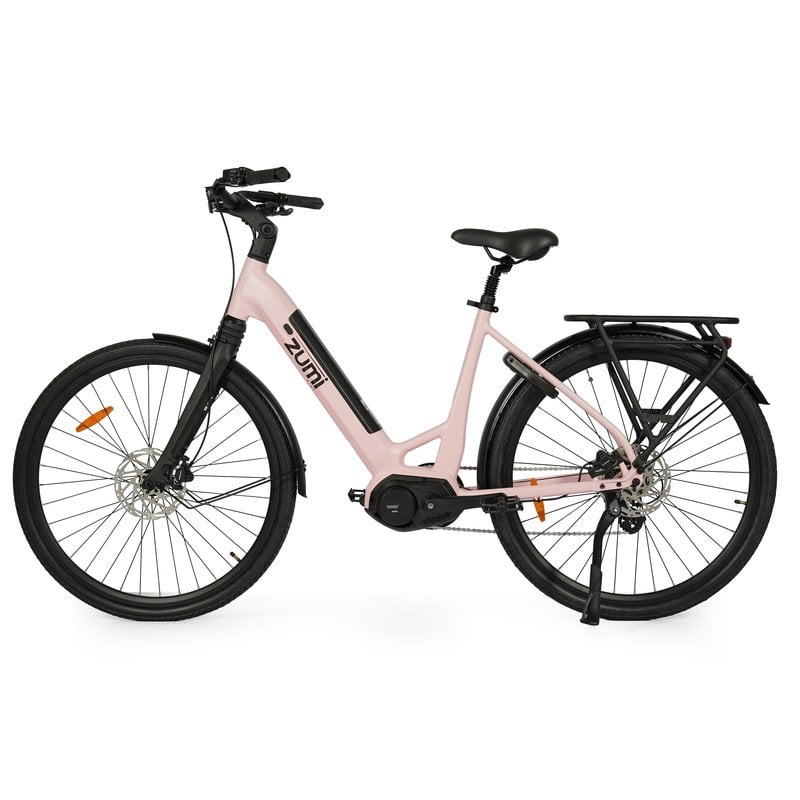
The speed advantage of an electric city bike stems from its integrated motor system, which augments pedal power and enables riders to maintain faster velocities with minimal physical exertion. Most city cruiser electric bikes feature motors ranging from 250 to 750 watts, allowing riders to reach speeds of 20 to 28 miles per hour depending on local regulations and motor specifications. This consistent speed capability transforms daily commutes, reducing travel times and making longer distances feel manageable for riders of all fitness levels.
The motor wattage in an ebike city bike directly influences acceleration and top speed capabilities. A 250-watt motor, common in many urban commuting e bikes, provides reliable assistance that maintains speeds between 15 and 20 miles per hour on flat terrain. Riders can typically achieve these speeds with moderate pedaling effort, whereas standard commuter bikes require continuous high-intensity pedaling to reach comparable velocities. The motor engages proportionally to your pedaling input, meaning the harder you pedal, the more power the system delivers, creating a responsive and intuitive riding experience.
Battery capacity determines how long an electric bikes for city riding can maintain its speed advantage across your entire commute. A quality city cruiser electric bike equipped with a 36V or 48V battery system sustains peak performance for 20 to 40 miles, depending on terrain, rider weight, and assist level settings. Standard commuter bikes maintain constant speed only through continuous muscular effort, which causes rider fatigue and inevitable speed reductions during longer journeys. The electric system in an ebike city bike compensates for fatigue, enabling consistent speed throughout your route without the physical toll of traditional cycling.
Electric city bikes reduce average commute times by 30 to 40 percent compared to standard bikes on identical routes. An urban commuting e bike can cover 5 to 10 miles in 20 to 30 minutes, while standard bikes require 40 to 60 minutes for the same distance, depending on rider fitness and terrain. This time advantage accumulates significantly over weeks and months, making electric bikes for city riding an attractive option for professionals with scheduled commitments. The speed consistency also allows riders to plan arrival times with confidence, eliminating the variability associated with human-powered commuting.
Terrain challenges reveal the most dramatic speed differences between electric and standard commuter bikes. When encountering hills or inclines, a city cruiser electric bike maintains nearly constant speed and acceleration, whereas standard bikes require dramatically increased effort and result in significant speed loss. An ebike city bike can ascend steep grades at 8 to 12 miles per hour while the rider pedals comfortably, whereas standard bikes often slow to 3 to 5 miles per hour on identical inclines. This performance advantage makes electric bikes for city riding particularly valuable in metropolitan areas with significant elevation changes, allowing riders to conquer challenging terrain without arriving at their destination exhausted.
Most regions enforce speed regulations for electric bikes, capping assist at 20 to 28 miles per hour depending on local laws. An electric city bike designed for compliant urban commuting respects these boundaries while still delivering significant speed advantages over standard bikes. City cruiser electric bikes incorporate smart controllers that monitor speed and automatically adjust motor assistance to maintain legal compliance. This regulatory framework ensures that urban commuting e bikes provide measurable performance benefits without creating unsafe riding conditions on city streets shared with pedestrians and other vehicles.
Physical conditioning profoundly affects standard bike speed, while electric bikes for city riding minimize this variable through motor assistance. An average rider on a standard commuter bike maintains 10 to 14 miles per hour, while the same rider on a city cruiser electric bike sustains 16 to 22 miles per hour with comparable effort. Athletic riders on standard bikes may achieve 15 to 18 miles per hour, yet still fall short of ebike city bike performance at less physical cost. This democratization of speed means that age, fitness level, and physical capability no longer determine commuting efficiency or daily travel time requirements.
An electric city bike typically achieves 15 to 25 miles per hour depending on motor power and terrain, while standard bikes average 10 to 14 miles per hour for most riders. This speed difference translates to 30 to 40 percent faster commute times on identical routes, making urban commuting e bikes substantially more efficient for time-conscious professionals. The gap widens significantly on hills and over longer distances where fatigue affects standard bike performance.
Most electric bikes for city riding offer multiple assist modes, including throttle-only operation on some models, allowing you to coast without pedaling if desired. However, pedal-assist modes, which engage the motor proportionally to your pedaling effort, represent the most efficient approach for sustained speed and battery longevity. City cruiser electric bike systems respond intuitively to your input, so light pedaling generates moderate assistance while vigorous pedaling produces maximum power output.
Yes, a quality city cruiser electric bike maintains consistent speed throughout 20 to 40 mile commutes depending on battery capacity and terrain. Unlike standard bikes where speed decreases due to rider fatigue, an ebike city bike delivers stable performance across extended distances. Urban commuting e bikes with larger battery packs (48V systems) provide enhanced range and sustained speed capability for professional commuters with longer routes.
2026/08/03
Fix time zones, language gaps, and unclear protocols—boost speed, cut costs, and scale confidently.
2026/08/03
Avoid liability & import bans: Learn IEC 62619, UN 38.3, and UL 2271—plus how to verify real compliance (not fakes).
2026/08/03
Learn precise air pressure, rebound & compression tuning for optimal suspension performance. Get pro-level setup tips now.
2026/08/03
Discover how voltage drop saps performance—and proven fixes to restore responsiveness, range, and battery life. Read now.
2026/08/03
Discover data-backed protocols, smart infrastructure & operational fixes. Optimize now.
2026/08/03
How payload cuts 48V cargo ebike range by 15–50%+ — backed by real-world degradation curves, motor load science & fleet optimization strategies.
Comprehensive warranty, fast parts shipping, remote diagnostics and local dealer training


