 EN
EN
STEP 1
Full vehicle warranty for 2 years
2026/08/10
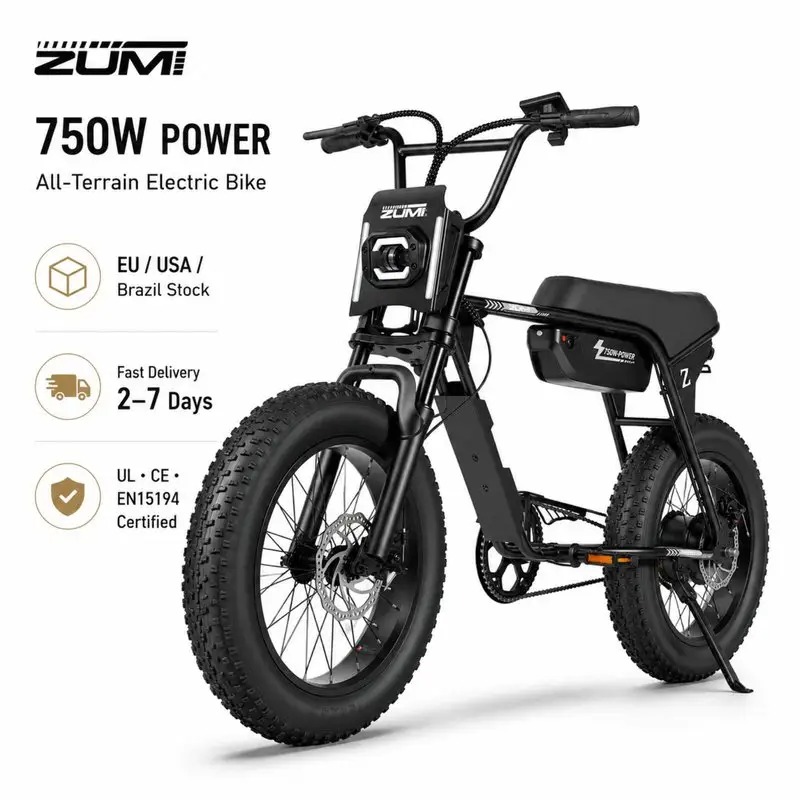
When choosing an e-bike for off-road adventures, the decision between an electric fat tire bike and a standard mountain e-bike fundamentally shapes your riding experience. Both platforms deliver motorized power and trail capability, yet they serve distinctly different purposes and excel under different conditions. Understanding these differences ensures you invest in a machine that matches your terrain, riding frequency, and performance expectations.
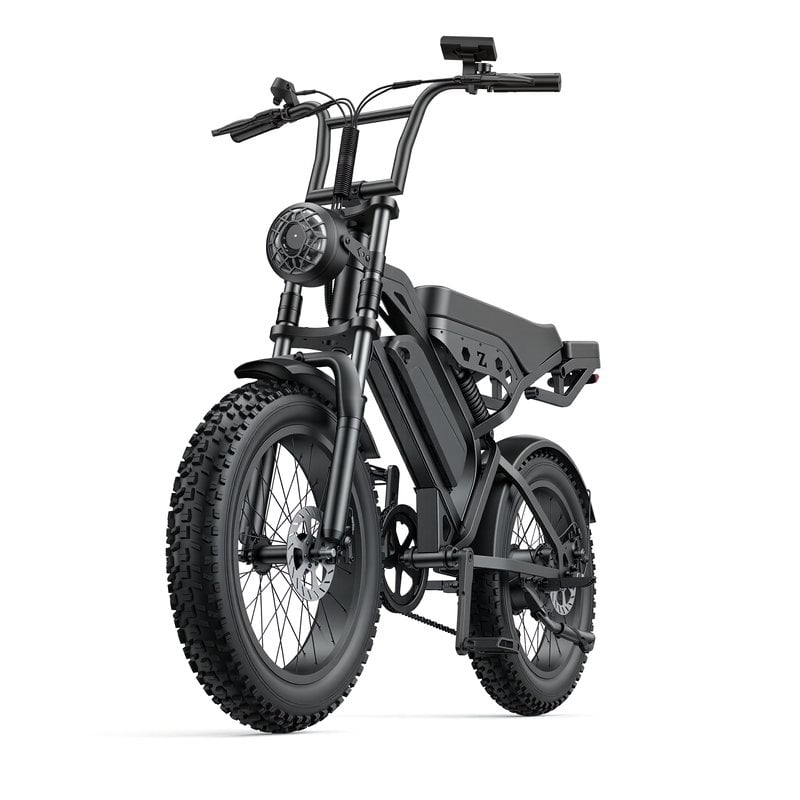
An electric wide tire bike typically features pneumatic tires ranging from 4.0 to 5.0 inches in width, compared to the 2.1 to 2.4 inch tires found on mountain e-bikes. This substantial difference in tire volume directly impacts traction, flotation, and ride characteristics across diverse terrain. An off road fat tire electric bike excels on soft surfaces like sand, snow, and mud, while a standard mountain e-bike prioritizes efficiency and agility on hardpacked trails and rocky terrain. Choosing between these platforms requires honest assessment of your primary riding environment and intended use cases.
An adult fat tire electric bike distributes rider weight across a larger contact patch, reducing ground pressure significantly. This characteristic makes an electric wide tire bike exceptional for snow riding, sand exploration, and boggy forest trails where standard tires would sink or lose grip. The increased flotation allows you to maintain speed and control on surfaces that would challenge narrower tires, making an off road fat tire electric bike ideal for winter cycling and beach exploration. Fat tyre electric cycle models also provide superior shock absorption through tire volume alone, reducing the need for aggressive suspension travel.
Standard mountain e-bike tires prioritize rolling efficiency and precise handling on compact terrain. Narrower profiles reduce rotational mass and rolling resistance on hardpacked trails, gravel roads, and technical rock gardens. Mountain e-bikes accelerate faster and climb more efficiently than comparable fat tire models, making them preferable for riders prioritizing speed and technical skill expression. The lighter weight and nimbler feel of mountain e-bikes suit aggressive trail work and sustained climbing better than an electric fat tire bike typically would.
An electric wide tire bike sits lower in its suspension geometry and offers increased side-to-side stability thanks to the expanded tire footprint. This stability advantage benefits heavier riders, those carrying gear, or riders new to e-biking who value confidence over agility. An adult fat tire electric bike handles crosswinds better and provides predictable behavior on sloped terrain. The forgiving nature of an off road fat tire electric bike makes it accessible for casual weekend exploration rather than technical trail navigation. Fat tyre electric cycle designs prioritize comfort and planted feel over responsive handling.
Standard mountain e-bikes offer quicker directional response and lighter weight for obstacle navigation. The narrower tire profile and more aggressive geometry allow precise line selection on technical sections. Mountain e-bikes reward rider input and technique, making them suitable for experienced cyclists tackling challenging trail systems. These machines feel more connected to the trail surface, providing better feedback for braking modulation and cornering confidence on compact terrain.
An electric fat tire bike typically requires more powerful motors and larger battery packs to overcome the rotational mass and rolling resistance inherent to wider tires. Most adult fat tire electric bike models feature 500 to 1000 watt motors compared to the 250 to 750 watt range common on mountain e-bikes. The extra power in an electric wide tire bike ensures adequate climbing capability and maintains speed through soft terrain. An off road fat tire electric bike demands 48-volt or higher battery systems to deliver consistent performance across multiple riding sessions. This increased power requirement reflects the additional energy needed to accelerate and sustain an electric fat tire bike through challenging conditions.
Standard mountain e-bikes achieve impressive range and performance with moderate motor and battery specifications. Their lighter weight and lower rolling resistance extend battery life significantly compared to fat tire models. Mountain e-bike motors prioritize responsiveness and natural pedaling feel over raw power delivery. A fat tyre electric cycle requires different energy management compared to mountain platforms, making motor selection crucial for each platform type. Riders choosing between models should consider their typical ride duration and terrain difficulty when evaluating motor specifications.
An electric fat tire bike excels in environments where standard tires struggle and flotation becomes essential. Beach riding, desert exploration, snow adventures, and flooded trail sections showcase why an adult fat tire electric bike deserves consideration for adventurous riders. Those living in northern climates benefit enormously from an electric wide tire bike during winter months. An off road fat tire electric bike also suits riders seeking casual neighborhood exploration or transportation duties combined with weekend trail work. Fat tyre electric cycle models work particularly well for larger-framed riders or those carrying substantial loads regularly.
Standard mountain e-bikes thrive on established trail networks with hardpacked surfaces and technical features. Riders pursuing fitness benefits, technical skill development, or trail community participation find mountain e-bike platforms more rewarding. Those covering varied terrain including pavement, gravel, and moderate singletrack benefit from the versatility and efficiency of standard mountain e-bikes. Mountain platforms suit riders prioritizing speed, agility, and response over maximum comfort and flotation. Performance-oriented cyclists tackling challenging trail systems consistently choose mountain e-bike geometry over fat tire alternatives.
Yes, an electric fat tire bike works well for commuting, particularly if your route includes unpaved sections, challenging weather, or soft surfaces. The stability and confidence provided by an adult fat tire electric bike appeal to casual commuters. However, the additional weight and rolling resistance of an electric wide tire bike make it less efficient for longer paved commutes compared to mountain e-bike alternatives. For urban commuting on standard roads, a standard mountain e-bike typically provides better efficiency and agility.
An electric fat tire bike can navigate technical terrain, but the wider tires and heavier weight make precise line selection more challenging than on a fat tyre electric cycle with mountain geometry. The increased tire volume reduces sensitivity to subtle terrain feedback. However, the excellent traction and confident platform of an electric wide tire bike excel in loose, rocky, or rutted technical sections where flotation matters more than nimble responsiveness. Rider skill and motor power become increasingly important for technical work on fat tire platforms.
An electric fat tire bike typically achieves 40 to 60 miles of range per charge, while standard mountain e-bikes often reach 60 to 90 miles under similar conditions. The heavier weight and increased rolling resistance of an adult fat tire electric bike consume battery energy faster than comparable mountain platforms. Soft terrain riding drains batteries quicker for both types than hardpacked trail work. When selecting between an off road fat tire electric bike and standard mountain e-bike, carefully assess your typical route distances and consider whether carrying a spare battery aligns with your riding habits and goals.
2026/08/03
Fix time zones, language gaps, and unclear protocols—boost speed, cut costs, and scale confidently.
2026/08/03
Avoid liability & import bans: Learn IEC 62619, UN 38.3, and UL 2271—plus how to verify real compliance (not fakes).
2026/08/03
Learn precise air pressure, rebound & compression tuning for optimal suspension performance. Get pro-level setup tips now.
2026/08/03
Discover how voltage drop saps performance—and proven fixes to restore responsiveness, range, and battery life. Read now.
2026/08/03
Discover data-backed protocols, smart infrastructure & operational fixes. Optimize now.
2026/08/03
How payload cuts 48V cargo ebike range by 15–50%+ — backed by real-world degradation curves, motor load science & fleet optimization strategies.
Comprehensive warranty, fast parts shipping, remote diagnostics and local dealer training


