 EN
EN
STEP 1
Full vehicle warranty for 2 years
2026/08/12
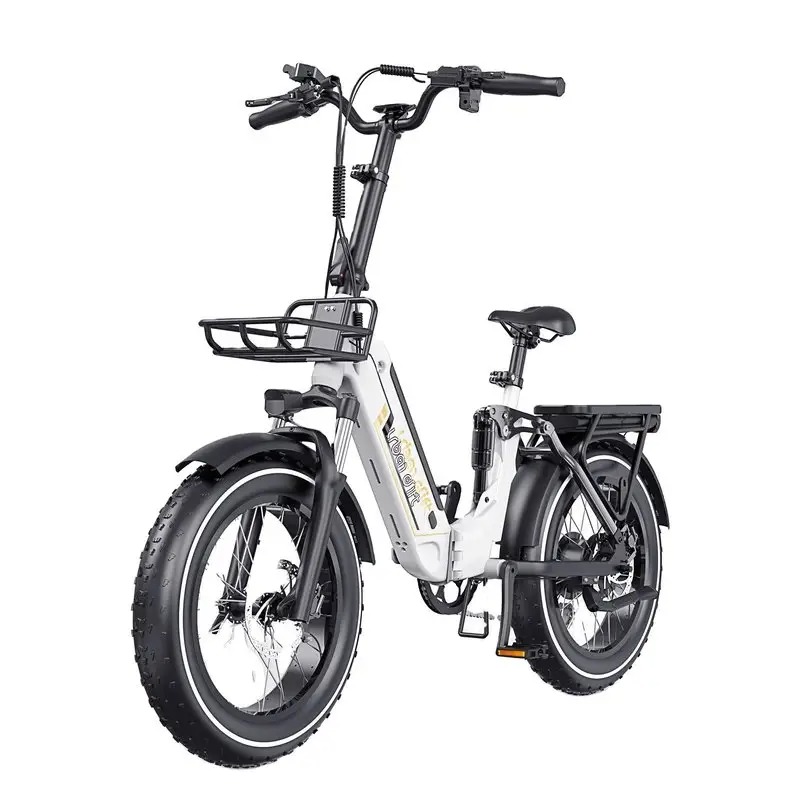
Climbing steep terrain on a mountain bike has always demanded significant physical effort and endurance. The choice between an electric mountain bike and a traditional MTB fundamentally changes how riders experience uphill riding. An electric mountain bike uses motor assistance to reduce the strain of climbing, while traditional MTB riders rely entirely on leg power. Understanding the efficiency differences between these two approaches helps riders make informed decisions about which system matches their riding style, fitness level, and terrain demands.
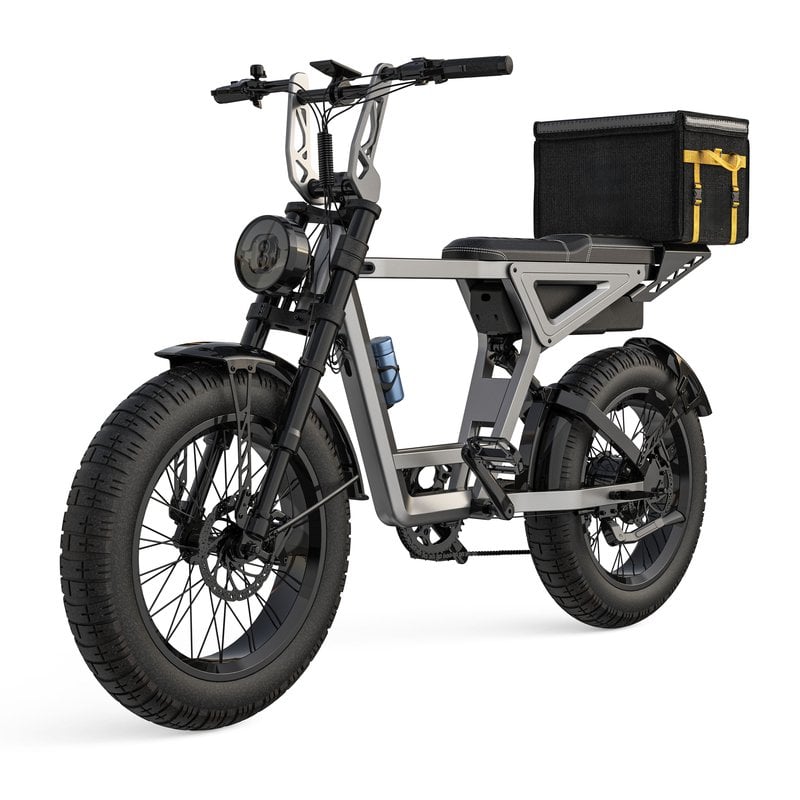
The debate between electric enduro mountain bike systems and conventional climbing techniques extends beyond personal preference to measurable performance metrics. An adult electric mountain bike can assist riders up inclines that would normally force lengthy hikes or require exceptional fitness levels. Meanwhile, traditional MTB enthusiasts argue that climbing builds strength and offers a purer mountain biking experience. This comparison examines the practical efficiency gains, physical demands, and suitability of each approach for different riding scenarios.
An electric enduro mountain bike integrates a mid-drive or hub motor that provides real-time power assistance proportional to rider input. When tackling steep grades, the motor engages based on pedal pressure, amplifying the rider's effort by 50 to 300 percent depending on system power rating and settings.
Traditional MTB climbers generate all propulsive force through leg power alone, which means efficiency depends entirely on cardiovascular fitness and muscle endurance. The rider must maintain consistent pedal pressure and cadence while managing body position, tire traction, and line selection simultaneously. A hybrid electric mountain bike option allows riders to toggle assistance levels, giving them flexibility to climb challenging sections with motor help while maintaining fitness on easier terrain. This hybrid approach has gained traction among adult electric mountain bike users who want both performance and endurance training benefits.
E mtb cycle users typically expend 30 to 50 percent less physical energy climbing the same elevation compared to traditional MTB riders, particularly on steep grades exceeding 10 percent. The motor handles a significant portion of the work, allowing riders to maintain steady heart rates even on punishing terrain. Over a full ride day, this efficiency translates to less muscular fatigue, reduced central nervous system fatigue, and the ability to climb more total vertical without exhaustion. Traditional MTB climbers must carefully meter their effort, often resting between steep sections to recover, limiting total climbing volume per session.
The fatigue comparison becomes even more pronounced when comparing an adult electric mountain bike to traditional options on multi-pitch climbs or alpine terrain. Riders using electric mountain bike systems report feeling fresher for technical descents because they conserved energy during climbs.
An electric enduro mountain bike rider can typically gain elevation 25 to 40 percent faster than a comparable traditional MTB rider on technical terrain. This speed advantage stems from sustained motor assistance that maintains climbing momentum even when rider leg power would normally force a slower pace. On a standard four-hour ride, an electric mountain bike user might complete 2,500 vertical feet while a traditional MTB rider covers 1,800 vertical feet under equal effort. For riders with limited session time or those tackling particularly demanding alpine terrain, this efficiency translates to accessing more terrain and covering greater distances in the same calendar time.
E mtb cycle systems achieve this speed advantage while keeping rider exertion moderate, creating a unique balance where climbing speed increases without proportional fatigue increases. A hybrid electric mountain bike that allows mixed assistance levels lets riders toggle between efficiency and challenge, speeding through monotonous climbs while climbing nearby technical terrain unassisted.
Electric mountain bike performance on technical climbing sections demonstrates where efficiency advantages become most pronounced. Loose rock, steep pitches, and exposed terrain normally demand precise power modulation and timing from traditional MTB riders. Motor assistance from an electric enduro mountain bike maintains traction through power consistency, letting riders focus on line selection and body positioning rather than power delivery. This assistance proves particularly valuable for heavier riders or those with lower leg power, who traditionally struggle more on technical climbs.
Traditional MTB climbing on technical terrain rewards skill and fitness but punishes errors more severely. Loss of traction, momentum, or foot timing can force riders to dismount and walk, effectively ending their climb attempt. An e mtb cycle provides a safety margin through motor power, allowing riders to recover from minor mistakes and maintain forward progress. However, traditional climbers argue this assistance reduces the skill-building that comes from precision climbing, and some riders intentionally ride unassisted sections to maintain technical proficiency.
Traditional MTB climbing builds leg strength, cardiovascular capacity, and muscular endurance through consistent full-body effort. Riders develop greater power output and climbing efficiency over seasons of unassisted riding, creating a fitness spiral where improved strength enables more challenging terrain. An adult electric mountain bike removes this training stimulus, which concerns riders dedicated to fitness optimization. However, riders using electric mountain bike systems report that they can sustain longer multi-hour rides and climb more total vertical, potentially building aerobic base fitness through volume rather than intensity.
The comparison between electric enduro mountain bike and traditional climbing reveals a shift in fitness focus rather than elimination of it. E mtb cycle riders might skip traditional strength-building but can dedicate more time to technical skill development, line selection, and complex trail navigation. A hybrid electric mountain bike approach lets riders develop both fitness and skill by mixing assisted and unassisted sections intentionally. For aging riders or those with physical limitations, an adult electric mountain bike preserves climbing ability that traditional MTB would eventually restrict.
Traditional MTB riders often face a long-term challenge as aging or injury accumulates impact stress and joint wear from climbing. An electric mountain bike system dramatically extends the career length of riders who wish to maintain high-volume riding habits. Motor assistance reduces repetitive stress on knees, hips, and ankles while still providing aerobic activity and technical challenge. This sustainability advantage has made electric enduro mountain bike adoption particularly popular among riders in their 40s, 50s, and beyond who remain passionate about mountain biking.
The efficiency of an e mtb cycle extends beyond individual sessions to long-term participation in the sport. Riders can maintain consistent weekly riding volume, access challenging terrain, and participate in group rides without constant injury management. A hybrid electric mountain bike option preserves the option to ride unassisted on specific sections or days, maintaining choice and engagement. Adult electric mountain bike users report higher satisfaction and longer average tenure in mountain biking compared to traditional riders who face increasing recovery demands with age.
Motor performance remains generally consistent at altitude, though battery range and efficiency may decrease slightly due to thinner air affecting aerodynamic drag less noticeably than climbing power demand. An electric enduro mountain bike maintains its climbing advantage throughout most reasonable altitudes, though riders should account for battery capacity reduction. At very high elevations above 10,000 feet, motor performance decreases gradually, but traditional MTB climbing performance also declines due to reduced oxygen availability. Most adult electric mountain bike systems continue providing meaningful assistance even at alpine altitudes.
On extreme grades, an electric mountain bike becomes even more valuable because motor assistance compensates for the exponential difficulty increase that affects traditional MTB riders disproportionately. A hybrid electric mountain bike with high torque output can climb sections that would force most unassisted riders to dismount and walk. Traditional climbing at 20+ percent grades requires exceptional strength and technique, limiting access to elite riders. An electric enduro mountain bike democratizes access to extreme terrain while reducing the physical toll associated with climbing such steep pitches.
Extensive training improves traditional climbing efficiency by 15 to 25 percent maximum through fitness gains, technique refinement, and weight optimization. Even highly trained traditional MTB riders rarely match the absolute climbing speed and sustained power output of an adult electric mountain bike on comparable terrain. However, motivated riders can narrow the gap through dedicated training while building superior strength and endurance. The choice between electric mountain bike efficiency and traditional climbing ultimately depends on personal fitness goals, available training time, and long-term sustainability preferences rather than pure climbing performance potential.
2026/08/03
Fix time zones, language gaps, and unclear protocols—boost speed, cut costs, and scale confidently.
2026/08/03
Avoid liability & import bans: Learn IEC 62619, UN 38.3, and UL 2271—plus how to verify real compliance (not fakes).
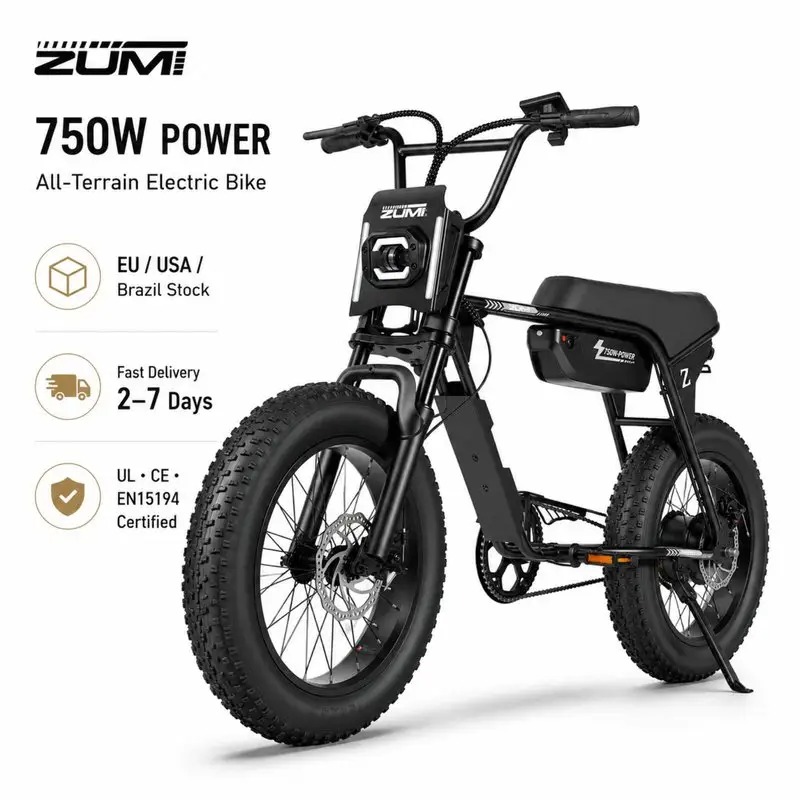
2026/08/03
Learn precise air pressure, rebound & compression tuning for optimal suspension performance. Get pro-level setup tips now.
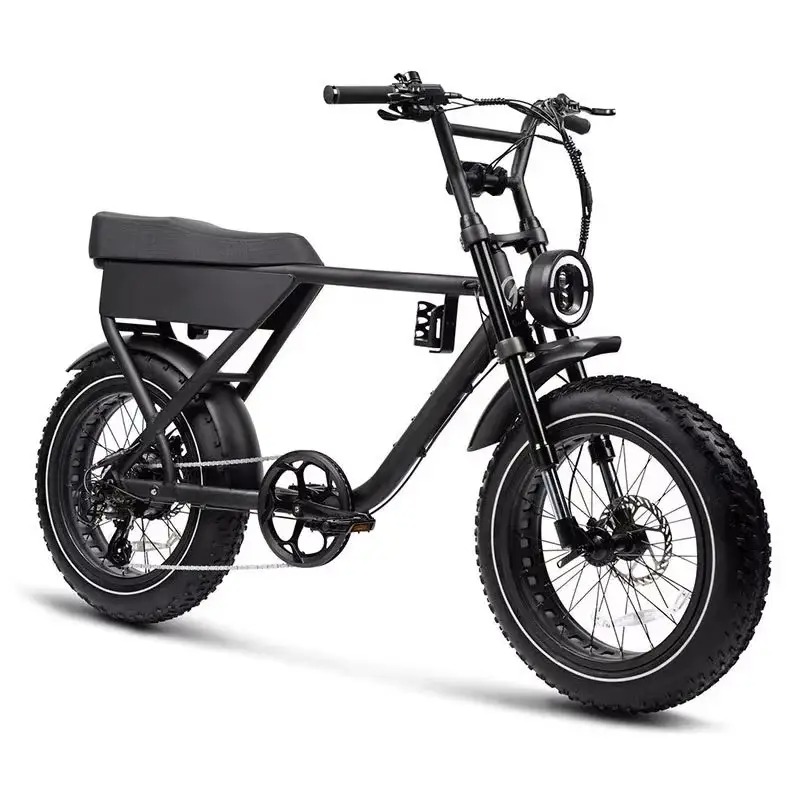
2026/08/03
Discover how voltage drop saps performance—and proven fixes to restore responsiveness, range, and battery life. Read now.
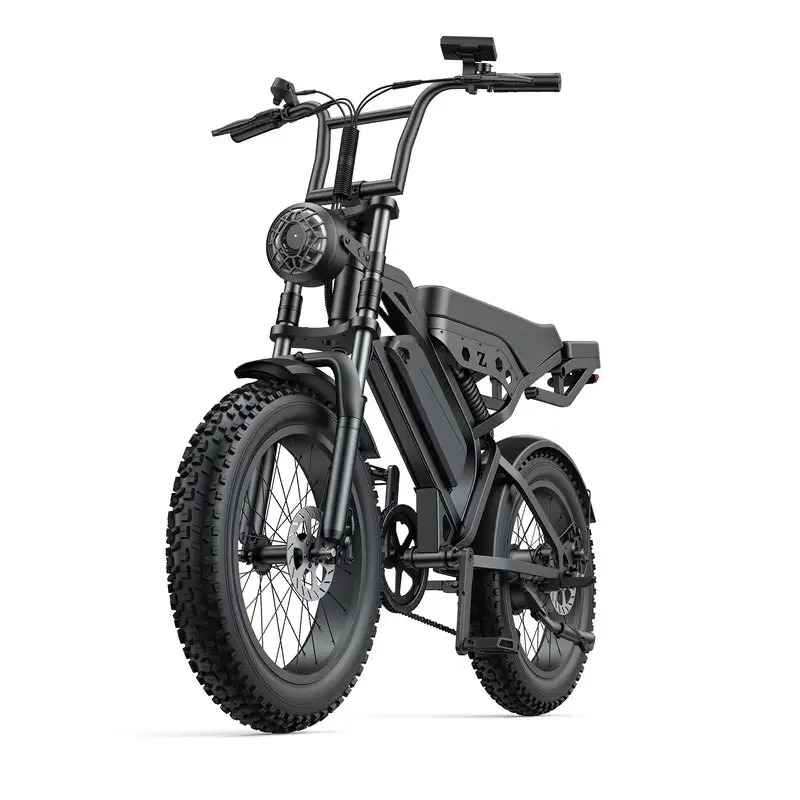
2026/08/03
Discover data-backed protocols, smart infrastructure & operational fixes. Optimize now.
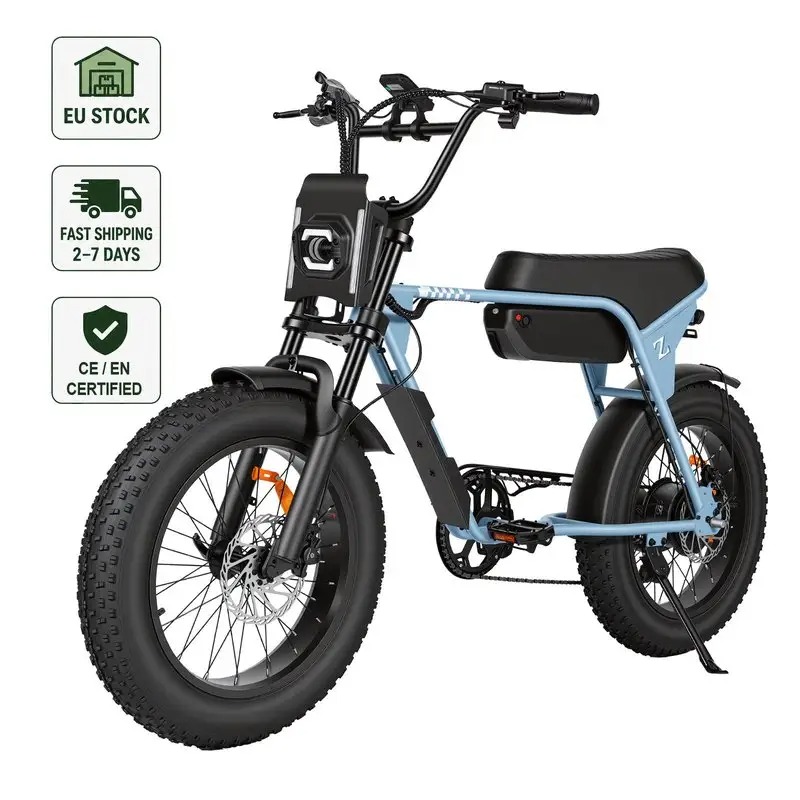
2026/08/03
How payload cuts 48V cargo ebike range by 15–50%+ — backed by real-world degradation curves, motor load science & fleet optimization strategies.
Comprehensive warranty, fast parts shipping, remote diagnostics and local dealer training


