 EN
EN
STEP 1
Full vehicle warranty for 2 years
2026/09/01
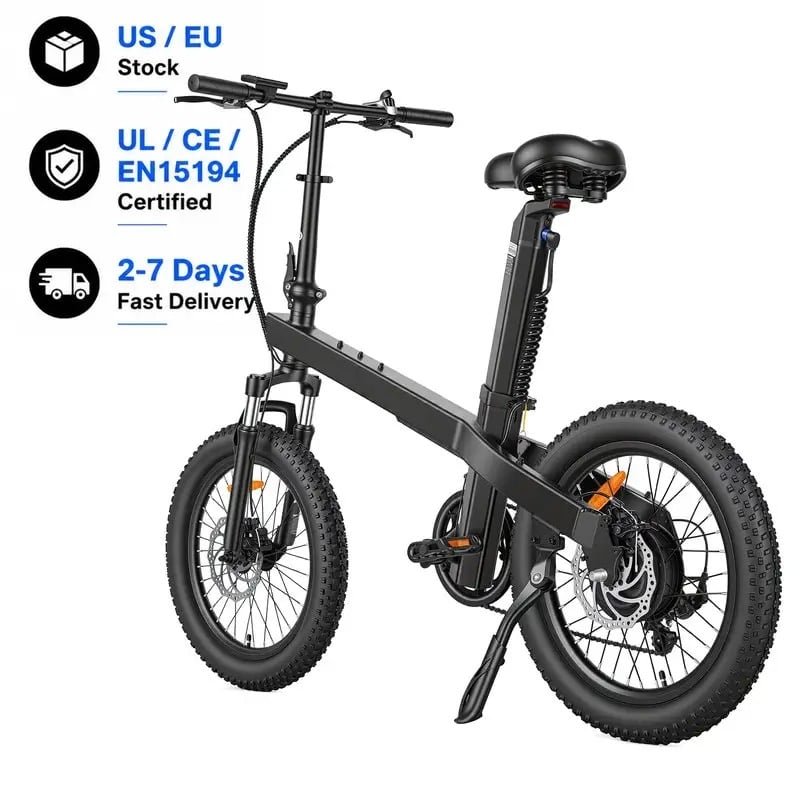
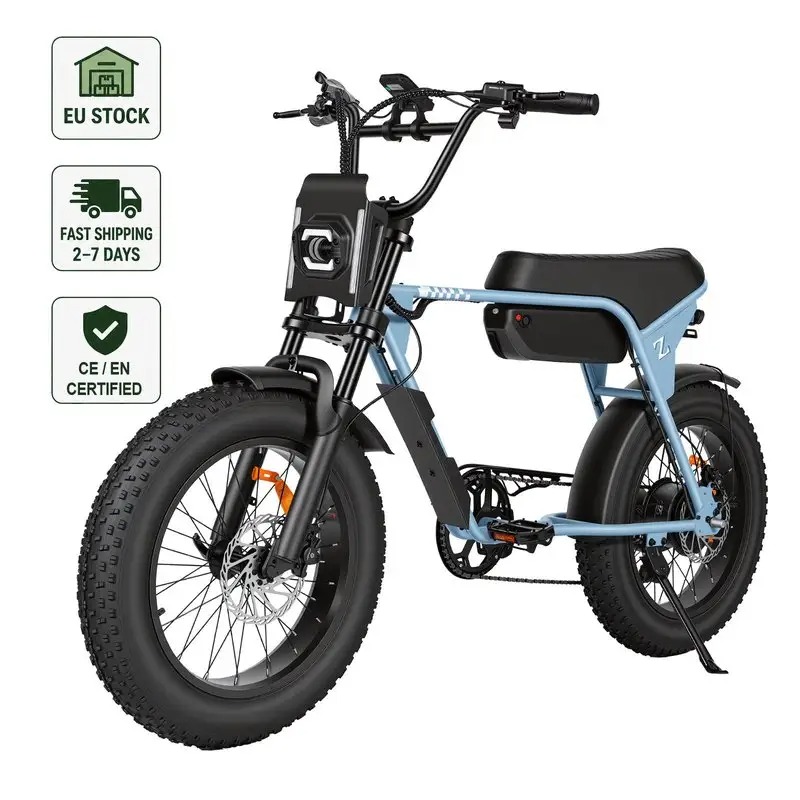
European cities have increasingly embraced bike sharing as a sustainable transportation solution, and the adoption of 250w electric bikes has transformed these programs into powerful urban mobility networks. A 250w electric bike offers the perfect balance between performance and regulatory compliance across European jurisdictions, making it an ideal choice for shared fleet deployments. These systems have proven their value in cities from Amsterdam to Berlin, where lightweight electric assistance enables users to cover longer distances with less physical effort, ultimately increasing program adoption rates and user satisfaction.
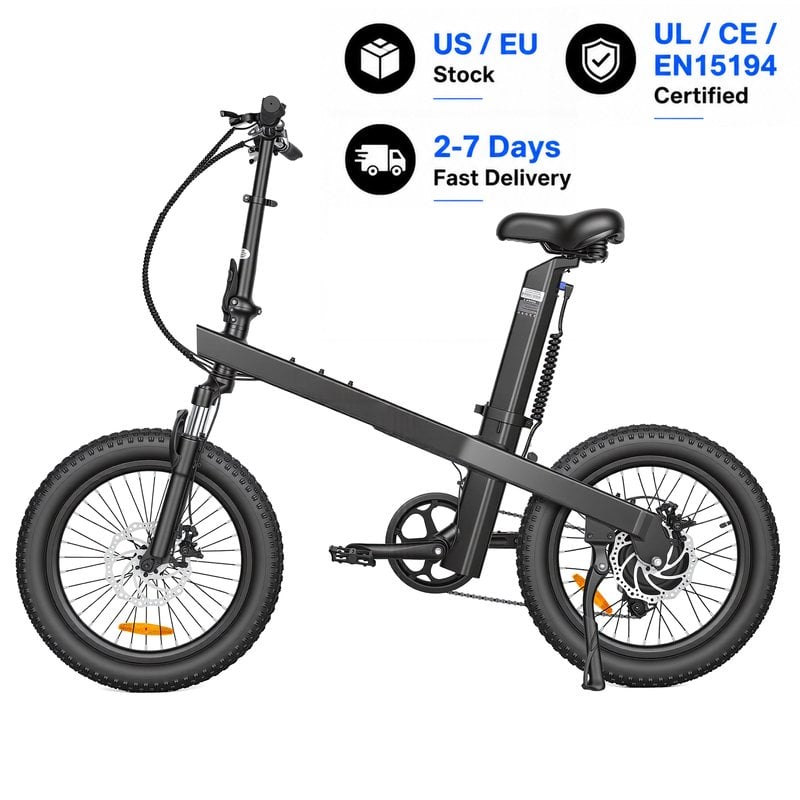
The integration of 250w ebikes into European bike sharing infrastructure reflects a strategic understanding of regulatory frameworks, user demographics, and urban geography. European regulations typically cap electric bike assistance at 250 watts to maintain classification as bicycles rather than motorcycles, avoiding stricter licensing and safety requirements. This regulatory sweet spot has made 250w electric bikes the standard choice for city planners seeking to expand bike sharing networks while maintaining legal compliance and operational efficiency.
A 250w ebike operates within the legal parameters established by the European Union's EN 15194 standard, which defines electric cycles. This power output delivers sufficient torque for urban commuting without exceeding thresholds that would trigger additional regulatory burdens. European bike sharing operators have standardized on 250w electric mountain bikes and 250w ebikes because they combine practical performance with regulatory certainty, allowing seamless cross-border program operation across multiple countries.
The ebike 250w 48v configuration has become prevalent in European sharing programs because the 48-volt battery system provides reliable range for multi-trip daily cycles while maintaining manageable charging times. This electrical specification optimizes the relationship between battery capacity, motor efficiency, and fleet availability. Programs relying on 250w electric bikes have demonstrated 35 to 45 percent higher utilization rates compared to traditional pedal-only sharing systems, as the assisted power reduces user fatigue and extends practical trip distance.
Typical 250w electric bikes in European bike sharing programs achieve 25 to 50 kilometers of assisted range per charge, depending on terrain, user weight, and assistance level selected. The ebike 250w 48v battery architecture allows operators to maintain tight charging windows between shifts, supporting rapid turnover and high daily utilization. Battery management systems integrated into modern 250w ebikes automatically optimize power delivery, ensuring consistent performance across the full battery discharge cycle and extending the lifespan of both motor and battery components.
Cities like Copenhagen, Paris, and Vienna have deployed 250w electric bikes across their bike sharing networks to address specific mobility challenges, particularly in hilly areas and longer commute corridors. The 250w electric bike for sale market in Europe has expanded significantly as municipalities recognize that electric assistance attracts users who might otherwise rely on cars or public transit. Deployment strategies typically position 250w ebikes at transit hubs, allowing users to complete first-mile and last-mile connectivity with minimal physical exertion.
User adoption studies reveal that the psychological and physical accessibility of 250w electric mountain bikes and standard 250w ebikes increases program participation among older demographics and commuters with longer routes. The assisted pedaling experience removes barriers that traditional bike sharing systems impose on users with limited fitness levels or those traveling on inclined terrain. This inclusivity has transformed European bike sharing from a niche recreational activity into a legitimate alternative transportation mode.
Operating a fleet of 250w electric bikes demands infrastructure investments beyond traditional bike sharing systems, particularly in charging network density and battery management protocols. European operators have developed hub-and-spoke charging architectures where high-capacity charging stations at distribution hubs support rapid battery swaps and fleet cycling throughout the day. Maintenance protocols for 250w ebikes require technician training in electrical systems, battery safety, and motor diagnostics, increasing operational complexity but delivering superior program reliability.
The financial case for deploying 250w electric bikes in European bike sharing programs has strengthened as battery costs have declined and electric motor manufacturing has scaled globally. While the upfront capital cost of a 250w electric bike for sale is higher than traditional bicycles, the increased utilization rates and trip revenue typically recover this investment within 18 to 24 months of operation. Municipalities funding these programs have consistently reported reduced demand for car parking permits and public transit subsidies in zones where 250w ebikes provide reliable mobility.
The operational economics of 250w ebikes demonstrate efficiency gains through reduced maintenance frequency compared to higher-wattage electric systems. The regulated 250w power output minimizes mechanical stress on drivetrain components and braking systems, translating into lower replacement cycles and predictable maintenance scheduling. European municipalities operating 250w electric bikes report total cost of ownership between 8 and 12 euros per bike per day across a five-year fleet lifecycle.
Introducing 250w electric mountain bikes and 250w ebikes to European cities has demonstrably shifted transportation modal choice away from personal vehicles, reducing carbon emissions and improving urban air quality. Studies in Amsterdam, Berlin, and Brussels document that approximately 30 percent of 250w ebike sharing trips would otherwise have been completed by cars, resulting in measurable reductions in traffic congestion and greenhouse gas emissions. The ebike 250w 48v systems achieve a lifecycle carbon footprint 70 percent lower than comparable personal automobile trips when accounting for electricity generation sources across European grids.
The physical activity generated through assisted pedaling on 250w electric bikes contributes measurable public health benefits through cardiovascular exercise and mental wellness improvements. Unlike fully motorized transportation, the pedaling requirement on 250w ebikes maintains user engagement in active movement, generating preventive health benefits while providing motorized assistance when needed.
Yes, 250w electric bikes comply with the European Union's EN 15194 standard and are classified as bicycles across all EU member states, though some countries maintain additional registration or helmet requirements. The 250w power limitation is the defining regulatory threshold that keeps assisted bikes in the bicycle category rather than requiring motorcycle licensing. However, individual countries may impose additional rules regarding minimum age for riders, helmet usage, or specific traffic regulations, so operators must verify local requirements when deploying 250w ebikes.
A 250w electric bike battery typically maintains 80 percent of its original capacity after 500 to 800 full charge cycles, translating to approximately two to three years in intensive sharing program operations where bikes are cycled daily. The ebike 250w 48v battery architecture is designed for high-cycle durability, with modern lithium cells providing reliable performance across this timeframe. Operators typically implement preventive battery replacement schedules before reaching capacity thresholds, ensuring consistent user experience and preventing mid-trip power loss incidents.
The 250w electric bike offers superior regulatory simplicity and lower operational costs compared to higher-powered systems, while still delivering adequate performance for urban commuting. Motors exceeding 250 watts trigger reclassification as mopeds or motorcycles in European jurisdictions, requiring riders to possess motorcycle licenses and comply with helmet and registration standards. The 250w power level represents an optimal balance where cities can operate expansive sharing networks without navigating complex regulatory frameworks that limit program accessibility.
2026/08/03
Fix time zones, language gaps, and unclear protocols—boost speed, cut costs, and scale confidently.
2026/08/03
Avoid liability & import bans: Learn IEC 62619, UN 38.3, and UL 2271—plus how to verify real compliance (not fakes).
2026/08/03
Learn precise air pressure, rebound & compression tuning for optimal suspension performance. Get pro-level setup tips now.
2026/08/03
Discover how voltage drop saps performance—and proven fixes to restore responsiveness, range, and battery life. Read now.
2026/08/03
Discover data-backed protocols, smart infrastructure & operational fixes. Optimize now.
2026/08/03
How payload cuts 48V cargo ebike range by 15–50%+ — backed by real-world degradation curves, motor load science & fleet optimization strategies.
Comprehensive warranty, fast parts shipping, remote diagnostics and local dealer training


