 EN
EN
STEP 1
Full vehicle warranty for 2 years
2026/08/06
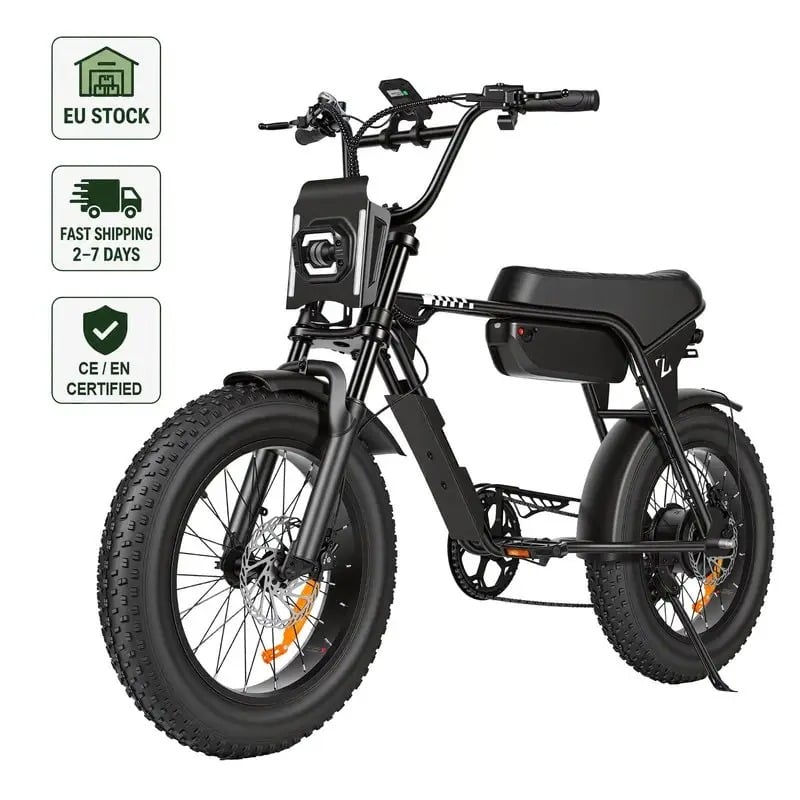
An ev bike company faces unique operational challenges when expanding production to meet growing market demand. Unlike traditional bicycle manufacturers, an ebike manufacturer must manage battery supply chains, motor integration, electrical testing, and quality assurance across increasingly complex assembly workflows. Understanding production scaling capabilities is essential for stakeholders seeking to evaluate how an ebike factory can transition from small-batch operations to high-volume output without compromising safety, performance, or market reputation.
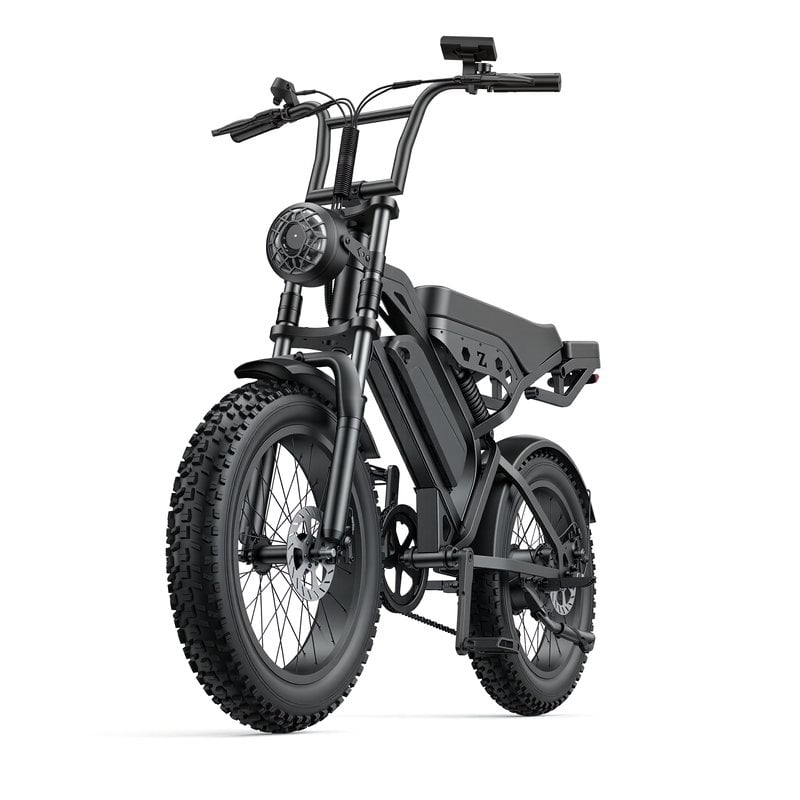
Production scaling for an electric bike wholesale operation involves deliberate investment in infrastructure, workforce training, and supplier relationships. A modern ebike factory must coordinate multiple production lines, manage battery logistics, implement rigorous testing protocols, and maintain compliance with international safety standards. This article explores how an ev bike company structures its scaling strategy, the technical and operational requirements for expanding capacity, and the practical steps that enable sustainable growth in the competitive electric bike industry.
An ebike manufacturer must first evaluate market demand trends, customer order volumes, and projected growth rates before committing to facility expansion. An ebike factory conducts demand forecasting by analyzing sales pipelines, wholesale inquiries, and seasonal fluctuations in the electric bike market. This analysis informs capital investment decisions, facility layout optimization, and procurement strategies that align production capability with realistic market opportunity rather than speculative expansion.
An ev bike company typically works backward from revenue targets to calculate required units per month, then determines staffing levels, equipment needs, and physical space requirements. A strategic electric bike wholesale partnership may trigger significant capacity increases when bulk orders confirm sustained demand. By building this structured analysis, an ebike manufacturer avoids the costly mistake of over-investing in capacity that cannot be fully utilized or under-investing and losing market share to faster-scaling competitors.
Scaling an ebike factory requires thoughtful decisions about assembly line configuration, automation levels, and equipment investments. A modern electric bike wholesale operation typically implements semi-automated assembly stations that combine efficiency gains with workforce flexibility. An ebike manufacturer evaluates specialized equipment for motor assembly, battery pack integration, wheel building, and electrical testing to ensure consistent quality while reducing labor-intensive manual processes.
An ev bike company must also plan for material storage, work-in-progress staging areas, finished goods warehousing, and quality control testing facilities. The physical layout of an ebike factory directly impacts workflow efficiency, inventory management, and worker safety. Strategic facility planning in the early stages of an electric bike wholesale expansion prevents costly redesigns and operational bottlenecks that emerge when production volume increases beyond the original infrastructure capacity.
An ebike manufacturer depends on reliable supply chains for critical components, particularly battery packs and electric motors that represent significant cost and quality risk. An ebike factory must establish long-term agreements with qualified battery suppliers, motor manufacturers, and controllers to secure stable pricing and guaranteed delivery schedules. An ev bike company typically qualifies multiple suppliers for each critical component to mitigate supply disruption and maintain competitive procurement terms as production volume increases.
Battery supply chain complexity grows substantially as an electric bike wholesale operation scales volume. An ebike manufacturer must manage battery specifications, certifications, testing protocols, and logistics across international borders. An ev bike company invests in supplier audits, quality agreements, and supply forecasting systems to prevent shortages or excess inventory accumulation that could disrupt production schedules or drain working capital during seasonal demand fluctuations.
Beyond proprietary components, an ebike factory sources frames, wheels, brakes, and hardware from specialized manufacturers in multiple regions. An ev bike company negotiates volume discounts with established frame builders and component suppliers while maintaining quality standards across diverse sourcing partnerships. An electric bike wholesale operation consolidates purchasing through central procurement teams that manage specifications, lead times, and supplier performance metrics consistently across the entire supply base.
An ebike manufacturer must also implement inventory management systems that balance just-in-time delivery principles with supply chain resilience. Production scaling requires accurate demand forecasting communicated to suppliers well in advance so that an ebike factory receives components aligned with assembly schedules. An ev bike company typically maintains safety stock for long-lead components while minimizing holding costs for items with quick delivery windows and predictable consumption patterns.
Production scaling amplifies the importance of rigorous quality assurance within an ebike factory. An ebike manufacturer must implement comprehensive testing for electrical systems, motor function, battery safety, brake performance, frame integrity, and assembly quality before units ship to distributors or end customers. An electric bike wholesale business cannot sacrifice safety standards to meet volume targets, as product failures damage market reputation and expose the ev bike company to liability and regulatory penalties.
An ev bike company maintains testing facilities equipped with dynamometers, electrical safety analyzers, and performance validation equipment that verify every unit meets specifications. An ebike factory trains quality inspectors to recognize defects early in production, reducing scrap rates and preventing defective units from reaching customers.
An ebike manufacturer navigating multiple geographic markets must comply with varying safety standards, electrical regulations, and product certifications. An ev bike company maintains documentation systems demonstrating compliance with standards such as EN 15194, UL 2849, and regional equivalents that govern electric bike performance and safety.
Production scaling requires an electric bike wholesale operation to invest in regulatory expertise and certification management infrastructure early in the growth process. An ebike manufacturer must update design documentation, testing procedures, and quality protocols whenever production methods change or new product variants are introduced. An ev bike company typically partners with third-party testing laboratories and regulatory consultants to validate compliance and maintain certifications across international markets where the company sells products or supports distributors.
Scaling production volume requires an ebike factory to rapidly expand its workforce while maintaining consistent skill levels and safety practices. An ev bike company implements structured training programs that teach assembly techniques, safety protocols, quality standards, and troubleshooting skills to new production staff. An ebike manufacturer typically pairs new workers with experienced technicians during onboarding, creates visual work instructions tailored to each assembly station, and conducts periodic competency assessments to ensure quality consistency.
An electric bike wholesale operation invests in workforce retention strategies that reduce turnover and preserve institutional knowledge within the ebike factory. An ev bike company offers career development paths, performance incentives, and work environment improvements that attract skilled workers and reduce training costs associated with high turnover. Production scaling success depends not only on facility investment but also on building a stable, motivated workforce that takes ownership of quality and continuously improves operational efficiency.
An ebike factory standardizes production processes to ensure consistent output quality and enable rapid scaling without proportional increases in complexity. An ev bike company documents standard operating procedures for each assembly task, creates visual control systems on the production floor, and establishes metrics that track cycle time, defect rates, and worker safety. An electric bike wholesale business implements regular process audits and employee feedback sessions that identify bottlenecks and improvement opportunities before they constrain production capacity.
Continuous improvement culture within an ebike manufacturer creates pathways for production staff to suggest enhancements that reduce waste, improve efficiency, and enhance safety. An ev bike company measures performance against targets for on-time delivery, first-pass quality, and cost efficiency while maintaining flexibility to adjust processes based on changing product designs or market demands.
An ebike factory capacity typically grows 30–50% annually during early expansion phases if infrastructure investments align with market demand. An electric bike wholesale operation scaling from initial production of 5,000 units monthly might reach 10,000–12,000 units within 18 months through facility expansion, equipment automation, and workforce growth.
An ev bike company maintains quality through standardized processes, comprehensive testing protocols, and workforce training that remain consistent regardless of production volume. An ebike factory implements statistical quality control systems that monitor defect rates across production runs, implements root cause analysis when quality issues emerge, and adjusts processes before defects reach customers.
An ebike manufacturer uses confirmed wholesale orders to validate demand forecasts and justify capital investments in production capacity expansion. An ev bike company scales production in alignment with wholesale partnership growth, securing long-term orders that provide revenue visibility and justify equipment and facility investments. An electric bike wholesale strategy enables an ebike factory to operate closer to full capacity utilization, reducing per-unit costs and improving profitability while minimizing inventory risk through committed customer demand.
2026/08/03
Fix time zones, language gaps, and unclear protocols—boost speed, cut costs, and scale confidently.
2026/08/03
Avoid liability & import bans: Learn IEC 62619, UN 38.3, and UL 2271—plus how to verify real compliance (not fakes).
2026/08/03
Learn precise air pressure, rebound & compression tuning for optimal suspension performance. Get pro-level setup tips now.
2026/08/03
Discover how voltage drop saps performance—and proven fixes to restore responsiveness, range, and battery life. Read now.
2026/08/03
Discover data-backed protocols, smart infrastructure & operational fixes. Optimize now.
2026/08/03
How payload cuts 48V cargo ebike range by 15–50%+ — backed by real-world degradation curves, motor load science & fleet optimization strategies.
Comprehensive warranty, fast parts shipping, remote diagnostics and local dealer training


