 EN
EN
STEP 1
Full vehicle warranty for 2 years
2026/08/03
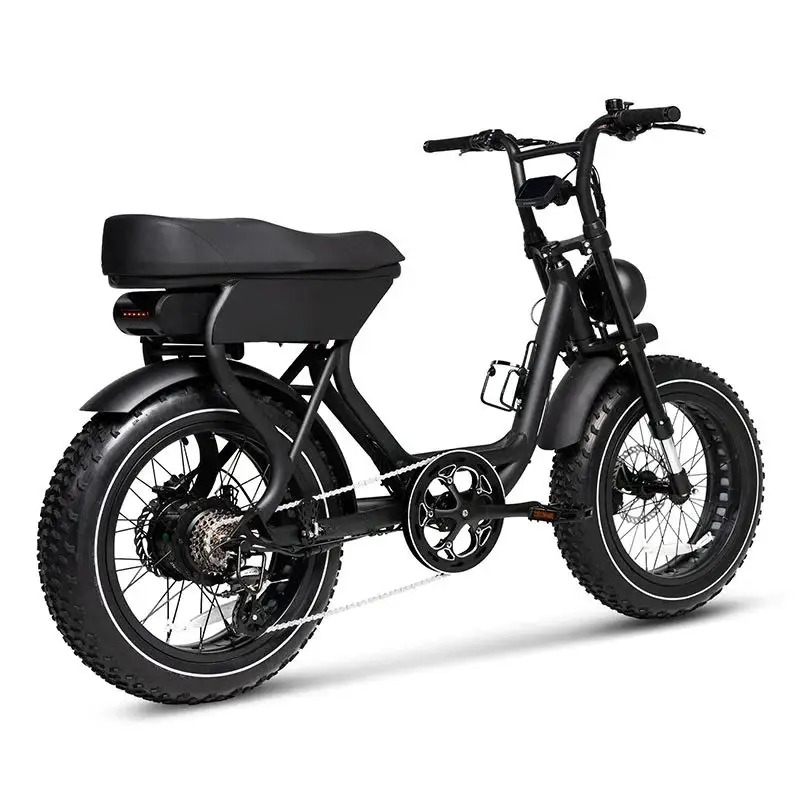
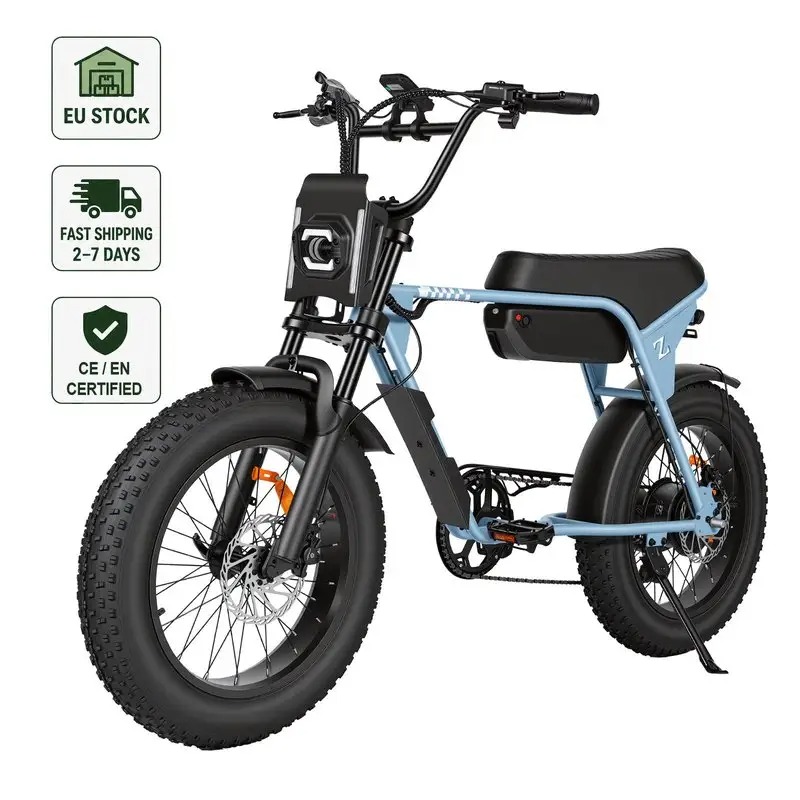
Cable routing represents one of the most overlooked yet critical design elements in building a high-performance custom fat tire ebike. While many riders focus on motor power, battery capacity, and tire grip, the internal and external cable management system directly influences frame durability, component longevity, and overall riding experience. A custom fat tire ebike with poorly routed cables faces accelerated wear, reduced responsiveness in hydraulic systems, and increased maintenance costs. Conversely, thoughtful cable routing in a custom ebike maximizes efficiency, protects sensitive wiring from environmental damage, and ensures that every component operates at peak performance throughout the riding season.
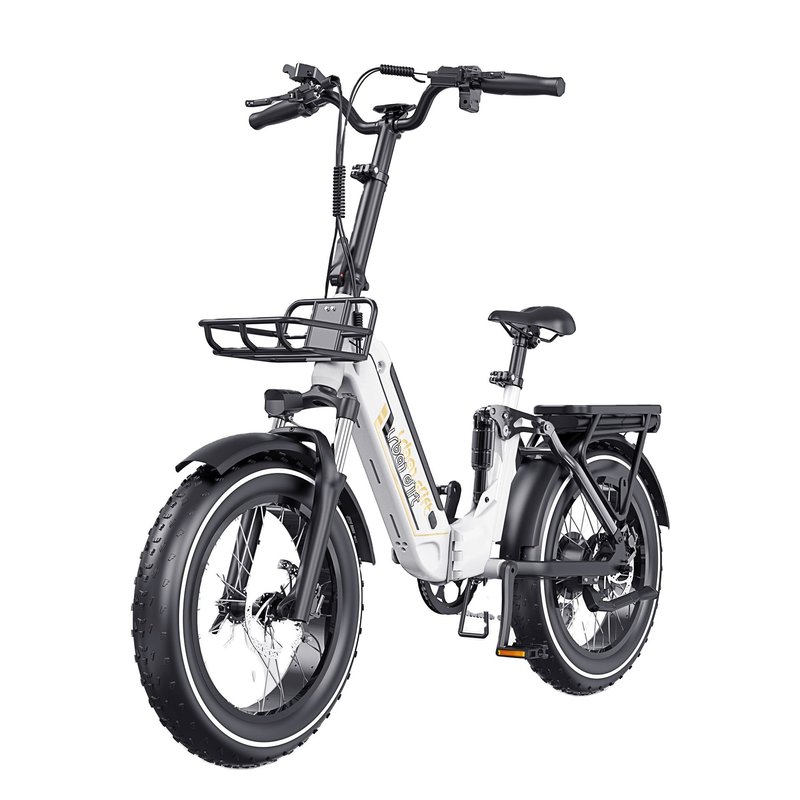
The challenge intensifies when designing a fat tire ebike because wider frames, heavier component loads, and extreme terrain conditions all demand more sophisticated cable management strategies. A fat tire ebike must withstand mud, sand, water crossings, and temperature fluctuations that would test any standard bicycle's cable integrity. Advanced cable routing techniques protect hydraulic brake lines, electrical connectors, and shift cables from these environmental stressors while maintaining clean aesthetics and easy access for maintenance. Understanding these routing principles transforms a custom ebike from a basic assembly into a refined machine built for durability and performance.
A fat tire ebike operates in environments that demand robust cable protection. The electric fat bike category includes machines designed for snow, sand, mud, and rocky terrain where cable exposure poses serious durability risks. Unlike traditional bicycles, an electric fat bike carries motor power cables, battery connectors, throttle wiring, and brake sensors alongside traditional brake and shift cables. Proper routing ensures these diverse cable systems do not interfere with one another while maintaining optimal clearance from rotating components like the wheel, frame, and crank. The custom fat tire ebike builder must consider frame geometry, motor placement, battery position, and suspension articulation when planning cable paths.
Modern custom ebike frames increasingly feature internal cable routing channels machined directly into the frame tubing. These dedicated pathways protect cables while reducing weight and visual clutter compared to external cable runs. A fat tire ebike benefits significantly from internal routing because the wider frame tubes accommodate larger diameter cables without compromising structural integrity. The custom ebike designer must specify cable entry and exit points that align with component locations, motor positioning, and battery integration. Seamless transitions between internal channels and external cable runs prevent kinking, water entrapment, and stress concentration that accelerates cable failure.
Electric fat bike motors demand specialized cable routing that accommodates high-current power delivery while minimizing electromagnetic interference with other sensors. Hub motors require clean, direct paths from the battery to the motor controller, while mid-drive motors need carefully planned routes that avoid chain contact and crank rotation interference. A custom fat tire ebike integrating a custom fat tire ebike motor system must route power cables with minimal bends to reduce voltage drop and heat generation. Thicker gauge cables require larger entry points and smooth curve radii to prevent insulation damage. Advanced routing uses spiral wrap or reinforced loom protection along vulnerable segments where cables cross frame edges or pass near moving components.
Battery placement dictates cable routing strategy for the entire electric fat bike. Integrated battery systems require sealed cable connectors and strain relief mechanisms that handle frequent charging cycles and temperature swings. A fat tire ebike often experiences extreme temperature variations when transitioning between heated indoor storage and freezing outdoor rides. Cable routing must guide these connections away from high-moisture areas and ensure waterproof connectors remain accessible for service. The custom ebike builder should incorporate strain relief loops and protective conduit where battery cables connect to the motor controller and main power distribution point.
Hydraulic brake systems on a fat tire ebike demand meticulous routing that maintains clean lines without kinking or pinching the brake hoses. Unlike traditional cable-actuated brakes, hydraulic lines require zero bending tolerance and must remain isolated from electrical wiring to prevent cross-contamination and signal interference. A custom ebike with hydraulic disc brakes should route hoses away from the drivetrain area where mud and debris accumulate most heavily. Protective cable housings and nylon spiral wrap extend hose life significantly in harsh terrain. The custom fat tire ebike design should incorporate dedicated hose guides that secure lines without restricting frame movement or suspension articulation on full-suspension models.
Shift cable routing on a fat tire ebike becomes complex when motor systems, throttle wires, and brake sensors crowd the frame. Clean routing paths separate shift cables from electrical systems to maintain predictable shifting response and avoid interference. A custom ebike builder typically routes shift cables along the chainstay or seatstay, securing them with frame guides positioned to maintain consistent tension without tangling with derailleur linkages. On electric fat bike models, the rear derailleur must maintain its own routing clearance separate from motor power cables and sensor wiring. This separation ensures reliable gear changes regardless of motor engagement state or electrical system status.
A fat tire ebike operates in wet, muddy, and sandy conditions that aggressively attack cable entry points and connector seals. Advanced cable routing incorporates weatherproof glands, sealed bushings, and hydrophobic cable glands at every frame penetration point. The custom fat tire ebike should use silicone-sealed entry points and drain holes that prevent water pooling inside cable channels. Corrosion-resistant cable ties and stainless steel guides extend component life in saltwater or highly humid environments. Heat-shrink tubing and rubberized conduit protect cable insulation from UV exposure and mechanical abrasion that occurs during routine maintenance and cleaning.
Superior cable routing on a custom ebike simplifies maintenance by positioning key components for easy access without complete frame disassembly. A well-designed fat tire ebike allows riders to adjust brake lever reach, replace cables, and service connectors using basic tools. Cable routing should include inspection ports that let builders verify wire condition without removing components. Quick-disconnect cable guides speed up service intervals and reduce frustration during repairs. The custom fat tire ebike design considers these maintenance workflows during initial planning, reducing total cost of ownership and extending component lifespan through preventive care.
Cable routing directly impacts fat tire ebike performance by minimizing friction losses in brake and shift systems, protecting electrical connectors from environmental degradation, and preventing cable entanglement with moving components. Optimized routing on a custom ebike ensures smooth power delivery from the motor and responsive braking regardless of riding conditions. Poor routing introduces cable drag, voltage drop, and potential system failures that reduce efficiency and safety.
Spiral wrap, rubberized conduit, and heat-shrink tubing provide excellent protection for cables on a custom fat tire ebike. Stainless steel cable guides and corrosion-resistant mounting hardware resist rust in harsh environments. The choice depends on specific cable function, frame material, and local climate conditions. A fat tire ebike operating in sandy or saltwater environments benefits from heavy-duty protection materials that withstand accelerated corrosion.
Internal routing offers superior protection and cleaner aesthetics on a custom fat tire ebike, while external routing simplifies maintenance and repairs. Many modern fat tire ebike designs combine both approaches, routing electrical cables internally and keeping hydraulic brake lines externally accessible. The optimal solution depends on frame design, motor type, and intended riding environment for your custom ebike application.
2026/08/03
Fix time zones, language gaps, and unclear protocols—boost speed, cut costs, and scale confidently.
2026/08/03
Avoid liability & import bans: Learn IEC 62619, UN 38.3, and UL 2271—plus how to verify real compliance (not fakes).
2026/08/03
Learn precise air pressure, rebound & compression tuning for optimal suspension performance. Get pro-level setup tips now.
2026/08/03
Discover how voltage drop saps performance—and proven fixes to restore responsiveness, range, and battery life. Read now.
2026/08/03
Discover data-backed protocols, smart infrastructure & operational fixes. Optimize now.
2026/08/03
How payload cuts 48V cargo ebike range by 15–50%+ — backed by real-world degradation curves, motor load science & fleet optimization strategies.
Comprehensive warranty, fast parts shipping, remote diagnostics and local dealer training


