 EN
EN
STEP 1
Full vehicle warranty for 2 years
2026/09/02
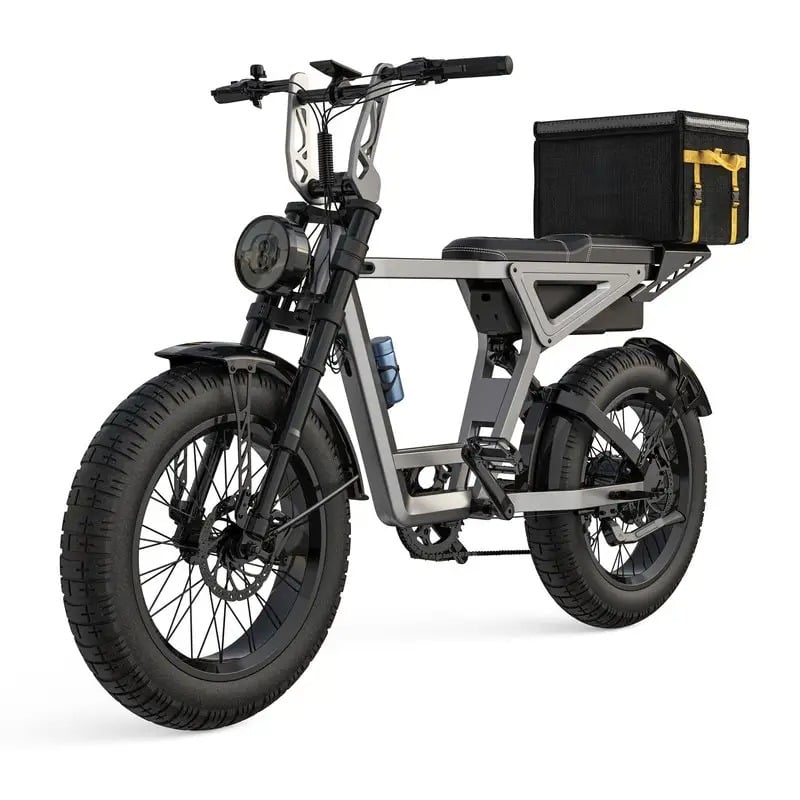
Establishing robust after-sales center setups is critical for businesses operating in the wholesale electric bikes USA market. As the ebike wholesale usa sector continues to expand, distributors and retailers must invest in comprehensive service infrastructure to differentiate themselves and build long-term customer loyalty. An effective after-sales center becomes the foundation for customer retention, brand reputation, and repeat business in this competitive landscape.
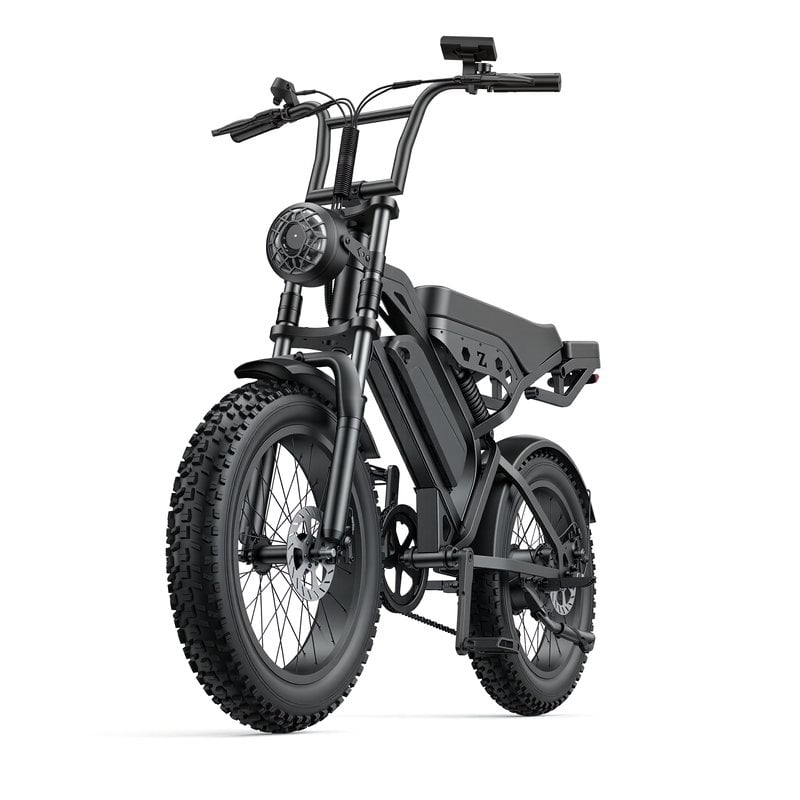
The electric bike wholesale in usa market has grown dramatically, with retailers recognizing that post-purchase support directly impacts profitability and customer satisfaction. After-sales centers handle warranty claims, repairs, maintenance, technical support, and parts replacement. Organizations that operate wholesale electric bikes suppliers networks understand that superior after-sales infrastructure creates a competitive moat and reduces customer churn rates significantly.
Customers investing in electric bikes expect reliable performance and accessible support. When you operate wholesale electric bikes USA operations, an established after-sales center demonstrates commitment to product quality. This commitment translates into higher customer confidence, enabling retailers to justify premium pricing and attract quality-conscious buyers who value long-term support and reliability.
After-sales centers generate recurring revenue streams through service contracts, parts sales, and extended warranties. In the ebike wholesale usa segment, many distributors find that after-sales revenue contributes 20–30 percent of annual profits. Parts replacement, maintenance packages, and premium support plans create predictable cash flows that offset seasonal demand fluctuations common in the electric bike wholesale in usa market.
Building a competent technical workforce is foundational for wholesale electric bikes suppliers serving diverse customer segments. Technicians must understand battery management systems, motor controllers, electrical wiring, mechanical components, and diagnostic procedures. Training programs should cover product-specific knowledge and troubleshooting methodologies. Many successful ebikes wholesale operations invest in certification programs, ensuring staff stays current with evolving battery technologies and motor specifications.
Physical infrastructure must accommodate diagnostic equipment, repair workstations, parts inventory management, and customer waiting areas. A well-designed facility for electric bike wholesale in usa operations includes battery testing equipment, motor analyzers, hydraulic press systems for bearing installation, and specialized tools for frame repairs. Inventory management systems tracking parts availability ensure rapid turnaround times, which directly impact customer satisfaction and repeat business in the ebike wholesale usa market.
Maintaining optimal spare parts inventory is critical for wholesale electric bikes suppliers. Common consumables include brake pads, cables, tires, battery cells, and controller boards. Strategic inventory balances cost efficiency with availability. Data-driven analysis of failure patterns, warranty claims, and customer usage helps distributors predict demand. Many successful wholesale electric bikes USA operations maintain parts stock that covers 90 percent of common repairs, minimizing customer downtime and enhancing service reputation.
Modern after-sales centers serving the electric bike wholesale in usa market operate through phone support, email, in-person service, and mobile repair options. Some ebikes wholesale providers offer on-site repair services for commercial customers, reducing operational disruption. Integrated ticketing systems track service requests from initial contact through completion, ensuring accountability and providing data for continuous improvement in the ebike wholesale usa segment.
Clear warranty structures differentiate competitive offerings in wholesale electric bikes suppliers networks. Documentation processes must track warranty coverage, claim eligibility, and service history for each unit. Digital platforms allow customers to check warranty status and submit claims remotely. Transparent communication about coverage limitations, battery degradation expectations, and component lifespan builds trust with retailers and end-users in the wholesale electric bikes USA market.
Measuring after-sales performance through key indicators reveals operational effectiveness. Average repair turnaround time, first-time fix rates, customer satisfaction scores, and warranty claim resolution times indicate service quality. Successful ebike wholesale usa operations benchmark against industry standards, typically targeting repair completion within 5–10 business days. Tracking these metrics helps wholesale electric bikes suppliers identify bottlenecks, staff performance gaps, and equipment limitations requiring investment.
Advanced diagnostic software and remote monitoring systems enhance service delivery in the electric bike wholesale in usa market. Real-time fault detection allows technicians to identify issues before failure occurs, reducing warranty costs. Customers can access digital manuals, troubleshooting guides, and maintenance schedules through mobile applications. These technology-enabled solutions differentiate wholesale electric bikes suppliers in competitive markets, improving customer retention and justifying premium pricing for ebikes wholesale operations.
After-sales centers that reward repeat business strengthen relationships in the wholesale electric bikes USA market. Loyalty programs offering priority service appointments, discounts on parts, and exclusive access to new products incentivize continued patronage. Many successful electric bike wholesale in usa retailers structure loyalty programs to encourage routine maintenance, which reduces catastrophic failures and extends product lifespan. This approach benefits both the retailer and customer, creating mutual value in the ebike wholesale usa segment.
A basic after-sales center serving regional wholesale electric bikes suppliers should employ at least 3–5 technicians for moderate volume operations. This includes master technicians with advanced troubleshooting skills and general technicians handling routine repairs. Administrative staff managing scheduling, inventory, and documentation adds another 1–2 positions. Larger ebikes wholesale operations serving multiple locations may require 10+ staff members divided across service teams, parts management, and customer support functions.
Inventory management for electric bike wholesale in usa operations should use data-driven systems tracking historical repair patterns and seasonal demand variations. Stock levels should cover high-failure components like brake pads, batteries, and motor controllers at higher quantities, while specialized parts can be ordered on-demand from wholesale electric bikes suppliers. Implementing just-in-time ordering for slow-moving items reduces storage costs while maintaining adequate stock for fast-moving parts, balancing cash flow efficiency with service availability in the ebike wholesale usa market.
Critical metrics include average repair time, first-time fix rate, customer satisfaction score, warranty claim volume, and return visit frequency. Most successful wholesale electric bikes USA operations target repair completion within 5–10 days, with first-time fix rates exceeding 85 percent. Customer satisfaction scores should consistently exceed 4.5 out of 5 stars. These performance indicators help electric bike wholesale in usa managers identify operational bottlenecks and prioritize improvements that directly impact profitability and reputation in the wholesale electric bikes suppliers network.
2026/08/03
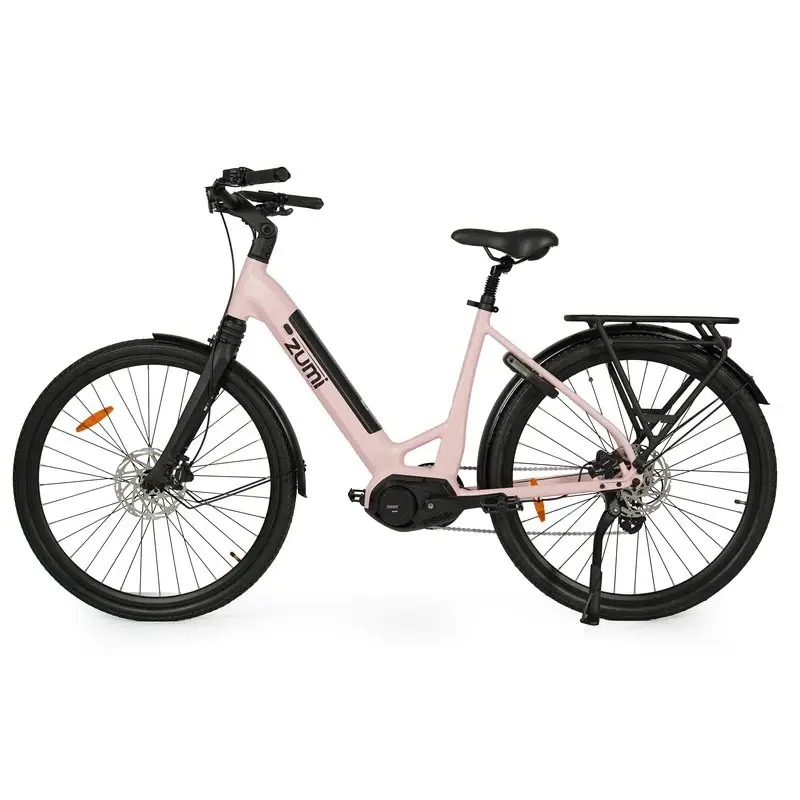
Fix time zones, language gaps, and unclear protocols—boost speed, cut costs, and scale confidently.
2026/08/03
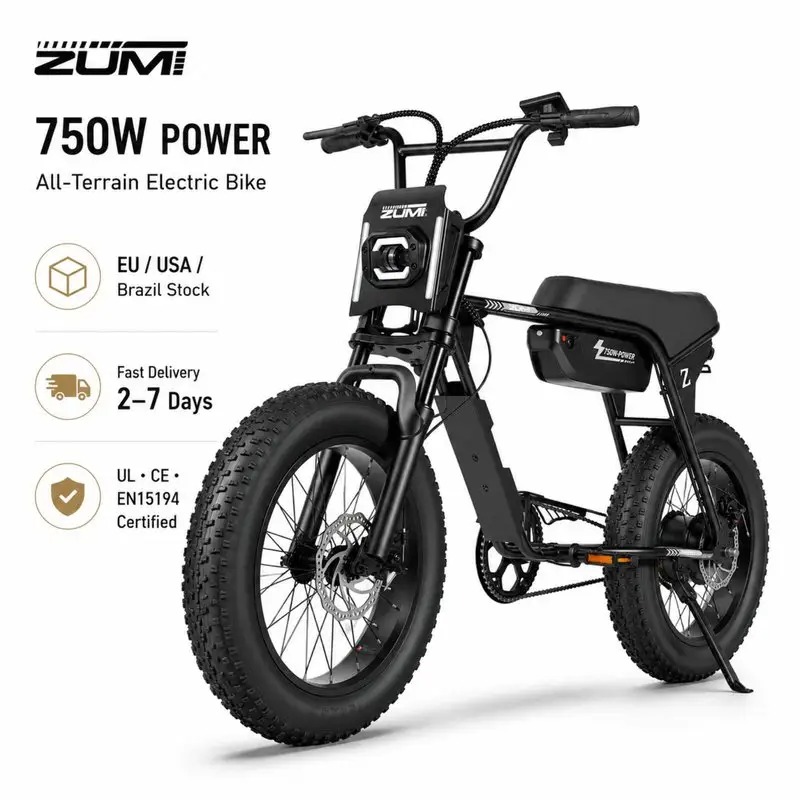
Avoid liability & import bans: Learn IEC 62619, UN 38.3, and UL 2271—plus how to verify real compliance (not fakes).
2026/08/03
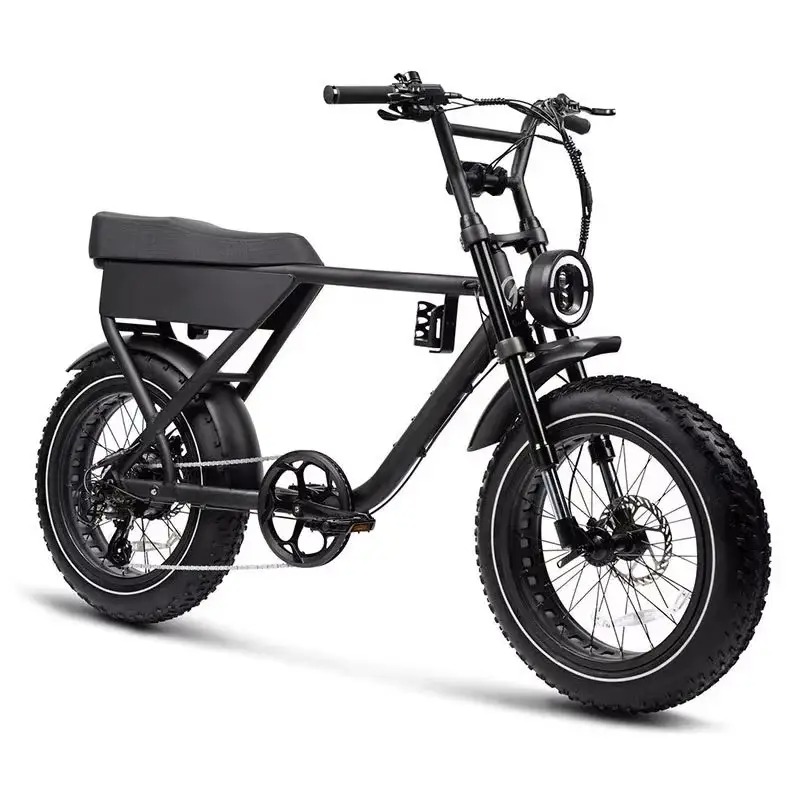
Learn precise air pressure, rebound & compression tuning for optimal suspension performance. Get pro-level setup tips now.
2026/08/03
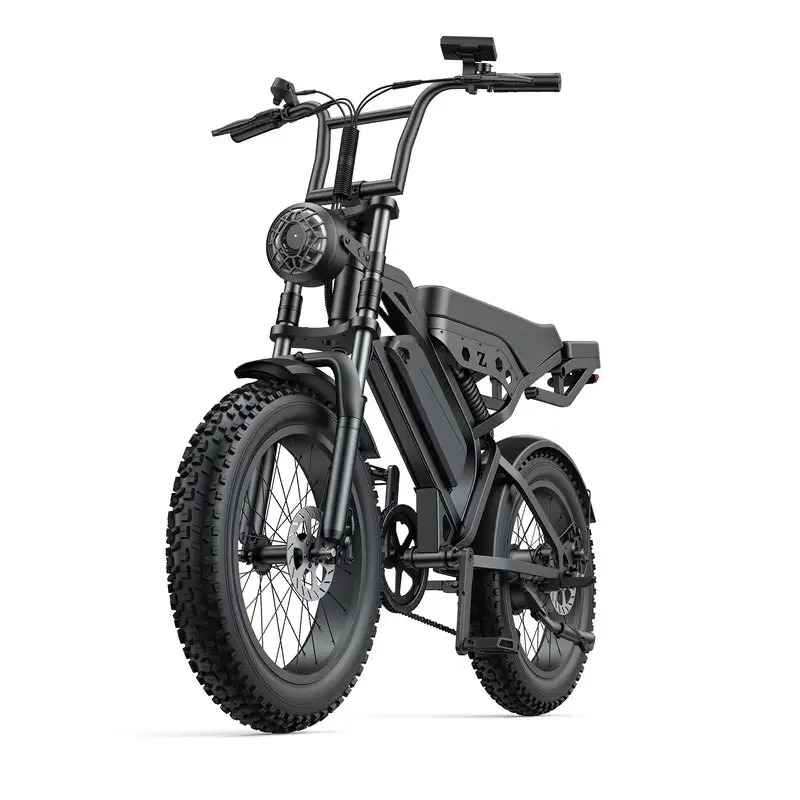
Discover how voltage drop saps performance—and proven fixes to restore responsiveness, range, and battery life. Read now.
2026/08/03
Discover data-backed protocols, smart infrastructure & operational fixes. Optimize now.
2026/08/03
How payload cuts 48V cargo ebike range by 15–50%+ — backed by real-world degradation curves, motor load science & fleet optimization strategies.
Comprehensive warranty, fast parts shipping, remote diagnostics and local dealer training


