 EN
EN
STEP 1
Full vehicle warranty for 2 years
2026/08/20
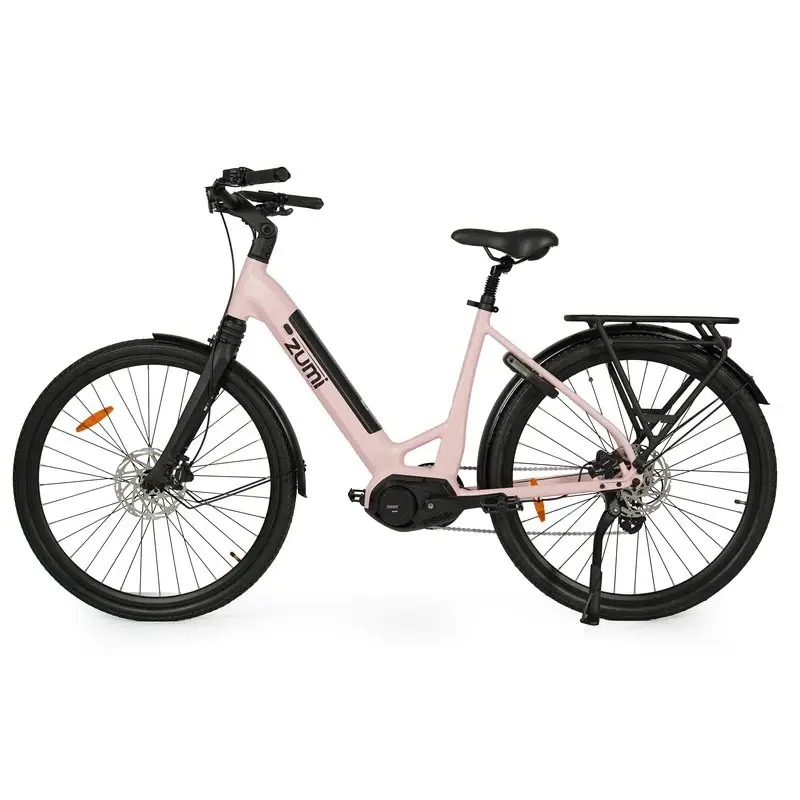
The electric bike industry is experiencing rapid growth, with increasing demand pushing manufacturers to reconsider their production strategies. Companies that make electric bikes face significant pressure to scale operations efficiently while maintaining quality and managing costs. Automation has emerged as a transformative solution, enabling these businesses to streamline manufacturing processes, reduce labor dependency, and accelerate time-to-market. Understanding how automation adoption works within the ebike sector reveals both the opportunities and challenges that modern manufacturers encounter.
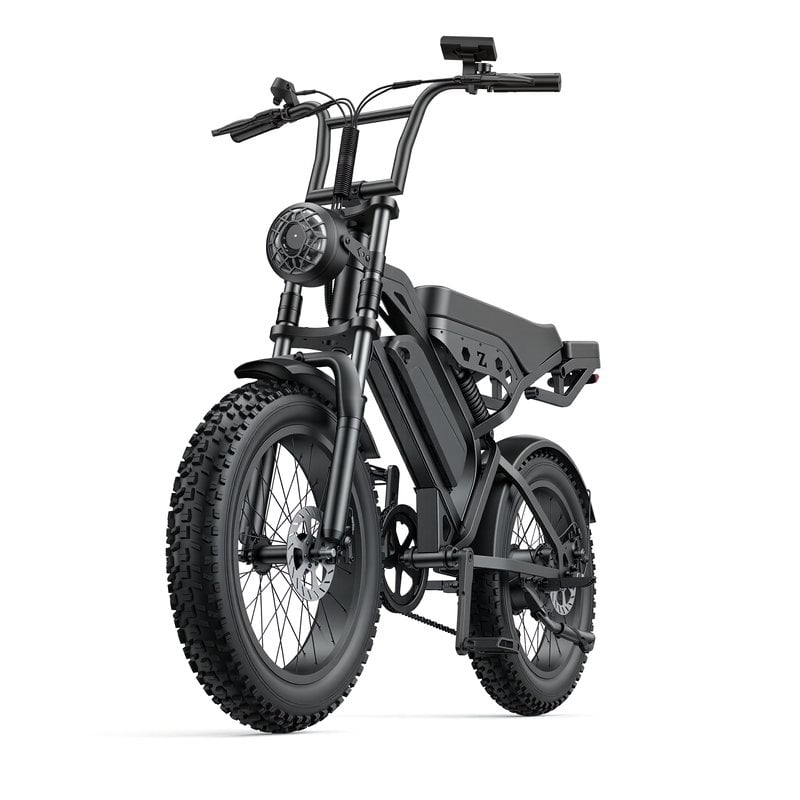
The journey toward automation involves multiple stages, from initial assessment through full integration into production lines. An ebike manufacturer must evaluate existing workflows, identify bottleneck areas, and determine which processes deliver the highest return on investment when automated. This strategic approach ensures that automation investments align with business objectives and generate measurable improvements in operational efficiency and product quality.
The global ebike market has expanded dramatically, creating unprecedented demand for production capacity. Companies that make electric bikes must increase output to capture market share, yet expanding the workforce presents logistical and financial challenges. Automation enables an ebike manufacturer to multiply production volume without proportionally increasing headcount. Roboticized assembly lines, automated welding stations, and computer-controlled quality inspections allow facilities to operate continuously and maintain consistent output levels. This capability directly addresses the growth imperative facing modern electric bike factories without sacrificing quality standards.
Manual manufacturing introduces variability that can compromise product reliability and customer satisfaction. An electric bike factory leverages automation to perform precise, repetitive tasks with zero deviation, ensuring every unit meets exact specifications. Automated welding achieves perfect bead consistency, robotic frame assembly maintains tolerances to fractions of millimeters, and machine vision systems detect defects invisible to human inspection. This standardization strengthens brand reputation and reduces warranty claims, creating competitive advantage for ebike suppliers who prioritize quality through technological investment.
Modern electric bike factories implement collaborative robots that work alongside human technicians, handling heavy lifting and positioning tasks with precision. These cobots integrate seamlessly into existing production lines, reducing worker fatigue and injury risk while accelerating assembly cycles. Companies that make electric bikes use robotic systems for frame welding, spoke placement, and motor integration, processes that demand accuracy beyond human capability. The flexibility of modern robotic platforms allows an ebike manufacturer to quickly reprogram systems for different frame sizes, motor types, and component configurations, supporting product diversity without extended downtime.
Machine vision and AI-powered inspection technologies have revolutionized quality assurance at electric bike factories. Automated systems scan frame geometry, verify motor installation, check battery pack integration, and validate wiring harness routing faster and more accurately than manual inspection. An ebike supplier deploying these technologies identifies defects before they reach customers, protecting brand integrity and reducing costly recalls. Real-time data feedback from inspection systems enables continuous process improvement, helping companies that make electric bikes optimize manufacturing parameters and achieve Six Sigma quality levels.
Adopting automation requires substantial upfront capital, a barrier for many growing ebike manufacturers. However, total cost of ownership analysis often justifies the investment through labor reduction, waste elimination, and productivity gains. Companies that make electric bikes calculate payback periods by comparing automation costs against savings in per-unit labor, defect reduction, and increased throughput. An electric bike factory must conduct rigorous financial modeling and align automation projects with revenue forecasts and growth timelines. Phased implementation approaches allow ebike suppliers to test technologies at smaller scale before full facility rollout, reducing financial risk and building internal expertise.
Automation transforms labor requirements rather than simply eliminating jobs. Companies that make electric bikes must retrain workers for technician, programming, and maintenance roles. An ebike manufacturer investing in automation gains responsibility for upskilling employees, preventing workforce displacement. Progressive ebike suppliers develop training programs, partner with technical institutions, and create career pathways in systems maintenance and operation. This human-centered approach builds organizational resilience, improves employee retention, and demonstrates corporate responsibility that strengthens customer and community relationships.
Modern automation enables electric bike factories to produce customized variants without sacrificing efficiency. An ebike manufacturer can program systems to accommodate different frame geometries, motor power ratings, battery capacities, and aesthetic options within the same production line. This flexibility addresses growing consumer demand for personalized electric bikes while maintaining batch efficiency. Companies that make electric bikes leverage modular automation architectures to adapt quickly to market trends, seasonal variations, and regional preferences without retooling costs.
Automation contributes to environmental sustainability goals that matter increasingly to consumers and regulators. An electric bike factory using automated systems optimizes material usage, reduces scrap rates, and minimizes energy consumption through precision manufacturing. Ebike suppliers can implement closed-loop systems where defects trigger immediate process corrections, preventing waste accumulation. Companies that make electric bikes adopting automation often achieve certifications demonstrating environmental responsibility, differentiating their products in competitive markets.
Frame welding, motor integration, battery pack assembly, and quality inspection deliver the highest returns when automated. An ebike manufacturer prioritizes these high-volume, precision-demanding tasks where automation eliminates human error and accelerates throughput. Electric bike factories often start with welding automation before expanding to assembly and inspection, building experience and demonstrating measurable results that justify broader investment.
Progressive ebike suppliers partner with equipment vendors who provide comprehensive training, hire automation technicians from adjacent industries, and develop internal training academies. An ebike manufacturer establishes mentorship programs pairing experienced technicians with newer staff, creating sustainable knowledge transfer. Investment in workforce development reduces implementation timelines and ensures the organization retains institutional knowledge about automation systems.
Most companies that make electric bikes achieve payback within 18 to 36 months, depending on production volume, automation scope, and labor cost structures. An ebike manufacturer can accelerate ROI by targeting high-volume processes and consolidating multiple automation projects to share infrastructure. Early adopters among ebike suppliers often see competitive advantages that extend beyond financial metrics, including improved market reputation and capacity for faster product innovation.
2026/08/03
Fix time zones, language gaps, and unclear protocols—boost speed, cut costs, and scale confidently.
2026/08/03
Avoid liability & import bans: Learn IEC 62619, UN 38.3, and UL 2271—plus how to verify real compliance (not fakes).
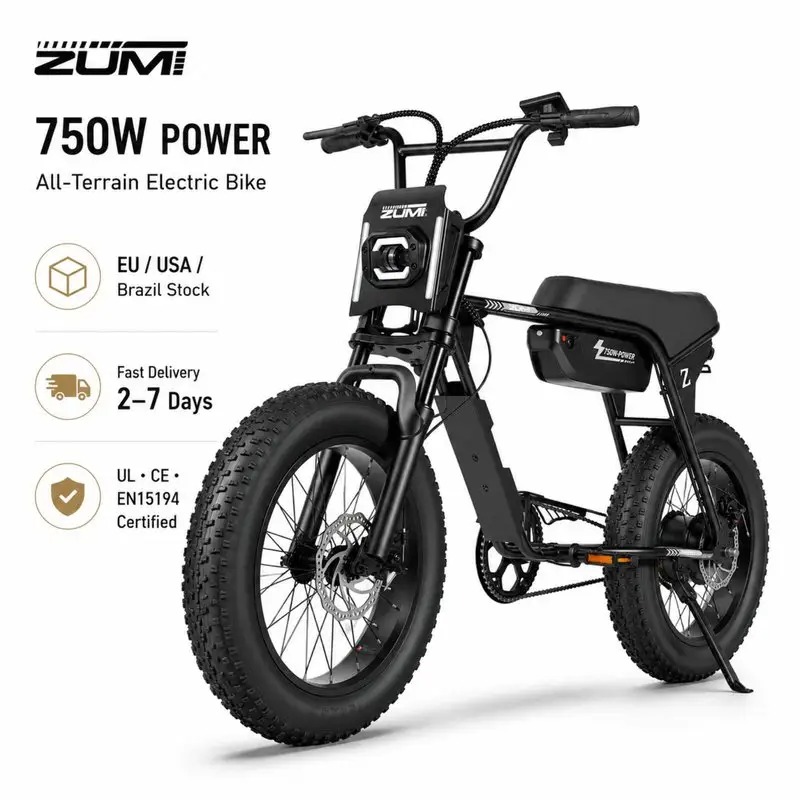
2026/08/03
Learn precise air pressure, rebound & compression tuning for optimal suspension performance. Get pro-level setup tips now.
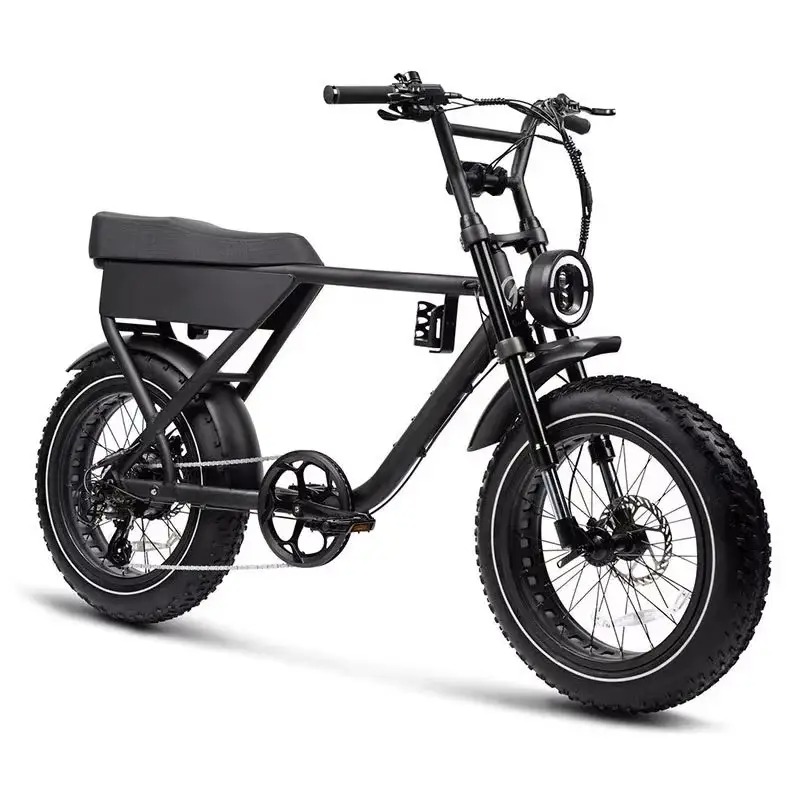
2026/08/03
Discover how voltage drop saps performance—and proven fixes to restore responsiveness, range, and battery life. Read now.
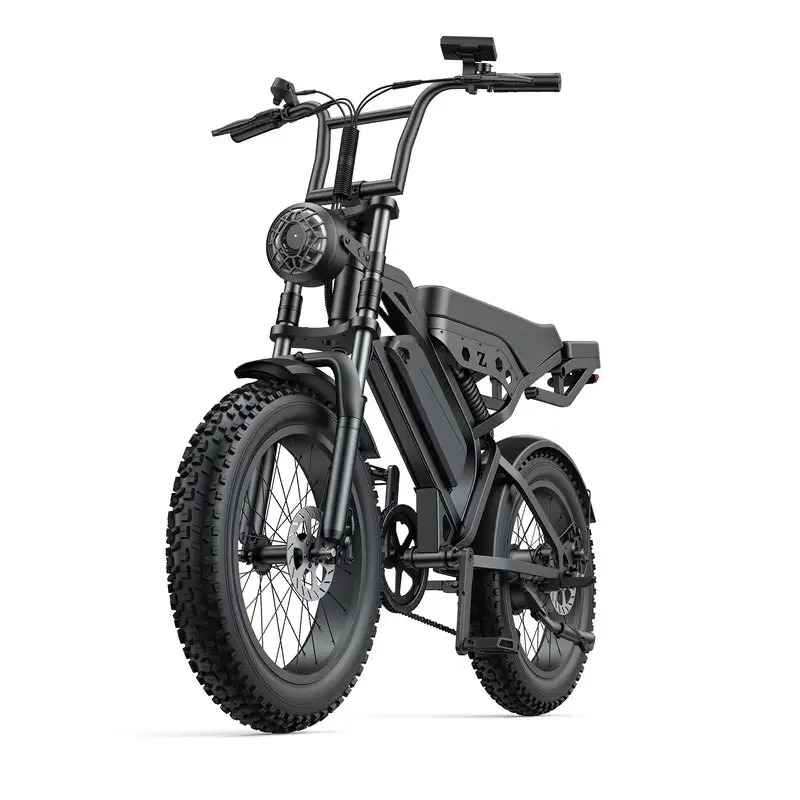
2026/08/03
Discover data-backed protocols, smart infrastructure & operational fixes. Optimize now.
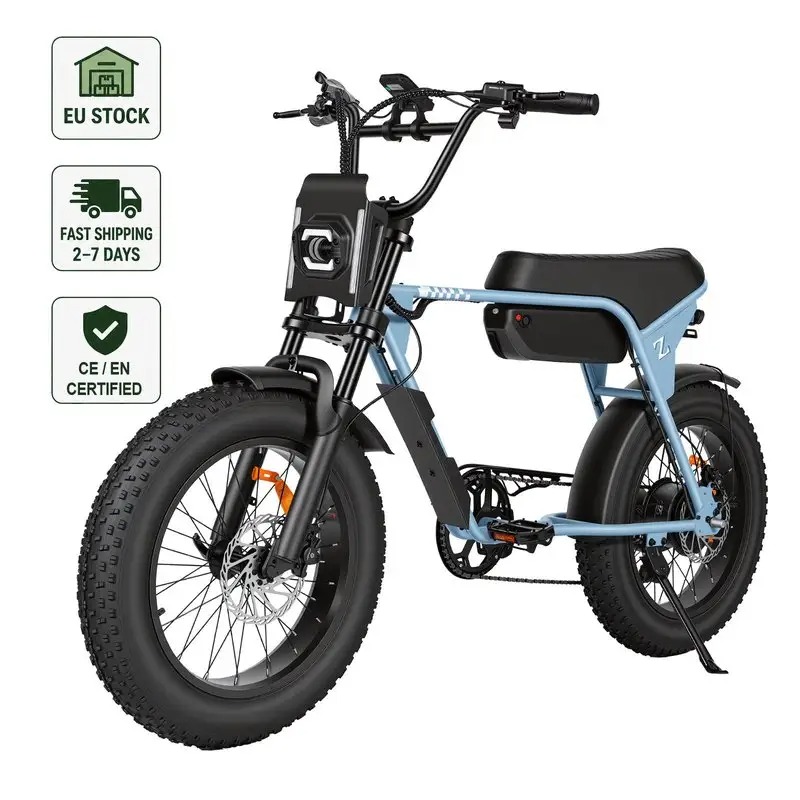
2026/08/03
How payload cuts 48V cargo ebike range by 15–50%+ — backed by real-world degradation curves, motor load science & fleet optimization strategies.
Comprehensive warranty, fast parts shipping, remote diagnostics and local dealer training


