 EN
EN
STEP 1
Full vehicle warranty for 2 years
2026/09/04
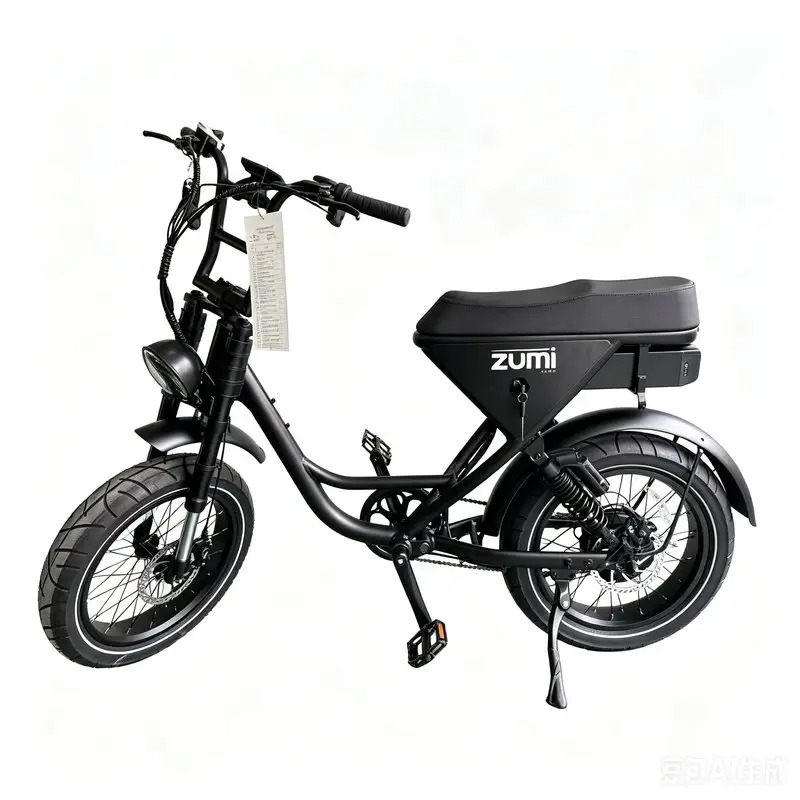
A long range electric bike delivers extended riding capability through sophisticated battery management systems that regulate power distribution and maintain optimal performance. Understanding how these systems work directly influences your purchasing decision and real-world riding experience. Battery management systems, commonly called BMS units, are the intelligent controllers that monitor, protect, and optimize every aspect of your ebike's electrical performance throughout its operational lifespan.
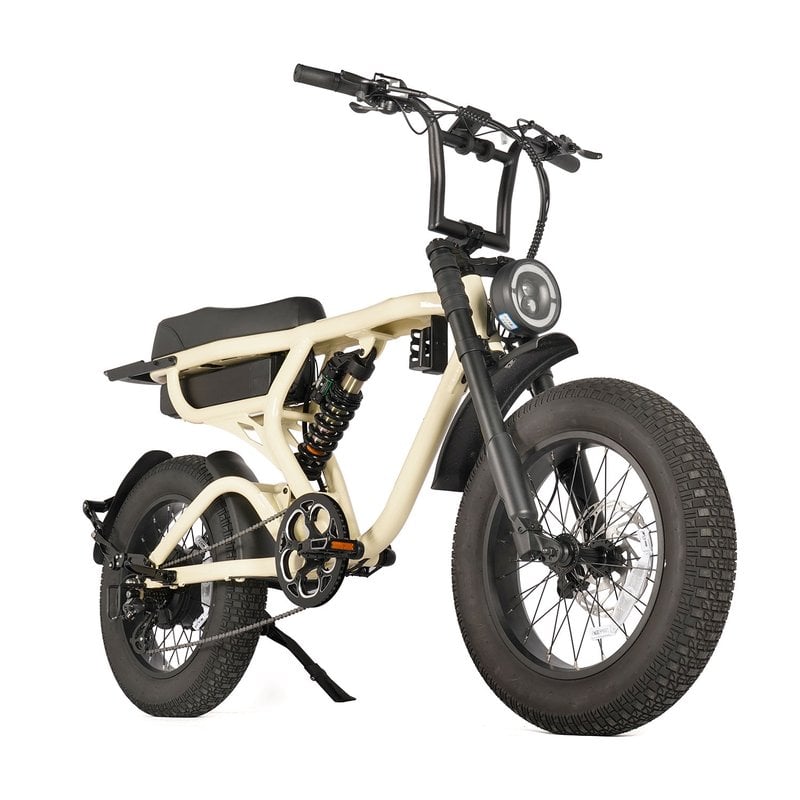
Long distance ebikes rely on advanced BMS technology to achieve the extended mileage that makes them practical for commuting, touring, and recreational riding. The battery management system continuously monitors cell voltage, temperature, and current flow to prevent damage, extend battery lifespan, and deliver consistent power output across hundreds of charge cycles. For adults seeking reliable transportation solutions, understanding these systems ensures you select an electric bike with high range that matches your actual riding needs and provides dependable performance year after year.
The BMS in a high range electric bike constantly measures individual cell voltages and total pack voltage to prevent overcharging and over-discharging conditions that would damage lithium-ion batteries. Real-time current sensing ensures the system detects abnormal power draws immediately, protecting both the battery and connected components from electrical faults. This continuous monitoring capability is fundamental to achieving the extended range that distinguishes long range electric bikes for adults from entry-level models.
Battery performance degrades significantly in extreme temperature conditions, which is why sophisticated BMS units include thermal management functions. The system monitors temperature across the battery pack and can restrict charging, discharging, or power output when cells become too cold or too hot. Long distance ebikes with advanced thermal management maintain optimal range performance across seasonal changes and diverse riding conditions that would otherwise reduce available capacity.
Individual lithium cells within a battery pack naturally develop slight voltage differences during charging and discharging cycles. The BMS performs active or passive cell balancing to equalize voltages across all cells, ensuring the battery pack operates at maximum capacity and prevents premature failure of weaker cells. This balancing function directly extends battery lifespan and maintains the high range capabilities of long range electric bikes throughout years of regular use.
An electric bike with high range incorporates multiple protective layers through the BMS to prevent dangerous conditions that compromise battery safety and longevity. The system automatically stops charging when the pack reaches maximum safe voltage and prevents discharging below minimum threshold voltages that would cause irreversible damage. These protection mechanisms allow riders to use their long distance ebikes confidently, knowing the battery management system works continuously to preserve battery health and maintain consistent performance.
The BMS optimizes power delivery based on current battery state of charge, temperature conditions, and real-time demand patterns to maximize available range during each ride. When battery voltage approaches minimum safe levels, the system may reduce maximum power output to prevent sudden performance loss and ensure the rider maintains forward momentum to reach their destination safely. High range electric bike systems intelligently balance power availability against battery preservation, allowing riders to confidently plan trips knowing their actual range capabilities.
Modern long range electric bikes for adults feature BMS units that implement sophisticated energy efficiency algorithms optimizing motor performance and reducing wasted energy throughout the power system. Advanced systems learn riding patterns, predict power demands, and preemptively adjust charging and discharging curves to match specific usage profiles. Long distance ebikes equipped with these intelligent systems consistently deliver superior range performance compared to models with basic BMS functionality, translating to fewer charging stops and extended riding freedom.
The BMS in a long range electric bike communicates continuously with the motor controller and display unit, sharing real-time data about battery state, available power, and performance parameters. This integrated communication ensures the motor receives accurate information for optimal torque delivery while the display provides riders with trustworthy range estimates and battery status indicators. An electric bike with high range benefits from seamless BMS integration that delivers consistent feedback and responsive power management across all riding conditions.
When long distance ebikes feature regenerative braking capability, the BMS manages the complex charging process as the motor acts as a generator during braking and descending. The system carefully controls charging current and voltage to safely capture kinetic energy while protecting the battery pack from reverse current damage and thermal stress. This coordinated regenerative charging capability contributes meaningfully to the extended range performance that makes high range electric bikes for adults increasingly popular for diverse applications.
Battery capacity requirements depend on your typical riding distance, terrain, and desired range safety margin. Most long range electric bikes for adults feature 48V 15Ah to 48V 25Ah packs, providing 70–150+ miles of range depending on terrain and riding style. The BMS ensures you access the full usable capacity while protecting the battery from extreme discharge levels that would damage cells and reduce longevity.
Battery management systems extend lifespan by preventing overcharging, over-discharging, and operating temperature extremes that degrade lithium-ion cells. Cell balancing maintains uniform aging across the pack, ensuring you retain maximum range capability for years. Regular BMS protection against electrical faults and improper discharge practices means a long range electric bike battery typically survives 500–1000+ complete charge cycles.
Most high range electric bike BMS units are factory-installed and integral to the overall system design, making field upgrades impractical for typical riders. However, selecting a long range electric bike from the outset with advanced BMS technology ensures you benefit from superior battery protection and range optimization throughout the bike's operational lifespan without requiring future modifications.
2026/08/03
Fix time zones, language gaps, and unclear protocols—boost speed, cut costs, and scale confidently.
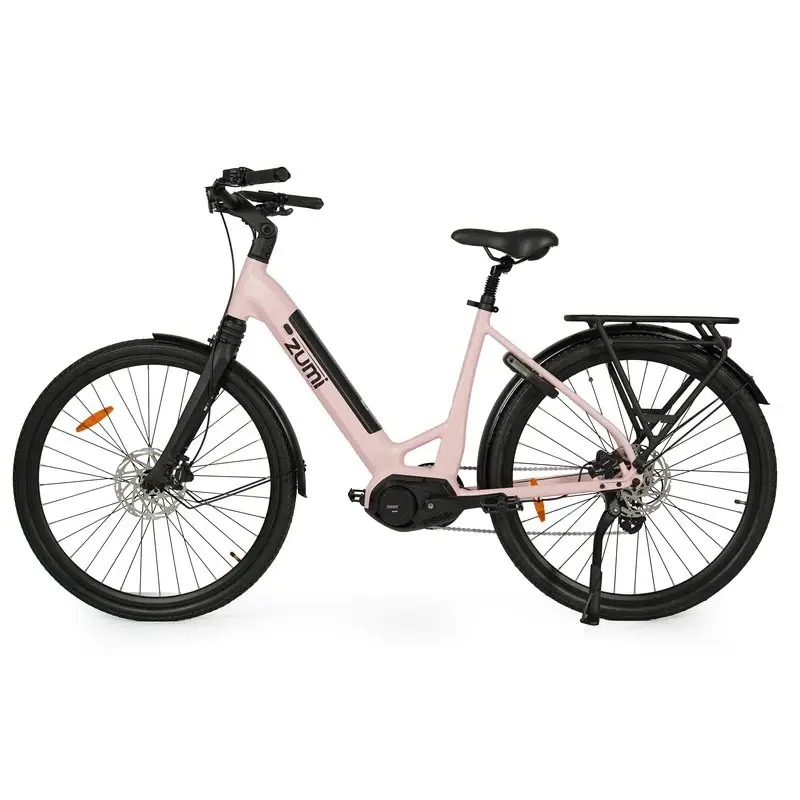
2026/08/03
Avoid liability & import bans: Learn IEC 62619, UN 38.3, and UL 2271—plus how to verify real compliance (not fakes).
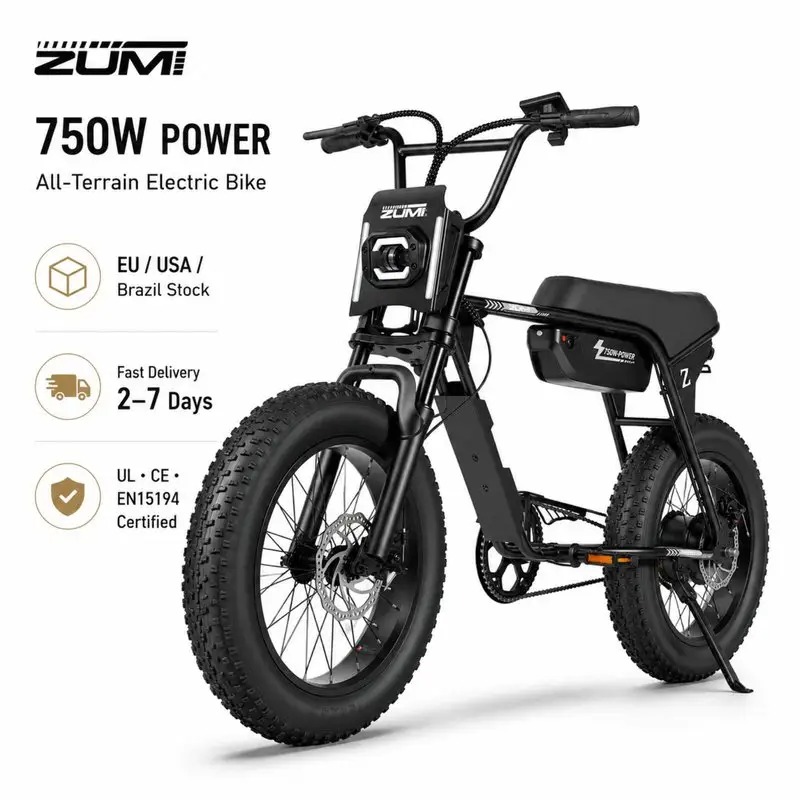
2026/08/03
Learn precise air pressure, rebound & compression tuning for optimal suspension performance. Get pro-level setup tips now.
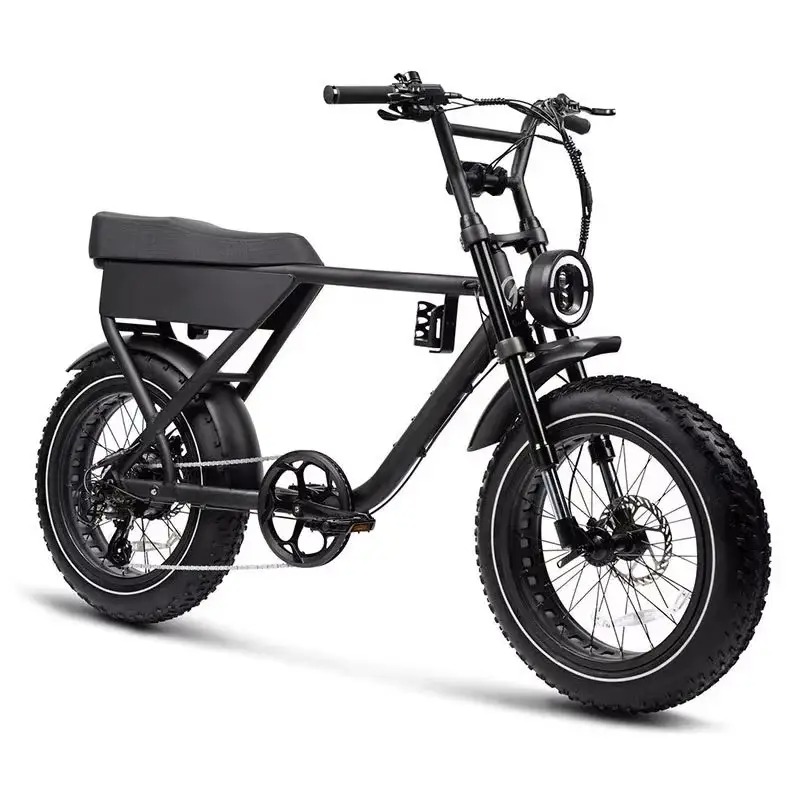
2026/08/03
Discover how voltage drop saps performance—and proven fixes to restore responsiveness, range, and battery life. Read now.
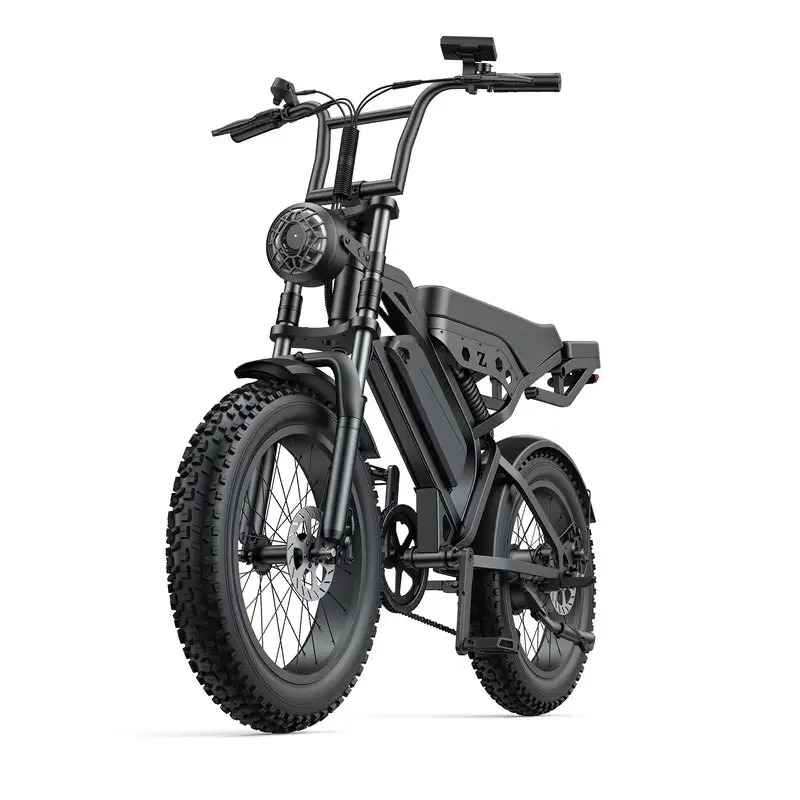
2026/08/03
Discover data-backed protocols, smart infrastructure & operational fixes. Optimize now.
2026/08/03
How payload cuts 48V cargo ebike range by 15–50%+ — backed by real-world degradation curves, motor load science & fleet optimization strategies.
Comprehensive warranty, fast parts shipping, remote diagnostics and local dealer training


