 EN
EN
STEP 1
Full vehicle warranty for 2 years
2026/08/26
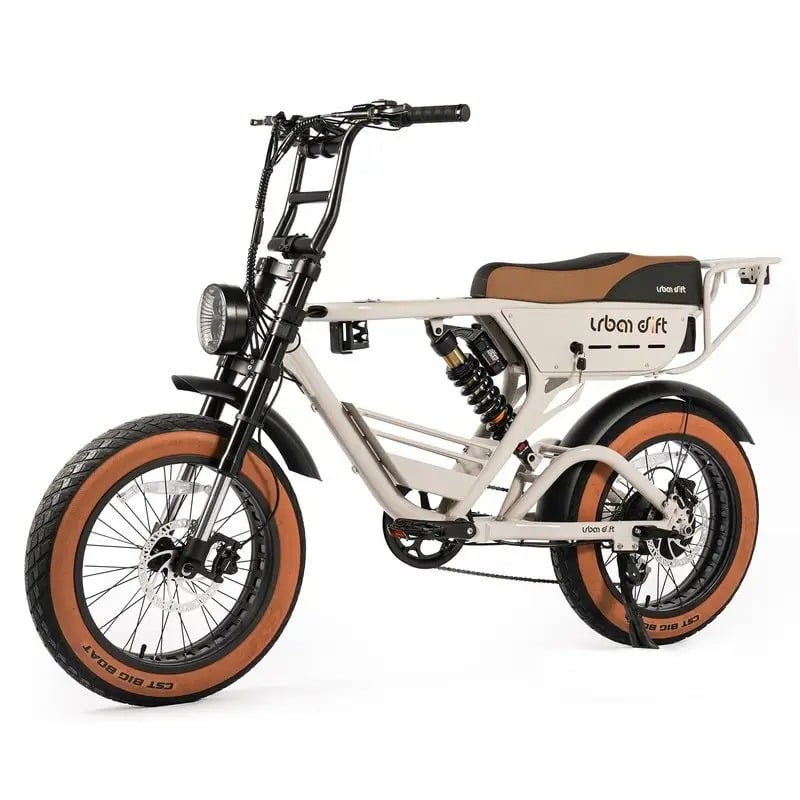
The journey of becoming a certified electric bike manufacturer involves navigating complex regulatory frameworks, quality standards, and safety protocols. An electric bike manufacturer must demonstrate commitment to excellence across design, production, and testing phases to earn industry recognition. Certification processes validate that e-bikes meet international safety requirements, performance standards, and environmental compliance measures. This comprehensive approach ensures that consumers receive reliable, safe products while building trust in the brand's commitment to quality and innovation.
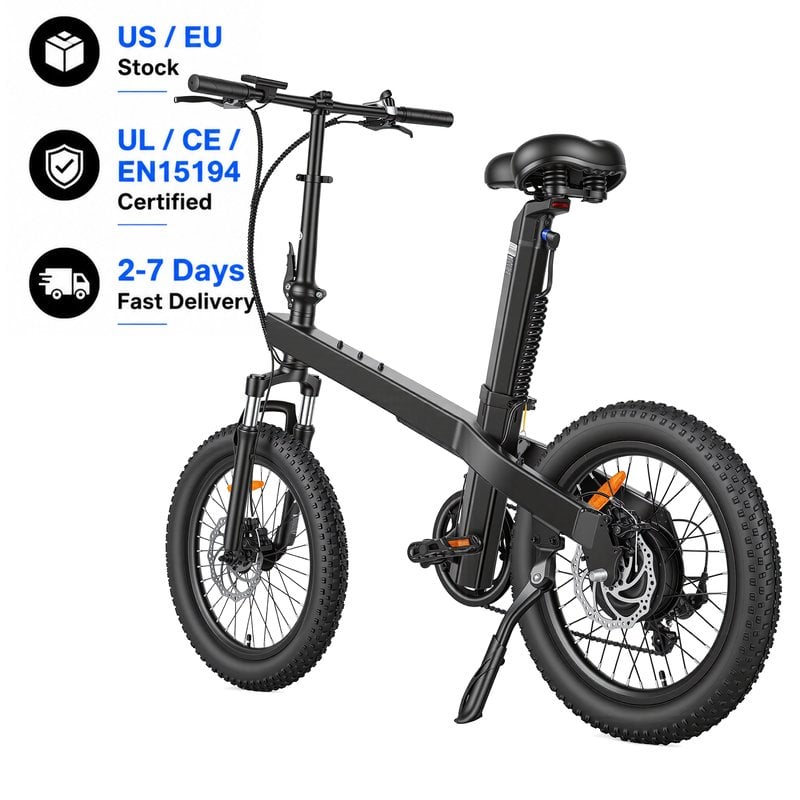
Today's electric bikes factory operations demand rigorous adherence to certification standards that protect end-users and establish market credibility. Chinese electric bike companies and established electric bike makers worldwide recognize that certification is not merely a regulatory checkbox but a cornerstone of business sustainability. The certification journey requires understanding technical specifications, documentation requirements, testing protocols, and ongoing compliance monitoring. Organizations seeking to produce 250w electric bike manufacturer-grade products must invest in quality management systems, trained personnel, and validated testing infrastructure to successfully meet certification requirements.
An electric bike manufacturer must comply with multiple international standards depending on target markets. The most widely recognized standards include EN 15194 for European markets, which sets performance and safety requirements for e-bikes. These standards define technical specifications for motor systems, battery safety, mechanical components, and electrical systems. Electric bikes factory compliance with EN 15194 includes testing for motor cutoff functionality, brake performance, mechanical strength, and electromagnetic compatibility. Meeting these standards demonstrates that an electric bike maker has implemented rigorous quality control throughout production.
Chinese electric bike companies often pursue certifications aligned with their primary export markets. For European distribution, the CE marking represents a critical achievement, requiring compliance with the Machinery Directive and Low Voltage Directive. United States markets may demand compliance with UL 2849 or CPSC regulations for e-bikes. Each pathway requires different documentation, testing facilities, and technical expertise. An electric bikes factory planning international expansion must map certification requirements for each target region and establish processes to meet those specific standards. Electric bike makers must understand that certification is market-specific and plan accordingly.
An electric bike manufacturer cannot achieve certification without meticulous technical documentation that demonstrates design integrity and manufacturing consistency. This documentation includes detailed component specifications, assembly procedures, testing protocols, and maintenance guidelines. Electric bike makers must maintain records of supplier audits, material certifications, and component testing results. The electric bikes factory must create thorough quality manuals that define manufacturing processes, inspection procedures, and corrective action protocols. Proper documentation also supports traceability, allowing manufacturers to track components from suppliers through production to end-users. Chinese electric bike companies increasingly invest in digital documentation systems to streamline this complex requirement.
Certification requires that an electric bike manufacturer establish a formal Quality Management System, often aligned with ISO 9001 standards. This system documents procedures for supplier management, production control, inspections, and testing. Electric bike makers must define clear responsibilities for quality oversight and establish protocols for handling non-conforming products. An electric bikes factory must implement traceability systems that track batch numbers, production dates, and testing results throughout the manufacturing process. Regular internal audits and management reviews ensure the quality system remains effective. 250w electric bike manufacturer standards particularly emphasize documentation of motor performance testing and battery safety validation procedures.
An electric bike manufacturer must conduct extensive laboratory testing to demonstrate product safety and performance compliance. Electric bikes factory operations typically include in-house testing capabilities or partnerships with accredited third-party testing laboratories. Key testing categories include mechanical durability tests, electrical safety assessments, motor performance validation, and battery safety evaluations. The 250w electric bike manufacturer category requires specific testing of motor power output, throttle response, and assistance cutoff mechanisms. Electric bike makers must document all test results, maintain calibrated testing equipment, and retain records for regulatory review. Chinese electric bike companies often establish regional testing partnerships to reduce costs while maintaining certification credibility.
Beyond laboratory testing, an electric bike manufacturer must conduct field validation to ensure products perform safely under real-world conditions. Electric bikes factory teams test prototypes across various terrains, weather conditions, and usage scenarios before full-scale production. Electric bike makers gather performance data on motor reliability, battery endurance, braking effectiveness, and structural integrity. This real-world testing identifies potential safety issues that laboratory conditions might not reveal. An electric bikes factory may conduct accelerated aging tests, stress tests on critical components, and evaluation of user interface clarity. The certification process requires documentation of these field tests, demonstrating comprehensive validation before market launch.
European markets require CE marking compliance, primarily through EN 15194 standard compliance. An electric bike manufacturer must also comply with the Machinery Directive 2006/42/EC and the Low Voltage Directive 2014/35/EU. Additional regulations may apply for battery safety (Directive 2006/66/EC) and electromagnetic compatibility (EMC Directive 2014/30/EU). Chinese electric bike companies and other electric bike makers exporting to Europe must obtain technical documentation from notified bodies and maintain records demonstrating compliance. The certification process typically involves third-party assessment and formal declaration of conformity.
The timeline for achieving certification varies depending on the complexity of the product and the thoroughness of the quality management system. Most electric bike makers can complete initial certification within six to twelve months, assuming a well-organized approach and qualified design. The 250w electric bike manufacturer category typically requires three to six months for laboratory testing alone. Chinese electric bike companies often begin certification planning during the design phase to avoid costly redesigns later. Once certified, an electric bike manufacturer must maintain ongoing compliance and manage technical file updates as designs evolve or regulations change.
Certification represents a beginning rather than an endpoint for an electric bike manufacturer. Electric bikes factory operations must maintain compliance through regular internal audits, supplier monitoring, and quality documentation updates. Electric bike makers must track regulatory changes and update their quality management systems accordingly. Annual or periodic recertification audits may be required depending on the specific standard and certification body. An electric bikes factory must establish procedures for managing product recalls or safety issues that emerge after market launch. Chinese electric bike companies recognize that maintaining certification credibility requires continuous investment in quality improvement and regulatory monitoring.
2026/08/03
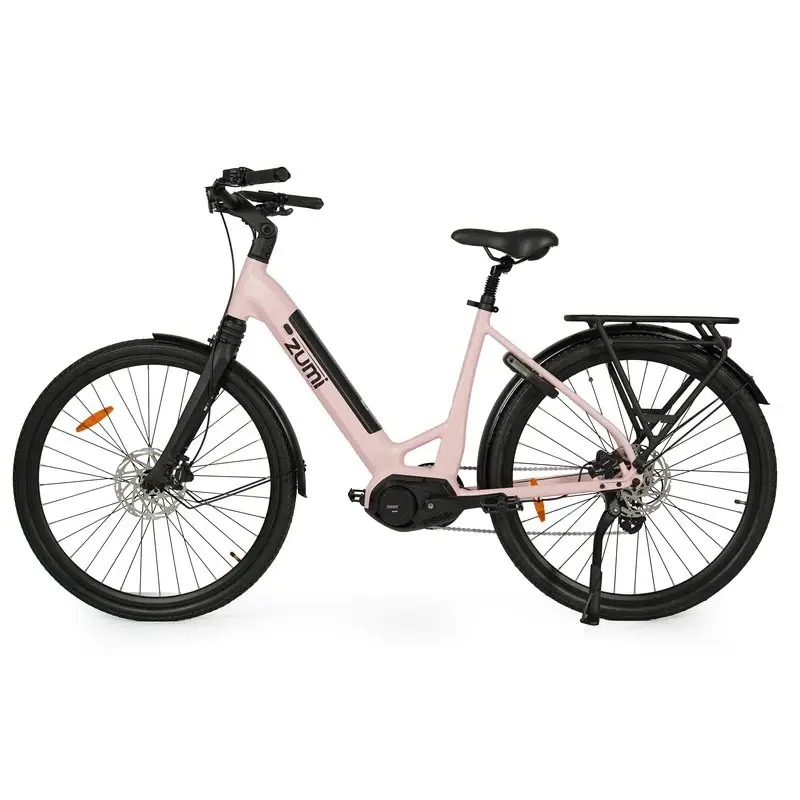
Fix time zones, language gaps, and unclear protocols—boost speed, cut costs, and scale confidently.
2026/08/03
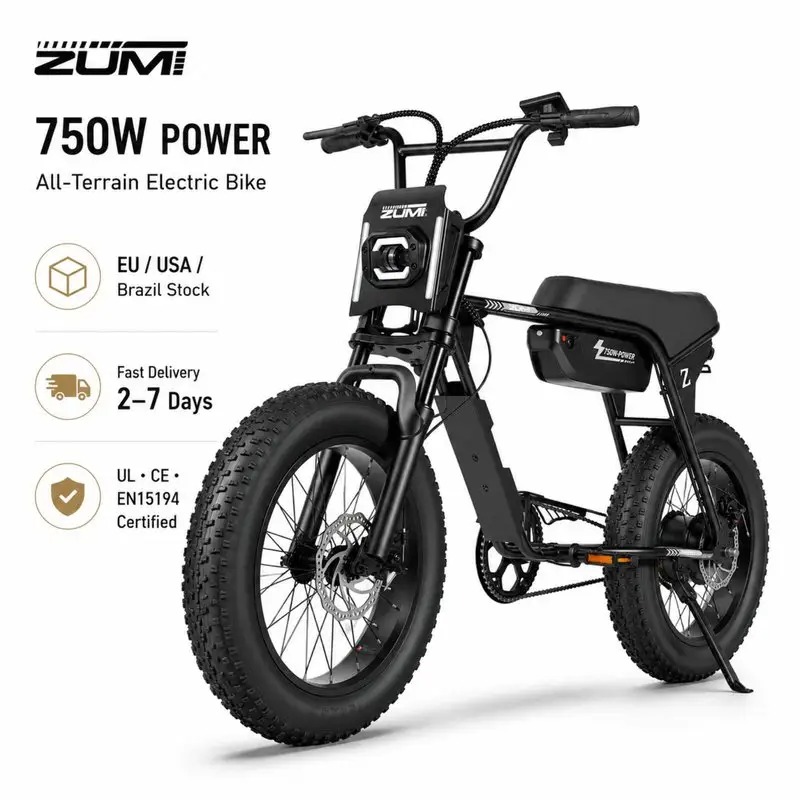
Avoid liability & import bans: Learn IEC 62619, UN 38.3, and UL 2271—plus how to verify real compliance (not fakes).
2026/08/03
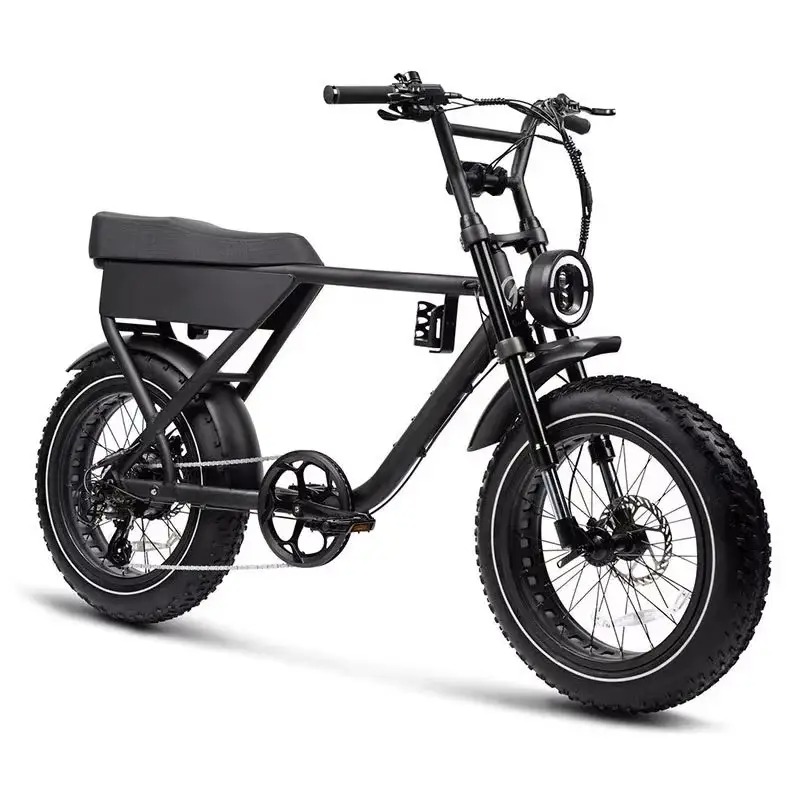
Learn precise air pressure, rebound & compression tuning for optimal suspension performance. Get pro-level setup tips now.
2026/08/03
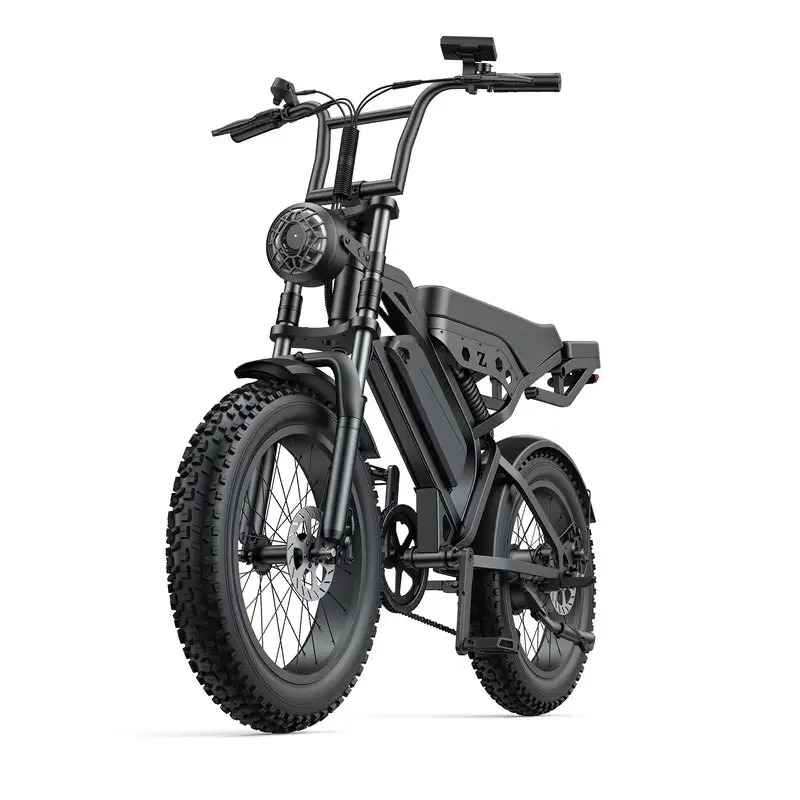
Discover how voltage drop saps performance—and proven fixes to restore responsiveness, range, and battery life. Read now.
2026/08/03
Discover data-backed protocols, smart infrastructure & operational fixes. Optimize now.
2026/08/03
How payload cuts 48V cargo ebike range by 15–50%+ — backed by real-world degradation curves, motor load science & fleet optimization strategies.
Comprehensive warranty, fast parts shipping, remote diagnostics and local dealer training


