 EN
EN

STEP 1
Full vehicle warranty for 2 years
2026/08/14
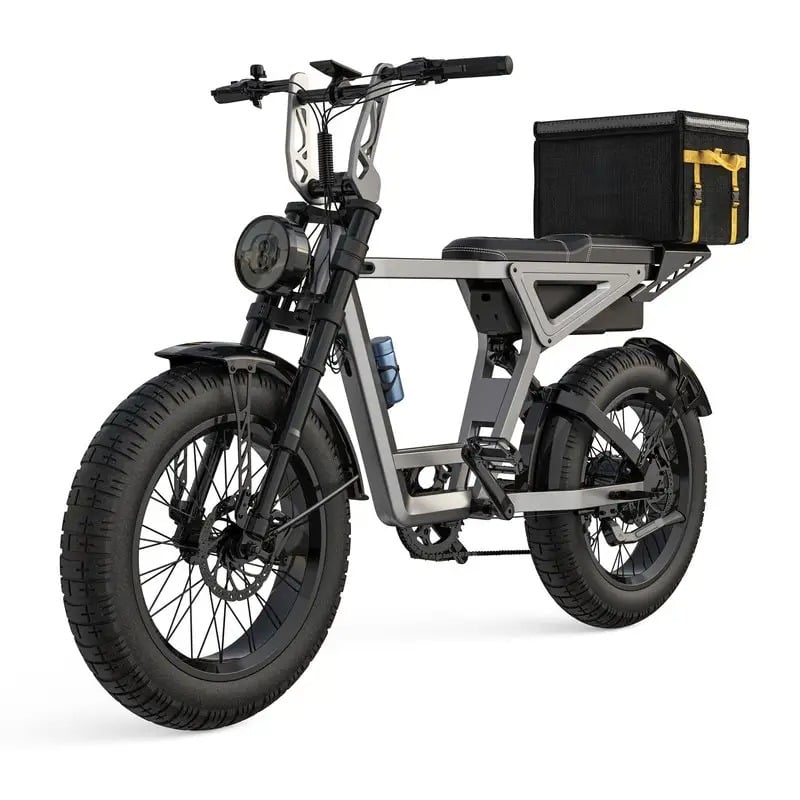
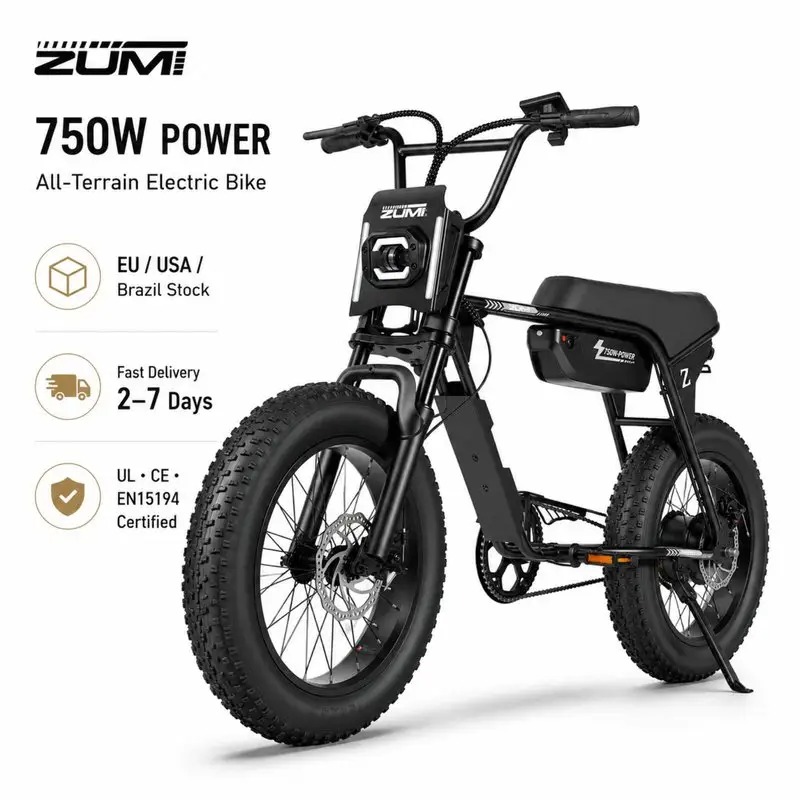
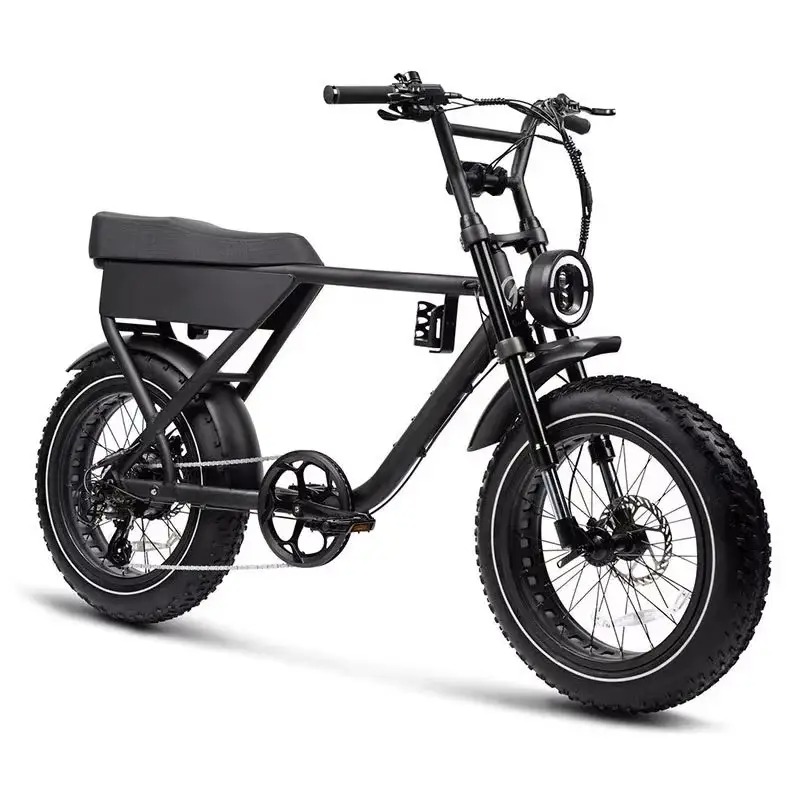
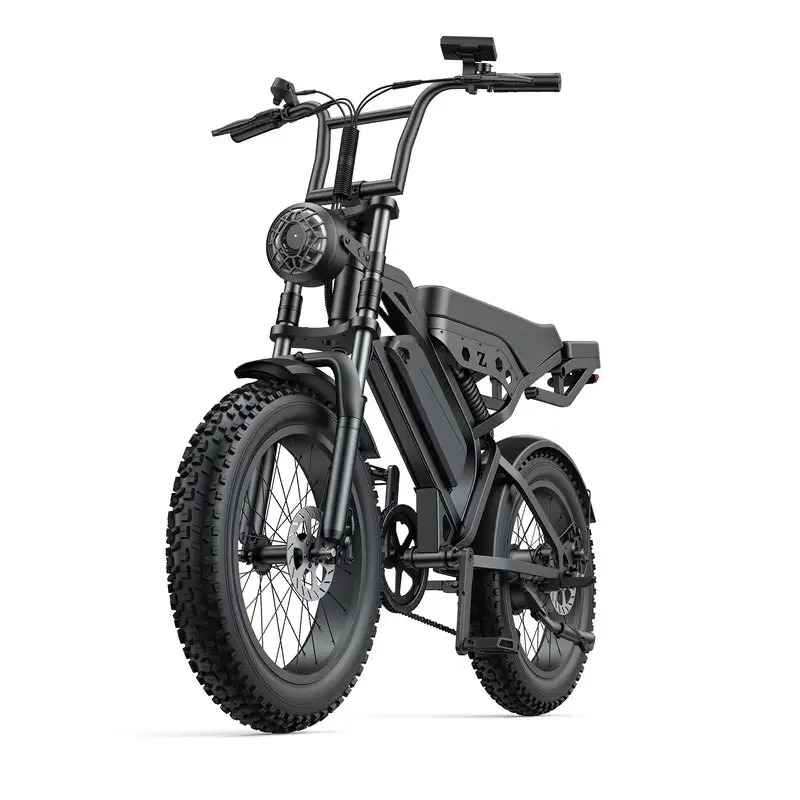
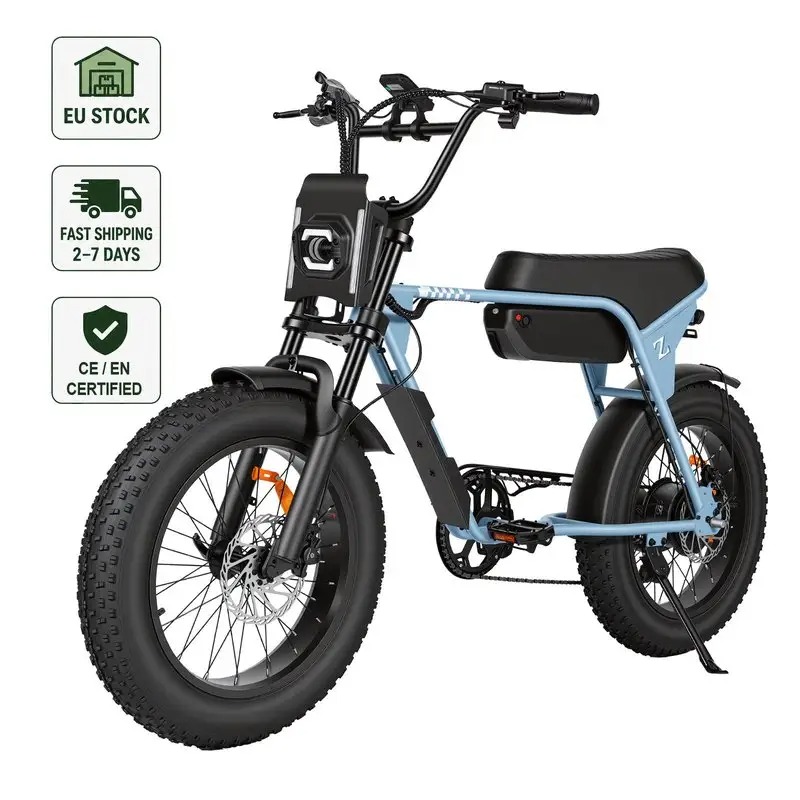
The drivetrain of an off road electric bike represents one of the most critical systems determining overall performance and longevity. Unlike traditional bicycles, electric drivetrains face unique stresses from motor torque, varied terrain, and demanding riding conditions. Understanding how an off road electric bike maintains drivetrain durability helps riders make informed purchasing decisions and implement proper maintenance strategies that extend component lifespan.
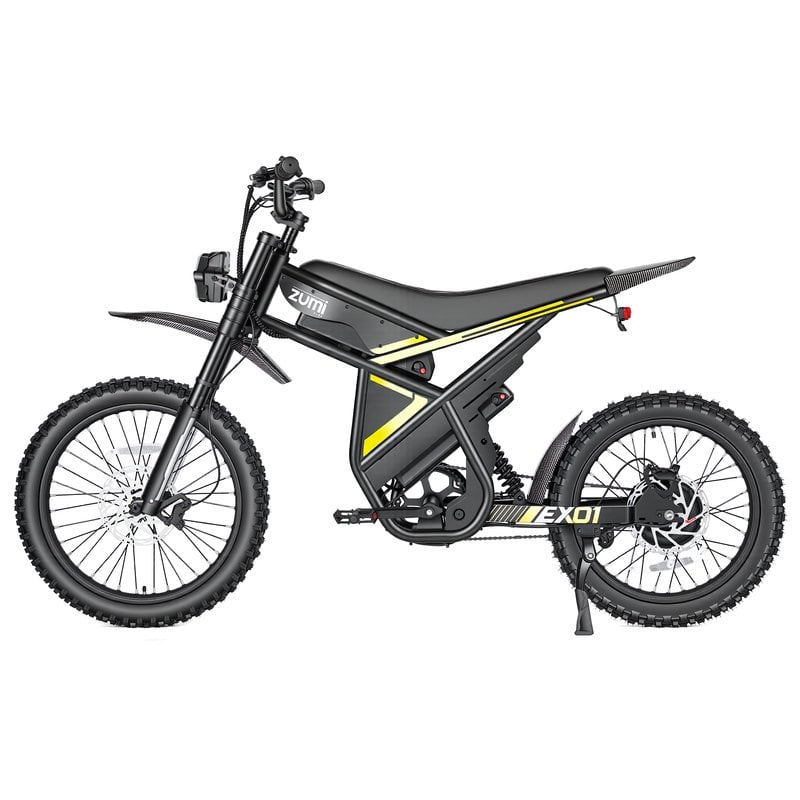
Drivetrain durability in ebikes off road environments depends on multiple factors including motor specifications, chain quality, gear materials, and environmental exposure. The fat tire off road electric bike segment particularly emphasizes robust drivetrain architecture because these vehicles operate on rocky terrain, sand, mud, and steep inclines that generate exceptional mechanical stress. Selecting electric off road mountain bike models with proven durability records ensures riders can confidently tackle challenging landscapes without premature component failure.
Electric motors deliver consistent torque throughout acceleration, creating different mechanical demands compared to human-powered bicycles. An off road electric bike equipped with high-wattage motors generates substantial rotational force that transmits through chains, cogs, and sprockets with intensity that far exceeds traditional pedaling force. Mid-drive motor configurations, commonly found in ebikes off road models, integrate directly into the crankset assembly, concentrating mechanical stress at the chainring and chain entry points. Choosing electric off road mountain bike systems with torque-rated drivetrains ensures components withstand repeated power cycles without stretching, skipping, or permanent deformation.
Durability begins with material selection for critical drivetrain components. Heavy-duty chains designed for electric bikes feature reinforced plates and thicker rollers compared to standard bicycle chains, providing superior fatigue resistance under constant motor-assisted conditions. A fat tire off road electric bike typically incorporates hardened steel sprockets with superior wear resistance, preventing tooth deformation after thousands of pedal rotations combined with motor assistance. Component manufacturers specifically engineer drivetrain systems for off road electric bikes for sale by selecting alloys, heat treatments, and manufacturing tolerances that accommodate higher torque loads than conventional bicycles require.
Off-road riding environments expose drivetrain components to mud, sand, water, and organic debris that accelerate wear and corrosion when left unaddressed. The best electric off road mountain bike designs incorporate sealed bearings, protective guards, and drainage channels that minimize contamination ingress into critical drivetrain zones. Riders maintaining ebikes off road must establish regular cleaning schedules that remove accumulated dirt without applying high-pressure water that forces contaminants deeper into sealed components. An off road electric bike represents a significant investment, making preventive maintenance routines essential for protecting drivetrain longevity across extended ownership periods.
Proper lubrication represents the cornerstone of drivetrain preservation in extreme conditions. Chains on fat tire off road electric bike models require regular application of specialized e-bike lubricants that resist water displacement and provide superior adhesion under high torque conditions. Different lubricant formulations suit various environmental exposures—dry-climate riders benefit from thin, dustless formulas that minimize particle attraction, while wet-climate riders require water-resistant options that maintain protective film despite frequent moisture exposure. Electric off road bikes for sale from reputable manufacturers typically include maintenance guidance specifying lubrication intervals and product recommendations tailored to their drivetrain architecture.
Understanding realistic component lifespan helps riders budget for inevitable replacements and avoid unexpected failures during critical rides. A well-maintained chain on an off road electric bike typically lasts 1,000 to 1,500 miles, though aggressive riding conditions can reduce this interval substantially. Sprockets and cogs on electric off road mountain bikes generally sustain 3,000 to 5,000 miles before exhibiting noticeable wear, while motor bearings and drive components often exceed 5,000 miles when properly lubricated and protected from contamination. Riders evaluating fat tire off road electric bike options should review manufacturer-published durability metrics and warranty terms covering drivetrain components, ensuring their purchase aligns with expected maintenance costs.
Strategic component replacement before catastrophic failure prevents mid-ride breakdowns and protects adjacent drivetrain systems from secondary damage. A stretched chain on ebikes off road causes premature sprocket wear and can damage cogs irreversibly if not replaced promptly. Experienced riders monitoring their electric off road bikes for sale for subtle performance changes—increased chain noise, hesitant acceleration, or occasional skipping—can schedule replacement during routine maintenance windows rather than facing emergency repairs during expeditions. off road electric bike systems benefit significantly from owners who track maintenance records and replace worn components proactively, extending overall drivetrain system lifespan and maintaining optimal performance.
Premature drivetrain wear results from insufficient maintenance, contamination exposure, improper lubrication, riding aggressive terrain regularly, and operating an off road electric bike with worn components that generate cascading damage. High torque motors accelerate wear significantly compared to traditional bicycles, making preventive maintenance particularly critical for ebikes off road that operate in challenging conditions.
Chain replacement frequency depends on riding intensity and environmental conditions, but most riders should inspect chains every 300 to 500 miles and replace them every 1,000 to 1,500 miles on their electric off road mountain bike. Riders in muddy or sandy environments may need more frequent replacements than those operating in dry conditions, making regular inspection essential for maintaining optimal drivetrain performance on ebikes off road.
Standard bicycle drivetrain components are not recommended for electric off road bikes because they lack the reinforcement necessary to withstand motor torque and the mechanical stresses of demanding terrain. Manufacturers specifically engineer fat tire off road electric bike drivetrains with heavy-duty chains, reinforced sprockets, and protected bearings that handle the unique demands of motorized off-road riding safely and reliably.
2026/08/03
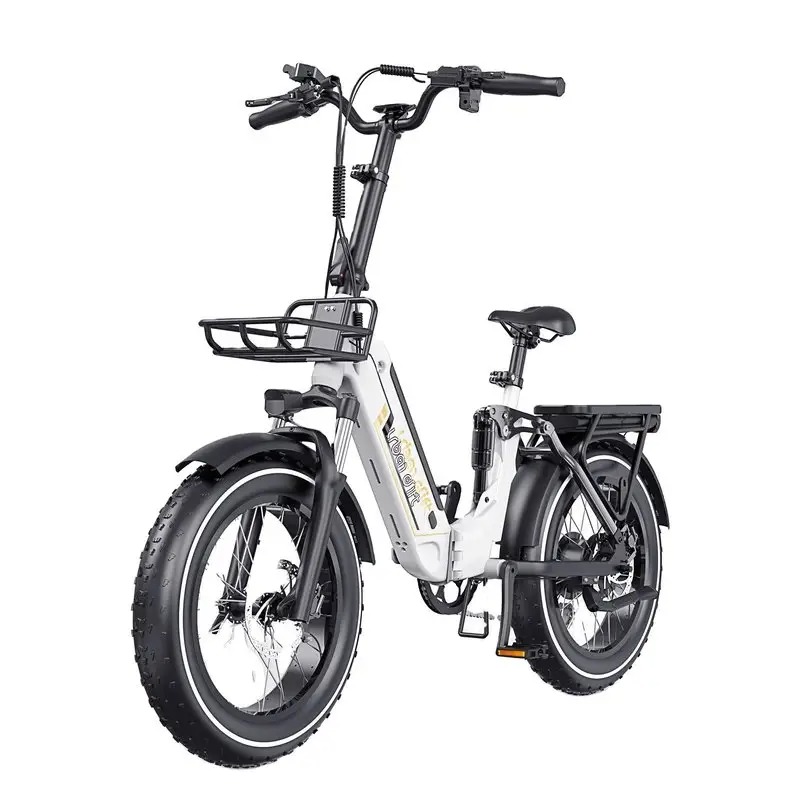
Fix time zones, language gaps, and unclear protocols—boost speed, cut costs, and scale confidently.
2026/08/03
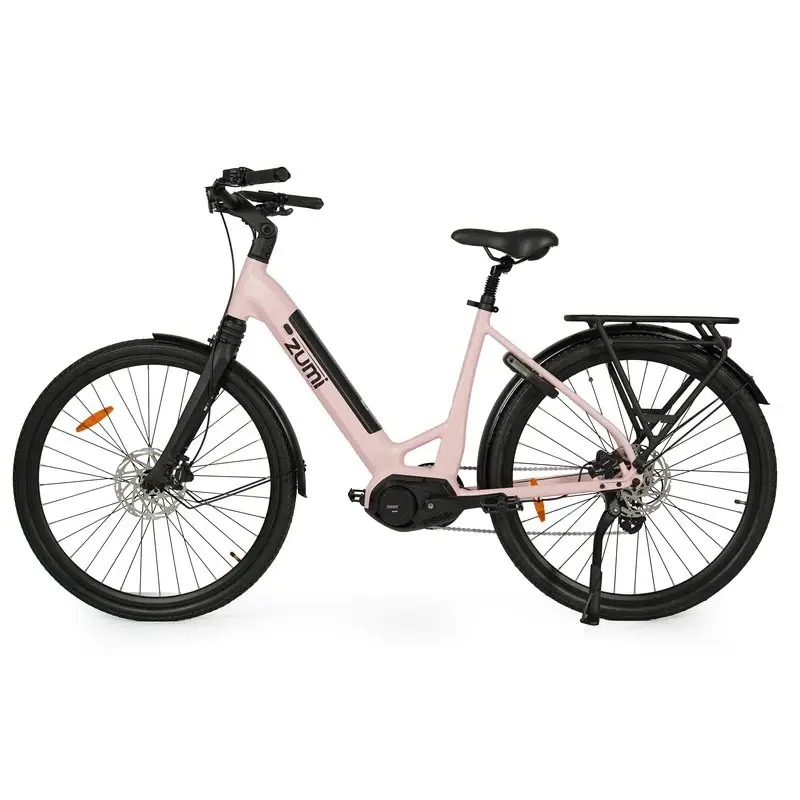
Avoid liability & import bans: Learn IEC 62619, UN 38.3, and UL 2271—plus how to verify real compliance (not fakes).
2026/08/03
Learn precise air pressure, rebound & compression tuning for optimal suspension performance. Get pro-level setup tips now.
2026/08/03
Discover how voltage drop saps performance—and proven fixes to restore responsiveness, range, and battery life. Read now.
2026/08/03
Discover data-backed protocols, smart infrastructure & operational fixes. Optimize now.
2026/08/03
How payload cuts 48V cargo ebike range by 15–50%+ — backed by real-world degradation curves, motor load science & fleet optimization strategies.
Comprehensive warranty, fast parts shipping, remote diagnostics and local dealer training


