 EN
EN
STEP 1
Full vehicle warranty for 2 years
2026/08/10
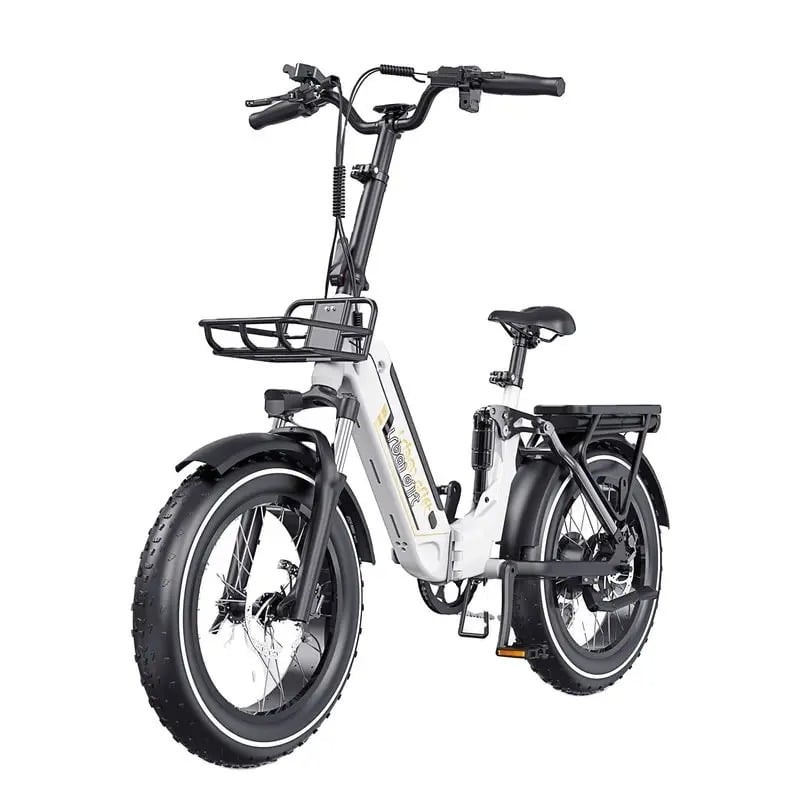
Understanding drivetrain wear rates on a 48v 1500w ebike is critical for riders who demand reliability and performance. The drivetrain system bears tremendous stress in high-powered electric bikes, particularly when riders push the motor to its limits on challenging terrain. Wear rates directly affect shifting smoothness, acceleration response, and overall riding efficiency, making this knowledge essential for maintenance planning and total cost of ownership calculations.
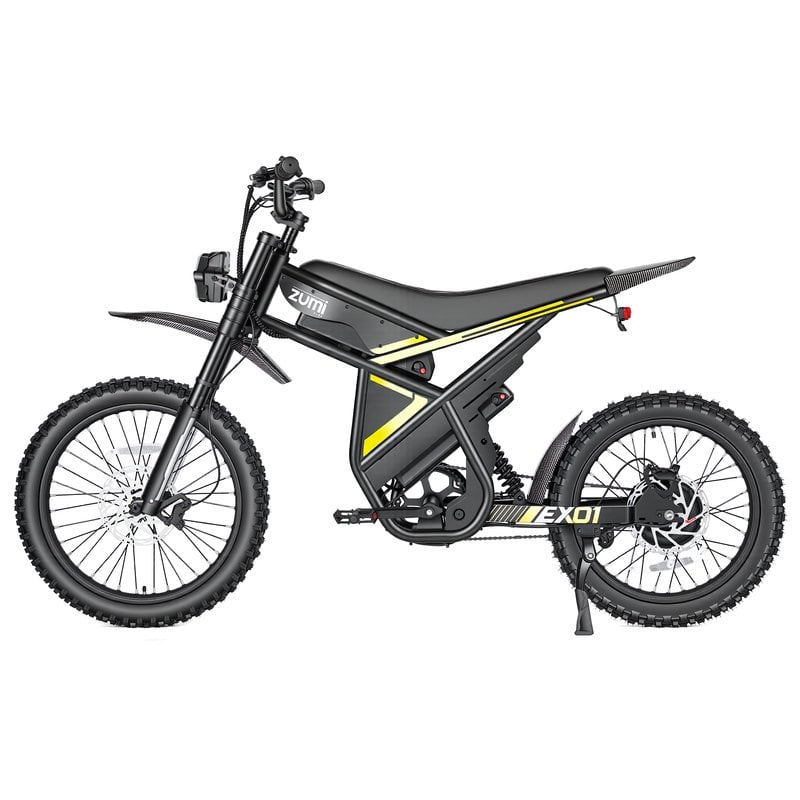
A 1500w ebike produces substantially more torque than conventional bicycles, accelerating wear patterns across chains, cassettes, and derailleurs. On an electric mountain bike with this power level, drivetrain components experience continuous load that far exceeds typical pedal-powered use. Understanding these wear dynamics helps riders make informed decisions about component selection, service intervals, and riding techniques that can extend drivetrain lifespan significantly.
The 1500w motor on these high-performance ebikes delivers peak torque that forces drivetrain components to work harder than traditional pedal power alone. When a 48v ebike system engages at full throttle, chains and sprockets face instantaneous torque spikes that create micro-slippage and fatigue. This constant stress accelerates wear compared to non-powered bicycles, requiring component upgrades and more frequent service schedules.
Chain wear on a 1500w ebike typically doubles or triples compared to standard bicycles because the motor bypasses natural pedal cadence limitations. The sprocket teeth experience uneven loading patterns as the motor applies rotational force regardless of rider input, creating accelerated tooth degradation. A 48v ebike at full power output generates wear scenarios that mechanical components were never designed to handle, making metallurgical quality and material selection crucial for longevity.
Cassette wear accelerates dramatically on electric mountain bikes where consistent high torque is available on demand. Each sprocket tooth engagement with the chain causes surface contact stress that compounds with every pedal revolution or throttle engagement. On a 1500w ebike, the largest sprockets in the cassette wear fastest because they handle the lowest gear ratios where motor torque peaks during climbing or acceleration.
Chainring wear patterns differ significantly on a 48v ebike compared to mechanical bicycles because motor engagement creates perfectly uniform load distribution. Chainrings on high-power electric systems show wear across all teeth evenly rather than in clusters, which means replacement becomes necessary sooner. The combination of high torque and consistent engagement creates accelerated material loss that shortens component intervals substantially.
Regular inspection of drivetrain components on a 1500w ebike should occur every 200 to 300 miles rather than traditional cycling intervals. Chain wear indicators become critical on electric mountain bikes because replacement timing directly impacts safety and component lifespan. Dirt and debris accumulation accelerates wear, so frequent cleaning prevents secondary damage to cassettes and chainrings that would otherwise require premature replacement.
For a 48v ebike operating at high power levels, chain stretching should be measured monthly using dedicated chain wear tools. Worn chains slip under high torque conditions, causing cascading damage to cassettes and chainrings that multiplies repair costs. Preventive chain replacement before critical wear prevents catastrophic drivetrain failure during rides and protects expensive downstream components.
Chains on a 1500w ebike require replacement typically every 500 to 800 miles, compared to 1,500 to 2,000 miles on standard bicycles. A 48v ebike system accelerates this interval significantly, particularly when riders use throttle mode frequently or climb steep terrain regularly. Cassettes on electric mountain bikes may last 1,000 to 1,500 miles before tooth damage necessitates replacement, depending on riding style and maintenance discipline.
Chainrings typically survive longer than cassettes on a 1500w ebike but still require replacement more frequently than on mechanical bikes. Monitoring for skipping, sluggish shifting, and visible tooth damage helps riders replace components preemptively before secondary failures occur. Planning drivetrain overhauls every two years for heavy riders provides cost-effective maintenance without emergency breakdown situations.
Smooth throttle engagement on a 48v ebike extends drivetrain lifespan significantly compared to abrupt full-power acceleration. Gradual power application allows components to engage smoothly, reducing the peak torque spikes that cause micro-damage. Electric mountain bike riders who modulate power delivery experience dramatically longer intervals between drivetrain maintenance and replacement cycles.
A 1500w ebike responds immediately to throttle input, which makes rider discipline crucial for component longevity. Limiting sustained full-power operation to necessary situations rather than continuous high-torque riding extends overall drivetrain health. Pedal-assisted mode on a 48v ebike distributes motor engagement more gradually than throttle-only operation, creating smoother torque application that reduces component wear.
Proper gear selection on a 1500w ebike requires riders to match motor torque output with mechanical advantage from the cassette. Using higher gears at lower motor power settings preserves drivetrain components better than constantly operating in low gears at maximum throttle. Electric mountain bike riders who shift to appropriate gears before engaging heavy throttle reduce instantaneous torque spikes that degrade chains and sprockets.
A 48v ebike system benefits from riders maintaining moderate cadences rather than forcing the motor to drag low-cadence loads. Higher cadences at lower torque levels reduce material contact stress on drivetrain components. Understanding the relationship between gear selection, motor power, and mechanical stress empowers riders to extend drivetrain longevity through intentional riding technique.
Chains on a 1500w ebike typically require replacement every 500 to 800 miles, while cassettes may last 1,000 to 1,500 miles depending on riding intensity and maintenance. A 48v ebike experiences accelerated wear compared to standard bicycles because constant motor torque stress exceeds component design specifications. Regular inspection and preventive replacement before critical wear prevents secondary damage to expensive components and maintains shifting performance.
Standard components are not recommended for high-performance electric mountain bikes because motor torque exceeds their design parameters. A 1500w ebike generates substantially higher loads than mechanical bicycles, requiring heavy-duty chains, reinforced cassettes, and uprated chainrings. Using appropriate ebike-rated components ensures reliability and extends component lifespan significantly compared to standard bicycle parts.
Smooth throttle control, gradual power application, and proper gear selection dramatically reduce wear rates on a 1500w ebike drivetrain. Using pedal-assist mode rather than constant throttle engagement distributes torque more evenly across components. Electric mountain bike riders who match motor power output with appropriate gearing and maintain higher cadences experience substantially longer intervals between drivetrain maintenance and replacement cycles.
2026/08/03
Fix time zones, language gaps, and unclear protocols—boost speed, cut costs, and scale confidently.
2026/08/03
Avoid liability & import bans: Learn IEC 62619, UN 38.3, and UL 2271—plus how to verify real compliance (not fakes).
2026/08/03
Learn precise air pressure, rebound & compression tuning for optimal suspension performance. Get pro-level setup tips now.
2026/08/03
Discover how voltage drop saps performance—and proven fixes to restore responsiveness, range, and battery life. Read now.
2026/08/03
Discover data-backed protocols, smart infrastructure & operational fixes. Optimize now.
2026/08/03
How payload cuts 48V cargo ebike range by 15–50%+ — backed by real-world degradation curves, motor load science & fleet optimization strategies.
Comprehensive warranty, fast parts shipping, remote diagnostics and local dealer training


