 EN
EN
STEP 1
Full vehicle warranty for 2 years
2026/08/17
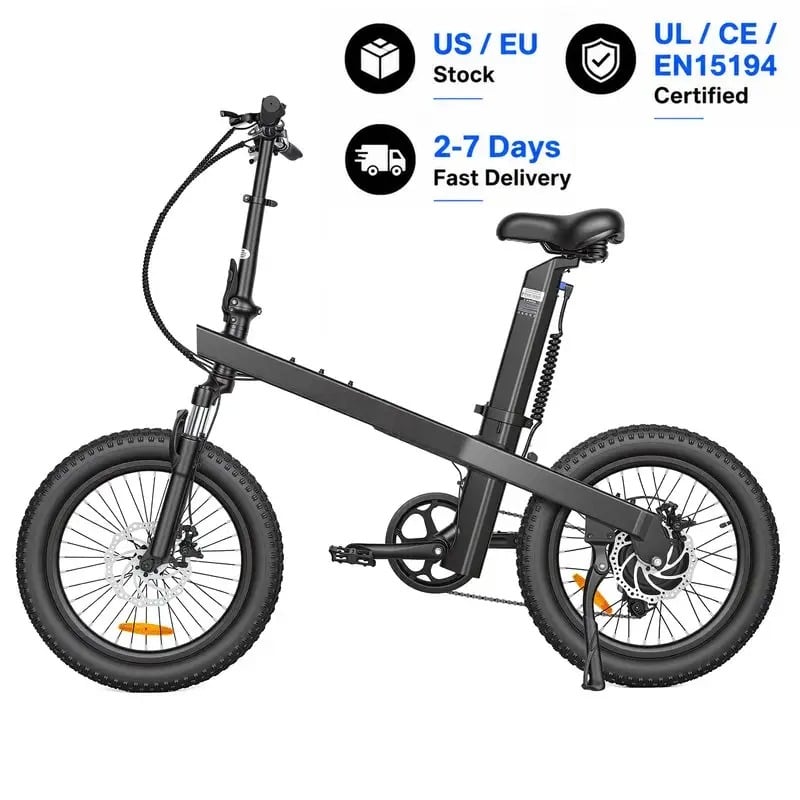
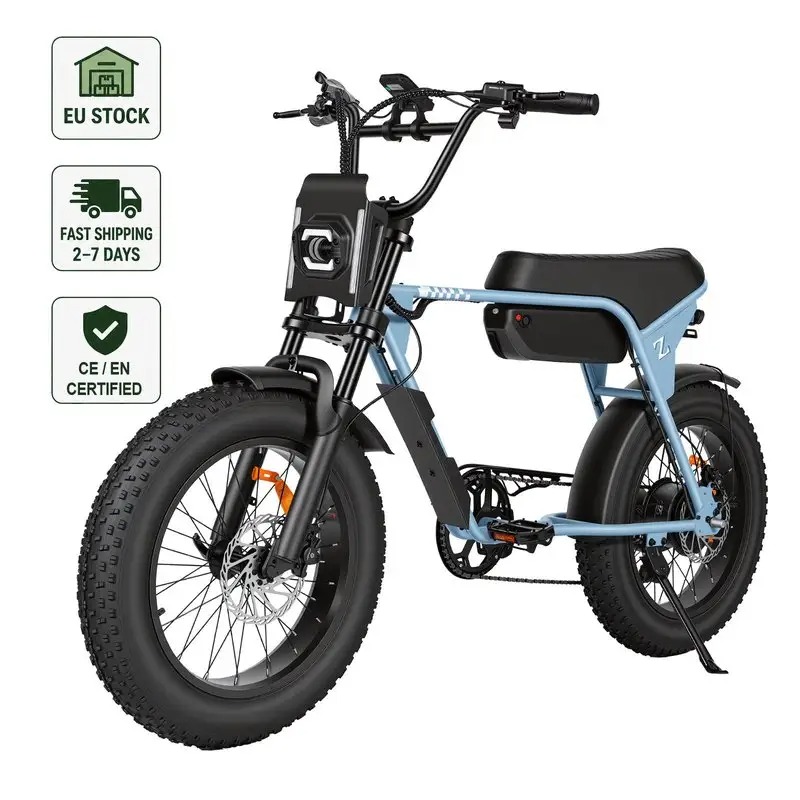
Operating a successful electric cargo bike fleet requires strategic decisions around power management and vehicle availability. Dual battery systems have emerged as a transformative approach for businesses seeking to maximize delivery capacity while minimizing operational complexity. By equipping vehicles with two removable battery units, fleet operators can extend range significantly, reduce charging downtime, and maintain consistent service coverage throughout extended work shifts.
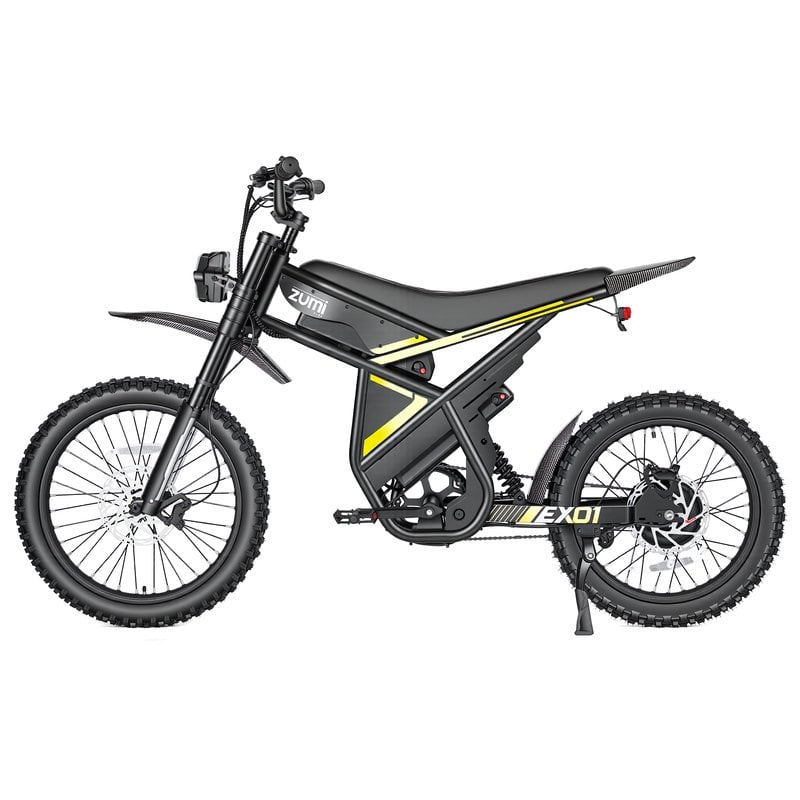
Fleet managers face mounting pressure to improve delivery efficiency while controlling operating expenses. A long tail electric cargo bike equipped with dual batteries addresses both concerns simultaneously. The flexibility of swappable battery systems allows fleet vehicles to continue operating while backup units charge, eliminating the downtime penalties that plague single-battery deployments. This strategy proves particularly valuable in urban logistics environments where continuous vehicle availability directly impacts revenue and customer satisfaction.
Single-battery electric cargo bikes often require lengthy charging sessions between shifts, creating operational bottlenecks for fleet operators. Dual battery configurations fundamentally change this dynamic by enabling continuous operations without vehicle downtime. When the primary battery depletes, operators can swap in a fully charged unit and continue deliveries immediately. This capability transforms the compact electric cargo bike from a niche delivery tool into a reliable fleet workhorse capable of completing full-day routes regardless of terrain or load weight. Fleet managers can deploy fewer vehicles while maintaining service commitments.
Fleets utilizing dual battery systems on fat tire cargo ebike models report significant improvements in daily coverage and cargo volume. Vehicles equipped with two batteries can operate continuously throughout eight-hour shifts, covering distances that would require mid-shift charging with single-battery systems. This extended operational window directly translates to increased deliveries per vehicle, improved customer response times, and better asset utilization ratios. Fleet operators can also respond more effectively to demand fluctuations without purchasing additional vehicles.
Acquiring a wholesale electric cargo bike fleet requires substantial capital investment. Dual battery systems optimize this expenditure by allowing operators to deploy fewer vehicles while maintaining delivery volume. Rather than purchasing additional units to compensate for single-battery downtime, fleet managers invest in supplementary battery packs that cost significantly less than complete vehicles. This economic model improves return on investment and accelerates payback timelines. Moreover, wholesale electric cargo bike procurement becomes more cost-effective when vendors offer battery-flexible platforms designed for multi-unit configurations.
Dual battery systems distribute power demands across multiple units, potentially extending overall system lifespan. Individual batteries experience lower cumulative stress when workload is shared, reducing degradation rates and extending service life. Fleet managers can stagger battery replacement cycles, avoiding simultaneous failures that create availability gaps. Additionally, batteries experiencing accelerated wear can be individually replaced without disrupting the entire vehicle. This modular approach to battery management significantly reduces total cost of ownership compared to vehicles reliant on single integrated battery systems.
Implementing dual battery systems requires thoughtful planning of charging infrastructure and battery rotation protocols. Fleet depots benefit from dedicated charging stations capable of simultaneously processing multiple battery units. This centralized charging approach ensures that backup batteries are always ready for deployment when vehicles return. Operators can implement simple battery swap procedures where drivers exchange depleted units for fully charged alternatives within minutes. Unlike whole-vehicle charging, this system minimizes idle time and maximizes utilization rates. A long tail electric cargo bike fleet can maintain consistent daily schedules even during peak demand periods.
Staff training on battery swap procedures ensures safe and efficient fleet operations. Operators must understand proper battery installation, security mechanisms, and charging protocols. Clear documentation and supervised practice sessions prepare drivers to manage dual battery systems confidently. Fleet supervisors can monitor battery health metrics through vehicle diagnostic systems, identifying maintenance needs before they impact deliveries. This proactive approach prevents unexpected equipment failures and maintains fleet reliability. Proper training transforms battery management into routine operational procedure rather than a complex technical challenge.
The logistics industry increasingly recognizes the value proposition of fat tire cargo ebike models equipped with advanced battery systems. These vehicles combine rugged construction with dual battery capability, making them suitable for demanding delivery environments. Urban last-mile delivery operators specifically seek compact electric cargo bike solutions that handle varying terrain and weather conditions without sacrificing range or payload capacity. Vendors responding to this demand are prioritizing modular battery designs that enable flexible configurations across their product lines.
Wholesale electric cargo bike suppliers are increasingly emphasizing dual battery compatibility as a core fleet solution rather than an optional upgrade. Large-scale fleet purchases often include complementary battery packs and charging infrastructure as bundled offerings. This trend reflects recognition that range anxiety and charging logistics are primary adoption barriers for fleet operators. By providing comprehensive dual battery solutions, vendors differentiate their offerings and build long-term customer relationships. Fleet managers benefit from standardized, scalable systems that reduce complexity in managing diverse vehicle types.
Dual battery systems can theoretically double the operational range of an electric cargo bike, though actual performance depends on terrain, load weight, and riding conditions. For compact electric cargo bike models, this translates to extending coverage from approximately 30-50 miles per battery to 60-100 miles total with dual units. Fleet operators experience more consistent daily mileage and fewer delivery route disruptions. The practical benefit extends beyond range to include improved schedule predictability and reduced vehicle downtime.
Dual battery systems require attention to individual unit health, charging protocols, and rotational schedules to maximize lifespan. Fleet managers should implement monitoring procedures that track battery age, charge cycles, and performance metrics for each unit. Fat tire cargo ebike models should undergo regular inspections of battery connections, security mechanisms, and electrical systems. Establishing preventive maintenance schedules prevents catastrophic failures and extends the operational life of battery packs. Most quality dual battery systems require minimal maintenance beyond standard charging procedures.
Many long tail electric cargo bike manufacturers now design platforms specifically compatible with dual battery configurations. Fat tire cargo ebike models particularly benefit from dual battery systems due to their heavy-duty construction and commercial focus. Wholesale electric cargo bike suppliers increasingly offer standardized battery mounting solutions that enable customers to scale battery capacity based on specific operational requirements. Fleet managers should verify compatibility when selecting vehicles and confirm that vendors provide battery management documentation for their specific models.
2026/08/03
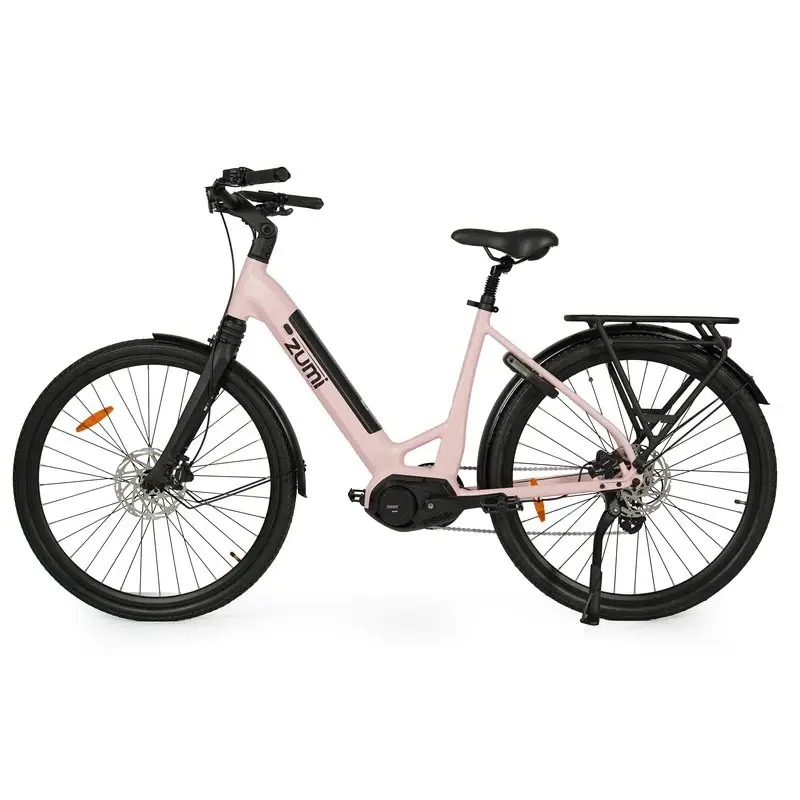
Fix time zones, language gaps, and unclear protocols—boost speed, cut costs, and scale confidently.
2026/08/03
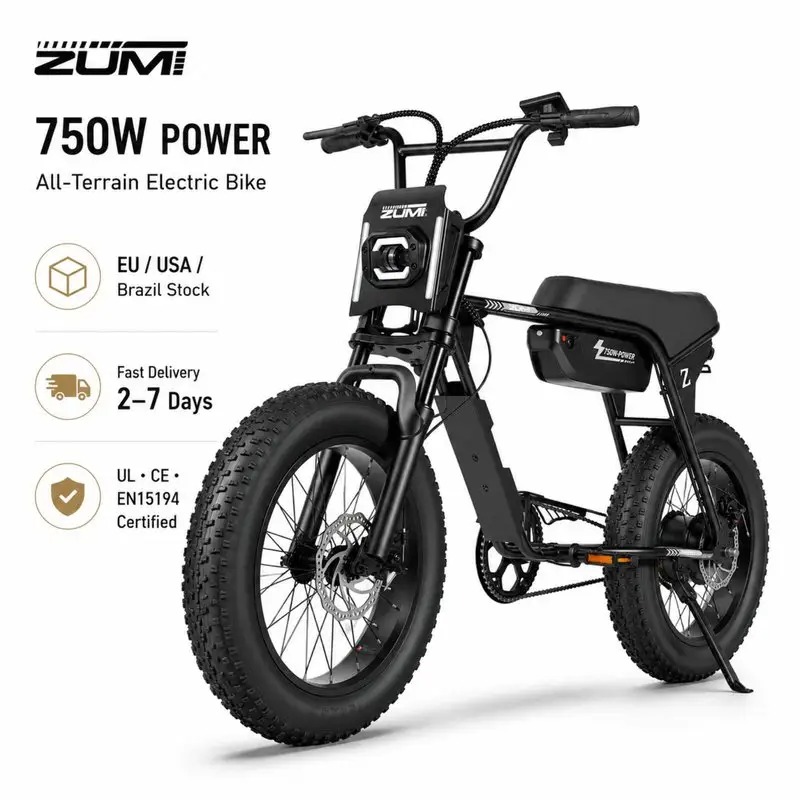
Avoid liability & import bans: Learn IEC 62619, UN 38.3, and UL 2271—plus how to verify real compliance (not fakes).
2026/08/03
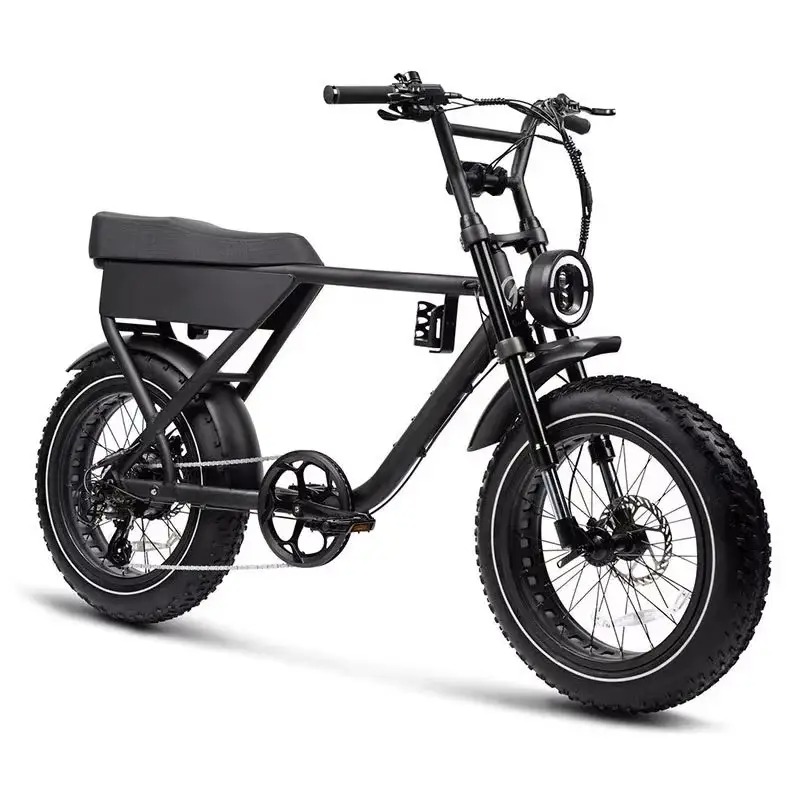
Learn precise air pressure, rebound & compression tuning for optimal suspension performance. Get pro-level setup tips now.
2026/08/03
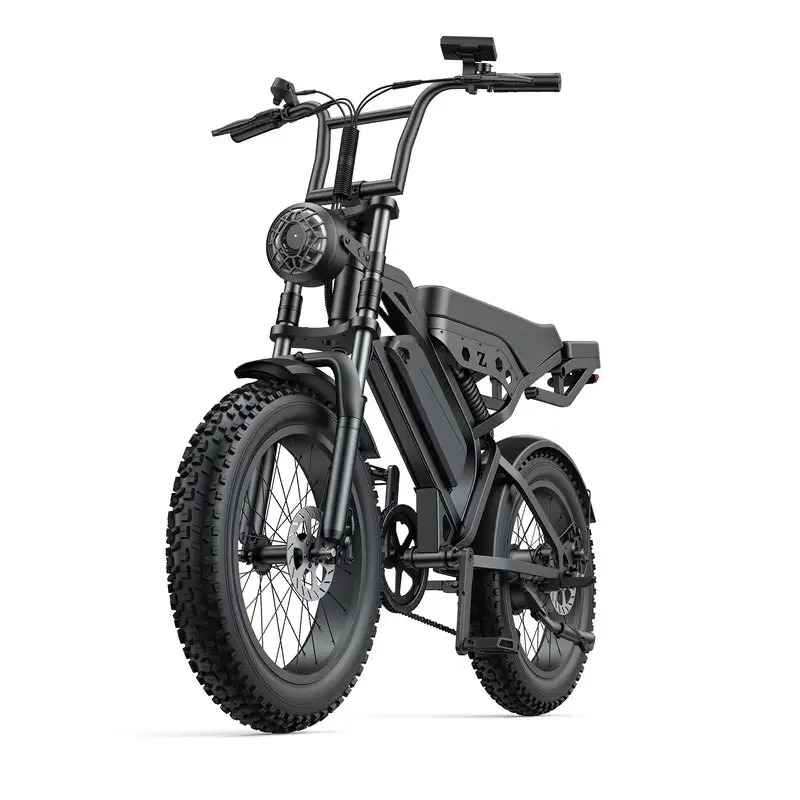
Discover how voltage drop saps performance—and proven fixes to restore responsiveness, range, and battery life. Read now.
2026/08/03
Discover data-backed protocols, smart infrastructure & operational fixes. Optimize now.
2026/08/03
How payload cuts 48V cargo ebike range by 15–50%+ — backed by real-world degradation curves, motor load science & fleet optimization strategies.
Comprehensive warranty, fast parts shipping, remote diagnostics and local dealer training


