 EN
EN
STEP 1
Full vehicle warranty for 2 years
2026/09/03
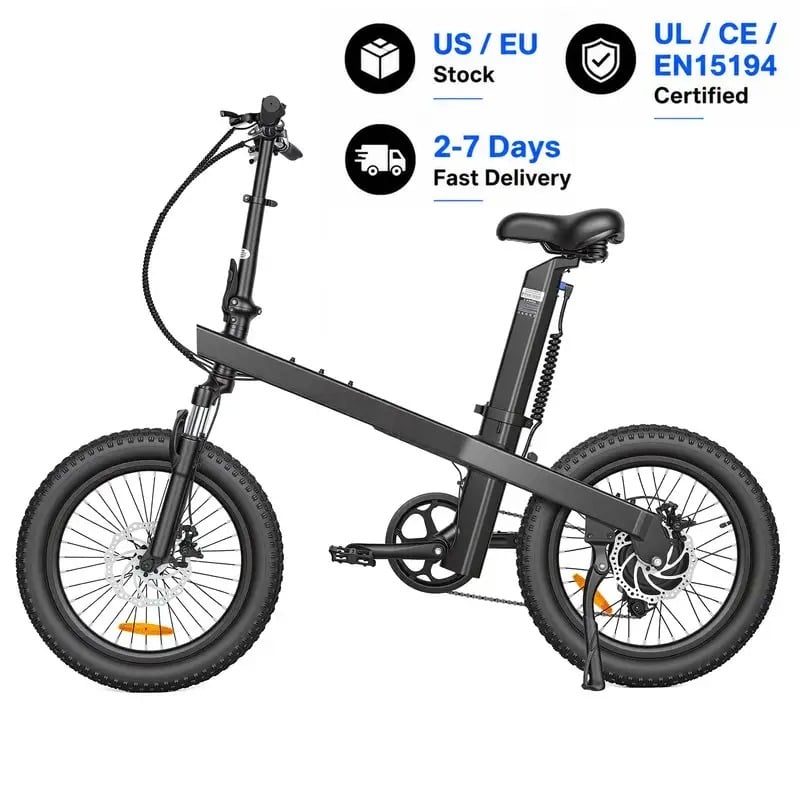
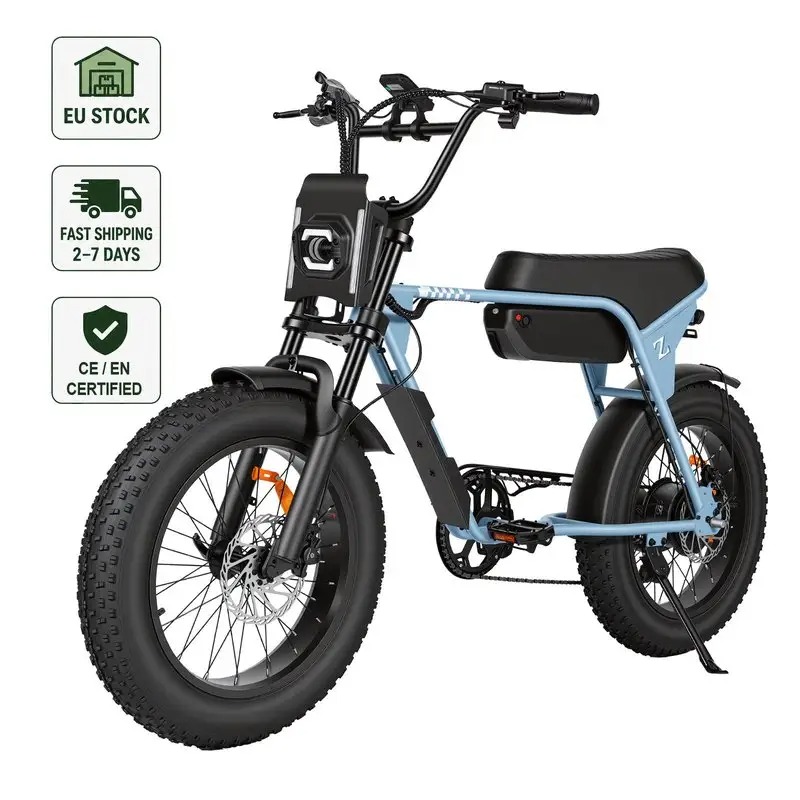
European electric bicycle regulations have become increasingly important for manufacturers and riders alike. Understanding EN15194 compliance standards is essential when selecting a 250w ebike for daily commuting or urban travel. This European standard establishes the technical and safety requirements that all electric bicycles must meet before entering the market. The EN15194 directive ensures that 250w ebikes deliver reliable performance while maintaining rider safety and environmental responsibility across Europe.
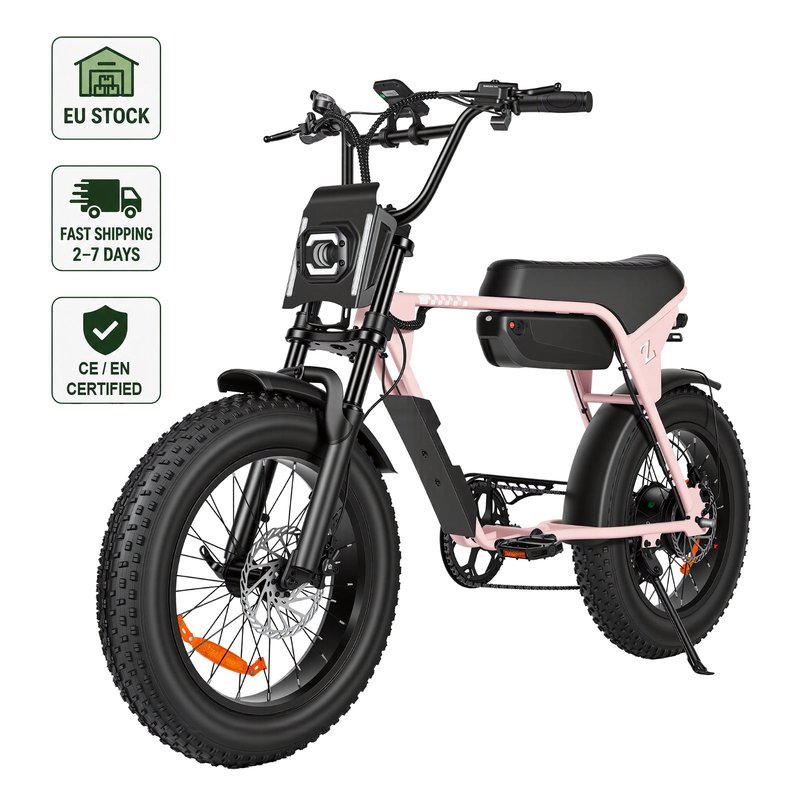
A commuter ebike that complies with EN15194 provides peace of mind for daily urban riders. These standards exist to protect both individual users and the broader public on city streets. Compliance certification demonstrates that a 250w ebike has undergone rigorous testing for electrical safety, mechanical strength, and system reliability. When shopping for a city ebike, verifying EN15194 compliance ensures you're purchasing equipment that meets established European safety benchmarks and legal requirements.
EN15194 is the harmonised European standard for electrically power-assisted cycles. This standard specifies technical requirements, safety protocols, and performance specifications that all 250w ebikes must satisfy. The directive applies to two-wheeled cycles equipped with an electric motor rated at maximum 250w. For a commuter ebike or city ebike manufacturer, compliance means documenting motor power output, conducting electrical safety tests, and proving structural integrity under defined load conditions.
The standard addresses multiple critical areas including motor design, battery safety, and brake performance. It establishes limits on motor power delivery to ensure that 250w ebikes remain classified as bicycles rather than mopeds or motorcycles in European traffic law. This classification distinction is crucial because it determines where the vehicles can be ridden, what licensing or registration may be required, and which infrastructure rules apply. A properly compliant 250w ebike can use bicycle lanes and paths, making the city ebike ideal for urban commuting.
EN15194 compliance requires comprehensive testing of 250w ebike systems. Electrical safety testing must verify that the motor, battery, and control systems present no electrical hazards to riders or bystanders. Mechanical testing confirms that frames, forks, and components can withstand the stresses introduced by motor-assisted pedaling. Battery tests ensure that lithium cells and charging systems meet strict thermal and electrical safety criteria. For a commuter ebike intended for regular daily use, these rigorous protocols provide assurance that components will perform reliably over extended service life.
The standard also mandates performance documentation for motor power delivery and system efficiency. Manufacturers must provide technical specifications clearly stating that the 250w ebikes comply with maximum power output limits and speed cutoff requirements. Testing includes validation that motor assistance ceases when pedaling stops and that the city ebike meets braking force standards appropriate for assisted cycling. Documentation must trace component sourcing, manufacturing processes, and quality control measures used during production.
Purchasing a compliant 250w ebike ensures legal operation across European Union member states and affiliated regions. An EN15194-certified commuter ebike can navigate public cycling infrastructure without restriction, including dedicated bicycle lanes, cycle tracks, and shared-use paths. This legal classification advantage makes the city ebike significantly more practical for daily urban commuting than non-compliant alternatives. Riders avoid potential conflicts with enforcement authorities and benefit from full access to cycling networks designed to protect vulnerable road users.
Insurance and liability considerations also favor compliant equipment. Many insurance providers require proof of EN15194 compliance before extending coverage to 250w ebike owners. In accident scenarios, demonstrating compliance strengthens liability positions and may influence claim outcomes. A commuter ebike that meets established safety standards represents lower risk to insurers and can result in more favorable coverage terms. For urban riders who depend on their city ebike for regular transportation, compliance provides legal and financial security that justifies equipment investment.
EN15194 compliance directly translates to improved safety performance for city ebike riders in congested urban environments. The standard's brake testing requirements ensure that 250w ebikes can decelerate safely even when motor assistance is active. Motor power limitations prevent sudden acceleration that could destabilize less experienced riders or cause loss of control in tight traffic. A properly compliant commuter ebike delivers smooth, predictable assistance that integrates naturally with the rider's pedaling effort and cycling technique.
Battery safety represents another critical advantage of compliance certification. EN15194 testing verifies that lithium battery systems in 250w ebikes will not overheat, catch fire, or release hazardous materials under normal use or minor damage scenarios. This protection proves especially valuable for riders who park their city ebike indoors or in residential areas. The standard's charging system requirements ensure that components won't degrade prematurely or fail unexpectedly, maintaining consistent range and performance throughout the commuter ebike's operational lifetime. Compliance certification essentially guarantees that the battery system has been engineered and manufactured to survive real-world daily usage patterns.
Prospective 250w ebike buyers should request compliance documentation before finalizing purchases. Legitimate manufacturers provide Declaration of Conformity certificates, technical specification sheets, and evidence of third-party testing for compliant equipment. For a commuter ebike or city ebike, this documentation should clearly state motor power rating, battery specifications, and testing laboratory information. Manufacturers should identify which notified body conducted the assessment and confirm that the equipment meets essential requirements outlined in the directive.
Verification typically involves checking the product label, manual, and online registration databases where available. The 250w ebike should display CE marking indicating compliance and should include technical details matching the supplied Declaration of Conformity. Retailers and manufacturers of reputable commuter ebike and city ebike models maintain transparent records accessible to customers. When documentation is difficult to obtain or appears incomplete, this signals potential compliance issues and suggests looking for alternative vendors who can provide full certification evidence before purchase.
While EN15194 provides the primary European standard, individual nations may impose additional requirements affecting 250w ebike approval. Some regions require national registration or type-approval beyond EU-level certification. Commuter ebike users traveling internationally should verify that their city ebike meets requirements in each destination country. Motor power limits, speed assistance cutoffs, and equipment specifications may vary by jurisdiction, potentially affecting whether a 250w ebike remains legal in specific locations. Before traveling with a compliant ebike, confirming local regulations ensures uninterrupted access to cycling infrastructure and avoids regulatory complications.
Manufacturers serving multiple European markets must often exceed minimum EN15194 requirements to achieve compliance across all relevant jurisdictions. This harmonisation effort benefits commuter ebike and city ebike users by ensuring consistency and preventing equipment from becoming non-compliant due to regional variations. When selecting a 250w ebike, considering a model engineered to broader standards than your immediate location requires provides flexibility for future travel and relocation. This approach also supports equipment longevity and resale value, as compliant equipment maintains legal status across wider geographic areas.
EN15194 compliance guarantees that a 250w ebike has passed electrical safety testing, mechanical durability assessments, and performance verification protocols established by European standardisation authorities. It confirms that motor power does not exceed 250w, that battery systems will not fail dangerously under normal use, and that braking systems function adequately for assisted cycling. Compliance does not guarantee the longest lifespan or premium components, but rather that the commuter ebike meets minimum safety and performance thresholds recognised across European Union member states. For city ebike riders, this certification provides assurance that essential systems have been independently verified and documented.
Riding a non-compliant 250w ebike in Europe creates legal and practical risks despite potentially acceptable performance. Without EN15194 certification, your commuter ebike or city ebike may be classified as a moped or motorised vehicle rather than a bicycle, requiring registration, licensing, and insurance. Access to dedicated cycling infrastructure may be restricted or prohibited, and enforcement action could result in fines or confiscation. Additionally, insurance may not cover incidents involving non-compliant equipment. Selecting an EN15194-certified 250w ebike ensures legal operation and provides important legal protection in accident situations.
EN15194 compliance involves testing costs, documentation expenses, and manufacturing controls that increase the final price of a 250w ebike slightly compared to non-certified alternatives. A compliant commuter ebike or city ebike typically costs more due to these validation and quality assurance requirements. However, this additional investment provides significant value through legal certainty, insurance compatibility, and assurance that the 250w ebike meets established safety standards. Over the equipment's lifetime, the cost of compliance represents minimal additional expense relative to the extended usability, resale value preservation, and risk mitigation that certification provides to city ebike owners.
2026/08/03
Fix time zones, language gaps, and unclear protocols—boost speed, cut costs, and scale confidently.
2026/08/03
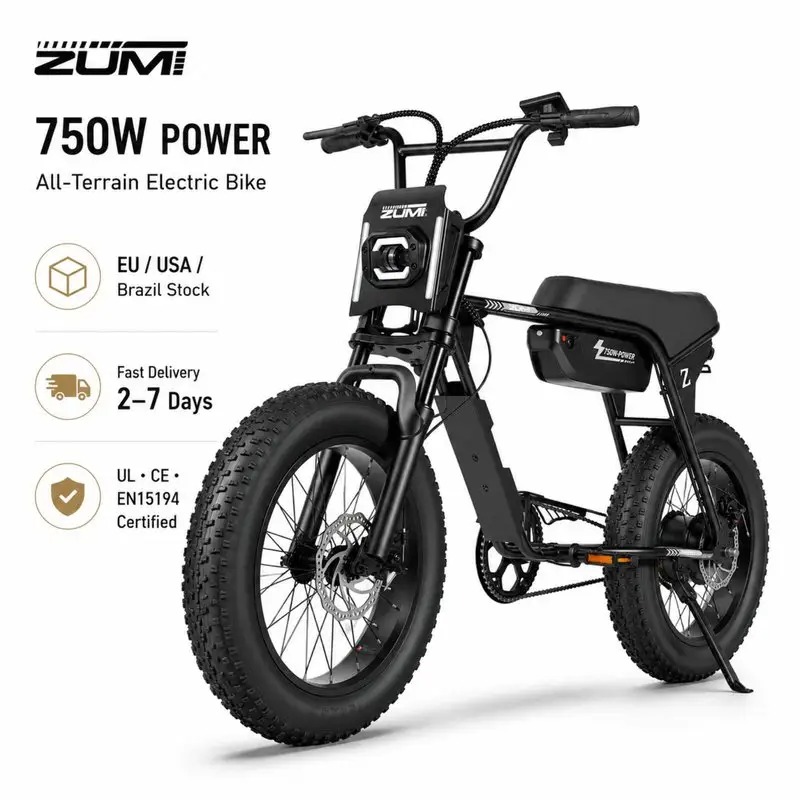
Avoid liability & import bans: Learn IEC 62619, UN 38.3, and UL 2271—plus how to verify real compliance (not fakes).
2026/08/03
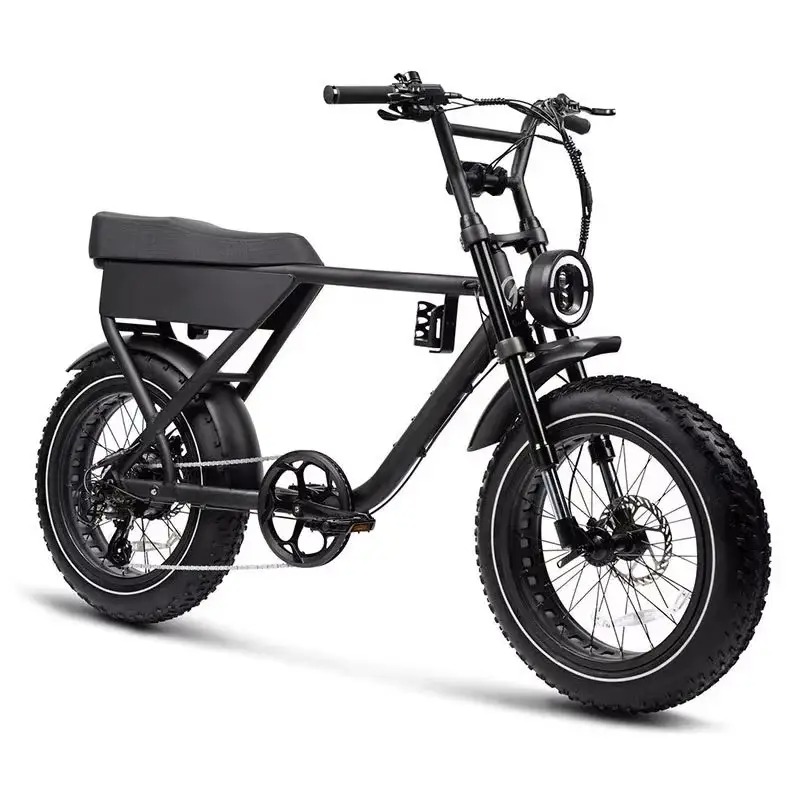
Learn precise air pressure, rebound & compression tuning for optimal suspension performance. Get pro-level setup tips now.
2026/08/03
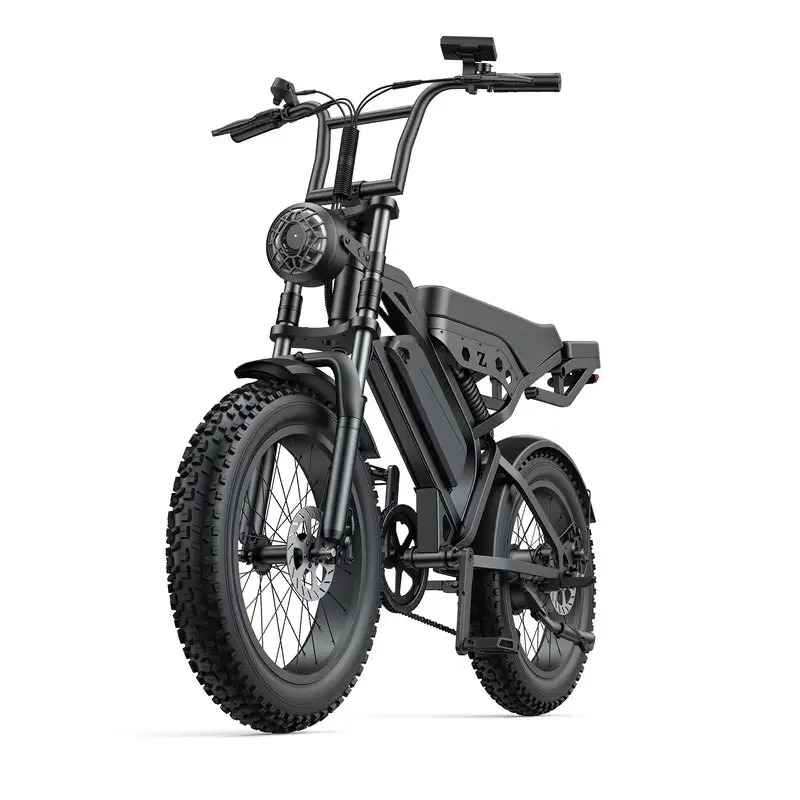
Discover how voltage drop saps performance—and proven fixes to restore responsiveness, range, and battery life. Read now.
2026/08/03
Discover data-backed protocols, smart infrastructure & operational fixes. Optimize now.
2026/08/03
How payload cuts 48V cargo ebike range by 15–50%+ — backed by real-world degradation curves, motor load science & fleet optimization strategies.
Comprehensive warranty, fast parts shipping, remote diagnostics and local dealer training


