 EN
EN
STEP 1
Full vehicle warranty for 2 years
2026/08/07
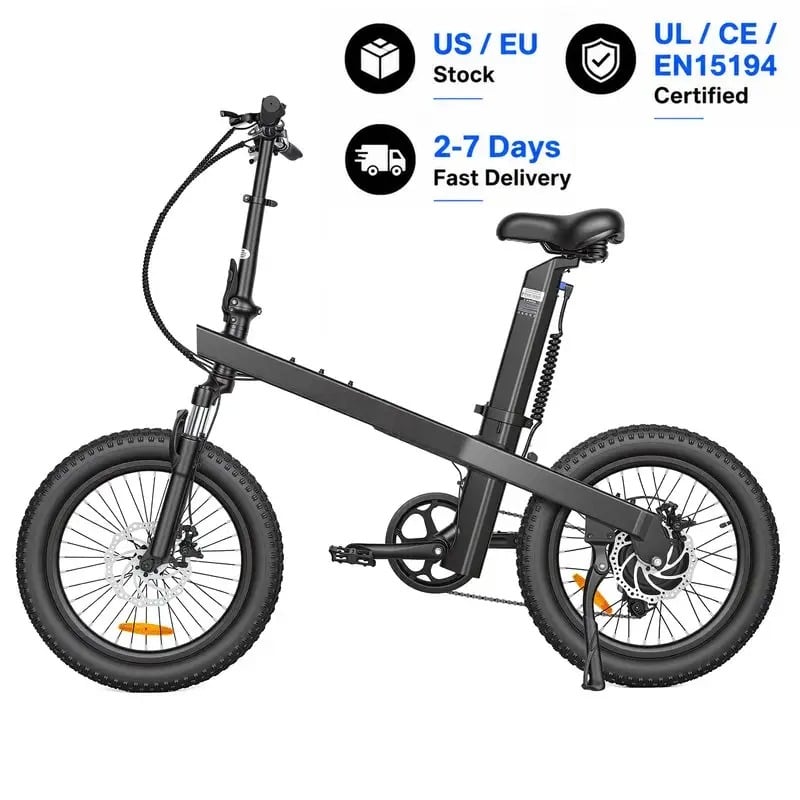
Purchasing wholesale electric bikes for sale represents a significant capital investment for retailers, distributors, and fleet operators. The upfront costs associated with bulk orders can strain cash flow, making it essential to understand the diverse financing mechanisms available in the market. Whether you operate a small boutique bike shop or manage a large distribution network, securing the right financing structure can determine your ability to scale operations and meet customer demand effectively.
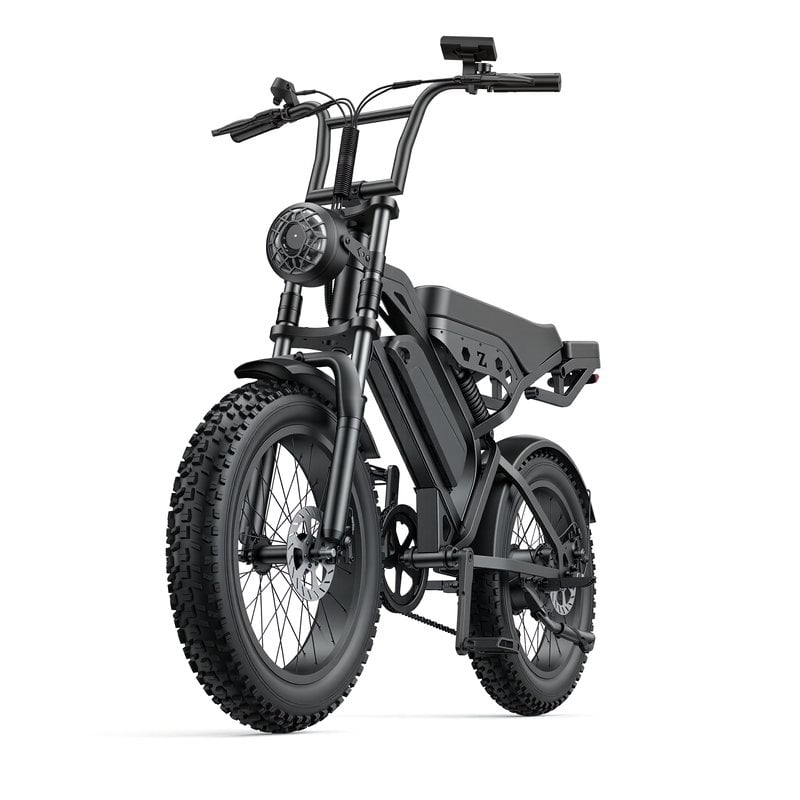
The electric bike industry has experienced rapid growth over the past decade, driven by environmental consciousness and technological innovation. For businesses looking to purchase ebike wholesale quantities, the financing landscape has evolved considerably. Traditional bank loans, manufacturer-backed programs, supply chain finance solutions, and alternative funding models now provide multiple pathways to acquire inventory without depleting working capital reserves.
Commercial lines of credit offer flexibility for businesses purchasing electric bike wholesale products. These revolving credit facilities allow buyers to draw funds as needed, paying interest only on amounts used. Banks typically evaluate creditworthiness, business history, and cash flow projections before approving lines of credit. For established retailers and distributors, this financing approach provides ongoing capital access without rigid repayment schedules tied to specific inventory purchases.
Term loans provide lump-sum capital for wholesale electric bikes inventory acquisition. The loan amount, interest rate, and repayment timeline are fixed at origination, offering predictability for business planning. Equipment financing structures specifically tie loan terms to the equipment's useful life, which suits ebike wholesale transactions well. Lenders may require personal guarantees, collateral, or business assets as security, depending on loan amount and borrower profile.
Many electric bike manufacturers offer direct financing or deferred payment arrangements to qualified wholesale buyers. These programs incentivize bulk purchases by allowing resellers to take delivery of inventory while extending payment terms. Some suppliers provide net-30, net-60, or net-90 payment structures, effectively granting interest-free financing periods. This manufacturer-direct approach often includes volume discounts on electric bike wholesale orders, reducing per-unit costs and improving profit margins.
Consignment models allow retailers to receive wholesale electric bikes inventory without immediate payment. Buyers only pay for units sold to end customers, transforming inventory risk from the retailer to the manufacturer. While consignment typically involves lower margins than outright wholesale purchases, it eliminates upfront capital requirements entirely. This financing model works best for new market entry or testing demand for specific ebike wholesale product lines.
Supply chain finance platforms connect wholesale electric bikes buyers with financial institutions that purchase invoices before payment is due. This approach accelerates cash flow for suppliers while extending payment terms for buyers. Factoring companies may also advance funds against received inventory, enabling rapid scaling of electric bike wholesale operations. These services typically charge fees based on transaction volume and credit risk, making them cost-effective for high-velocity businesses.
Emerging companies in the e-mobility sector may access venture debt or specialized growth capital programs designed for distribution-intensive businesses. These financing sources understand the working capital demands of ebike wholesale operations and offer structures aligned with business growth trajectories. Venture debt providers may accept lower collateral requirements in exchange for equity warrants or higher interest rates, providing capital for inventory expansion without restrictive traditional banking requirements.
Yes, small retailers can access multiple financing channels including microloans, small business administration loans, and manufacturer programs specifically designed for independent shops. Community development financial institutions also offer specialized lending to retail businesses in underserved markets. The key is demonstrating business viability, customer demand for electric bike wholesale products, and realistic financial projections to prospective lenders.
Calculate the total cost of capital for each option by comparing interest rates, fees, payment terms, and any volume discounts offered. Consider the impact on working capital timing, including how quickly you must repay funds versus how quickly you expect to sell inventory. Include non-financial factors such as approval speed, flexibility, and supplier relationship implications when evaluating wholesale electric bikes financing solutions.
2026/08/03
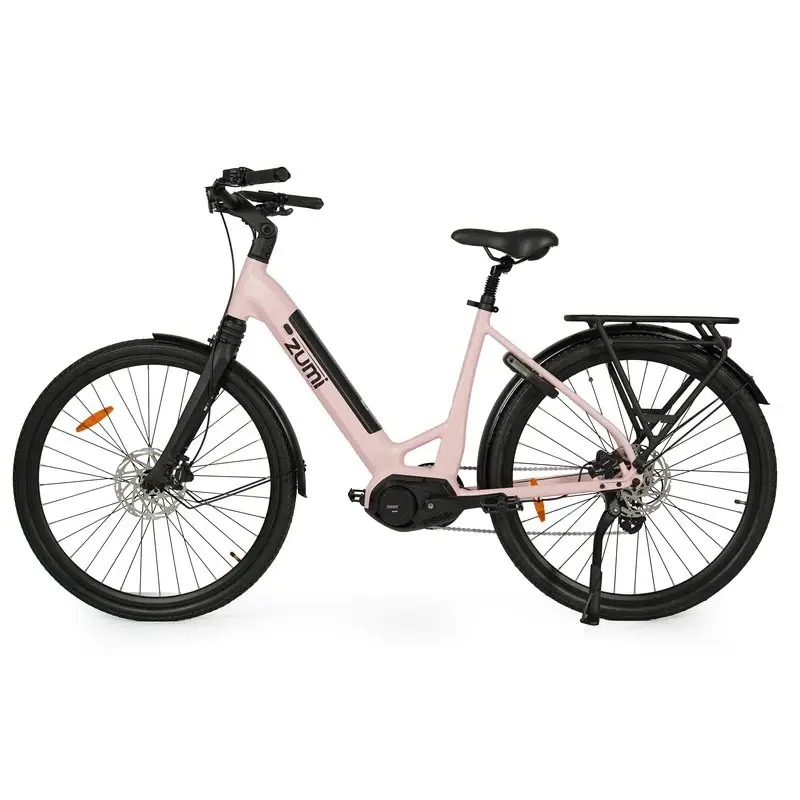
Fix time zones, language gaps, and unclear protocols—boost speed, cut costs, and scale confidently.
2026/08/03
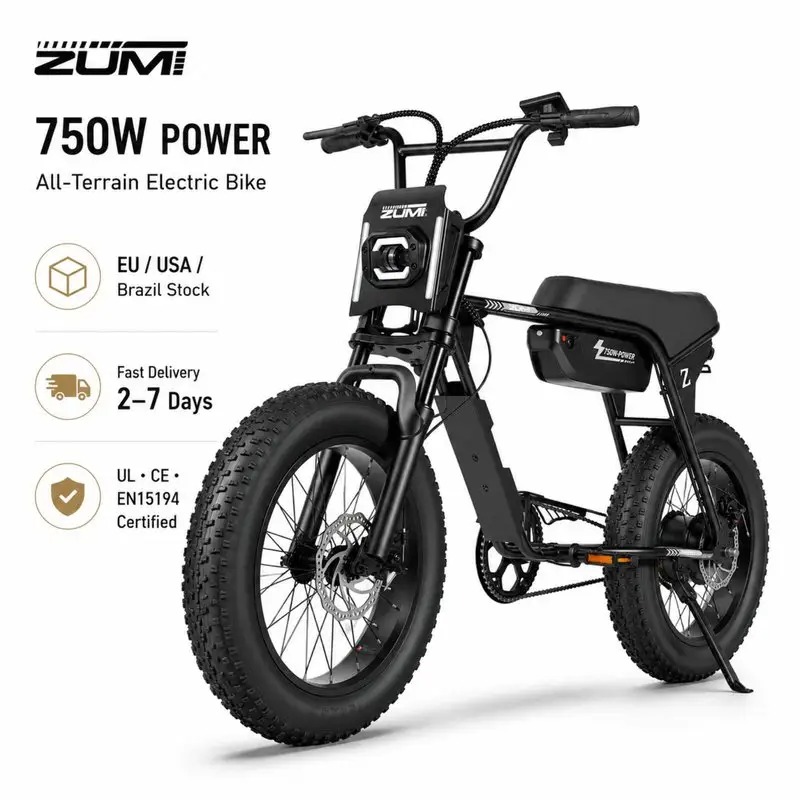
Avoid liability & import bans: Learn IEC 62619, UN 38.3, and UL 2271—plus how to verify real compliance (not fakes).
2026/08/03
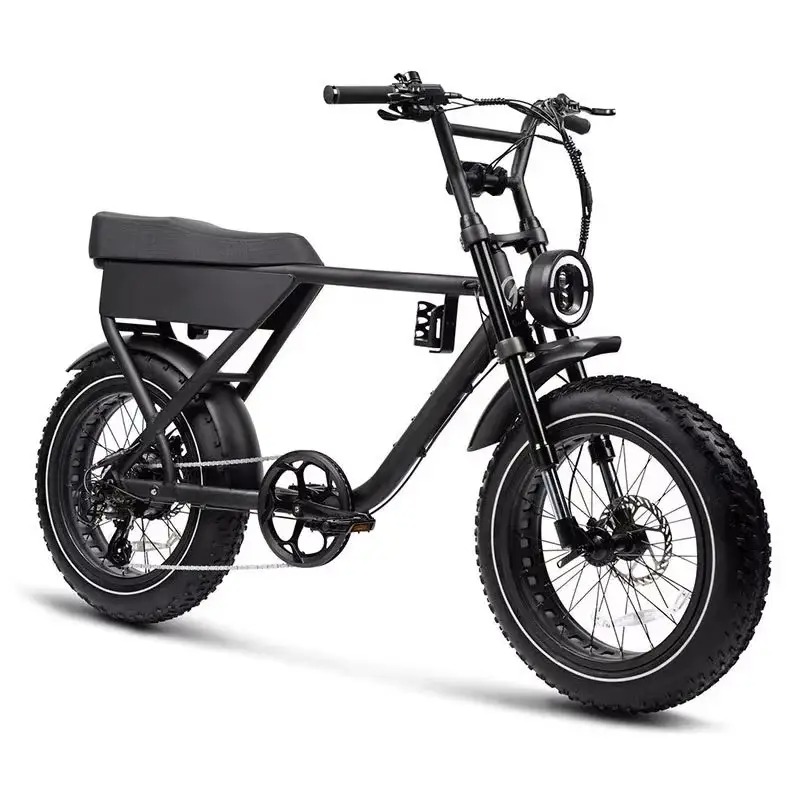
Learn precise air pressure, rebound & compression tuning for optimal suspension performance. Get pro-level setup tips now.
2026/08/03
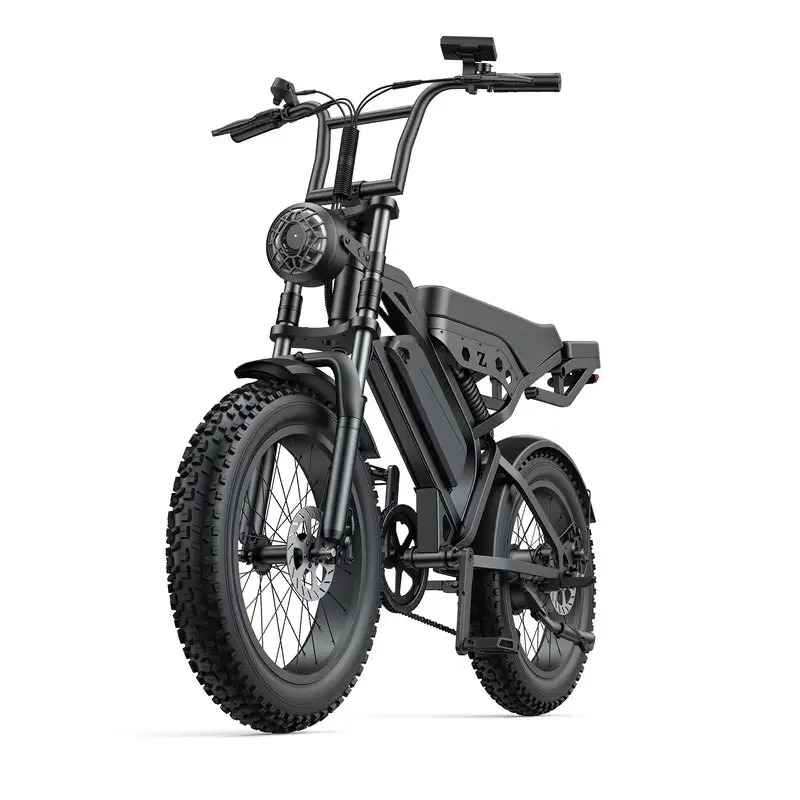
Discover how voltage drop saps performance—and proven fixes to restore responsiveness, range, and battery life. Read now.
2026/08/03
Discover data-backed protocols, smart infrastructure & operational fixes. Optimize now.
2026/08/03
How payload cuts 48V cargo ebike range by 15–50%+ — backed by real-world degradation curves, motor load science & fleet optimization strategies.
Comprehensive warranty, fast parts shipping, remote diagnostics and local dealer training


