 EN
EN
STEP 1
Full vehicle warranty for 2 years
2026/08/19
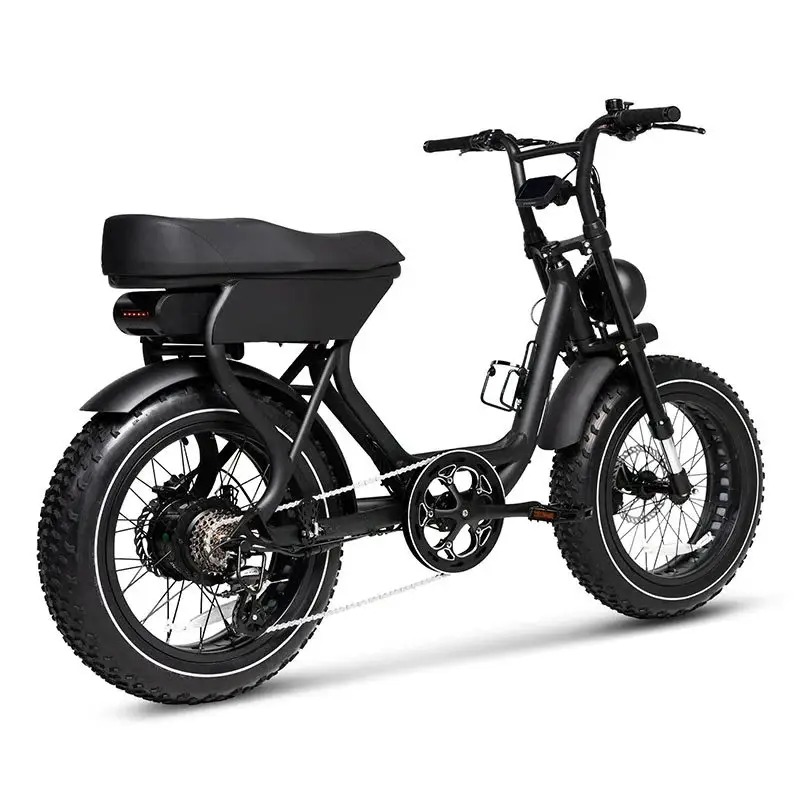
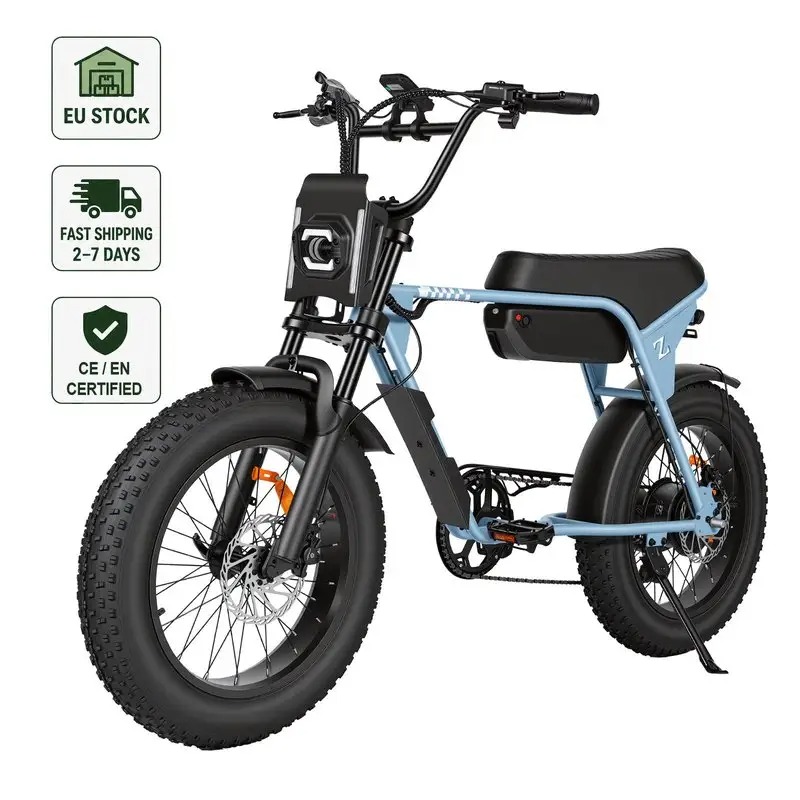
When riding a high-performance 1500w electric bike, fork stanchion rigidity is one of the most critical factors determining how the machine handles, absorbs impact, and delivers consistent control at higher speeds. Stanchion rigidity refers to the structural integrity and resistance to flex in the front suspension fork's main tubes, which directly affects steering response, braking stability, and overall ride confidence. For riders pushing a 1500w ebike to its performance limits, understanding this mechanical principle becomes essential to maximizing safety and enjoyment.
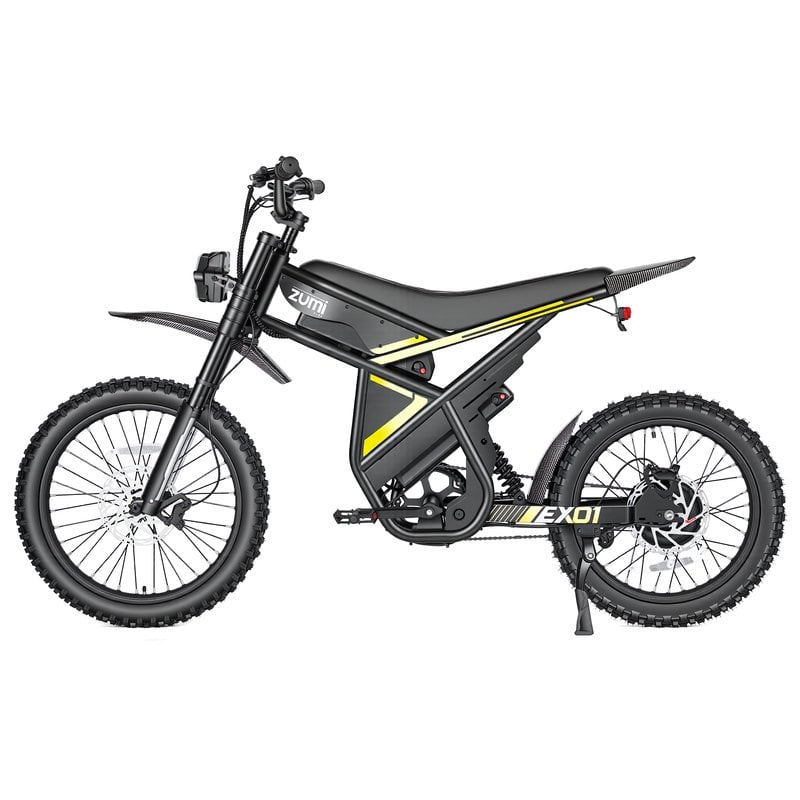
A rigid fork on a 1500w ebike maintains its geometry under dynamic load conditions, meaning the stanchions resist unwanted flex that could compromise alignment or create unresponsive steering. When fork stanchions flex excessively, the wheel does not track precisely where the rider intends, introducing uncertainty in cornering and reducing braking effectiveness. For riders exploring 1500w electric mountain bikes on challenging terrain, this precision directly impacts whether you maintain control during rapid descents, tight turns, or emergency maneuvers.
Fork stanchion rigidity depends primarily on two design parameters: tube diameter and wall thickness. Larger diameter stanchions create greater resistance to bending forces because the material sits farther from the neutral bending axis, following basic engineering principles of moment of inertia. A fat tire electric bike 1500w typically employs wider stanchion diameters, often 36mm to 40mm, compared to road-oriented designs. Thicker walls increase material mass and rigidity but add weight, requiring engineers to balance stiffness with the total bike mass that the motor and battery already amplify on a 1500w watt ebike.
High-end 1500w ebikes use aluminum alloy stanchions, often 6061-T6 or 7075-T6 grades, which offer excellent stiffness-to-weight ratios. The quality of the extrusion and post-processing directly influences final rigidity; poorly produced stanchions may have internal voids or uneven wall thickness that reduce effective stiffness. Precision machining of the stanchion bore, where internal damping rods slide, must maintain tight tolerances to prevent lateral play that mimics flex. For 1500 watt ebike manufacturers, sourcing and inspection processes ensure that each fork meets minimum rigidity targets before assembly.
Stiffer stanchions translate to more immediate and predictable steering inputs on your 1500w ebikes. When you turn the handlebars, a rigid fork transfers the torque directly to the wheel without delay or vagueness caused by stanchion deflection. Riders of 1500w electric mountain bikes report that superior fork stanchion rigidity eliminates the 'mushy' feeling that occurs when forks lack adequate stiffness. Cornering at speed becomes more intuitive because the bike holds its intended line with minimal correction, reducing fatigue and improving safety on technical terrain or high-speed roads.
During braking, forces push forward through the fork crown and down through the stanchions, creating bending moments that a rigid fork resists. A 1500 watt ebike typically weighs between 60 and 80 pounds, so combined with rider mass, braking forces are substantial. If stanchions flex under braking, the fork geometry changes slightly, reducing braking power transmission and potentially causing the wheel to track sideways. Fat tire electric bike 1500w designs benefit enormously from robust stanchion construction because the heavier bike and higher power demand even greater suspension precision during rapid deceleration or emergency stops.
Fork stanchion rigidity can degrade over time if the suspension lacks proper maintenance. Dirt and moisture entering the damper reduce smooth operation, and oxidation on stanchion surfaces increases friction and wear. Riders of 1500w ebikes should regularly clean the fork exterior and check for visible dents or bends that compromise stiffness. Most suspension forks on quality 1500w electric mountain bikes have serviceable dampers that should be inspected annually, especially if you ride aggressively or in wet conditions. Maintaining the original rigidity preserves the performance envelope the manufacturer engineered into your 1500w watt ebike.
Not every rider requires maximum stanchion stiffness; the optimal choice depends on terrain and personal preference. Aggressive trail riders on 1500w ebikes typically prefer stiffer forks for responsiveness and precision, while casual commuters may tolerate slightly less rigidity in exchange for smoother, more compliant rides. A fat tire electric bike 1500w used primarily on rough gravel or mud benefits from adjustable suspension that allows tuning fork stiffness characteristics. Understanding your own riding demands helps you evaluate whether a particular 1500 watt ebike fork meets your needs or requires upgrades or modifications.
A 1500w electric bike weighs significantly more than acoustic bikes, and the motor power enables higher speeds and faster acceleration. These conditions create larger inertial forces during cornering, braking, and impact absorption. A stiffer fork resists the increased bending forces, maintaining predictable geometry and control that lighter bikes can achieve with more compliant designs. On a 1500w ebike, stanchion rigidity becomes a safety factor, not merely a performance luxury.
Yes, many 1500w ebikes use standard fork interfaces that accept aftermarket suspension units with superior stanchion construction. When selecting an upgrade, ensure the new fork matches your steerer tube diameter, travel length, and brake mount type. Upgrading to a stiffer fork on your 1500w electric mountain bike can noticeably improve handling and braking confidence, though cost and compatibility should be verified before purchase. Professional installation is recommended to ensure proper setup and damper tuning for your specific riding style.
Test your fork by applying firm pressure at the wheel during tight cornering or hard braking on a safe surface. If steering feels vague, mushy, or delayed, insufficient stanchion rigidity may be the cause. Compare your 1500w electric bike handling to similar models or take the bike to a suspension specialist for objective assessment. Most quality 1500w ebikes are engineered with adequate fork rigidity, but ride quality varies by manufacturer and model. Consulting your specific 1500w ebikes' technical specifications or manual can confirm whether the fork meets industry performance benchmarks.
2026/08/03
Fix time zones, language gaps, and unclear protocols—boost speed, cut costs, and scale confidently.
2026/08/03
Avoid liability & import bans: Learn IEC 62619, UN 38.3, and UL 2271—plus how to verify real compliance (not fakes).
2026/08/03
Learn precise air pressure, rebound & compression tuning for optimal suspension performance. Get pro-level setup tips now.
2026/08/03
Discover how voltage drop saps performance—and proven fixes to restore responsiveness, range, and battery life. Read now.
2026/08/03
Discover data-backed protocols, smart infrastructure & operational fixes. Optimize now.
2026/08/03
How payload cuts 48V cargo ebike range by 15–50%+ — backed by real-world degradation curves, motor load science & fleet optimization strategies.
Comprehensive warranty, fast parts shipping, remote diagnostics and local dealer training


