 EN
EN
STEP 1
Full vehicle warranty for 2 years
2026/08/21
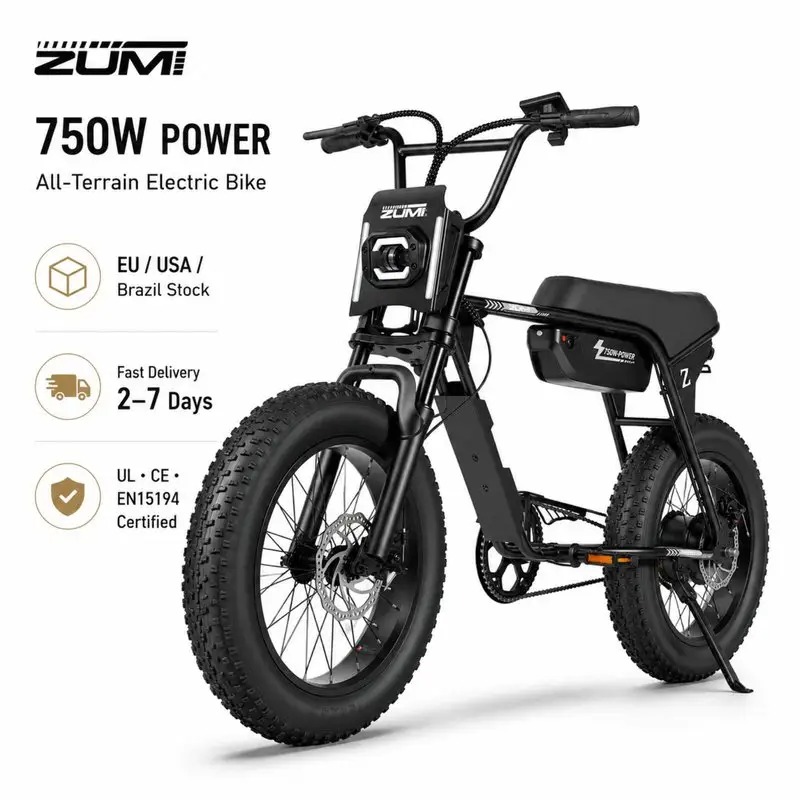
The frame is the backbone of any electric fat tire bike, and the material used directly affects performance, durability, cost, and rider experience. An electric fat tire bike built with the right frame material can handle extreme terrain, support heavy loads, and last for years. Understanding the differences between steel, aluminum, and carbon fiber frames is essential for anyone considering an adult fat tire electric bike investment.
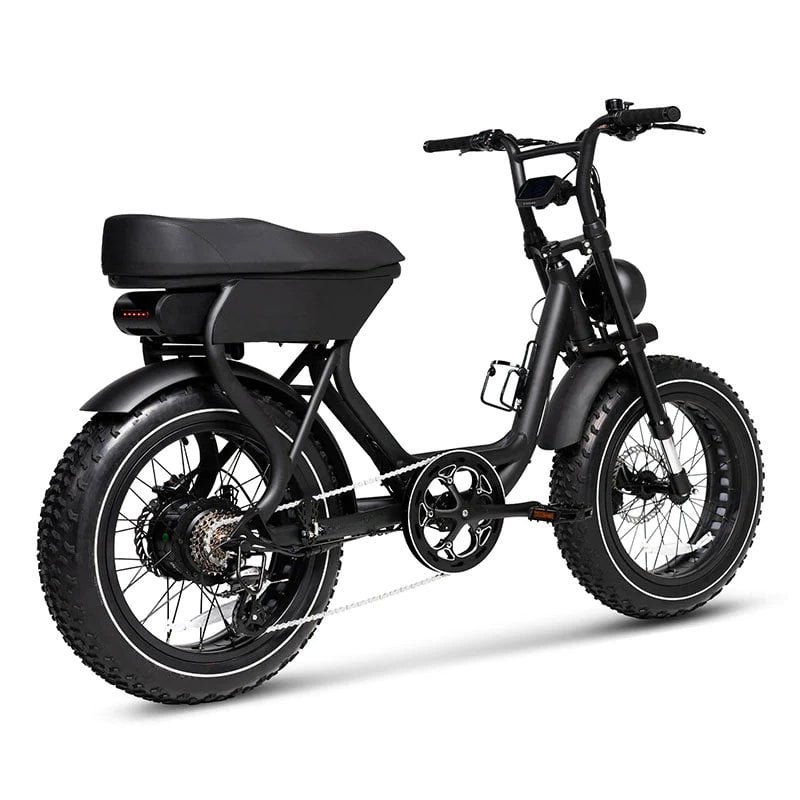
Frame material selection defines how an off road fat tire electric bike responds to shock, distributes weight, and manages the added mass of batteries and motors. Each material brings distinct advantages and trade-offs that influence everything from handling characteristics to maintenance requirements. By exploring how frame materials work in modern electric wide tire bikes, riders and buyers can make informed decisions aligned with their terrain, budget, and long-term durability expectations.
Steel remains one of the most popular choices for adult fat tire electric bike frames because of its exceptional durability and natural vibration dampening. Steel has inherent flexibility that absorbs impacts from rough terrain, reducing stress on rider joints and providing a more comfortable riding experience on challenging surfaces. This material resists fatigue cracking far better than aluminum, making it ideal for riders who frequently tackle rocky, muddy, or uneven trails where an electric wide tire bike excels.
The toughness of steel means it tolerates repeated impacts without permanent deformation or frame failure. Riders can charge through obstacles, jump small drops, and navigate technical terrain without worrying about structural compromise. For an off road fat tire electric bike, this resilience translates to confidence and peace of mind during aggressive riding sessions.
Steel frames are heavier than aluminum or carbon alternatives, which is a consideration when combined with battery and motor weight in a fat tyre electric cycle. However, this added mass works in favor of stability and traction on loose terrain. The weight distribution helps anchor the bike during acceleration and climbing, improving control on sandy beaches, snow, and mud. Manufacturers often tune steel frame geometry specifically for electric fat tire bike performance, ensuring that added weight enhances rather than hinders the riding experience.
Aluminum frames offer a significant weight advantage over steel while maintaining strong structural integrity, making them ideal for an electric wide tire bike focused on agility and speed. The lighter overall mass improves acceleration and climbing efficiency, especially important when motors must power through demanding terrain. Adult fat tire electric bike riders who prioritize nimbleness and reduced muscle effort will appreciate how aluminum frames respond quickly to input.
The stiffness of aluminum also means more of the motor's power transfers directly to forward motion rather than being absorbed by frame flex. This efficiency gain extends battery range and reduces unnecessary strain on drivetrain components. An off road fat tire electric bike with an aluminum frame feels more lively and engaging compared to heavier steel alternatives.
Aluminum naturally resists corrosion through oxidation, creating a protective layer that prevents rust in wet conditions. This property makes aluminum frames lower-maintenance than steel, particularly valuable for riders who operate their fat tyre electric cycle in coastal, humid, or salty environments. The durability advantage extends lifespan and reduces long-term maintenance costs, though aluminum does require different repair techniques if damage occurs.
Carbon fiber represents the premium choice for an electric fat tire bike frame, offering the lowest weight combined with customizable stiffness characteristics. Manufacturers can engineer carbon frames with precise load paths, directing structural support exactly where needed for maximum efficiency. This precision translates to superior handling, responsiveness, and energy transfer compared to steel or aluminum alternatives. An electric wide tire bike built from carbon can achieve performance characteristics impossible with traditional materials.
The vibration-dampening properties of carbon fiber exceed aluminum while maintaining the lightweight advantage of modern composites. Riders experience reduced fatigue on long rides and better feedback from terrain. For adult fat tire electric bike enthusiasts prioritizing performance over budget, carbon fiber delivers tangible advantages in acceleration, climbing, and precision control.
Carbon fiber frames command premium pricing due to manufacturing complexity and material costs, making them accessible primarily to high-end off road fat tire electric bike models. While carbon offers unmatched performance benefits, it requires careful handling to avoid impact damage, which can be expensive to repair. Steel and aluminum remain more forgiving for riders seeking durability and affordability.
The choice between carbon and traditional materials often depends on riding intensity, terrain type, and budget constraints. Casual riders using a fat tyre electric cycle for recreational trails may find steel or aluminum more practical, while competitive or serious enthusiasts justify carbon's premium cost through performance gains and lighter weight during extended rides.
Steel frames excel in these demanding environments because their weight enhances traction and stability in loose, low-grip terrain. The natural shock absorption prevents rider fatigue during extended sessions, and steel's durability withstands sand and salt exposure better than aluminum. An electric fat tire bike with a steel frame maintains control when other materials might feel unstable or fatigued in extreme conditions.
Yes, aluminum frames are excellent for wet climates due to their inherent corrosion resistance. Unlike steel, aluminum does not rust, making it ideal for rain-heavy regions or coastal riding. An electric wide tire bike with an aluminum frame requires minimal maintenance and maintains structural integrity over years of exposure to moisture, making it a practical long-term investment for riders in humid environments.
Carbon fiber frames can be 30 to 40 percent lighter than comparable steel frames while maintaining strength, though the exact difference depends on frame design and construction methods. For an electric wide tire bike, this weight reduction translates to improved battery range, easier handling, and reduced motor workload. However, the cost premium and fragility of carbon must be weighed against these performance benefits for individual riding needs.
2026/08/03
Fix time zones, language gaps, and unclear protocols—boost speed, cut costs, and scale confidently.
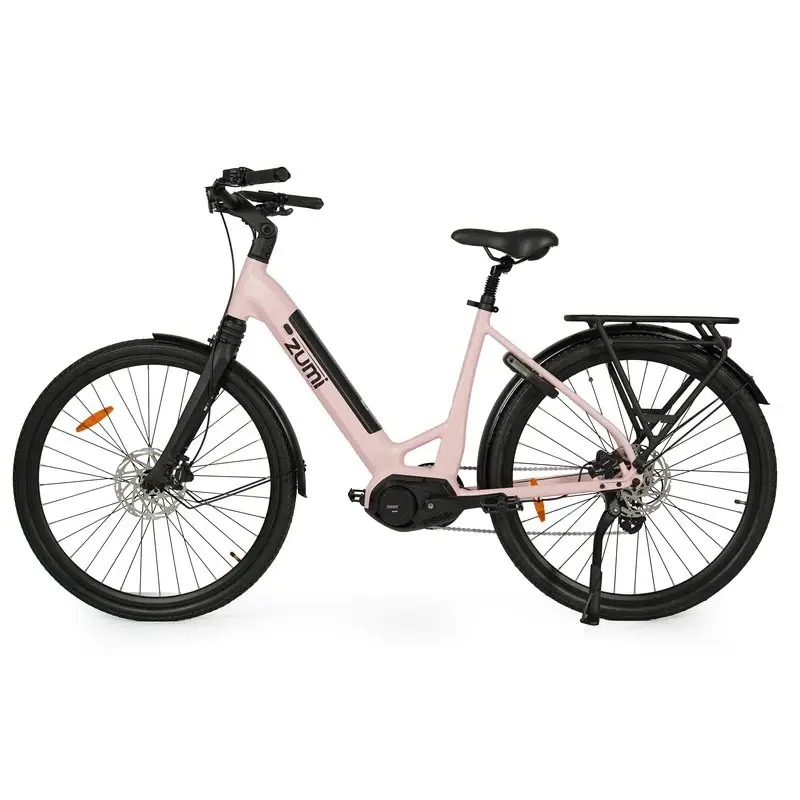
2026/08/03
Avoid liability & import bans: Learn IEC 62619, UN 38.3, and UL 2271—plus how to verify real compliance (not fakes).
2026/08/03
Learn precise air pressure, rebound & compression tuning for optimal suspension performance. Get pro-level setup tips now.
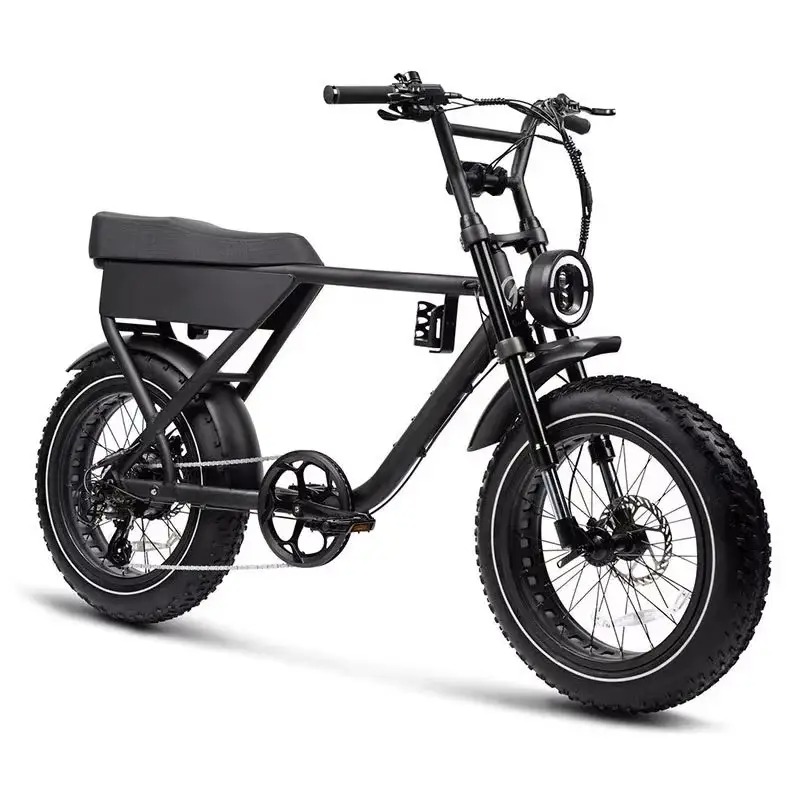
2026/08/03
Discover how voltage drop saps performance—and proven fixes to restore responsiveness, range, and battery life. Read now.
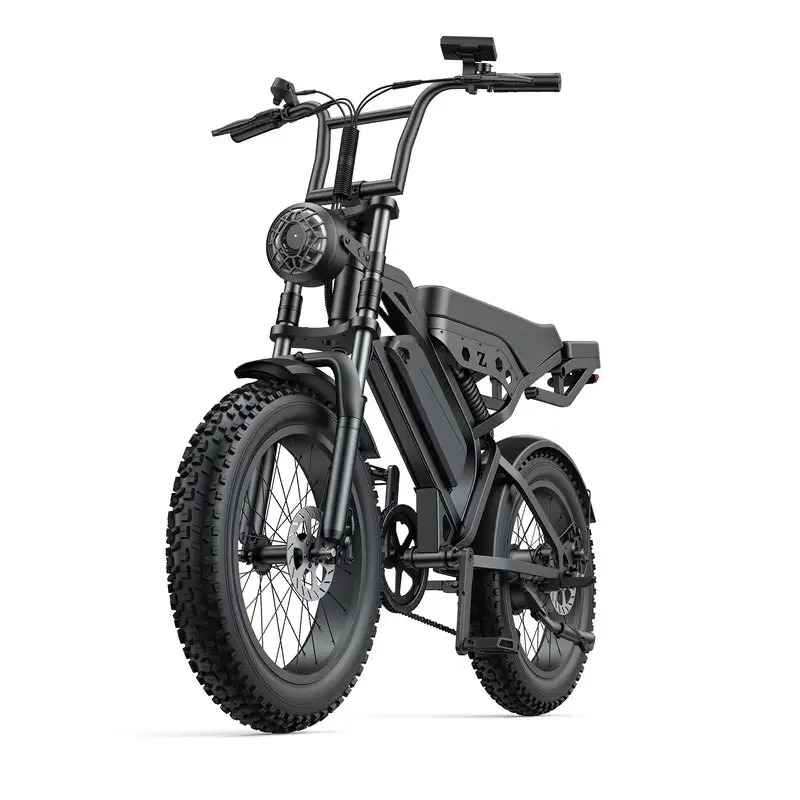
2026/08/03
Discover data-backed protocols, smart infrastructure & operational fixes. Optimize now.
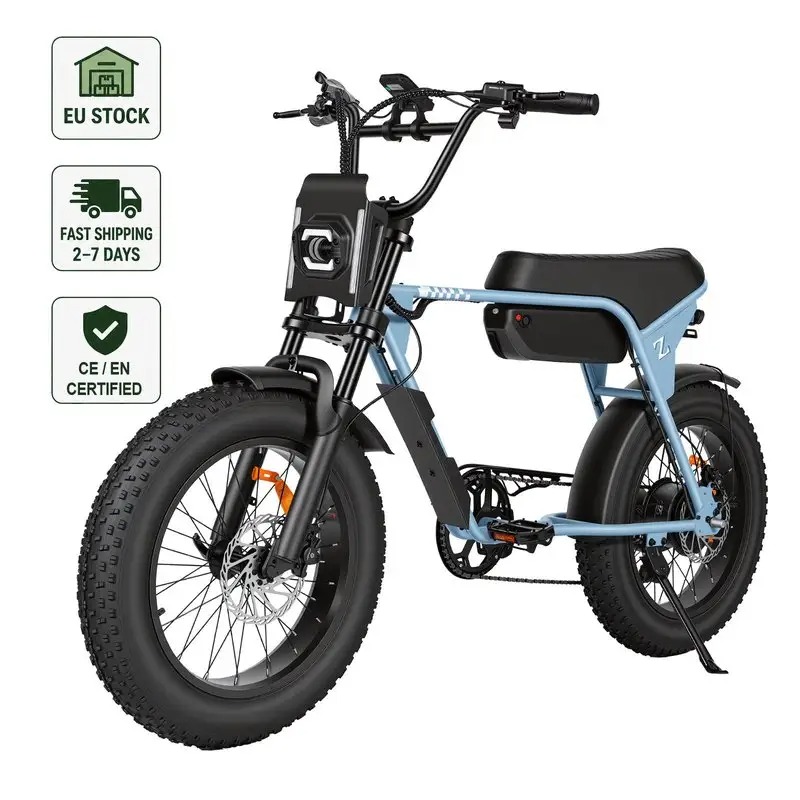
2026/08/03
How payload cuts 48V cargo ebike range by 15–50%+ — backed by real-world degradation curves, motor load science & fleet optimization strategies.
Comprehensive warranty, fast parts shipping, remote diagnostics and local dealer training


