 EN
EN
STEP 1
Full vehicle warranty for 2 years
2026/08/24
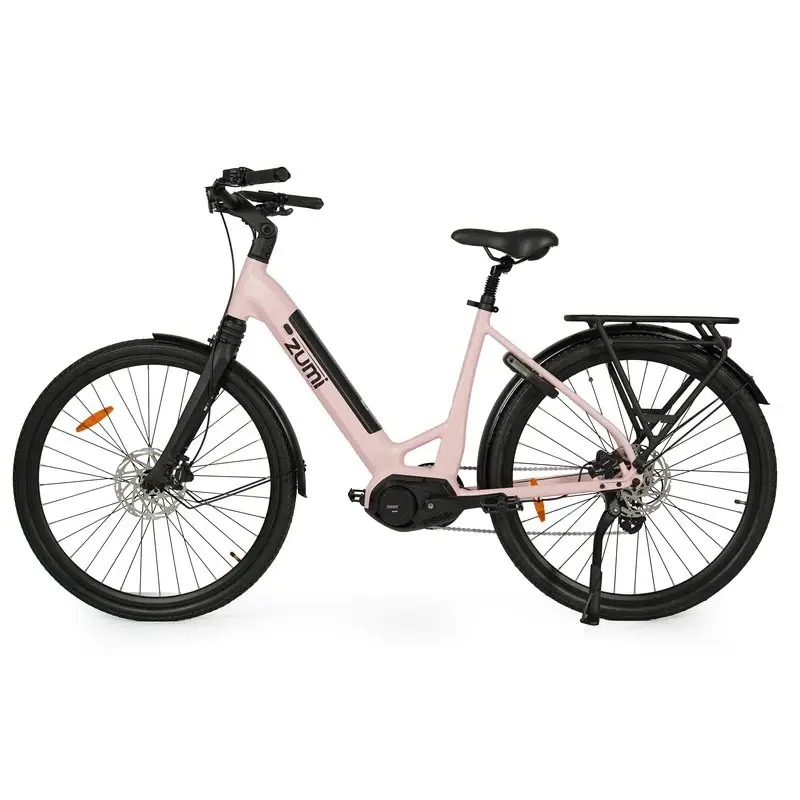
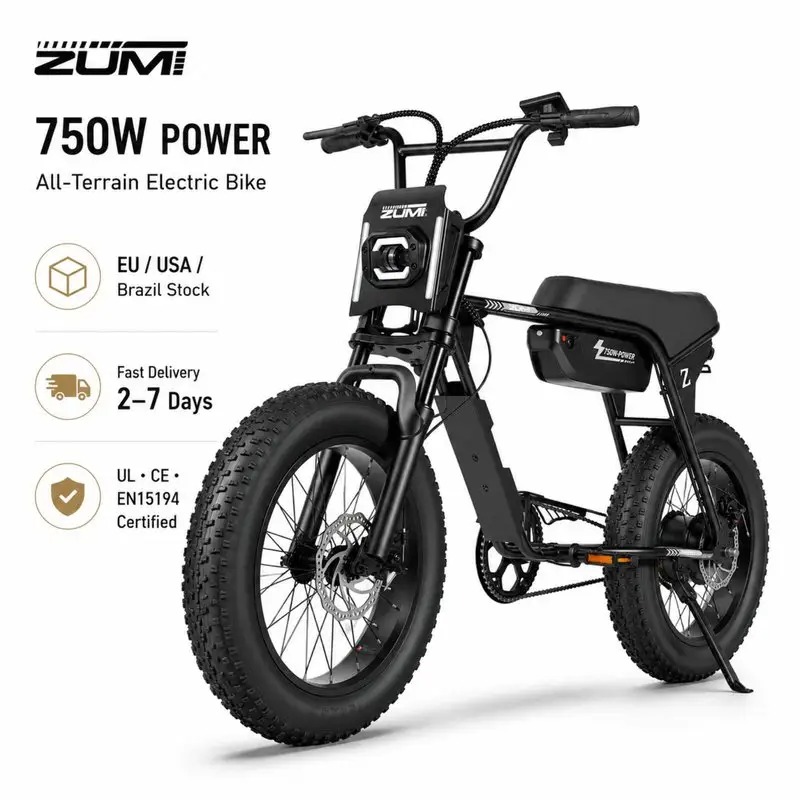
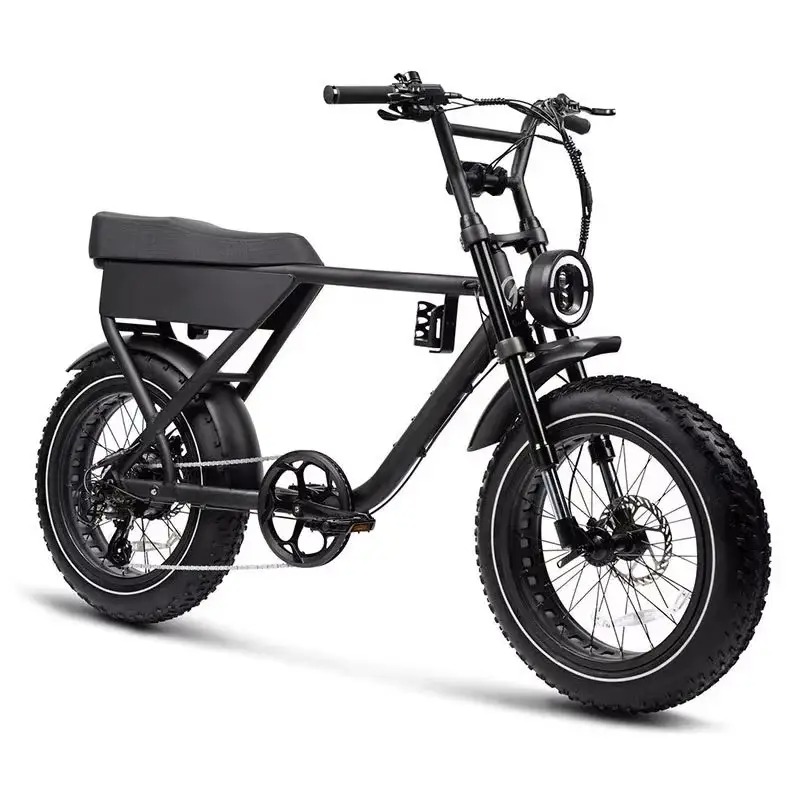
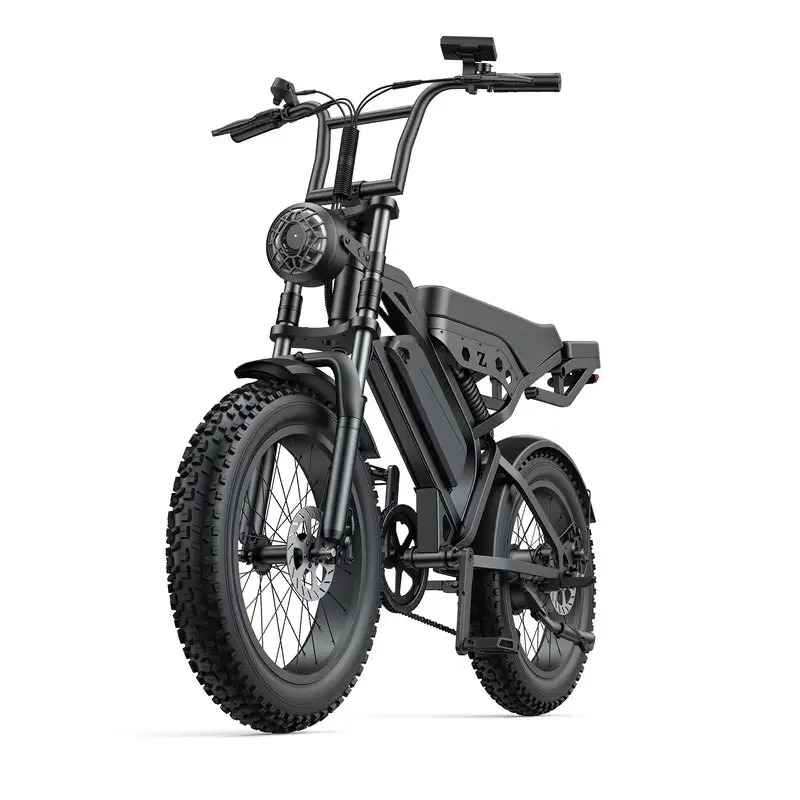
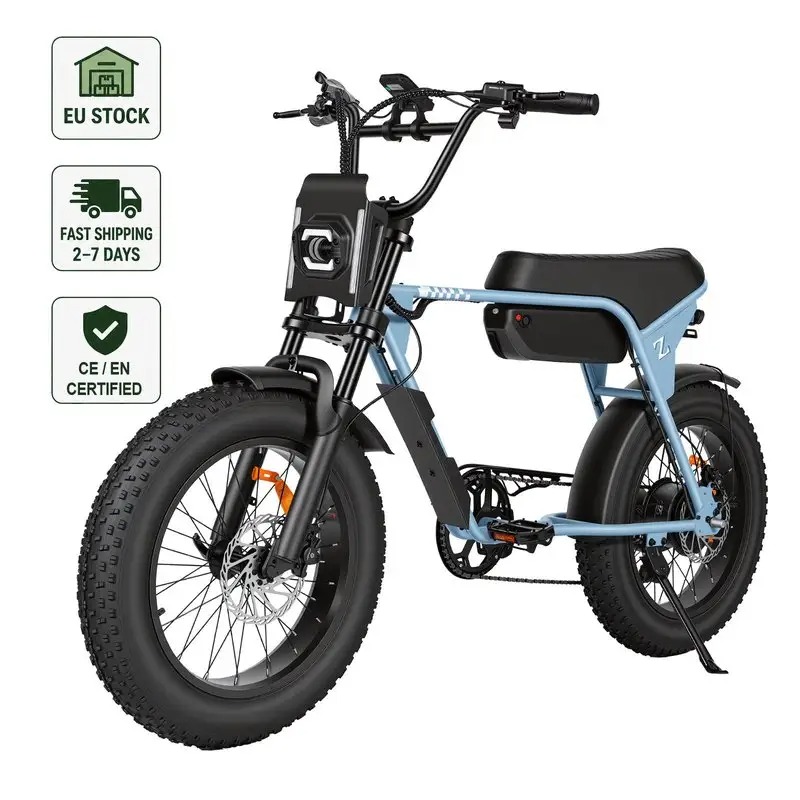
Hill climbing is one of the most demanding tests for any electric bicycle, and a 1000w fat tire ebike stands out as a serious contender for tackling steep grades and rugged terrain. The combination of high motor output and fat tire traction creates a unique climbing capability that transforms how riders approach mountainous or hilly routes. Understanding how these machines perform on inclines requires examining the interplay between motor power, wheel design, battery performance, and rider weight distribution across challenging slopes.
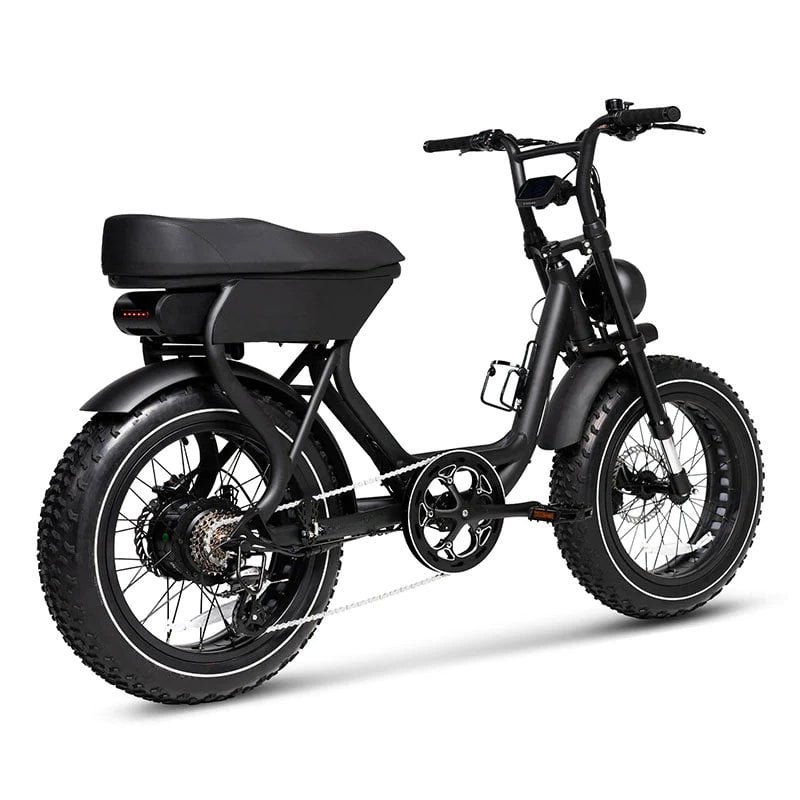
A 1000w ebike delivers exceptional torque output that propels riders uphill with minimal pedaling effort required. The fat tire design provides unmatched grip and traction on loose surfaces, sand, snow, and muddy trails where conventional narrow tires would slip or bog down. This combination makes the electric fat bike an ideal platform for exploring terrain that traditional bicycles simply cannot navigate safely or comfortably.
A 1000w motor generates sufficient power to overcome steep gradients that would exhaust most riders on unpowered bicycles. The 1000w ebike delivers consistent torque across a wide range of speeds, allowing smooth acceleration even when climbing steep hills. This power level is substantially higher than entry-level electric bikes, enabling riders to maintain momentum on grades exceeding 15 to 20 percent incline without excessive battery drain.
The fat tire ebike's motor converts electrical energy into rotational force that moves the wheel forward against gravitational pull. Direct-drive or mid-drive systems on high-performance models distribute power evenly, reducing stress on individual drivetrain components. When climbing, riders experience smooth power delivery that feels natural and predictable, unlike lower-powered systems that may struggle or hesitate under load. The fat tire ebike architecture supports these high-torque demands without compromising frame integrity or handling characteristics.
Fat tires typically measure 3.5 to 5 inches wide, creating an enormous contact patch with the ground that distributes rider weight across a much larger surface area than standard bicycle tires. This expanded footprint generates exceptional grip on steep terrain, preventing wheel slip that would otherwise occur on conventional tires. When climbing muddy trails, loose gravel, or snow-covered slopes, the fat tire ebike maintains traction where narrower designs would fail repeatedly. The cushioning effect of fat tires also absorbs impacts from rocky or root-filled surfaces, reducing rider fatigue during extended climbing sessions.
The electric fat bike excels on mixed terrain because fat tires conform naturally to surface irregularities. On compressed dirt trails, the tire spreads to maximize ground contact and traction force. When encountering rocky protrusions or tree roots crossing the path, the wide tire rolls over obstacles rather than catching or deflecting. This adaptability means riders can maintain consistent climbing speed even when trail conditions change throughout the ascent, a critical advantage when exploring remote or poorly maintained routes.
Hill climbing demands significantly more energy than flat ground riding because the motor must overcome both rolling resistance and gravitational potential energy. A 1000w ebike with a substantial battery capacity like 15Ah or higher maintains climbing performance across extended grades without draining rapidly. Battery technology has advanced to support consistent voltage delivery even under maximum motor load, preventing power degradation partway up steep slopes. Riders should expect reduced range when climbing compared to flat terrain, typically losing 30 to 50 percent of their total distance on hilly routes.
Modern electric fat bike motors incorporate thermal protection systems that prevent overheating during sustained high-power climbing. These systems monitor motor temperature and adjust power output if necessary to protect internal components. Most quality 1000w systems are engineered to handle continuous climbing for extended periods without triggering thermal shutdowns. The fat tire ebike's robust construction includes cooling features integrated into motor housings, ensuring reliable performance even during aggressive hill attacks or long mountain routes.
The weight of the rider and any cargo significantly influences climbing capability on steep grades. A 1000w fat tire ebike can support riders ranging from lightweight to heavier weights, with power sufficient to overcome additional mass without excessive battery drain. However, riders carrying heavy loads should expect reduced range and may need to employ pedal assistance rather than relying entirely on motor power. The fat tire ebike's sturdy frame and suspension systems are engineered to handle realistic loads while maintaining stability on steep climbs.
Successful hill climbing on an electric fat bike combines proper technique with intelligent power management. Riders should maintain steady momentum rather than accelerating aggressively at the base of climbs, preserving battery capacity for sustained grades. Standing on the pedals while climbing improves traction by increasing downward force on the rear wheel, which complements the motor's torque output. The fat tire ebike's wide stance and stable geometry support this standing climbing technique safely, even on steep and technical mountain terrain.
A 1000w fat tire ebike can climb exceptionally steep grades up to 20 to 30 percent, depending on rider weight, battery charge, and motor efficiency. Extremely steep mountains or sustained extended climbs may eventually deplete battery capacity, requiring riders to pedal manually or dismount. The electric fat bike excels at tackling challenging terrain that would be impossible on unpowered bicycles, though realistic limits do exist based on topography and battery size.
A 1000w ebike climbs significantly faster than lower-wattage electric bikes because higher power output enables faster wheel rotation against gravity. Standard 250w or 500w systems require more pedal input to maintain climbing speed, while the 1000w fat tire ebike delivers power that keeps riders moving uphill with minimal effort. Climbing speed depends on grade steepness and battery voltage, but high-power systems typically achieve climbing speeds 30 to 50 percent faster than entry-level alternatives.
For reliable hill climbing, choose a 1000w fat tire ebike with battery capacity of at least 13Ah and voltage of 48V to ensure sufficient power reserves during extended climbs. Higher capacity batteries maintain consistent voltage under sustained climbing load, preventing power degradation as charge depletes. Fast-charging capability between rides also matters when planning multi-day mountain adventures where daytime charging may be necessary. Battery quality and thermal protection directly influence climbing reliability across long or challenging routes.
2026/08/03
Fix time zones, language gaps, and unclear protocols—boost speed, cut costs, and scale confidently.
2026/08/03
Avoid liability & import bans: Learn IEC 62619, UN 38.3, and UL 2271—plus how to verify real compliance (not fakes).
2026/08/03
Learn precise air pressure, rebound & compression tuning for optimal suspension performance. Get pro-level setup tips now.
2026/08/03
Discover how voltage drop saps performance—and proven fixes to restore responsiveness, range, and battery life. Read now.
2026/08/03
Discover data-backed protocols, smart infrastructure & operational fixes. Optimize now.
2026/08/03
How payload cuts 48V cargo ebike range by 15–50%+ — backed by real-world degradation curves, motor load science & fleet optimization strategies.
Comprehensive warranty, fast parts shipping, remote diagnostics and local dealer training


