 EN
EN
STEP 1
Full vehicle warranty for 2 years
2026/08/26
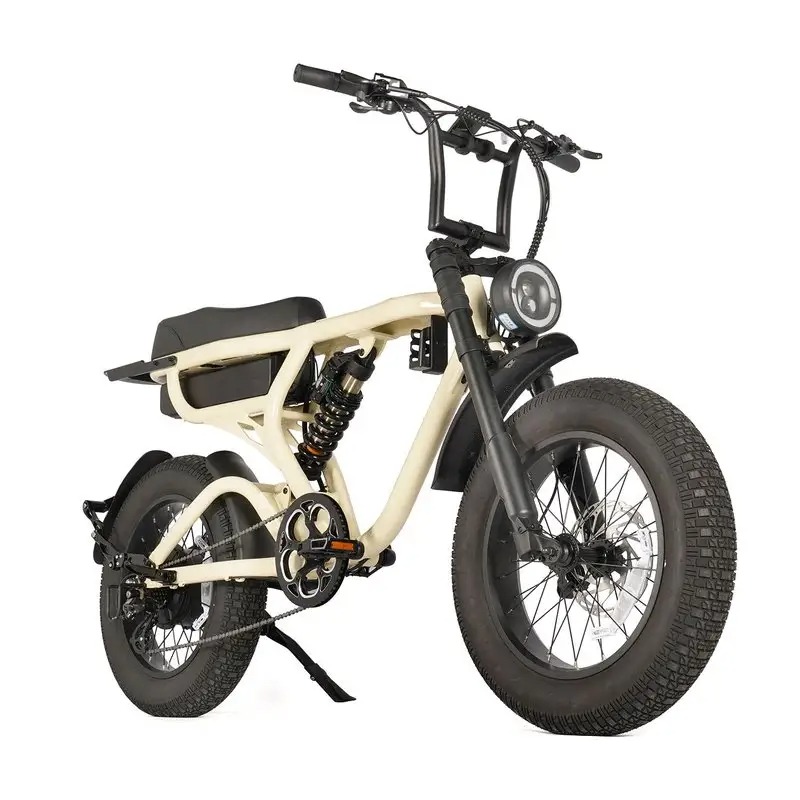
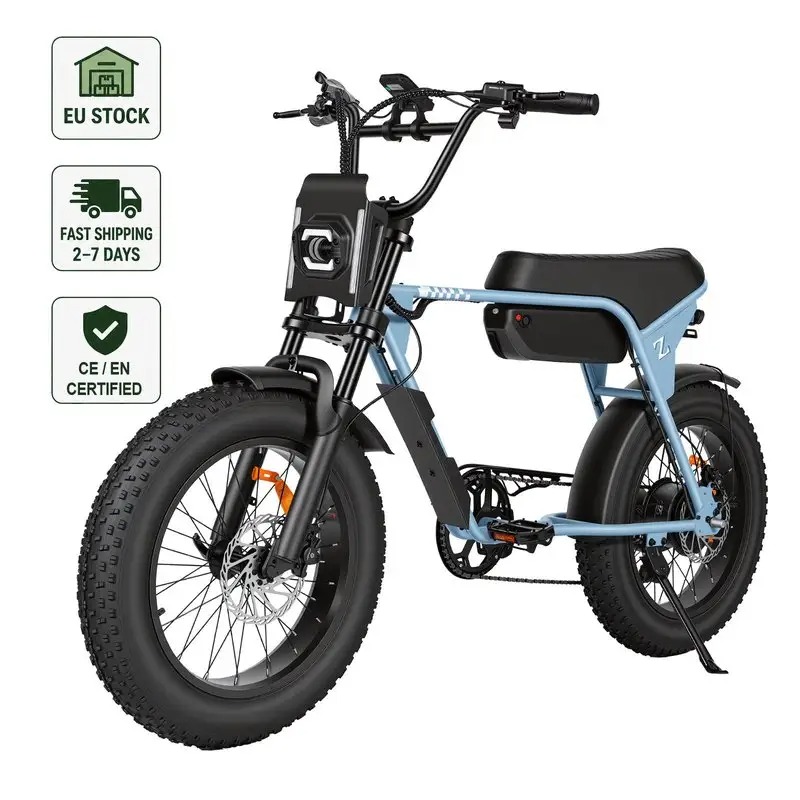
Hub motor technology has revolutionized the electric bike landscape, particularly for riders seeking compact and powerful commuting solutions. A 20 inch fat tyre electric bike with integrated hub motors delivers exceptional efficiency by combining direct-drive propulsion with minimal mechanical loss. This design eliminates the need for complex drivetrain systems, making the 20 inch ebike ideal for urban environments where reliability and performance matter most.
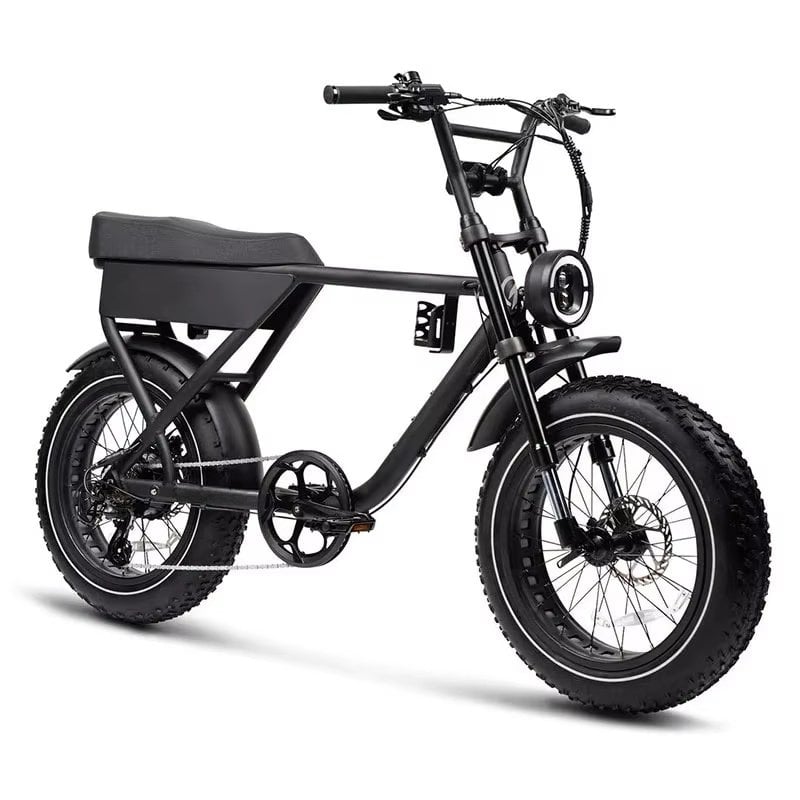
The compact 20 inch fat bike format creates unique advantages when paired with hub motors. Fat tyre ebike designs inherently benefit from direct motor engagement because they prioritize stability over speed, allowing hub motors to operate at optimal efficiency ranges. The wider tyres distribute weight evenly, reducing strain on motor bearings while the fat tyre ebike's lower centre of gravity enhances traction feedback and responsiveness. Understanding how hub motors function within this specific platform helps riders maximize battery performance and extend drivetrain longevity.
Direct-drive hub motors convert electrical energy into rotational force without intermediate gearing, making them fundamentally different from geared alternatives. In a 20 inch fat tyre electric bike, the motor's rotor integrates directly into the wheel hub, meaning no power loss through transmission chains or derailleur systems. This mechanical simplicity translates to consistent torque delivery across all speed ranges, which proves essential for the fat tyre ebike's varied terrain capabilities. The 20 inch ebike configuration allows engineers to optimize motor weight distribution, positioning the heavier motor components closer to the frame centre for improved handling characteristics.
Hub motors in the compact fat bike category operate most efficiently within specific torque and speed envelopes. A properly designed 20 inch fat tyre electric bike motor reaches peak efficiency during moderate acceleration phases, typically between 15–25 kilometres per hour. At these speeds, energy conversion from battery to wheel motion minimizes waste heat, preserving battery capacity for extended range. The fat tyre ebike's natural rolling resistance benefits from this efficiency characteristic because wider tyres actually complement hub motor performance by reducing the motor's need to achieve extremely high speeds. Riders experience smoother power delivery with fewer efficiency drops compared to thin-tyre electric bikes operating hub motor systems at higher rotational speeds.
The 20 inch ebike's compact wheelbase influences how efficiently hub motors draw power from the battery system. Smaller wheels require more rotations to cover distance, but this characteristic works favourably with hub motor efficiency profiles. A 20 inch fat tyre electric bike motor consumes less energy maintaining steady-state cruising compared to larger-wheeled designs because the reduced rotational inertia allows the motor controller to make micro-adjustments without energy waste. Fat tyre ebike batteries integrate with motor controllers that intelligently regulate power delivery, sensing terrain resistance and rider input to optimize every watt consumed. This feedback loop between battery management systems and hub motors creates a symbiotic efficiency relationship unique to the compact fat bike platform.
Thermal efficiency plays a critical role in hub motor longevity within a 20 inch fat tyre electric bike design. Direct-drive motors generate controlled heat during operation, but the wider contact area of fat tyres with ground provides natural cooling channels through air circulation. A properly engineered fat tyre ebike housing allows heat dissipation around the motor assembly, preventing thermal throttling during extended rides. The 20 inch ebike platform's compact dimensions mean shorter electrical pathways between battery and motor components, reducing voltage drop losses. This architectural advantage means riders maintain consistent performance throughout longer commutes without experiencing the efficiency degradation common in poorly cooled motor systems.
Hub motor efficiency in a 20 inch fat tyre electric bike translates directly into responsive acceleration and impressive hill-climbing capability. The fat tyre ebike's weight distribution and motor characteristics combine to deliver maximum torque at low speeds, exactly when riders need climbing power. A 20 inch ebike equipped with quality hub motors achieves gradients exceeding 20 degrees without losing traction or experiencing energy wastage through wheel slip. Urban riders benefit from immediate torque response when starting from stops, making the compact fat bike configuration ideal for city environments with frequent acceleration demand. The efficiency gains mean less battery drain during aggressive acceleration phases, preserving range for the entire commute.
The fat tyre ebike's stability characteristics combine with hub motor responsiveness to create exceptional terrain adaptability. A 20 inch fat tyre electric bike motor responds instantly to rider pedal input or throttle commands without the lag associated with geared alternatives. This precise control matters significantly when navigating loose surfaces, snow, or sand where traction consistency determines safety. The 20 inch ebike's shorter wheelbase allows riders to make quick directional adjustments while maintaining motor engagement, useful for technical trail sections or crowded urban pathways. Hub motors enhance this control by eliminating chain tension variations that typically cause unpredictable behaviour on unstable terrain. The compact fat bike platform essentially unlocks full efficiency potential by matching motor type to wheel size and tyre design.
Hub motor efficiency varies significantly based on wheel size because rotational speed requirements differ. A 20 inch fat tyre electric bike operates hub motors at higher RPMs compared to 26-inch designs, but this characteristic aligns with typical hub motor efficiency curves. The 20 inch ebike configuration allows engineers to select motor specifications that perform optimally within the required speed range, whereas larger wheels force motors to operate at rpm ranges where efficiency drops. A compact fat bike with 20-inch wheels benefits from motor tuning specifically calibrated for that platform, resulting in superior performance compared to generic hub motors placed on mismatched wheel sizes.
The fat tyre ebike's efficiency characteristics influence ideal battery sizing. A 20 inch fat tyre electric bike typically pairs well with 48-volt battery systems rated between 10–15 ampere-hours, balancing weight, range, and power delivery. The 20 inch ebike's compact form factor means battery placement near the frame centre optimizes weight distribution and steering response. Hub motor systems running at 750–1000 watts interface efficiently with these voltage levels, avoiding excessive current draw that would waste energy as heat. The fat tyre ebike design inherently limits top speed, meaning batteries don't need extreme capacity to achieve substantial range on properly tuned hub motor platforms.
Hub motors offer distinct advantages specifically suited to the compact fat bike format. A 20 inch fat tyre electric bike benefits from hub motors because they eliminate drivetrain complexity that would otherwise crowd the compact frame geometry. The 20 inch ebike platform allows direct motor integration without gearing systems, producing cleaner mechanical designs and superior reliability. Fat tyre ebike stability characteristics complement hub motor responsive control, creating riding experiences superior to mid-drive alternatives on similar platforms. Hub motors in the fat tyre ebike category also enable regenerative braking capabilities that leverage the wide tyres' natural traction for energy recovery during descent and braking phases.
2026/08/03
Fix time zones, language gaps, and unclear protocols—boost speed, cut costs, and scale confidently.
2026/08/03
Avoid liability & import bans: Learn IEC 62619, UN 38.3, and UL 2271—plus how to verify real compliance (not fakes).
2026/08/03
Learn precise air pressure, rebound & compression tuning for optimal suspension performance. Get pro-level setup tips now.
2026/08/03
Discover how voltage drop saps performance—and proven fixes to restore responsiveness, range, and battery life. Read now.
2026/08/03
Discover data-backed protocols, smart infrastructure & operational fixes. Optimize now.
2026/08/03
How payload cuts 48V cargo ebike range by 15–50%+ — backed by real-world degradation curves, motor load science & fleet optimization strategies.
Comprehensive warranty, fast parts shipping, remote diagnostics and local dealer training


