 EN
EN

STEP 1
Full vehicle warranty for 2 years
2026/08/04
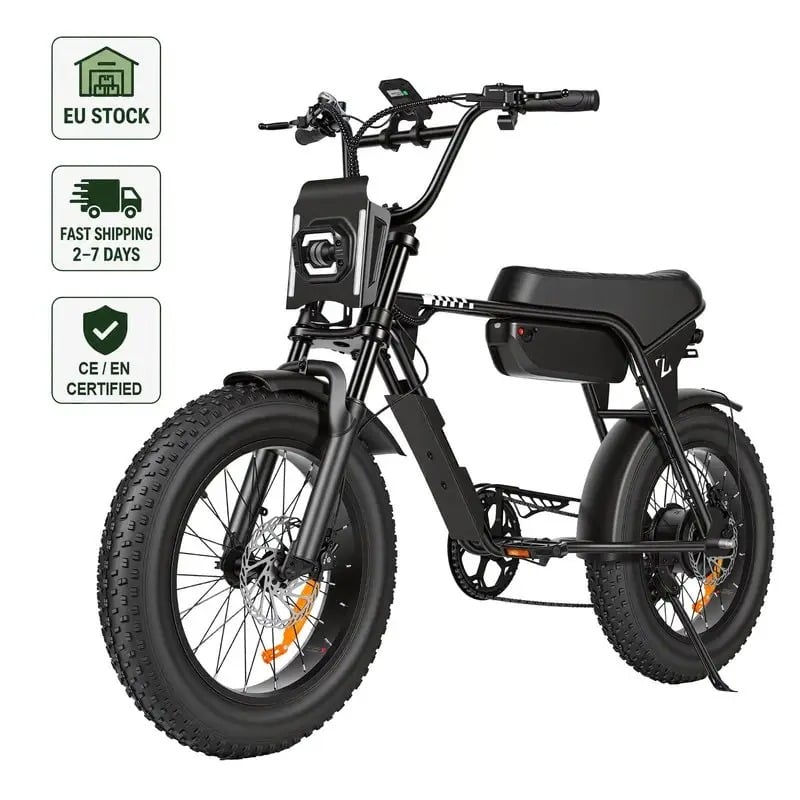
Fat tire bicycle manufacturers face unique packaging challenges that differ significantly from conventional bike production. The robust design of fat tire bikes, combined with their heavier components and wider frames, requires specialized protective solutions that preserve product integrity during storage and transit. Understanding the packaging landscape helps manufacturers optimize costs, improve sustainability, and ensure customer satisfaction through safe delivery.
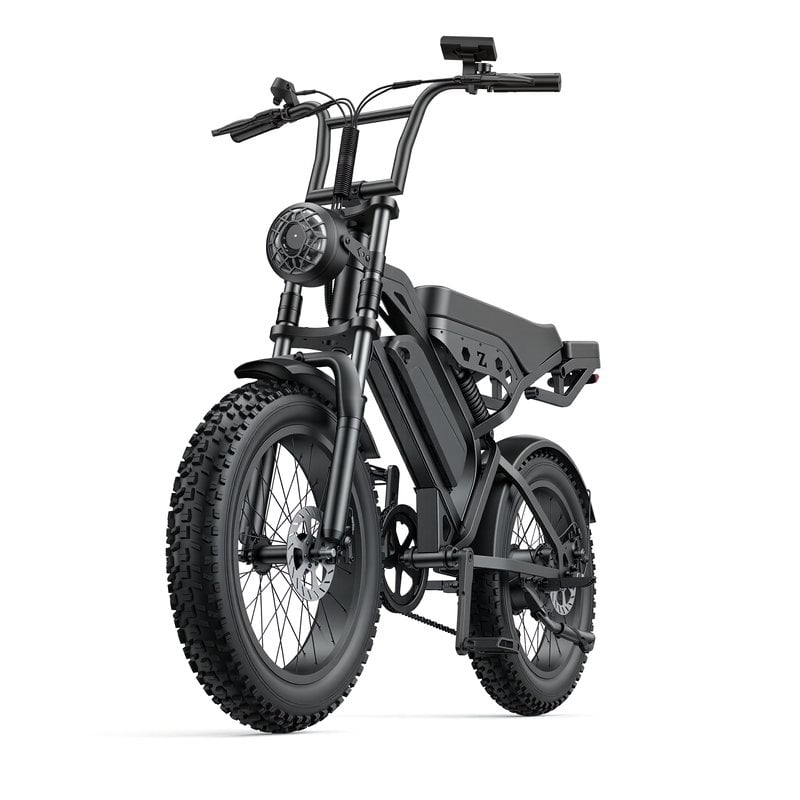
The packaging requirements for fat tire ebike production have evolved dramatically as demand continues to grow worldwide. Modern fat tire bicycle manufacturers must balance protection with environmental responsibility, cost efficiency, and logistics optimization. Whether operating as an established ebike factory or scaling production rapidly, manufacturers need comprehensive packaging strategies that address the specific demands of oversize, heavy-duty bicycles designed for extreme terrain.
Fat tire ebike models typically feature frames that are wider and heavier than standard bicycles, requiring oversized packaging materials. The average fat tire bicycle weighs between 45 to 65 pounds, while electric versions can exceed 70 pounds with batteries and motors included. Fat tire bicycle manufacturers must source boxes, foam inserts, and protective wrapping that accommodate these dimensions without excessive waste or fragility during multi-step logistics chains.
An ebike factory producing high volumes needs packaging solutions that scale efficiently without compromising durability. The structural integrity of the box itself becomes critical because fat tire bikes generate substantial lateral stress during handling and transportation. Reinforced double-wall or triple-wall corrugated cardboard represents the industry standard for serious ebike manufacturer operations, ensuring that boxes withstand both the weight and the rough handling inherent to modern supply chains.
Individual components of fat tire bicycles require targeted protection beyond general wrapping. Disc brakes, hydraulic systems, suspension forks, and electronic controllers must arrive undamaged to ensure customer safety and satisfaction. Fat tire bicycle manufacturers typically invest in foam padding, corner protectors, and custom inserts that cradle each critical element within the main carton. An ebike manufacturer handling battery and motor systems faces additional responsibility for electrical component safety during transit, requiring anti-static materials and moisture barriers.
Wheels represent another packaging consideration for fat tire ebike production. The wide rims and specialized tires demand proper support to prevent warping or sidewall damage. Most ebike factory standards include wheel bags or cardboard separators that maintain alignment while allowing efficient stacking within the primary shipping box. This layered approach transforms packaging from simple containment into a precision assembly process that protects the entire product ecosystem.
Corrugated cardboard remains the foundation of packaging for fat tire bicycle manufacturers globally. The material offers excellent strength-to-weight ratios, recyclability, and cost efficiency when sourced in volume. Fat tire ebike boxes typically measure 50 to 65 inches in length to accommodate the extended wheelbase and frame geometry characteristic of these bikes. An ebike manufacturer must calculate precise flute profiles and paper weights to ensure boxes withstand the full weight of the assembled product plus internal padding and protective materials.
Custom box design for fat tire bicycles often incorporates reinforced edges, internal bracing structures, and strategically placed handles that guide proper lifting and stacking. The ebike factory industry increasingly uses computer-aided design to optimize material usage while maximizing protection. This approach reduces packaging waste, lowers material costs, and creates a more sustainable supply chain that appeals to environmentally conscious consumers worldwide.
Expanded polystyrene (EPS) foam and polyethylene foam remain popular choices for fat tire bicycle manufacturers due to their cushioning properties and cost-effectiveness. However, many ebike manufacturer operations now explore biodegradable alternatives and recyclable foam solutions that align with modern environmental standards. Custom foam inserts molded to the specific geometry of fat tire bikes provide superior protection compared to generic padding materials, reducing damage rates and customer returns.
An ebike factory optimizing its packaging strategy should evaluate kraft paper, recycled foam, and air-filled cushioning systems as complementary solutions. These materials offer varying degrees of protection, cost, and environmental impact. The choice depends on production volume, target market demographics, shipping distances, and regulatory requirements in key sales regions. Fat tire bicycle manufacturers serving eco-conscious markets increasingly select packaging solutions that minimize plastic content while maintaining structural integrity throughout the supply chain.
Successful packaging implementation for fat tire ebike manufacturers requires integration into the broader production workflow. Packaging stations must be positioned to receive completed bikes at the right stage of assembly to maximize efficiency. An ebike manufacturer managing high-volume production benefits from standardized packaging procedures, trained personnel, and clearly documented best practices that ensure consistency across all units. Quality control checkpoints within the packaging process help identify damaged components before sealing boxes, reducing warranty claims and negative customer feedback.
Fat tire bicycle manufacturers should invest in ergonomic workstations that reduce packaging labor time and worker fatigue. When operators work with heavy bikes repeatedly, proper station design, lifting assists, and material proximity become critical for productivity. An ebike factory that streamlines packaging operations reduces per-unit packaging costs while improving overall throughput and profitability. Documentation systems and visual management tools help new workers quickly learn proper procedures, maintaining quality standards even during periods of rapid hiring or seasonal demand fluctuations.
Collaboration between fat tire bicycle manufacturers and logistics providers ensures that packaging solutions work effectively throughout the entire distribution network. Shipping carriers have specific requirements regarding box dimensions, weight limits, and material quality that affect rates and delivery reliability. An ebike manufacturer establishing relationships with trusted logistics partners gains access to industry insights about which packaging approaches minimize damage claims and improve delivery performance. Feedback from the field helps refine packaging specifications and identify opportunities for continuous improvement.
Fat tire ebike boxes must balance compactness with protection because larger packages incur higher shipping fees across most carriers. Many ebike factory operations negotiate volume discounts with packaging suppliers while simultaneously optimizing box dimensions to fit carrier cost tiers. Regional distribution centers and warehouse partners provide valuable feedback about how packaging performs during storage, handling, and last-mile delivery. This closed-loop information system allows fat tire bicycle manufacturers to make data-driven packaging decisions that improve customer experience while reducing total supply chain costs.
Most ebike factory standards rely on triple-wall corrugated cardboard combined with foam inserts, kraft paper, and protective corner guards. Fat tire bicycle manufacturers select materials based on weight capacity, environmental impact, cost per unit, and customer expectations. High-volume operations increasingly mix recyclable options with cost-effective traditional materials to balance sustainability and profitability across their packaging strategies.
International packaging for fat tire ebike products requires compliance with customs regulations, moisture protection, and enhanced structural reinforcement due to longer transit times. An ebike manufacturer serving global markets typically adds desiccant packets, vapor barriers, and reinforced boxes to withstand extended storage and handling across multiple countries. Regional warehousing and localized assembly approaches also help some fat tire bicycle manufacturers reduce packaging complexity while maintaining delivery speed to overseas customers.
Yes, sustainable packaging solutions have proven effective for fat tire ebike manufacturers when properly engineered for product weight and size. Biodegradable foam, recycled cardboard, mushroom-based materials, and minimal-plastic designs now meet industry standards for protection. Many ebike factory operations report that eco-friendly packaging enhances brand reputation, attracts environmentally conscious consumers, and sometimes reduces long-term material costs despite higher initial unit pricing in many regions.
2026/08/03
Fix time zones, language gaps, and unclear protocols—boost speed, cut costs, and scale confidently.
2026/08/03
Avoid liability & import bans: Learn IEC 62619, UN 38.3, and UL 2271—plus how to verify real compliance (not fakes).
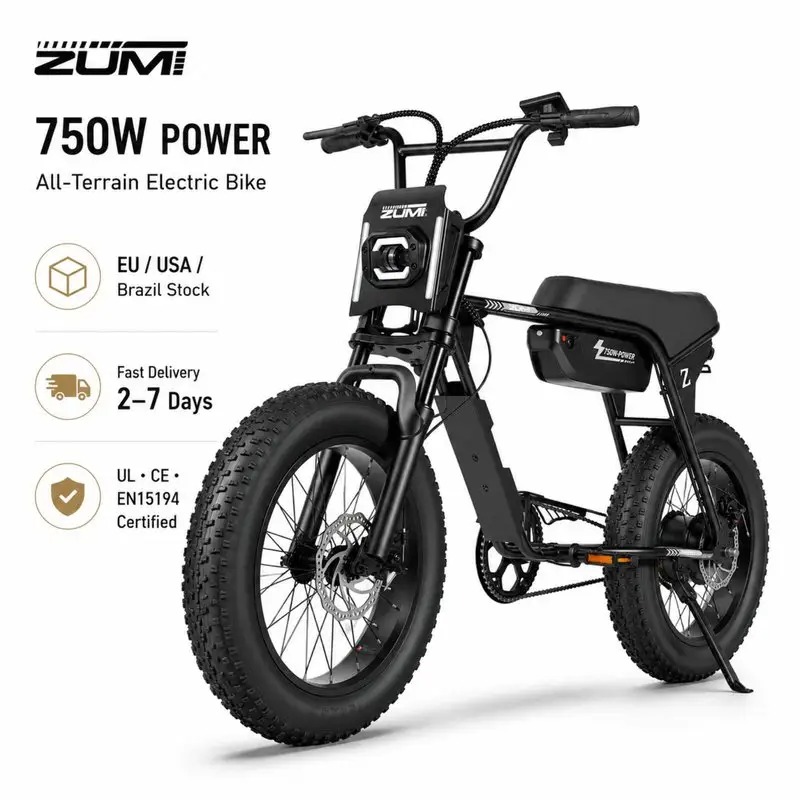
2026/08/03
Learn precise air pressure, rebound & compression tuning for optimal suspension performance. Get pro-level setup tips now.
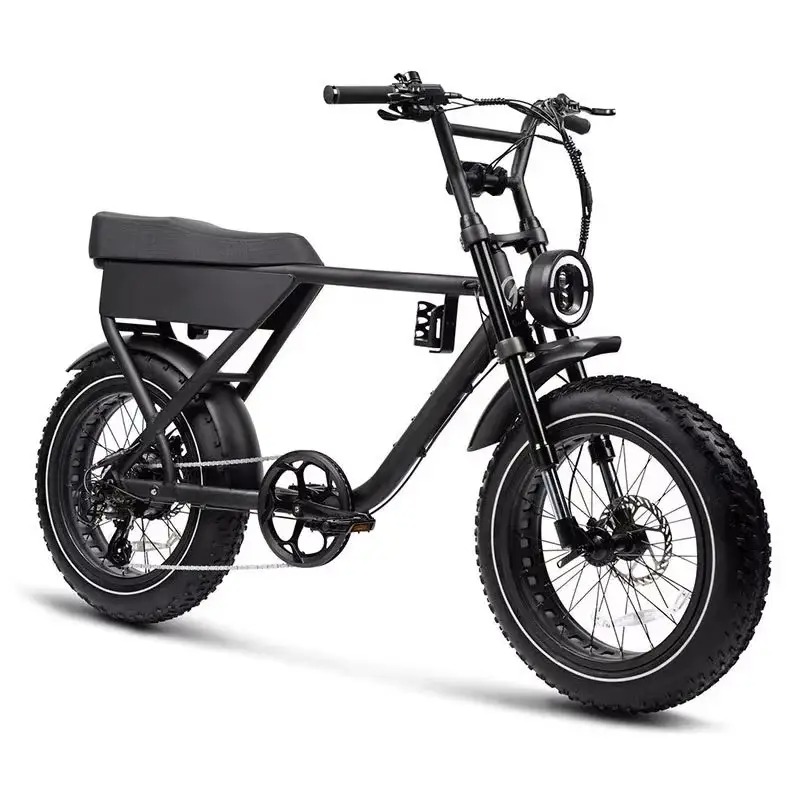
2026/08/03
Discover how voltage drop saps performance—and proven fixes to restore responsiveness, range, and battery life. Read now.
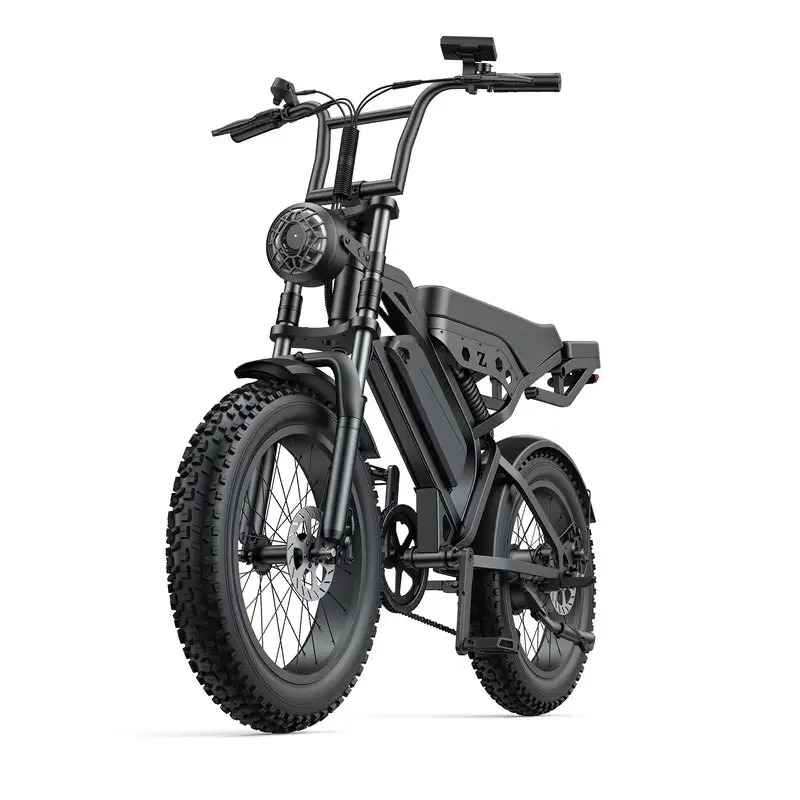
2026/08/03
Discover data-backed protocols, smart infrastructure & operational fixes. Optimize now.
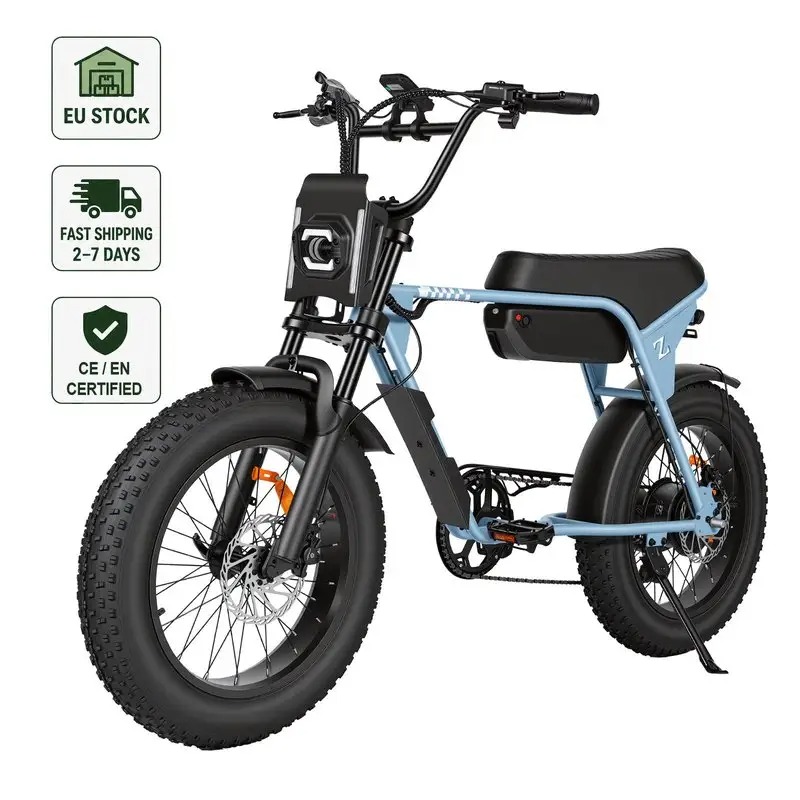
2026/08/03
How payload cuts 48V cargo ebike range by 15–50%+ — backed by real-world degradation curves, motor load science & fleet optimization strategies.
Comprehensive warranty, fast parts shipping, remote diagnostics and local dealer training


