 EN
EN
STEP 1
Full vehicle warranty for 2 years
2026/09/04
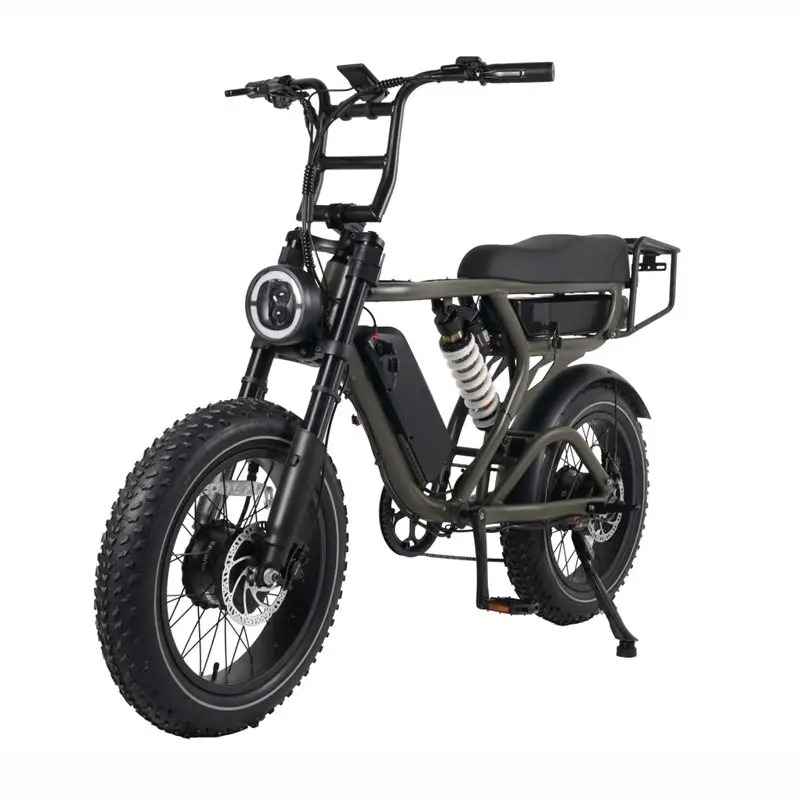
Understanding the range capabilities of a 48v electric bike system is essential for anyone considering an e-bike purchase or upgrade. The 48v electric bike has become the industry standard for balancing power delivery, battery efficiency, and practical performance across diverse riding conditions. Unlike lighter systems, a 48v ebikes platform provides enough voltage to drive motors ranging from 250 watts to well beyond 1500 watts, making it suitable for commuting, off-road exploration, and long-distance touring. This article explores what determines real-world range, how different motor configurations affect distance, and what factors riders should evaluate before choosing their next 48v electric mountain bike or high-performance model.
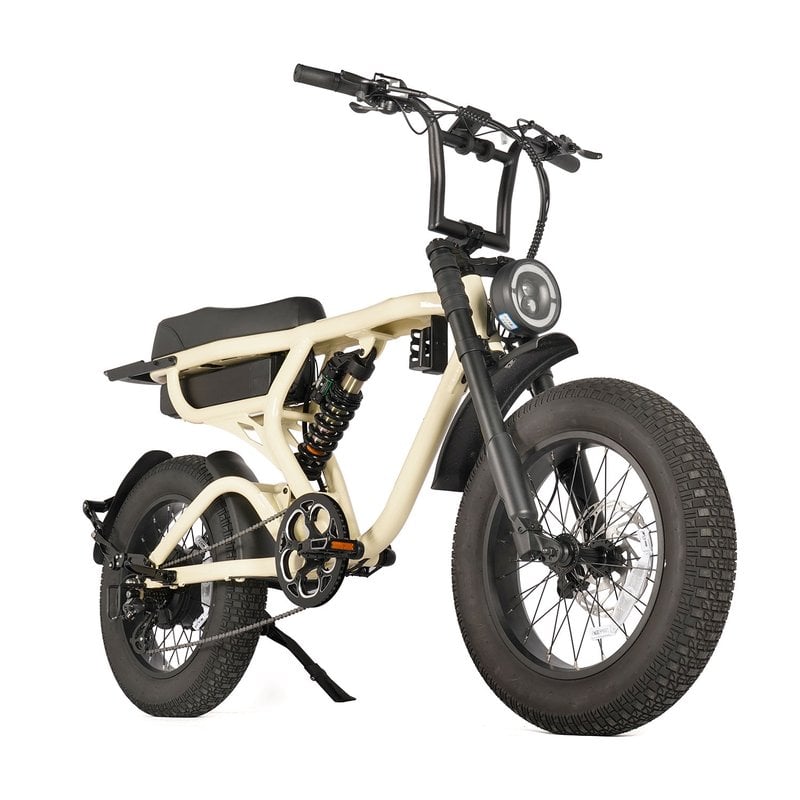
The range of any 48v electric bike depends on multiple interconnected variables including battery capacity measured in amp-hours, motor efficiency, terrain type, rider weight, pedal assistance level, weather conditions, and tire pressure. A basic ebike 48v 250w system typically delivers between 30 and 50 miles on a single charge, while higher-powered configurations like an electric bike 48v 1500w can achieve significantly different distances depending on how aggressively the motor works. Real-world riders often discover that advertised range figures differ from actual performance, highlighting the importance of understanding the mechanical and environmental factors that influence the distance a 48v electric mountain bike can cover.
Battery capacity directly determines how far your 48v electric bike can travel on a single charge. Measured in watt-hours, a battery's energy storage is calculated by multiplying voltage by amp-hour capacity. A 48v battery pack with 10 amp-hours, for example, stores 480 watt-hours of energy. The larger the watt-hour rating, the more total energy available to power the motor and extend range. Most 48v ebikes range from 400 watt-hours to 1000 watt-hours, with premium models exceeding 1200 watt-hours for extended adventures.
An ebike 48v 250w motor consumes power differently than a 48v electric mountain bike equipped with a 750-watt or 1500-watt system. Lower-wattage motors draw less current from the battery, extending overall range significantly. When riding at lower assistance levels, any 48v electric bike uses battery power more conservatively. The relationship between motor size and energy consumption is not linear; a 1500-watt motor does not simply consume three times the energy of a 500-watt motor at the same speed because efficiency curves, gearing ratios, and load factors all play critical roles in determining actual power draw during real riding.
Terrain dramatically affects the range capability of any 48v ebikes model. Flat, paved surfaces allow motors to work efficiently, maximizing distance per charge. Steep hills demand sustained high power output, draining the battery much faster than gentle rolling terrain. A 48v electric mountain bike faces even greater energy demands on technical trails with loose surfaces, rocky sections, and elevation changes. Sand, gravel, and mud require significantly more power than asphalt, reducing total achievable range by 20 to 40 percent compared to smooth road conditions.
The total weight being propelled directly influences how hard the motor must work. A lighter rider on an ebike 48v 250w system will achieve greater range than a heavier rider on the same bike. Adding cargo, suspension systems, or riding with a passenger increases the energy required per mile. Battery chemistry and motor efficiency remain constant, but the mechanical work increases proportionally with mass. Riders should realistically assess their average load when calculating expected range from any 48v electric bike specification sheet.
Most modern 48v electric mountain bike and commuter models offer multiple assistance levels that significantly influence range. Eco or low-assistance modes maximize range by blending human pedaling with minimal motor support. Medium assistance provides a balance between comfort and distance. Sport and high-power modes, common on electric bike 48v 1500w systems, provide maximum acceleration but consume battery reserves rapidly. Using throttle exclusively rather than pedal assist drains a 48v ebikes battery faster because the motor bears the entire propulsion load without contribution from rider effort.
The speed at which riders travel affects range in a non-linear way. Air resistance increases exponentially with speed, requiring proportionally more power at higher velocities. A 48v electric bike traveling at 15 miles per hour on flat ground uses significantly less energy than the same bike traveling at 25 miles per hour, even though the difference seems modest. Riders who prioritize range should maintain moderate speeds, use lower assistance levels where safe, and avoid constant acceleration, which causes the motor on any 48v ebikes platform to draw peak current and deplete the battery rapidly.
A typical 48v electric bike with a 600 watt-hour battery and mid-range motor can provide 35 to 50 miles of practical range under average commuting conditions. Urban riding with frequent stops, moderate speeds, and relatively flat terrain falls within the optimal efficiency zone for these systems. An ebike 48v 250w model used primarily for city commuting typically exceeds its advertised range because these lightweight, efficient motors rarely operate at maximum output. However, a 48v electric mountain bike tackling hilly suburban routes experiences significantly reduced real-world range, sometimes 40 percent less than flat-terrain estimates.
Off-road enthusiasts often discover that electric bike 48v 1500w systems deliver 20 to 35 miles of practical range on challenging trails. Trail conditions, climbing, and technical terrain all demand higher power output than smooth surfaces. Riders should factor in return-trip distance plus a safety margin when planning adventures on unfamiliar ground. Battery management during technical riding is critical because rough terrain causes constant power demands, preventing the battery from recovering efficiently. A 48v ebikes model designed specifically for mountain use often includes larger batteries to compensate for the inherent energy inefficiency of off-road riding.
A 48v electric bike with standard battery capacity typically delivers 30 to 60 miles depending on motor power, battery size, terrain, and rider behavior. Flat commuting routes often exceed advertised range, while hilly or off-road conditions reduce it significantly. Your actual range depends more on riding conditions and assistance levels than on the bike model alone.
Generally, yes. A 48v electric mountain bike operates in more demanding conditions, requiring sustained high power output on climbs and technical terrain. Even with identical battery capacity, the mountain bike delivers fewer miles because trail riding demands more energy per mile than urban or road cycling. However, using moderate assistance levels on an electric bike 48v 1500w system can still provide adequate range for day rides when used strategically.
Maximize range by using lower assistance levels, maintaining moderate speeds, pedaling actively, keeping tires properly inflated, minimizing weight load, and planning routes with gentler terrain whenever possible. Avoid constant acceleration and full-throttle riding, which drain an ebike 48v 250w or any 48v electric bike battery rapidly. Regular maintenance ensures the motor operates efficiently throughout the battery's usable life.
2026/08/03
Fix time zones, language gaps, and unclear protocols—boost speed, cut costs, and scale confidently.
2026/08/03
Avoid liability & import bans: Learn IEC 62619, UN 38.3, and UL 2271—plus how to verify real compliance (not fakes).
2026/08/03
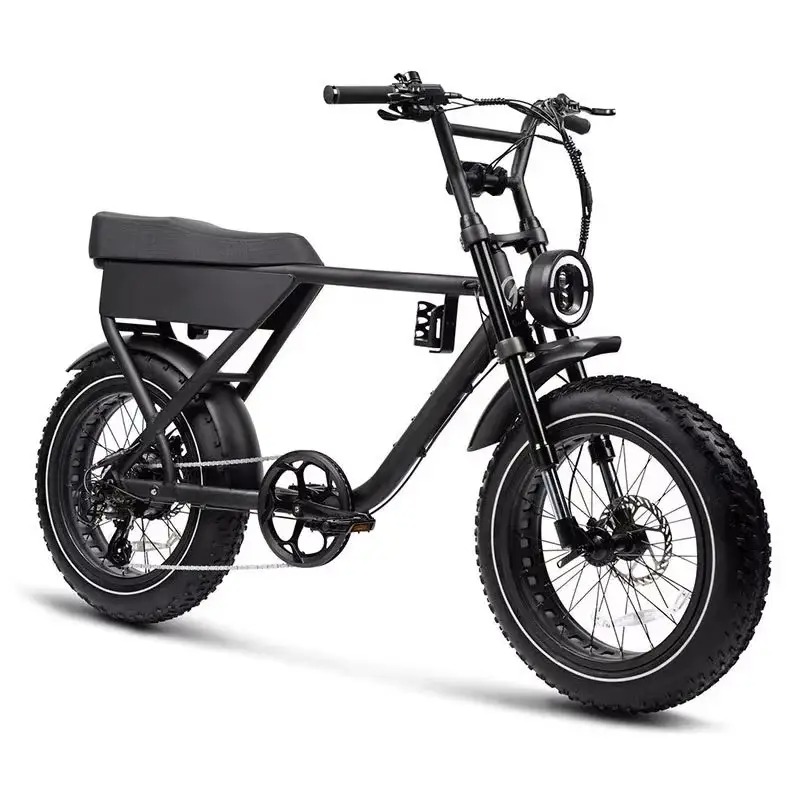
Learn precise air pressure, rebound & compression tuning for optimal suspension performance. Get pro-level setup tips now.
2026/08/03
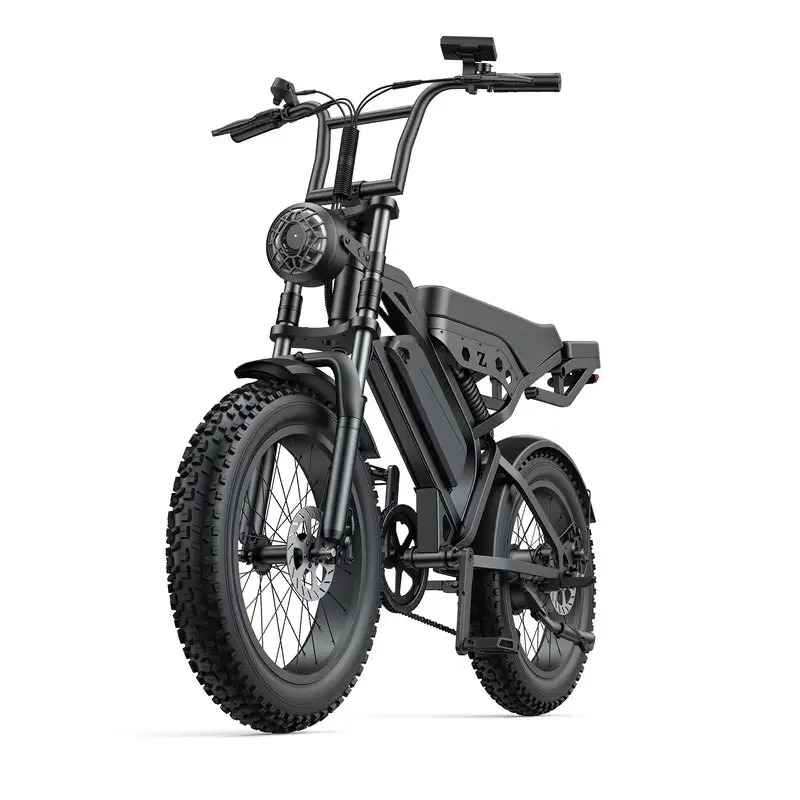
Discover how voltage drop saps performance—and proven fixes to restore responsiveness, range, and battery life. Read now.
2026/08/03
Discover data-backed protocols, smart infrastructure & operational fixes. Optimize now.
2026/08/03
How payload cuts 48V cargo ebike range by 15–50%+ — backed by real-world degradation curves, motor load science & fleet optimization strategies.
Comprehensive warranty, fast parts shipping, remote diagnostics and local dealer training


