 EN
EN
STEP 1
Full vehicle warranty for 2 years
2026/08/10
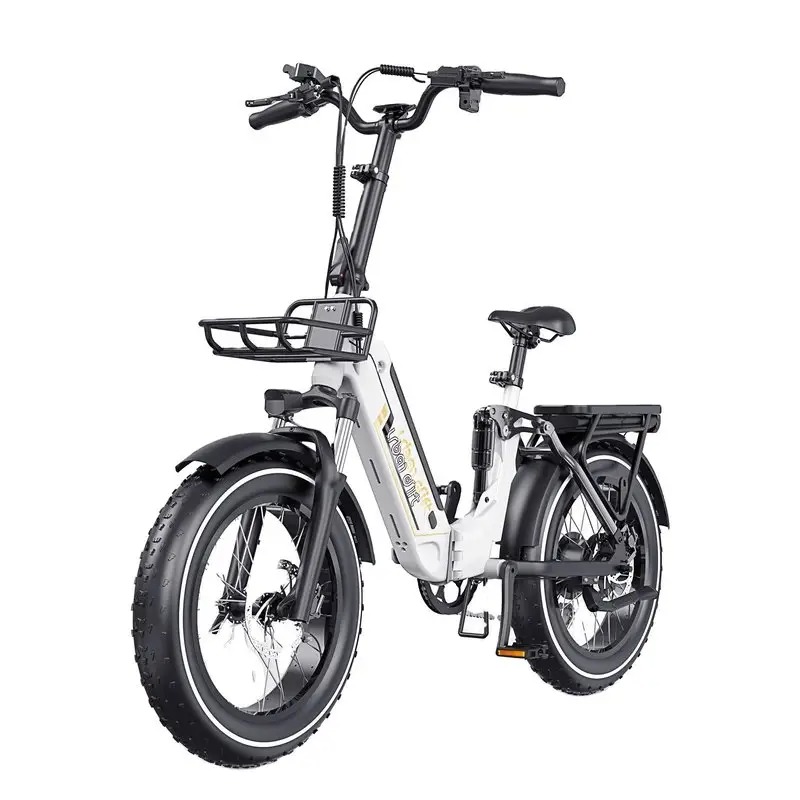
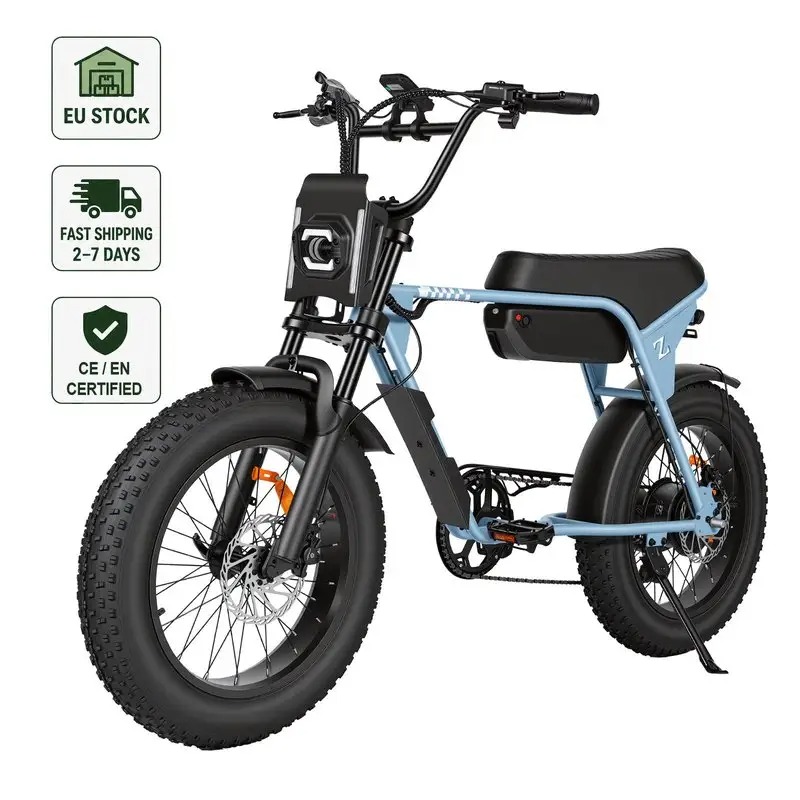
The 1500w electric mountain bike represents a significant step up in power and performance compared to standard recreational e-bikes, demanding careful attention to braking system specifications. Rotor sizing is one of the most critical technical decisions when building or upgrading a 1500w ebike, as the braking system must handle substantially higher kinetic energy during descent and emergency stops. Without properly sized rotors, riders risk inadequate stopping power, brake fade, and safety compromises on technical terrain. Understanding the relationship between motor wattage, rider weight, terrain type, and rotor diameter ensures your electric mountain bike performs reliably in demanding conditions.
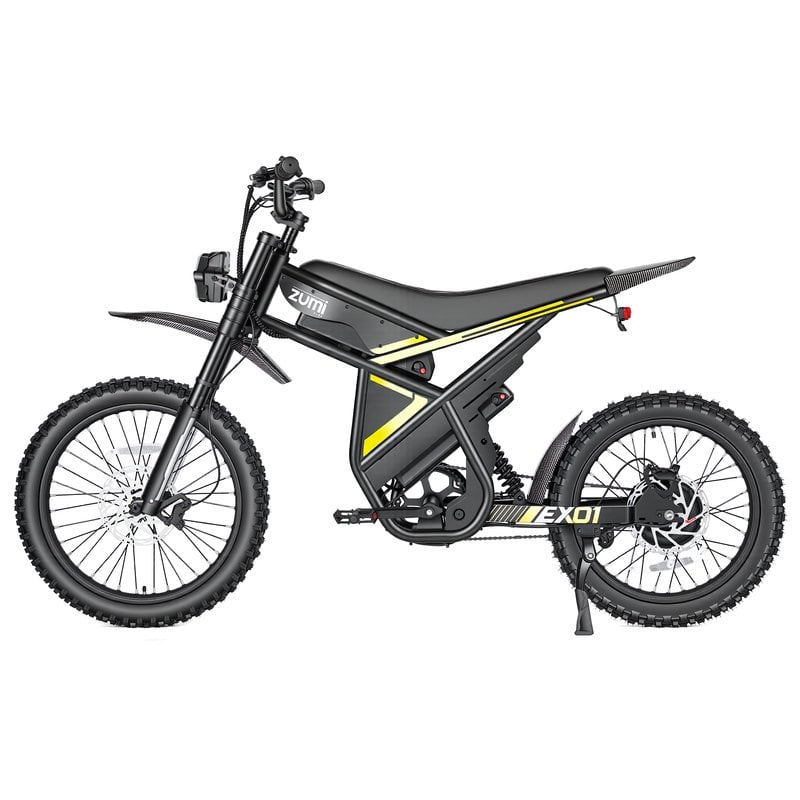
A 1500w ebike operates at power levels typically found in lightweight motorcycles, fundamentally changing the engineering requirements of the braking system. The motor delivers torque equivalent to mid-range motorcycles, creating kinetic energy that rotors must dissipate safely across diverse terrain types. This article explores the technical requirements for rotor sizing on a 1500w electric mountain bike, providing practical guidance for builders, mechanics, and enthusiasts seeking to optimize braking performance and safety.
The relationship between motor power and rotor size follows basic thermodynamic principles: larger rotors provide greater surface area for heat dissipation and increased mechanical advantage in stopping force. A 1500w electric mountain bike generates kinetic energy during acceleration that must be controlled during braking. Industry standards suggest that a 1500w ebike should use disc rotors in the 200mm to 220mm range at minimum, with many builders opting for 220mm or larger diameters for added safety margin. The rotor diameter directly influences stopping power, modulation feel, and brake fade resistance.
Larger rotors dissipate heat more effectively because they maintain lower surface temperatures under repeated braking loads. When an electric mountain bike descends a long trail or performs multiple emergency stops, brake fluid temperature rises and can cause vapor lock if the system overheats. A mountain ebike operating at 1500 watts generates significantly more heat than a conventional bicycle, making rotor size a safety consideration rather than merely a comfort upgrade. Riders in mountainous terrain should prioritize larger rotors to maintain consistent braking performance across extended descents and technical sections.
Most engineers recommend 220mm rotors as the minimum safe size for a 1500w electric mountain bike operating in mixed terrain. Some lightweight riders on relatively flat trails might operate safely with 200mm rotors, but this configuration provides limited margin for error during emergency braking or technical descents. The 1500w ebike category sits at the boundary between pedal-assist e-bikes and motorized vehicles, requiring professional-grade braking components. Front and rear rotor sizing can differ slightly, with many builders using 220mm front and 200mm rear, or matching 220mm rotors on both wheels for maximum symmetry.
High-performance setups for a 1500w electric mountain bike often feature 240mm rotors on the front wheel and 220mm on the rear, matching the specifications used in gravity-focused motorcycles. This sizing strategy maximizes braking torque distribution, prevents front-wheel lockup during aggressive stops, and extends the usable life of brake pads through better heat distribution. Riders tackling steep alpine terrain should consider 240mm or larger rotors as the preferred configuration. The added rotational mass is negligible compared to the safety and performance improvements these larger rotors provide.
Stainless steel and aluminum-composite rotors are the two dominant choices for a mountain ebike, each offering different performance characteristics. A 1500w electric mountain bike benefits from stainless steel rotors because they resist corrosion, maintain consistent friction coefficients across temperature ranges, and handle the demanding thermal loads required for high-power systems. Aluminum-composite rotors are lighter and offer excellent heat dissipation but require more aggressive brake pad compounds and benefit from riders with smoother braking technique. For recreational riders operating a 1500w ebike in mixed conditions, stainless steel rotors offer the best balance of durability, modulation, and low maintenance.
The thermal capacity of rotor material directly determines how long a 1500w electric mountain bike can perform consecutive hard braking without fade. Larger rotors store more thermal energy before reaching critical temperatures, allowing riders to maintain consistent stopping power during extended downhill sections or technical trail navigation. A 220mm or 240mm rotor maintains lower operating temperatures than smaller 160mm or 180mm rotors when subjected to the same braking force, extending the effective service life of both rotors and brake pads. Riders planning frequent mountain descents should prioritize larger rotor diameters and quality stainless steel construction.
Rotor size selection must coordinate with brake caliper specifications to ensure proper function on your 1500w ebike. Mountain ebike brake systems typically feature hydraulic disc brakes with calipers rated for specific rotor diameters, and mismatching components can result in poor modulation or mechanical failure. A 1500w electric mountain bike requires professional-grade hydraulic brakes, typically featuring four-piston calipers or larger two-piston designs rated for motorcycle-level braking power. Builders must verify that selected calipers accommodate chosen rotor sizes and that the entire system meets the weight and power specifications of the electric mountain bike platform.
Upgrading to larger rotors on a 1500w ebike significantly improves stopping power and modulation, but riders typically require an adjustment period to adapt to the enhanced braking response. A larger rotor provides more powerful braking force with the same caliper pressure, requiring lighter lever input and gentler finger control. Riders migrating from standard bicycles to a 1500w electric mountain bike should practice in controlled environments before tackling technical terrain, allowing their muscle memory to adapt to the more responsive braking characteristics. The superior control provided by larger rotors becomes intuitive within several ride sessions.
For trail riding on a 1500w ebike, 220mm rotors represent the practical standard that balances performance, cost, and reliability. If you frequently encounter steep terrain or perform aggressive riding, consider upgrading to 240mm front and 220mm rear rotors. 1500w electric mountain bike systems engineered for professional use typically feature these larger rotor specifications as standard components.
Heavier riders require larger rotors to maintain safe braking performance on a 1500w electric mountain bike, as kinetic energy increases proportionally with total mass. A 200-pound rider on a mountain ebike should prioritize 240mm rotors, while a 150-pound rider might operate safely with 220mm configurations. When selecting components for your 1500w ebike, consider the combined weight of rider, bike, and cargo under typical riding conditions.
Motorcycle rotors are physically compatible with many 1500w ebike brake systems, but they typically feature different bolt hole patterns and may not mount securely. Using automotive or motorcycle rotors designed for different brake systems creates safety risks and poor performance on an electric mountain bike. Always select rotors specifically engineered for bicycle or ebike applications, as these components integrate properly with your mountain ebike's brake calipers and mounting hardware.
2026/08/03
Fix time zones, language gaps, and unclear protocols—boost speed, cut costs, and scale confidently.
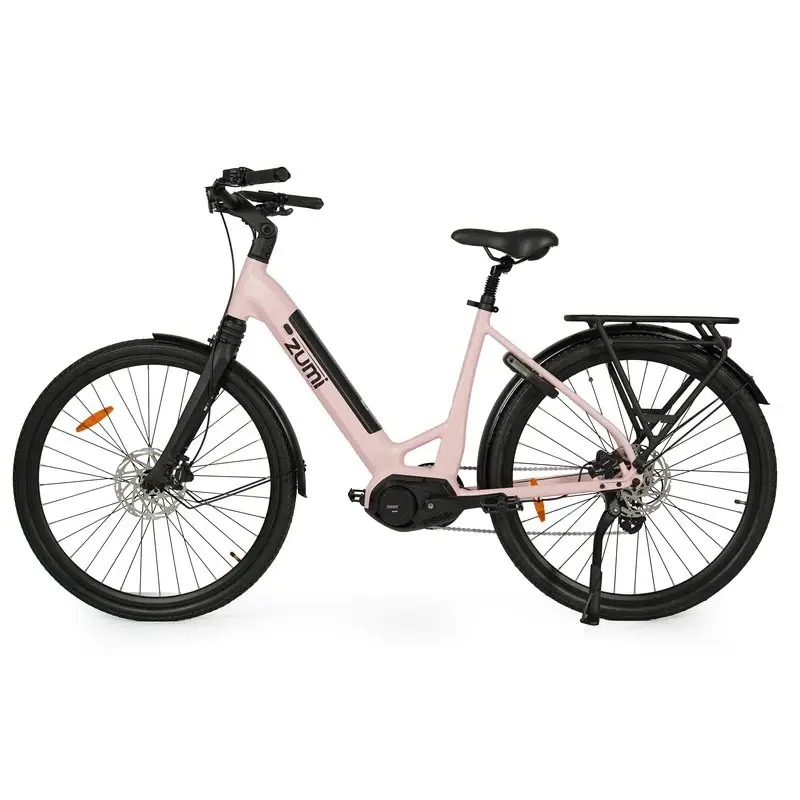
2026/08/03
Avoid liability & import bans: Learn IEC 62619, UN 38.3, and UL 2271—plus how to verify real compliance (not fakes).
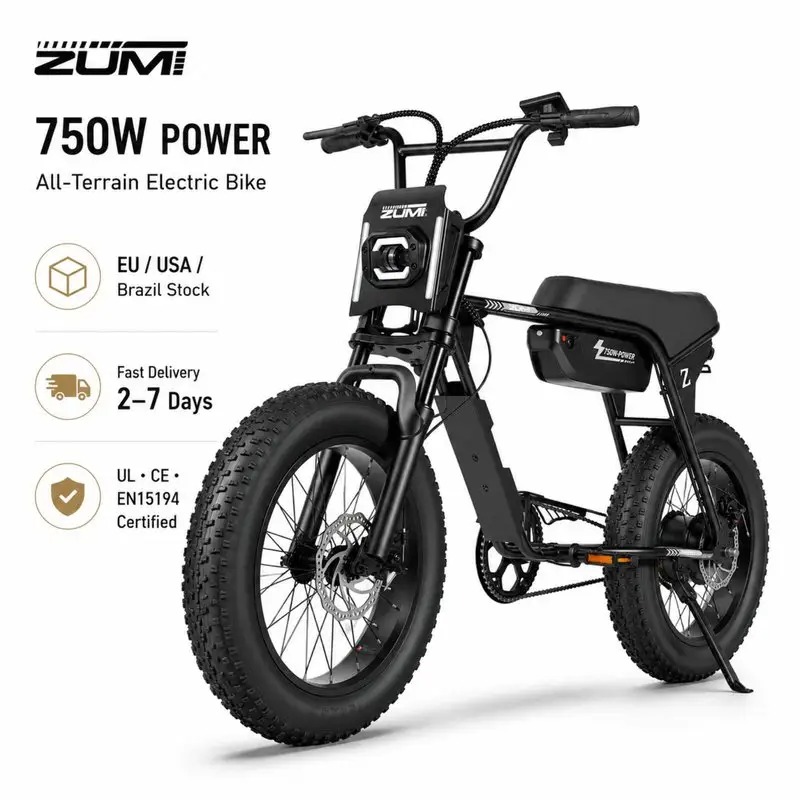
2026/08/03
Learn precise air pressure, rebound & compression tuning for optimal suspension performance. Get pro-level setup tips now.
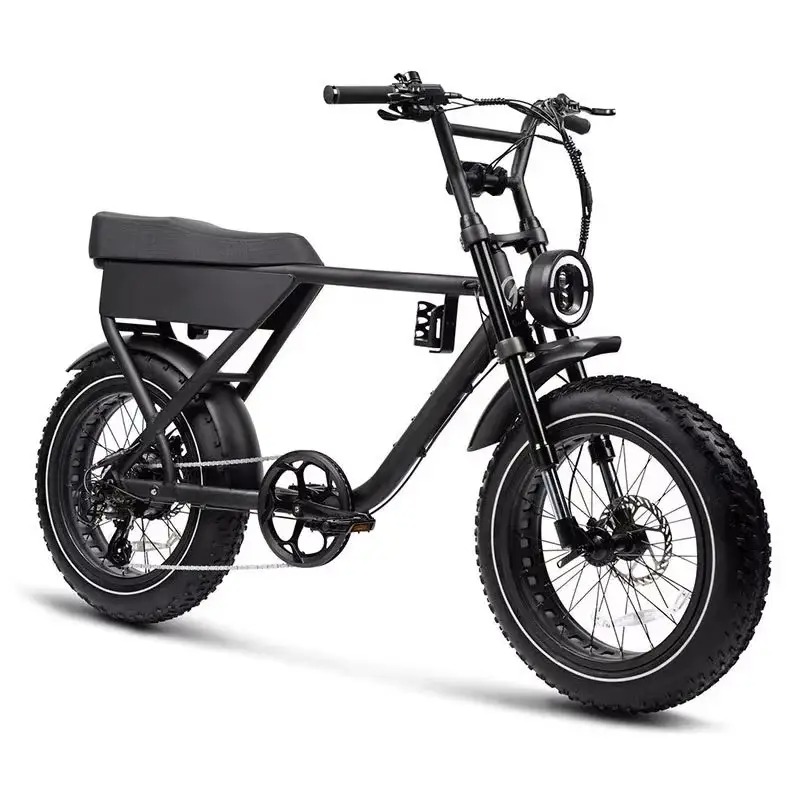
2026/08/03
Discover how voltage drop saps performance—and proven fixes to restore responsiveness, range, and battery life. Read now.
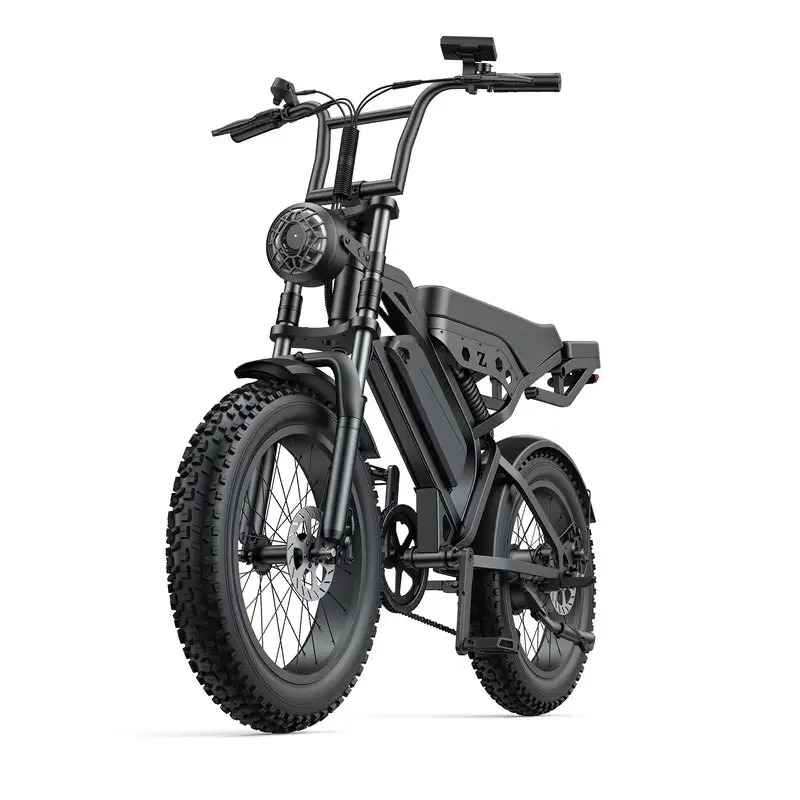
2026/08/03
Discover data-backed protocols, smart infrastructure & operational fixes. Optimize now.
2026/08/03
How payload cuts 48V cargo ebike range by 15–50%+ — backed by real-world degradation curves, motor load science & fleet optimization strategies.
Comprehensive warranty, fast parts shipping, remote diagnostics and local dealer training


