 EN
EN
STEP 1
Full vehicle warranty for 2 years
2026/08/05
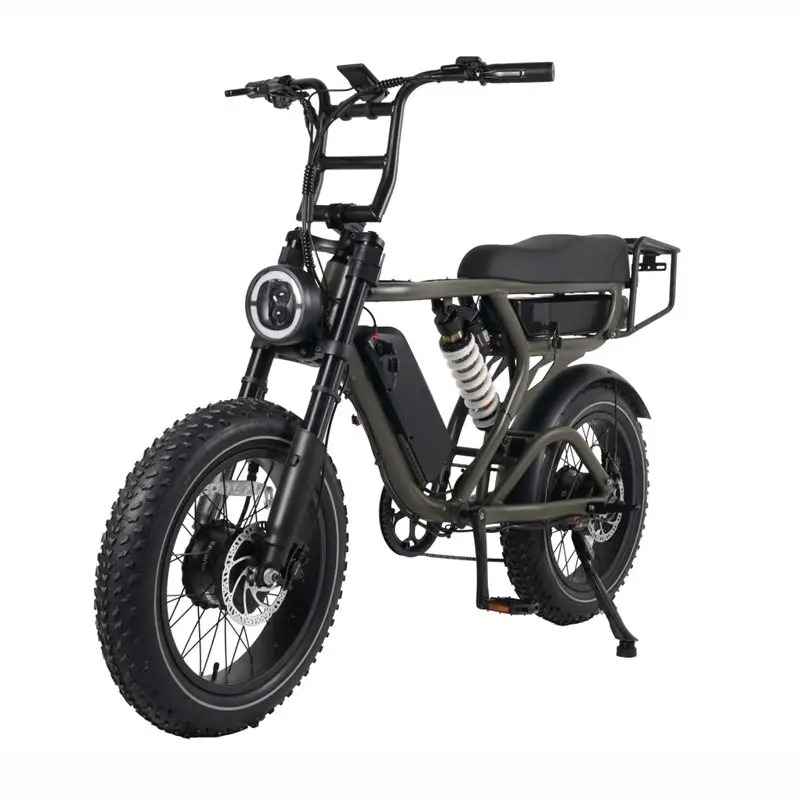
Sustainability has become a cornerstone of modern manufacturing, and the electric bike industry is leading this transformation. An e bike manufacturing company today faces mounting pressure to adopt environmentally responsible production methods while maintaining profitability and quality. This shift reflects both regulatory requirements and growing consumer demand for green alternatives to traditional transportation.
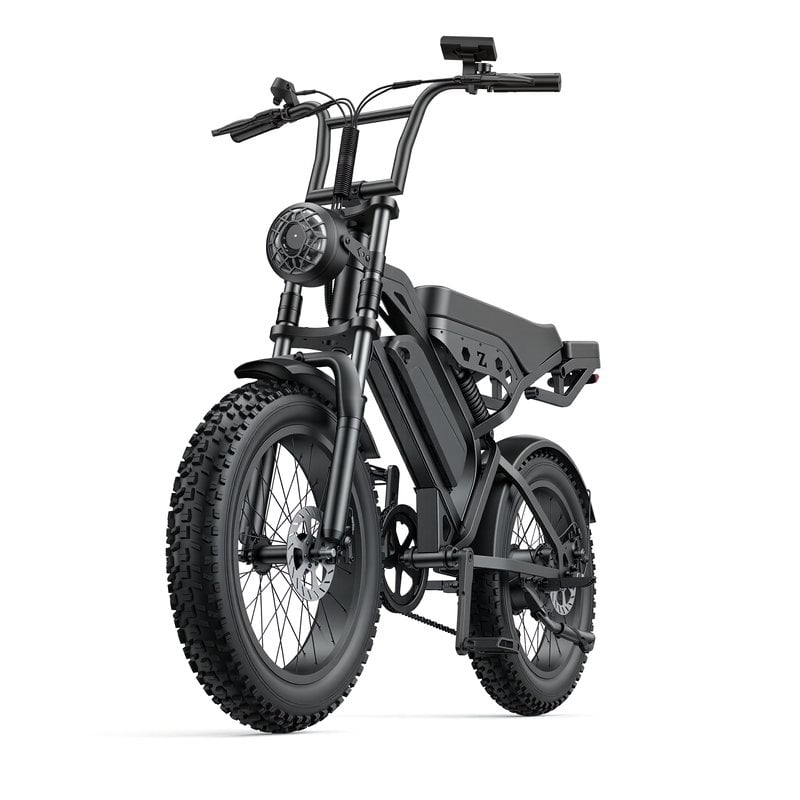
The journey toward sustainable electric bike production extends far beyond assembling components. An ebike manufacturer must evaluate every stage of its supply chain, from sourcing raw materials to packaging and distribution. Progressive organizations recognize that environmental stewardship strengthens brand reputation, reduces operational costs, and opens access to new markets where eco-conscious consumers and businesses actively seek sustainable products.
Every ebike factory begins with material choices that ripple throughout production. Leading manufacturers now prioritize suppliers who demonstrate verifiable environmental certifications and transparent labor practices. Aluminum frames, commonly used in electric bikes, become significantly more sustainable when sourced from recycling programs or facilities powered by renewable energy. Battery suppliers face particular scrutiny, as lithium extraction and processing carry substantial environmental footprints.
An ebike manufacturer evaluating suppliers looks beyond price alone. Certifications such as ISO 14001 indicate that facilities maintain environmental management systems. Some ebike factory operators now conduct on-site audits to verify compliance with water usage limits, waste management protocols, and emissions standards. This diligence ensures that each component aligns with the company's sustainability commitments.
Forward-thinking electric bike wholesale operations incorporate circular design principles from the earliest product development stages. Designers ensure that components are replaceable, upgradeable, and recyclable at end-of-life. An ebike manufacturer using modular designs enables customers to extend product lifespans and supports refurbishment programs that recover valuable materials. This approach reduces landfill waste and creates secondary market opportunities for reconditioned bikes and parts.
The ebike factory floor represents a significant opportunity for sustainability improvement. Facilities are increasingly transitioning from conventional electricity to renewable sources such as solar and wind power. Modern electric bike wholesale producers invest in LED lighting systems, energy-efficient machinery, and optimized production scheduling that reduces idle time and waste. Advanced monitoring systems track real-time energy consumption, allowing managers to identify inefficiencies and implement corrective measures immediately.
Water usage also demands attention within an ebike manufacturer's operations. Production processes such as electroplating, welding, and painting require careful water management. Sustainable facilities implement closed-loop water systems, recycling and filtering water for reuse rather than drawing fresh supplies continuously. An ebike factory committed to environmental responsibility documents water usage metrics and sets reduction targets aligned with regional water scarcity concerns.
Material waste during production directly impacts both profitability and environmental footprint. Advanced cutting and forming techniques minimize scrap metal, plastic, and composite waste. An electric bike wholesale company establishes partnerships with recycling specialists who accept manufacturing byproducts and process them into secondary materials for other industries. Some ebike factories have achieved near-zero waste status by redesigning workflows and recovering materials previously discarded.
An ebike manufacturer also manages waste from product defects, returns, and packaging materials. Systematic quality control reduces defective units that would otherwise contribute to waste streams. Packaging optimization reduces volume and weight, decreasing transportation emissions while lowering material costs. Recyclable or compostable packaging materials replace conventional plastics where feasible, supporting the circular economy model.
An ebike factory's sustainability commitment extends to product distribution and final delivery. Electric bike wholesale operations increasingly consolidate shipments, optimize delivery routes, and partner with logistics providers who operate low-emission vehicles or utilize carbon offset programs. Some manufacturers locate facilities strategically to reduce transportation distances to primary markets, cutting fuel consumption and emissions significantly. Direct-to-consumer models employed by certain ebike manufacturers further streamline distribution networks compared to traditional multi-tier retail channels.
An e bike manufacturing company must also consider the product's full lifecycle carbon impact, including use phase. By designing efficient electric motors and durable batteries, manufacturers ensure that their ebikes deliver environmental benefits that exceed the emissions generated during production. Lifecycle assessments comparing electric bikes to conventional vehicles and competing transportation modes provide credible data supporting marketing claims and sustainability positioning.
Progressive electric bike wholesale businesses extend sustainability engagement beyond purchase transactions. Educational initiatives inform customers about proper battery maintenance, safe charging practices, and end-of-life recycling options. An ebike manufacturer offering take-back programs encourages customers to return worn batteries and damaged components for responsible recycling or refurbishment. Transparency reports published annually by leading manufacturers document sustainability metrics, environmental investments, and progress toward established goals.
An ebike factory engaging stakeholders builds stronger relationships with distributors, retailers, and community organizations. Participation in industry sustainability initiatives and standards development positions the manufacturer as a thought leader. When an e bike manufacturing company demonstrates genuine commitment through measurable actions rather than superficial claims, it attracts environmentally conscious customers, attracts talent seeking purpose-driven employers, and strengthens long-term business resilience.
Key challenges include sourcing sustainably produced batteries and components, reducing manufacturing energy consumption, managing water usage, minimizing production waste, and establishing efficient distribution networks. An ebike factory must also balance sustainability investments against competitive pricing pressures, particularly in electric bike wholesale markets where cost sensitivity remains high. Supply chain transparency and verification of supplier claims add operational complexity but are essential for credible environmental commitments.
Progressive electric bike wholesale companies use key performance indicators such as energy consumption per unit produced, water usage, waste diversion rates, carbon emissions from manufacturing and distribution, and recycled content percentages. Third-party certifications and lifecycle assessments provide independent verification of sustainability claims. An e bike manufacturing company typically publishes annual sustainability reports detailing metrics, targets, achievements, and future initiatives, enabling transparent stakeholder communication and performance accountability.
Sustainability creates multiple business advantages for an ebike factory. Reduced material and energy consumption directly lowers production costs. Enhanced brand reputation attracts environmentally conscious consumers willing to pay premiums for certified sustainable products. Access to markets with environmental regulations or green procurement preferences expands revenue opportunities. An electric bike wholesale business positioned as a sustainability leader attracts partnerships with retailers and distributors prioritizing responsible suppliers. Employee retention improves when workers feel proud of their employer's environmental commitment.
2026/08/03
Fix time zones, language gaps, and unclear protocols—boost speed, cut costs, and scale confidently.
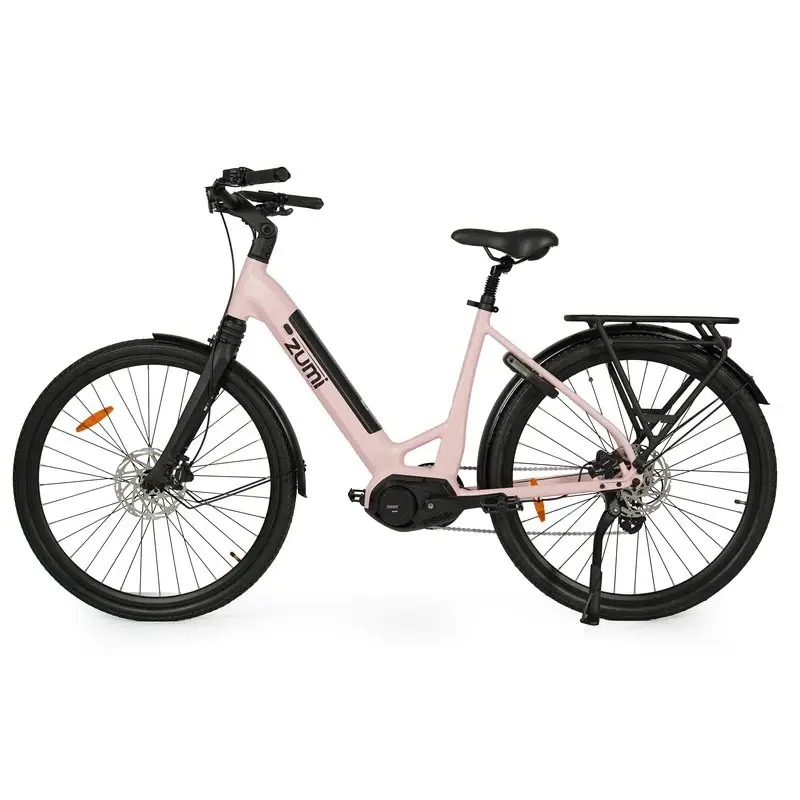
2026/08/03
Avoid liability & import bans: Learn IEC 62619, UN 38.3, and UL 2271—plus how to verify real compliance (not fakes).
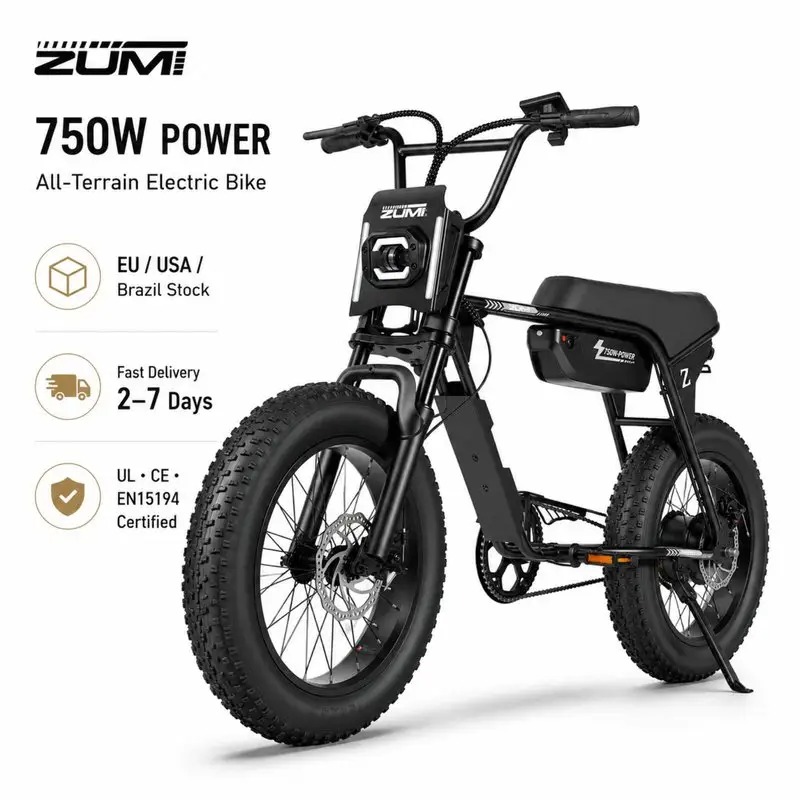
2026/08/03
Learn precise air pressure, rebound & compression tuning for optimal suspension performance. Get pro-level setup tips now.
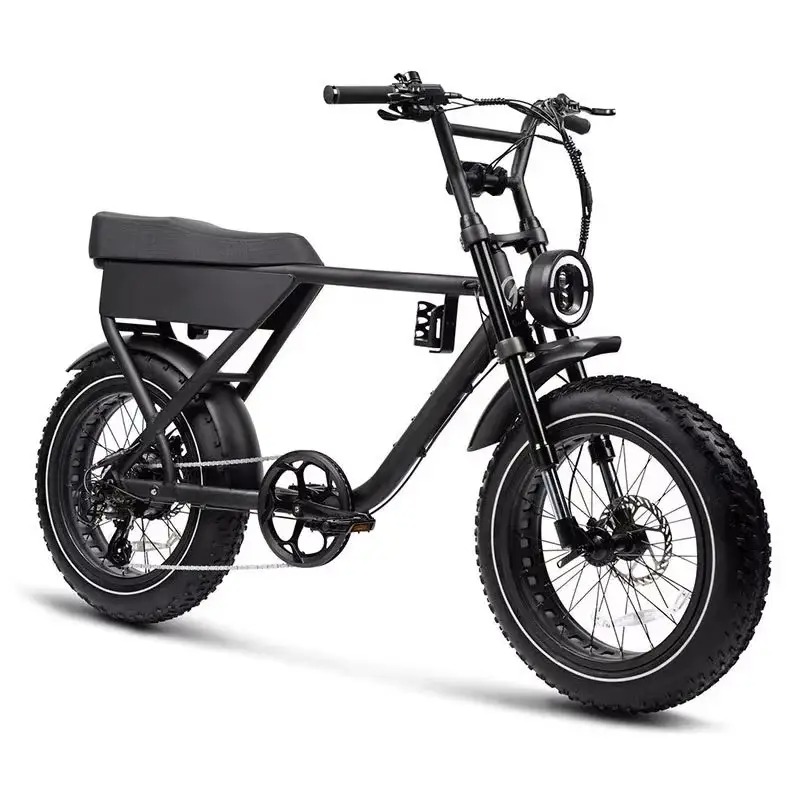
2026/08/03
Discover how voltage drop saps performance—and proven fixes to restore responsiveness, range, and battery life. Read now.
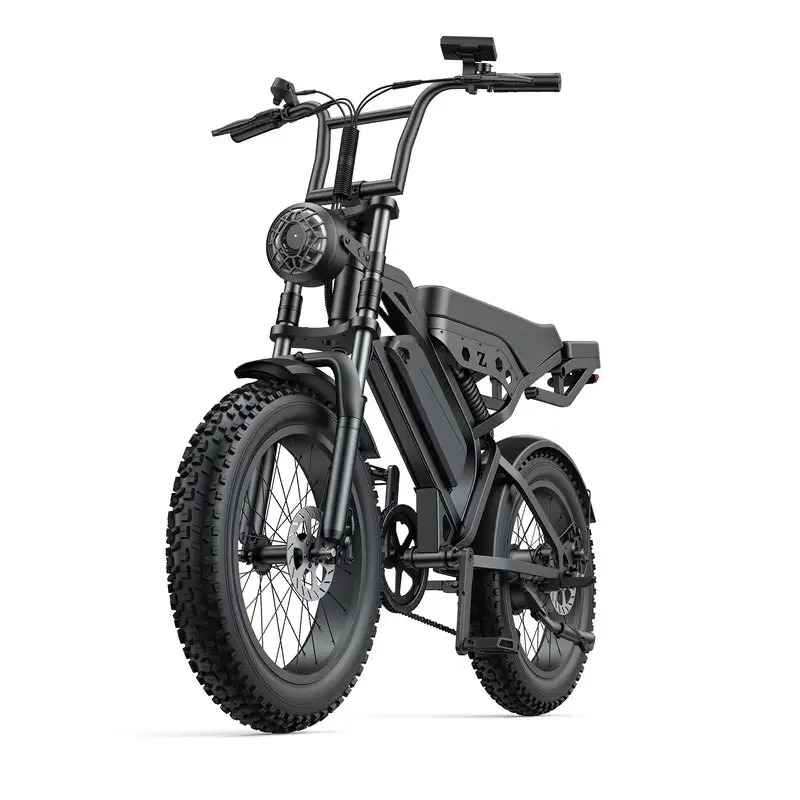
2026/08/03
Discover data-backed protocols, smart infrastructure & operational fixes. Optimize now.
2026/08/03
How payload cuts 48V cargo ebike range by 15–50%+ — backed by real-world degradation curves, motor load science & fleet optimization strategies.
Comprehensive warranty, fast parts shipping, remote diagnostics and local dealer training


